Understanding Refrigerator Temperatures
Grasping the significance of refrigerator temperatures is essential for maintaining food safety and energy efficiency. Here, you'll learn why the right temperature matters and what factors can influence it.
Importance of Proper Refrigerator Temperature
Maintaining the correct temperature in your refrigerator is crucial for keeping your food safe and fresh. A temperature that is too high can lead to the growth of harmful bacteria, causing foodborne illnesses. Conversely, a temperature that is too low can freeze certain foods, affecting their texture and taste.
The recommended temperature range for a refrigerator is between 35°F and 38°F (1.7°C and 3.3°C). This range ensures that food stays fresh without freezing. Keeping your refrigerator within this range is important for:
- Preventing Bacterial Growth: Bacteria thrive at temperatures above 40°F (4.4°C). By maintaining a lower temperature, you reduce the risk of bacterial contamination.
- Prolonging Shelf Life: Fresher food means less waste. Proper temperature settings can extend the shelf life of your groceries.
- Energy Efficiency: Operating your refrigerator within the recommended range can optimize its energy use. For more details on energy-efficient models, check out our guide on frost free fridge freezers.
Factors Affecting Refrigerator Temperature
Several factors can impact the temperature inside your refrigerator. Being aware of these can help you maintain the ideal temperature:
- Frequent Door Openings: Opening the refrigerator door frequently or leaving it open for extended periods can cause temperature fluctuations.
- Overloading: A crowded fridge can restrict air circulation, leading to uneven cooling.
- Location: Placing your refrigerator in a hot or poorly ventilated area can affect its ability to maintain a consistent temperature.
- Thermostat Settings: Incorrect thermostat settings can lead to improper cooling. Make sure to calibrate your thermostat regularly.
- Faulty Seals: Worn-out door seals can allow cold air to escape, making the refrigerator work harder to maintain the set temperature.
| Factor | Impact on Temperature |
|---|---|
| Frequent Door Openings | Causes temperature spikes |
| Overloading | Leads to uneven cooling |
| Location | Affects cooling efficiency |
| Thermostat Settings | Can cause improper cooling |
| Faulty Seals | Causes cold air to escape |
By understanding these factors, you can take steps to ensure your refrigerator operates efficiently. For more tips on refrigerator maintenance, see our guide on new refrigerator cooling time.
Ideal Refrigerator Temperature Range
Recommended Temperature Settings
Maintaining the correct temperature in your refrigerator is essential for preserving food and ensuring safety. The ideal temperature range for a refrigerator is between 35°F and 38°F (1.7°C and 3.3°C). This range is optimal for slowing down bacterial growth while keeping your food fresh and safe to eat.
| Temperature Setting | Explanation |
|---|---|
| 35°F (1.7°C) | Ideal for keeping dairy products and perishables fresh |
| 36°F (2.2°C) | Balances energy efficiency and food safety |
| 37°F (2.8°C) | Common recommended setting for most households |
| 38°F (3.3°C) | Upper limit for safe food storage |
For those interested in retro appliances, check out our article on 50s style fridge freezer.
Why Consistent Temperature is Crucial
Consistency in refrigerator temperature is key to preventing food spoilage and ensuring energy efficiency. Fluctuations in temperature can cause:
- Food Spoiling: Even brief periods outside the ideal range can lead to bacterial growth, causing food to spoil faster.
- Freezing: If the temperature drops too low, certain items like fruits and vegetables may freeze, impacting texture and taste.
- Energy Inefficiency: Frequent temperature changes can make your refrigerator work harder, leading to increased energy consumption and higher utility bills.
For more on energy efficiency, see our guide on frost-free fridge freezer.
To maintain a consistent temperature, regularly check and calibrate your thermostat. Use an appliance thermometer to verify the internal temperature and make adjustments as needed. Implementing these practices can help you keep your food safe and your refrigerator running efficiently. For more tips, visit our article on normal temp for fridge.
Monitoring and Adjusting Refrigerator Temperature
Ensuring that your refrigerator maintains the proper temperature is essential for food safety and energy efficiency. Here are some methods for checking and calibrating the thermostat, as well as tips for maintaining optimal temperature.
Checking and Calibrating the Thermostat
To ensure your refrigerator is at the right temperature, you need to regularly check and calibrate the thermostat. Here’s how you can do it:
- Use a thermometer: Place a refrigerator thermometer in the center of the fridge. This will give you an accurate reading of the internal temperature.
- Read the temperature: After a few hours, check the thermometer. The ideal temperature for a refrigerator is between 35°F (1.6°C) and 38°F (3.3°C).
- Adjust the thermostat: If the temperature is outside the recommended range, adjust the thermostat setting accordingly. Most refrigerators have a dial or digital controls for this purpose.
| Temperature | Action |
|---|---|
| Below 35°F (1.6°C) | Increase the thermostat setting |
| 35°F (1.6°C) - 38°F (3.3°C) | Optimal range, no adjustment needed |
| Above 38°F (3.3°C) | Lower the thermostat setting |
For a more detailed guide on adjusting your fridge’s temperature, visit our article on what temp does fridge need to be?.
Tips for Maintaining Optimal Temperature
Keeping your refrigerator at the optimal temperature involves more than just setting the thermostat. Follow these tips to ensure consistent and efficient cooling:
- Avoid Overloading: A crowded fridge can obstruct air circulation, leading to uneven cooling. Make sure there is enough space between items for air to flow freely.
- Check Door Seals: Ensure the door seals are tight and free from cracks or gaps. Faulty seals can let warm air in, causing the fridge to work harder to maintain the set temperature.
- Clean the Coils: Dust and dirt on the condenser coils can reduce efficiency. Clean the coils at least twice a year to keep your fridge running smoothly.
- Regularly Defrost: If your refrigerator isn’t frost-free, defrost it regularly to prevent ice build-up, which can affect temperature regulation.
- Keep the Door Closed: Minimize the time the refrigerator door is open to reduce temperature fluctuations. This is especially important during hot weather.
For more information on organizing your fridge to maintain optimal temperature, check out our article on the order of food in the refrigerator.
By regularly monitoring and adjusting your refrigerator’s temperature, you can ensure that your food stays fresh longer and that your appliance operates efficiently.
Common Issues with Refrigerator Temperature
Understanding and maintaining the correct temperature in your refrigerator is crucial for food safety and energy efficiency. Here, we will discuss common problems that arise when the temperature is not properly regulated.
Freezing or Spoiling of Food
One of the most frequent issues with refrigerator temperature is food either freezing or spoiling. When the temperature is too low, items like vegetables and dairy products can freeze, leading to unwanted texture changes and nutrient loss. Conversely, if the temperature is too high, perishable items like meat and dairy can spoil quickly, posing health risks.
Ideal Refrigerator Temperature Ranges:
| Food Type | Optimal Temperature |
|---|---|
| Dairy | 34°F - 38°F |
| Vegetables | 35°F - 40°F |
| Meats | 32°F - 36°F |
| Fruits | 36°F - 40°F |
To prevent these issues, it's vital to regularly check and calibrate your refrigerator's thermostat. For more tips on maintaining the ideal temperature, visit our article on order of food in the refrigerator.
Energy Efficiency Concerns
Another common problem related to refrigerator temperature is energy inefficiency. If the setting is too low, the refrigerator works harder to maintain the cold environment, leading to increased energy consumption and higher utility bills. On the other hand, if the temperature is too high, the refrigerator may cycle on and off too frequently, also wasting energy.
Signs of Energy Inefficiency:
- Frequent cycling on and off
- High electricity bills
- Uneven cooling
To ensure your refrigerator operates efficiently, keep the temperature within the recommended range of 35°F to 38°F for the fridge and 0°F for the freezer. Regular maintenance, such as cleaning the coils and ensuring the door seals are tight, can also help. For more advice, check out our article on normal temp for fridge.
By understanding these common issues, you can take proactive steps to maintain the right temperature in your refrigerator, ensuring both food safety and energy efficiency.
Storing Food at the Right Temperature
Proper storage of food in the refrigerator is essential to maintain its freshness and prevent spoilage. By understanding the different zones in your fridge and following best practices, you can ensure your food stays safe and delicious.
Refrigerator Zones for Different Foods
Different areas of your refrigerator are suitable for storing various types of food. Here's a breakdown of the ideal zones for common food items:
| Zone | Suitable Foods |
|---|---|
| Top Shelves | Ready-to-eat foods, leftovers, drinks |
| Middle Shelves | Dairy products, eggs, pre-prepared meals |
| Bottom Shelves | Raw meat, poultry, fish (to prevent dripping) |
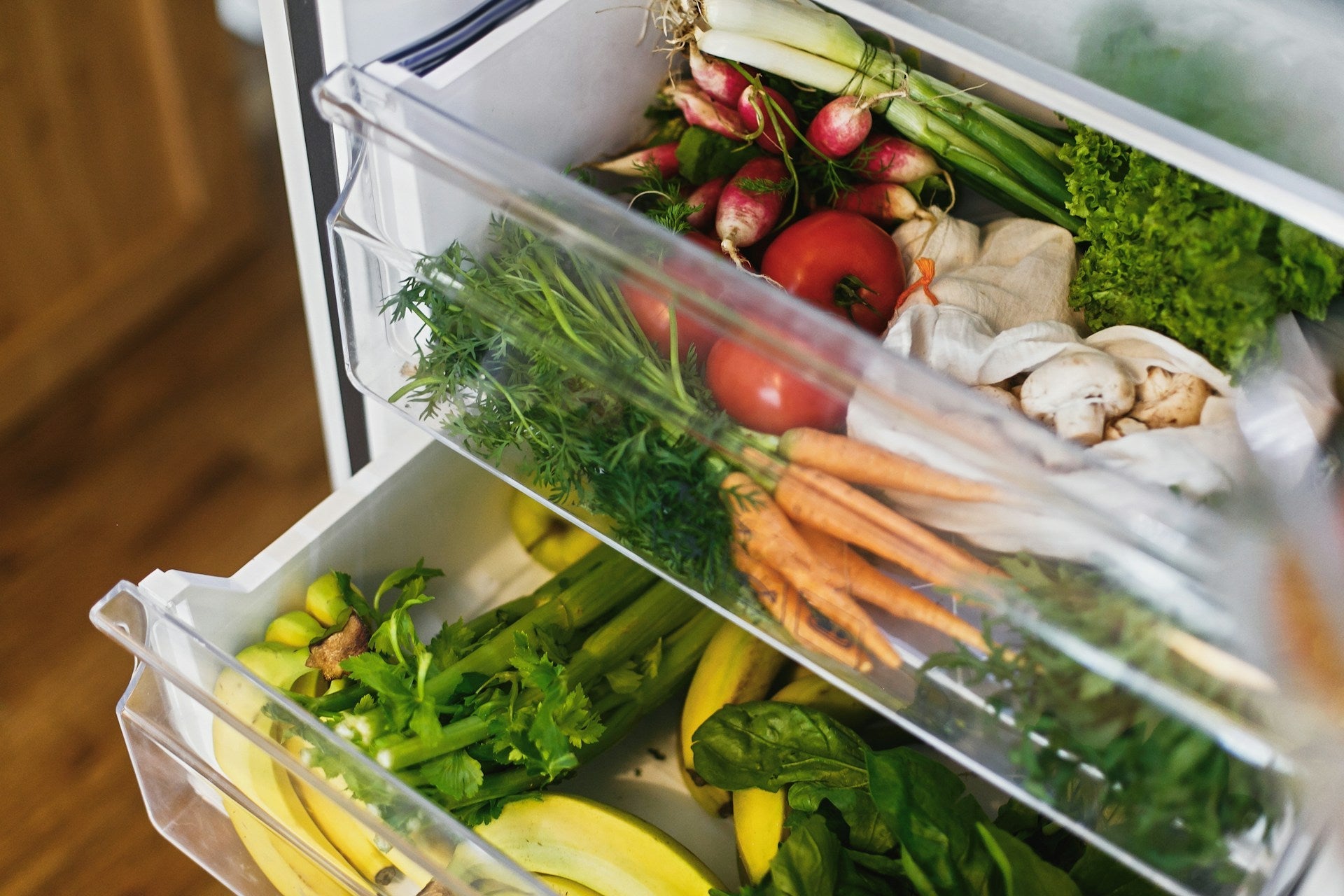
| Crisper Drawers | Fruits and vegetables (adjust humidity settings) |
| Door Shelves | Condiments, sauces, beverages |
By organizing your refrigerator this way, you can maintain optimal temperatures for different food categories and reduce the risk of cross-contamination. For more information on the order of food in the refrigerator, visit our article on order of food in the refrigerator.
Best Practices for Food Storage Temperature
To maximize the shelf life and quality of your food, follow these best practices for maintaining the right temperature in your refrigerator:
Set the Right Temperature: Keep your refrigerator at or below 40°F (4°C) and your freezer at 0°F (-18°C). For more details on optimal temperatures, see what temp does fridge need to be.
Use a Thermometer: Place a thermometer inside your fridge to monitor the temperature regularly. This helps you ensure that the temperature remains consistent and within the safe range.
Avoid Overcrowding: Do not overfill your refrigerator, as this can obstruct air circulation and lead to uneven cooling.
Store Food Properly: Use airtight containers or wrap food items securely to prevent moisture loss and contamination. For example, after opening peanut butter, see if it needs refrigeration in our article do you put peanut butter in the fridge after opening?.
Check Expiry Dates: Regularly check the expiry dates of perishable items and consume them before they go bad. For instance, learn how long different foods last, such as how long does butter chicken curry last in the fridge?.
Clean Regularly: Clean your refrigerator periodically to remove spills, expired food, and prevent bacterial growth.
By following these guidelines, you can keep your food fresh and safe for consumption. For more tips on maintaining your refrigerator and ensuring optimal performance, visit our articles on frost free fridge freezer and new refrigerator cooling time.
Get Your Upgrade or New Addition at Fridge.com
Whether you're searching for your perfect fridge, freezer, wine fridge, beer fridge, ice maker, or kegerator, we have what you need.
Shop the world's best brands at Fridge.com.
We also have tons of awesome articles about kitchen stuff and home news. Enhance your home, garage, backyard, patio, and office with the coolest essentials. With every necessary type of residential refrigerator or freezer in our collection, we've got you covered.
Elevate your game and shop now at Fridge.com!