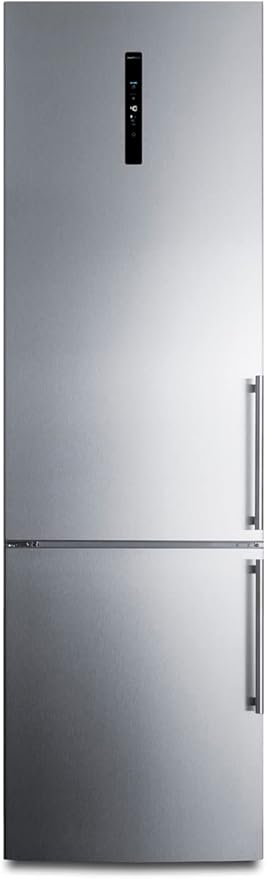
Understanding Refrigerator Sizes
When considering the purchase of a refrigerator, knowing the size is crucial. This section will help you understand why the size of a fridge matters and what common dimensions you might encounter.
Importance of Knowing the Size of a Fridge
Understanding the size of a fridge is essential for several reasons:
- Space Optimization: Ensuring the refrigerator fits perfectly in your designated space.
- Storage Needs: Matching the fridge size to your family size and storage requirements.
- Energy Efficiency: Choosing the right size can impact energy consumption.
- Aesthetic Fit: Ensuring the fridge complements your kitchen or room design.
By knowing the size, you can avoid purchasing a refrigerator that is either too large or too small for your needs.
Common Dimensions of Refrigerators
Refrigerators come in various sizes, typically measured in height, width, and depth. Here are some common dimensions:
| Refrigerator Type | Height (inches) | Width (inches) | Depth (inches) |
|---|---|---|---|
| Standard Refrigerator | 65 - 70 | 30 - 36 | 29 - 35 |
| Counter-Depth Refrigerator | 68 - 70 | 30 - 36 | 24 - 25 |
| Compact Refrigerator | 32 - 36 | 18 - 24 | 20 - 22 |
For more detailed information on specific fridge types, you can refer to our articles on what is the size of a french door refrigerator?, what is the size of a top freezer refrigerator?, and what is the size of a mini fridge?.
Understanding these dimensions will help you make an informed decision when selecting the right refrigerator for your needs.
Types of Refrigerator Sizes
Understanding the various refrigerator sizes can help you choose the best option for your needs. Below, we'll explore three common types: standard refrigerators, counter-depth refrigerators, and compact refrigerators.
Standard Refrigerator Sizes
Standard refrigerators are the most common type found in households. They offer ample storage space and come in various configurations, such as top freezer, bottom freezer, and side-by-side models. These refrigerators are designed to fit into most kitchen layouts, making them a versatile choice.
| Refrigerator Type | Width (inches) | Height (inches) | Depth (inches) |
|---|---|---|---|
| Top Freezer | 28 - 33 | 61 - 66 | 28 - 34 |
| Bottom Freezer | 29 - 36 | 67 - 70 | 30 - 34 |
| Side-by-Side | 32 - 39 | 65 - 70 | 30 - 34 |
Counter-Depth Refrigerators
Counter-depth refrigerators are designed to align seamlessly with your kitchen countertops and cabinets, offering a built-in look without the need for custom cabinetry. They are slightly shallower than standard models, making them ideal for kitchens with limited space. Despite their reduced depth, they still provide substantial storage capacity.
| Refrigerator Type | Width (inches) | Height (inches) | Depth (inches) |
|---|---|---|---|
| French Door | 35 - 36 | 68 - 70 | 24 - 28 |
| Side-by-Side | 32 - 36 | 68 - 70 | 24 - 28 |
For more details on counter-depth refrigerators, visit our article on what is the size of a counter-depth refrigerator?.
Compact Refrigerators
Compact refrigerators, also known as mini-fridges, are perfect for small spaces like dorm rooms, offices, or studio apartments. They offer basic refrigeration needs without taking up much space. While they are smaller in size, compact refrigerators can still accommodate essential items like beverages, snacks, and a limited amount of groceries.
| Refrigerator Type | Width (inches) | Height (inches) | Depth (inches) |
|---|---|---|---|
| Mini Fridge | 18 - 24 | 20 - 34 | 18 - 26 |
To explore more about compact refrigerators, check out our article on what is the size of a compact refrigerator?.
Understanding these types of refrigerator sizes can help you make an informed decision based on your space availability, lifestyle, and storage needs. For more information on measuring for a refrigerator, you can refer to the section on measuring for a refrigerator.
Factors Affecting Refrigerator Size
Choosing the right size refrigerator depends on various factors. Understanding these considerations can help you select a fridge that perfectly fits your needs and space.
Space Availability
The space available in your kitchen or designated area is a primary factor in determining the size of your refrigerator. Measure the height, width, and depth of the space where you plan to place the fridge. Ensure you also account for door clearance and ventilation space.
| Measurement | Standard (inches) | Counter-Depth (inches) | Compact (inches) |
|---|---|---|---|
| Height | 65 - 70 | 68 - 72 | 32 - 68 |
| Width | 30 - 36 | 30 - 36 | 18 - 24 |
| Depth | 29 - 35 | 24 - 25 | 20 - 26 |
For more detailed measurements, visit our article on what is the size of a refrigerator?.
Family Size and Storage Needs
The size of your family and your storage needs significantly influence the size of the refrigerator you should choose. A larger family will require more storage space, while a single person or a couple may need less.
| Family Size | Recommended Capacity (cubic feet) |
|---|---|
| 1-2 people | 8 - 10 |
| 3-4 people | 14 - 18 |
| 5+ people | 20+ |
Consider whether you need additional features like a large freezer or specialty compartments. For instance, if you're a foodie who enjoys fresh produce, a fridge with ample vegetable and fruit storage might be ideal. Check out what is the size of a double drawer refrigerator? for specific storage options.
Lifestyle and Usage Patterns
Your lifestyle and how you use your refrigerator can also affect the size you need. If you frequently entertain guests or have a busy household, a larger fridge with more compartments may be necessary. Conversely, if you live alone or have minimal food storage needs, a compact refrigerator might be sufficient.
Consider whether you'll use the fridge for specific purposes, such as:
- Storing beverages: what is the size of a beverage fridge?
- Keeping wine: what is the size of a built in wine cellar?
- Outdoor use: what is the size of a outdoor refrigerator?
Understanding these factors will help you match the refrigerator size to your needs, ensuring optimal functionality and satisfaction.
Measuring for a Refrigerator
Accurate measurements are crucial when selecting a refrigerator to ensure it fits seamlessly into your space. This section will guide you through the essential steps to measure for a refrigerator, focusing on height, width, and depth measurements, as well as considering clearances for installation.
Height, Width, and Depth Measurements
To determine the correct size for your refrigerator, you'll need to measure the height, width, and depth of the space where it will be installed. Use a tape measure to get precise dimensions.
| Measurement | Description |
|---|---|
| Height | Measure from the floor to the bottom of any overhead cabinets or shelves. Ensure you account for any molding or trim that may reduce the available height. |
| Width | Measure the width of the space from one side to the other. Be sure to measure at the top, middle, and bottom of the space to account for any variations. |
| Depth | Measure from the back wall to the front edge of the counter or cabinets. Consider the door's swing space and any handles that may extend beyond the refrigerator's body. |
Considering Clearances for Installation
In addition to measuring the height, width, and depth, it's essential to consider clearances for proper installation. These clearances ensure adequate airflow around the refrigerator, helping it operate efficiently and preventing overheating.
| Clearance | Description |
|---|---|
| Top Clearance | Leave at least 1-2 inches of space above the refrigerator to allow for proper ventilation. |
| Side Clearance | Ensure there is at least 1/8 inch of space on each side of the refrigerator to allow for door hinges and easy installation. |
| Back Clearance | Leave at least 1-2 inches of space between the back of the refrigerator and the wall to accommodate the power cord and provide airflow. |
Properly measuring for your refrigerator involves carefully considering height, width, depth, and clearances. For more detailed guidance on choosing the right size refrigerator based on your needs, visit our article on what is the size of a refrigerator?.
These measurements and clearances ensure your refrigerator fits perfectly in your space without hindrance. If you're curious about various refrigerator sizes, explore our other articles on what is the size of a mini fridge? and what is the size of a french door refrigerator?.
Choosing the Right Size Refrigerator
Selecting the appropriate refrigerator size is crucial for ensuring it meets your needs and fits seamlessly into your space. Here are some key factors to consider.
Matching Size to Your Needs
Determining the right refrigerator size involves evaluating your household's specific requirements. Consider the following:
- Family Size: Larger families typically need more storage space. A larger refrigerator can accommodate bulk purchases and reduce the frequency of grocery shopping.
- Cooking Habits: If you cook frequently and store leftovers, a bigger fridge with ample freezer space might be necessary.
- Entertaining Needs: If you often host parties or gatherings, a larger fridge can provide the extra storage needed for food and beverages.
- Specialized Storage: Some households may need additional compartments for specific items, such as a dedicated wine cooler. For more on wine storage, visit what is the size of a built in wine cellar.
Visualizing the Fit in Your Space
Before purchasing a refrigerator, it's essential to visualize how it will fit into your kitchen or designated area. Measure the space accurately, considering height, width, depth, and necessary clearances.
Key Measurements:
- Height: Ensure there is enough vertical space, including any overhead cabinets.
- Width: Measure the width of the space, keeping in mind side clearances for door swing.
- Depth: Consider the refrigerator's depth, especially for counter-depth models. For more details, see what is the size of a counter depth refrigerator.
- Clearances: Leave some space for ventilation and easy access.
| Measurement | Standard Size (inches) |
|---|---|
| Height | 65 - 70 |
| Width | 30 - 36 |
| Depth | 29 - 35 |
| Clearances | 1 - 2 |
To help visualize the fit, consider using a tape measure and marking the dimensions on your floor and walls. This can prevent any surprises during installation. For unique spaces like garages or offices, explore more specific options like what is the size of a garage refrigerator or what is the size of a office refrigerator.
By matching the refrigerator size to your needs and accurately measuring your space, you'll be better equipped to choose the right appliance for your home. For more detailed guidance, visit our other articles on specialized refrigerator sizes.
Get Your Upgrade or New Addition at Fridge.com
Whether you're searching for your perfect fridge, freezer, wine fridge, beer fridge, ice maker, or kegerator, we have what you need.
Shop the world's best brands at Fridge.com.
We also have tons of awesome articles about kitchen stuff and home news. Enhance your home, garage, backyard, patio, and office with the coolest essentials. With every necessary type of residential refrigerator or freezer in our collection, we've got you covered.
Elevate your game and shop now at Fridge.com!