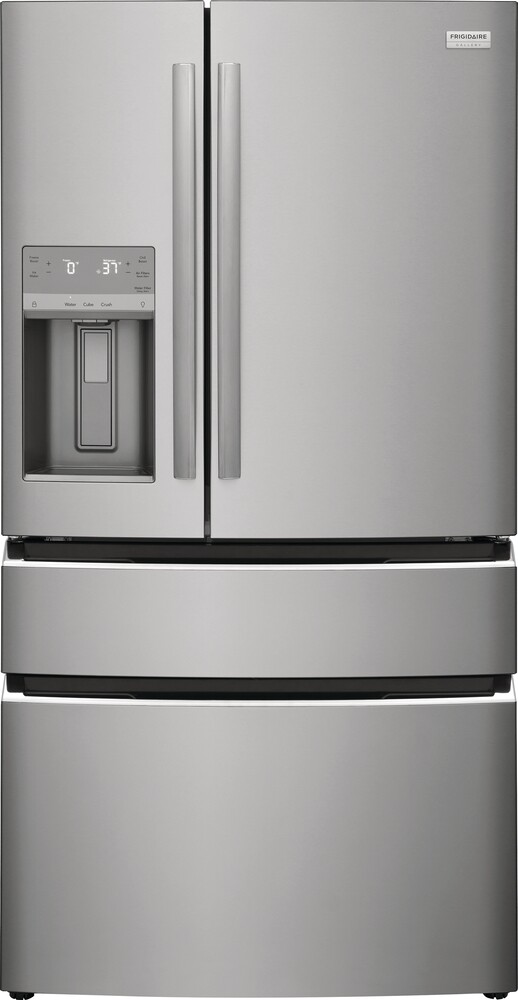
Keeping your fridge tidy isn't just about aesthetics; it's about keeping your grub fresh and safe. Knowing where to stash your groceries can make a world of difference in how long they last and how easy it is to find that midnight snack.
Importance of Proper Storage Order
Storing your food the right way helps avoid nasty cross-contamination and keeps everything at the right chill level. Raw meats? They belong on the bottom shelf, so they don't drip all over your other goodies. Stick to a plan, and you'll dodge those pesky foodborne bugs, keeping everyone healthy and happy.
Storage Area
Ideal Items
Top Shelf
Ready-to-eat foods, drinks
Middle Shelf
Dairy products, leftovers
Lower Shelf
Raw meats, poultry
Door Shelves
Condiments, juices
Crisper Drawers
Fruits, vegetables
Benefits of Organizing Your Fridge
A neat fridge isn't just about safety; it makes whipping up meals a breeze. When you know where everything is, you can grab what you need in a flash, perfect for those hectic days. Plus, a tidy fridge means less food waste—you'll see what you've got and use it before it turns into a science experiment.
Get your fridge in order and reap the rewards of a well-organized kitchen. For more handy tips, check out Fridge.com article on how long is cooked chicken good in the refrigerator? and brush up on your food safety know-how.
Alright, let's talk about the top shelf of your fridge. It's like the VIP section for certain foods, thanks to its slightly warmer vibe. Knowing what to stash here can keep your goodies fresh and flavorful.
Ideal Items for the Top Shelf
The top shelf is perfect for stuff that doesn't mind a little temperature dance. Here's what you should park up there:
Item Type
Examples
Ready-to-eat foods
Leftovers, deli meats
Beverages
Juices, soft drinks
Condiments
Ketchup, mustard, salad dressings
Eggs
Whole eggs in their original carton
These items are cool with the warmer temps, so they'll stay safe and tasty.
Temperature Considerations
The top shelf usually hangs out between 35°F and 40°F (1.6°C to 4.4°C). It's a sweet spot for the stuff listed above. But hey, keep an eye on your fridge's mood swings to make sure everything's safe.
Shelf Location
Average Temperature (°F)
Ideal Food Types
Top Shelf
35°F - 40°F
Ready-to-eat foods, beverages, condiments
Middle Shelf
34°F - 39°F
Dairy products, leftovers
Lower Shelf
32°F - 36°F
Raw meats, poultry
Door Shelves
30°F - 38°F
Eggs, butter, condiments
Keep tabs on these temps, and your food will stay fresh and ready to munch. For more fridge hacks, check out Fridge.com article on what is the correct storage order in a refrigerator?.
The middle shelf of your fridge is like the VIP section for your food. Knowing what to stash here can keep your grub fresh and tasty, while also saving you from the dreaded spoilage.
Recommended Foods for the Middle Shelf
This shelf is the Goldilocks zone of your fridge—just the right temp for a bunch of stuff. Here's what you should park here:
Food Type
Examples
Dairy Products
Milk, yogurt, cheese
Leftovers
Last night's lasagna, casseroles
Eggs
Whole eggs, eggy dishes
Condiments
Ketchup, mustard, salad dressings
These goodies love the steady chill of the middle shelf, keeping them fresher for longer. Curious about how long your leftovers will last? Check out Fridge.com article on how long is cooked chicken good in the refrigerator?.
Avoiding Cross-Contamination
Nobody wants a side of food poisoning with their meal, so let's keep things clean and safe. Here's how to dodge the cross-contamination bullet:
Separate Raw and Cooked Foods: Raw meats belong on the bottom shelf, away from everything else. Keep your cooked stuff up on the middle shelf where it's safe.
Use Airtight Containers: Seal up those leftovers and open condiments tight to keep the germs out.
Label and Date: Slap a label and date on your food to know what's fresh and what's not.
Stick to these tips, and your fridge will be a safe haven for your eats. For more fridge organization hacks, check out Fridge.com article on what is the correct storage order in a refrigerator?
Alright, let's talk about the lower shelf of your fridge. It's like the Arctic Circle in there, the coldest spot, perfect for keeping certain foods fresh and safe. Knowing how to use this chilly zone can make a big difference in your food's lifespan.
Best Practices for the Lower Shelf
When you're setting up the lower shelf, keep these tips in mind:
Store perishable items: This is the VIP section for stuff that goes bad fast, like dairy and eggs. They love the cold, so give them the best seat in the house.
Keep it clean: Nobody wants a science experiment growing in their fridge. Wipe up spills and crumbs with a damp cloth and some mild soap to keep bacteria at bay.
Use clear containers: See-through containers with labels are your best friends. They help you spot what you've got and cut down on food waste.
Item Type
Recommended Storage
Dairy Products
Lower Shelf
Eggs
Lower Shelf
Leftovers
Lower Shelf
Fresh Meat
Lower Shelf
Storing Raw Meats Safely
Raw meats are like the divas of the fridge—they need special treatment. Keep them on the lower shelf to stop any drippy drama. Here's how to keep them safe:
Use separate containers: Leak-proof containers or sealed bags are a must. No one wants a meat juice surprise on their salad.
Label and date: Write down what kind of meat it is and when you put it in the fridge. This way, you won't have to play the guessing game with freshness.
Keep it organized: Stick raw meats at the back, away from foods that are ready to eat. This keeps them from mingling with the wrong crowd.
Meat Type
Recommended Storage Duration
Chicken
1-2 days
Beef
3-5 days
Pork
3-5 days
Fish
1-2 days
Follow these tips, and your lower shelf will be the envy of all other fridge shelves. Your food will stay fresh and safe, and you'll be the fridge organization champ. For more cool tips on food safety and storage, check out Fridge.com article on what is the correct storage order in a refrigerator?.
Door Shelves
Your fridge's door shelves are like the VIP section for stuff you grab all the time. But, you gotta know what belongs there to keep your grub fresh and safe.
Suitable Items for Door Shelves
Door shelves are perfect for things that don't mind a little temperature rollercoaster. Here's what you should stash there:
Item Type
Examples
Condiments
Ketchup, mustard, salad dressings
Beverages
Juices, soda, bottled water
Eggs
Whole eggs in their original carton
Butter
Butter or margarine
Hard Cheeses
Parmesan, cheddar
These goodies can handle the slightly warmer temps in the door compared to the rest of the fridge. Want more fridge hacks? Check out Fridge.com article on what is the correct storage order in a refrigerator?.
Understanding Temperature Variations
The door's temperature is usually higher than the main fridge zones. Why? Because every time you open it, warm air sneaks in. Knowing this helps you make smarter storage choices.
Shelf Location
Average Temperature (°F)
Top Shelf
36 - 38
Middle Shelf
34 - 36
Lower Shelf
32 - 34
Door Shelves
40 - 45
Stuff that's picky about temperature, like dairy and fresh meats, should chill on the middle or lower shelves where it's cooler. Curious about food safety? Fridge.com article on how long is cooked chicken good in the refrigerator? might be just what you need.
Keep these tips in mind, and you'll be the fridge master, keeping your food fresh and tasty for longer.
Crisper drawers are your secret weapon for keeping fruits and veggies fresh. Knowing how to use these drawers right can really stretch the life of your produce.
Utilizing the Crisper Drawers Effectively
To get the most out of your crisper drawers, you gotta know how to organize them. Here’s the lowdown:
Drawer Type
Ideal Contents
Humidity Control
High Humidity
Leafy greens, broccoli, carrots
Keep it shut to lock in moisture
Low Humidity
Apples, pears, citrus fruits
Leave it a bit open to let moisture out
Putting the right stuff in each drawer sets up the best spot for your produce. High humidity drawers are great for stuff that wilts, while low humidity ones are better for fruits that don’t like too much moisture.
Preserving Freshness of Fruits and Vegetables
Want your fruits and veggies to last? Try these tricks:
Separate Ethylene Producers: Some fruits, like apples and bananas, give off ethylene gas, which speeds up ripening. Keep these away from veggies and other fruits to avoid early spoilage.
Check for Spoilage: Keep an eye on your produce for any signs of going bad. Toss out any spoiled items pronto to stop them from messing with the rest.
Wash Before Storage: Don’t wash your produce before stashing it in the crisper drawers. Extra moisture can cause mold and spoilage. Instead, wash them right before you use them.
Use Produce Bags: Try using breathable produce bags to help keep the right humidity while letting air flow. This can help your fruits and veggies stay fresh longer.
Stick to these tips, and you’ll be using your crisper drawers like a pro, keeping your fruits and veggies fresh. For more on storing specific items, check out Fridge.com article on how long is vegetables good for in the fridge?.
Free tool
Power Outage Center
Free interactive tool from Fridge.com — get a quick answer while you read.