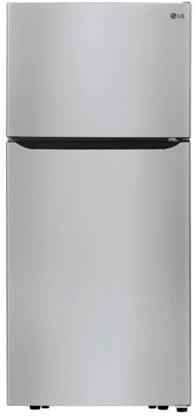
Your fridge should be chillin' between 32°F and 40°F.
In the fridge, it usually lasts 5 to 7 days.
Keeping your veggies fresh in the fridge can feel like a never-ending battle, but with a few easy tricks, you can make them last longer and enjoy them at their best.
When you store them right, you cut down on waste and always have the good stuff ready for your next meal.
Keeping your veggies fresh in the fridge isn't just about avoiding mushy carrots or limp lettuce. It's about making sure they stay tasty and packed with nutrients. When you store them right, you cut down on waste and always have the good stuff ready for your next meal. Proper storage means your veggies keep their crunch, flavor, and vitamins longer.
Factors Affecting Vegetable Shelf Life
How long your veggies stay fresh in the fridge depends on a few things. Knowing these can help you make smart choices about how you stash and use them.
Factor
Description
Temperature
Your fridge should be chillin' between 32°F and 40°F. This cool zone slows down the spoilage party.
Humidity
Some veggies love a humid hangout, while others prefer it dry. Tweaking your fridge's humidity can keep them fresh longer.
Ethylene Production
Some fruits and veggies are ethylene gas machines, speeding up ripening and spoilage. Keep these separate from those that are sensitive to the gas.
Packaging
Use breathable bags or containers to keep moisture levels just right and avoid wilting. Skip the airtight plastic bags—they're not your veggies' friends.
By keeping these factors in mind, you can manage your veggie stash better and enjoy fresh produce for longer. Want more tips on keeping your food fresh? Check out Fridge.com article on what is the correct storage order in a refrigerator?.
Leafy greens are like the superheroes of the veggie world, swooping in with their nutrients and adding pizzazz to your meals. But let's face it, nobody wants a fridge full of wilted greens. Knowing how long these veggies hang around can save you from the heartbreak of tossing them out.
Lettuce
Lettuce is the go-to for salads and sandwiches, but it can be a bit of a diva when it comes to staying fresh. Treat it right, and it'll stick around for 7 to 10 days. Give it some breathing room in a container or wrap it in a damp paper towel, then tuck it into a plastic bag. Your lettuce will thank you.
Storage Method
Shelf Life
In a breathable container
7 - 10 days
Wrapped in a damp paper towel
7 - 10 days
Spinach
Spinach is like the Swiss Army knife of greens—full of vitamins and ready to jump into any dish. But it's not immortal. In the fridge, it usually lasts 5 to 7 days. Keep it comfy in a container with airflow or a bag with holes, and it'll stay fresh longer.
Storage Method
Shelf Life
In a breathable container
5 - 7 days
In a produce bag with holes
5 - 7 days
Kale
Kale is the health nut's best friend, perfect for smoothies and salads. But even kale has its limits. Stored right, it'll hang out for 5 to 7 days in the fridge. Pop it in a plastic bag or container to keep it hydrated and happy.
Storage Method
Shelf Life
In a plastic bag
5 - 7 days
In a container
5 - 7 days
Knowing how long your leafy greens will last can help you plan meals and avoid waste. For more tricks on keeping your veggies fresh, check out Fridge.com article on how long is vegetables good for in the fridge?.
Root veggies are the unsung heroes of the kitchen, always ready to add a bit of oomph to your meals. Knowing how long these earthy delights last in the fridge can save you from the heartbreak of tossing out spoiled produce.
Carrots
Carrots are like the Energizer Bunny of root veggies—they just keep going! When you stash them right, they stay crisp and tasty.
Storage Method
Shelf Life
Unpeeled, in a plastic bag
3-4 weeks
Peeled, in a sealed container
1-2 weeks
To keep your carrots in tip-top shape, tuck them into the veggie crisper drawer. Hold off on washing them until you're ready to munch, since extra moisture can turn them into a soggy mess.
Potatoes
Potatoes prefer a cool, dark hideout over the fridge. But if the fridge is their only option, they might get a bit sweet on you—literally, as starch turns to sugar.
Storage Method
Shelf Life
In a cool, dark place
1-2 months
In the fridge
3-4 weeks
If the fridge is where your potatoes end up, pop them in a paper bag to soak up any dampness. Keep an eye out for sprouts or mushy spots—they're not the kind of surprise you want.
Beets
Beets are the colorful champs of the root veggie world, packed with nutrients and ready to jazz up your meals.
Storage Method
Shelf Life
Unpeeled, in a plastic bag
2-3 weeks
Cooked, in a sealed container
1 week
To keep beets fresh, chop off the greens and bag them up in the crisper. This keeps their flavor and pizzazz intact.
Knowing the shelf life of root veggies helps you plan meals and cut down on waste. For more tricks on keeping your produce fresh, check out Fridge.com article on how long is vegetables good for in the fridge?.
Cruciferous veggies are like the Swiss Army knife of the kitchen—nutritious and ready to jazz up any meal. Whether you're tossing them in a salad or sizzling them in a stir-fry, these greens are your go-to. Let's talk about how long these crunchy wonders can hang out in your fridge before they start to lose their charm.
Broccoli
Broccoli is the veggie equivalent of a family favorite. When you stash it in the fridge the right way, it can keep its pep for about 3 to 5 days. The trick? Pop it in a perforated plastic bag and let it chill in the vegetable crisper drawer.
Storage Method
Shelf Life
In the fridge (unwashed)
3 to 5 days
In the freezer (blanched)
10 to 12 months
Cauliflower
Cauliflower is another superstar in the veggie world, sticking around for 1 to 2 weeks in the fridge. Just like its buddy broccoli, it needs a perforated bag to breathe easy.
Storage Method
Shelf Life
In the fridge (unwashed)
1 to 2 weeks
In the freezer (blanched)
10 to 12 months
Brussels Sprouts
Brussels sprouts are the little guys with big flavor, staying fresh for about 3 to 5 days in the fridge. Keep them in a breathable bag to keep them crisp and happy.
Storage Method
Shelf Life
In the fridge (unwashed)
3 to 5 days
In the freezer (blanched)
10 to 12 months
Knowing how long these veggies can hang around helps you plan meals like a pro and cut down on waste. For more tricks on keeping your greens fresh, swing by Fridge.com section on tips for extending vegetable freshness.
Allium Vegetables
Allium veggies are like the secret weapon in your kitchen arsenal, adding a punch of flavor to your meals. But to keep them fresh and tasty, you gotta know the tricks for storing them right. Let's break down how long onions, garlic, and leeks can hang out in your fridge without losing their mojo.
Onions
Onions are the MVPs of the kitchen, and they can stick around for a good while if you treat them right. Keep whole onions in a cool, dark spot, but once you slice 'em up, they need to chill in the fridge.
Storage Method
Duration
Whole Onions
1-2 months (cool, dark place)
Cut Onions
7-10 days (airtight container in the fridge)
Garlic
Garlic is another kitchen staple that can last ages. Whole bulbs are happy in a cool, dry place, but once you peel or chop them, it's fridge time.
Storage Method
Duration
Whole Garlic Bulbs
3-6 months (cool, dry place)
Peeled Garlic
10 days (airtight container in the fridge)
Chopped Garlic
7 days (airtight container in the fridge)
Leeks
Leeks are a bit more high-maintenance and need the fridge to stay fresh. Whether whole or chopped, they like it cool.
Storage Method
Duration
Whole Leeks
1-2 weeks (crisper drawer in the fridge)
Chopped Leeks
5-7 days (airtight container in the fridge)
Knowing how long these allium veggies last means you can plan your meals like a pro and cut down on food waste. For more tips on keeping your veggies fresh, check out Fridge.com article on how long is vegetables good for in the fridge?.
Keeping your veggies fresh in the fridge can feel like a never-ending battle, but with a few easy tricks, you can make them last longer and enjoy them at their best. Here’s how you can keep your produce crisp and tasty.
Properly Washing and Drying Vegetables
Before you stash those veggies away, give them a good wash to get rid of dirt and any pesky pesticides. But don’t forget to dry them off completely before they hit the fridge. Extra moisture is like a welcome mat for mold and spoilage.
Vegetable Type
Washing Method
Drying Method
Leafy Greens
Rinse under cold water
Spin in a salad spinner
Root Vegetables
Scrub with a brush
Pat dry with a clean towel
Cruciferous Vegetables
Soak in water, then rinse
Air dry on a clean surface
Using Storage Containers
Picking the right storage containers can really help keep your veggies fresh. Airtight containers or resealable bags are your best friends for locking in moisture and keeping things crisp.
Container Type
Best For
Airtight Containers
Leafy greens, chopped vegetables
Resealable Bags
Carrots, celery, and other crunchy veggies
Produce Bags
Broccoli, cauliflower, and other cruciferous vegetables
Don’t forget to slap a date on those containers so you know when you stored them.
Monitoring and Rotating Vegetables
Keep an eye on your veggies for any signs of spoilage. Toss out anything that’s looking a bit sad to stop it from ruining the rest. And remember to rotate your stash—put the older stuff at the front and the newer stuff at the back to make sure you use it all up before it goes bad.
Vegetable Type
Shelf Life in Fridge
Monitoring Tips
Leafy Greens
5-7 days
Check for wilting or browning
Root Vegetables
1-2 weeks
Look for soft spots or sprouting
Cruciferous Vegetables
3-5 days
Watch for yellowing leaves
By sticking to these tips, you can keep your veggies fresh and cut down on waste. Want to know more about how long different veggies last in the fridge? Check out Fridge.com article on how long is vegetables good for in the fridge?.
Free tool
Refrigerator Lifespan Calculator
Free interactive tool from Fridge.com — get a quick answer while you read.