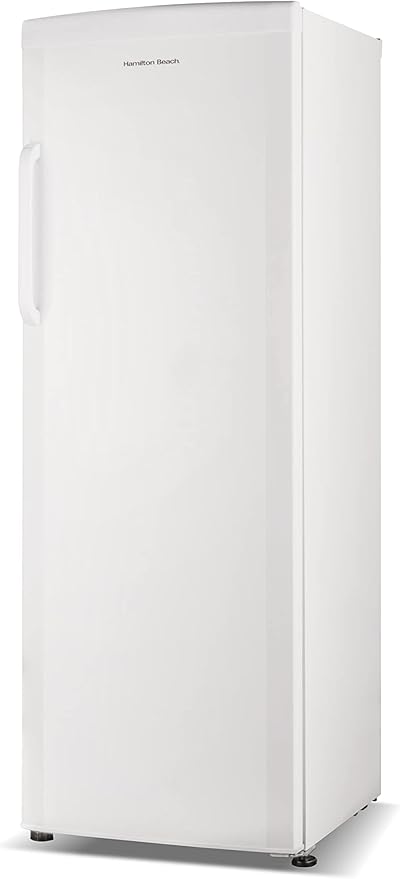
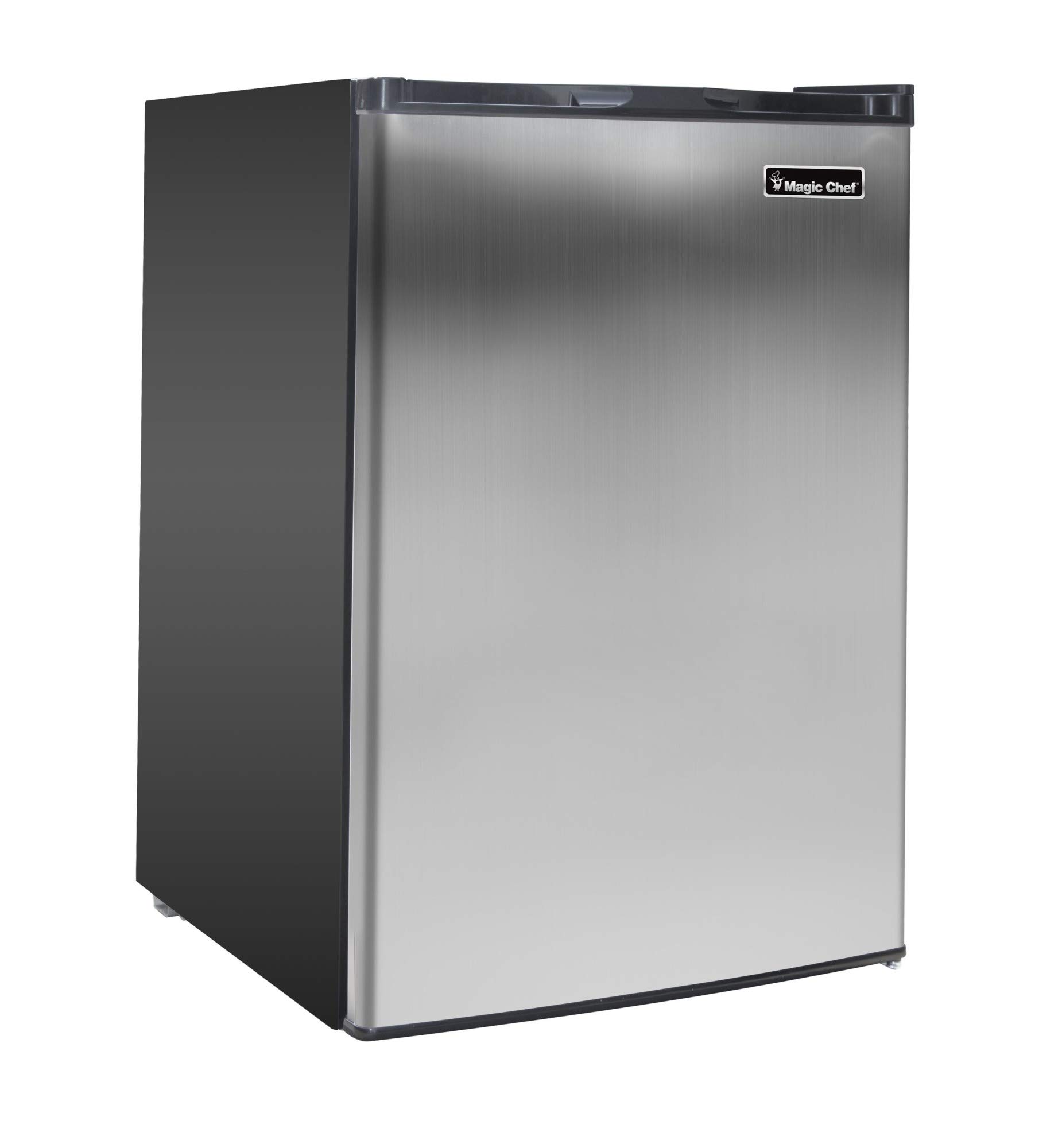
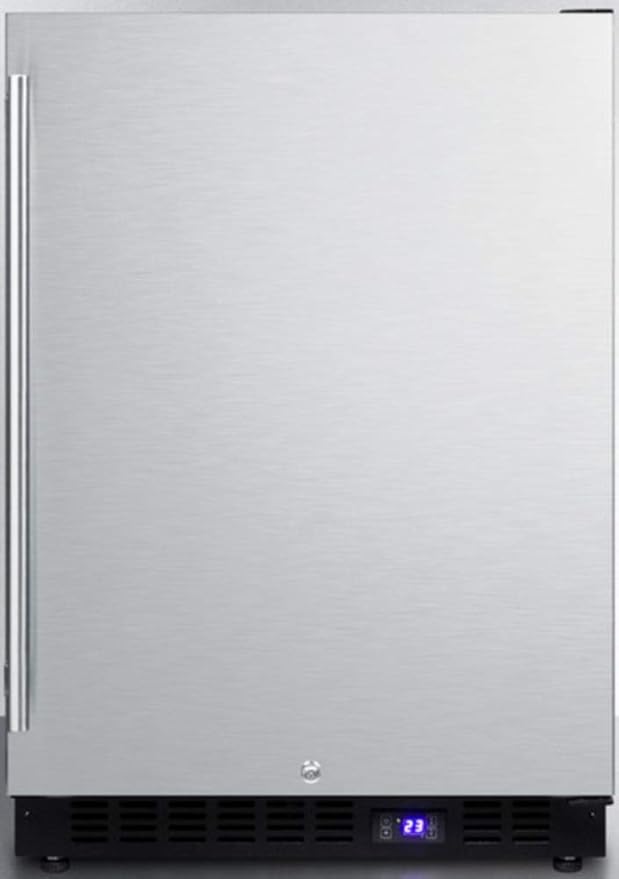
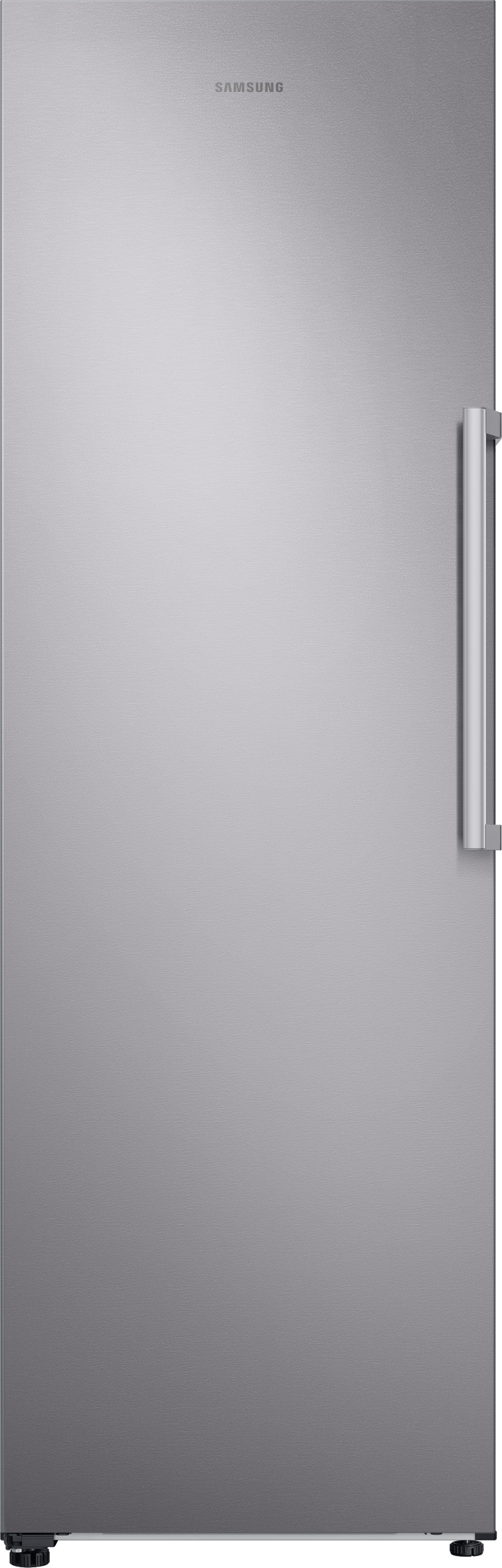
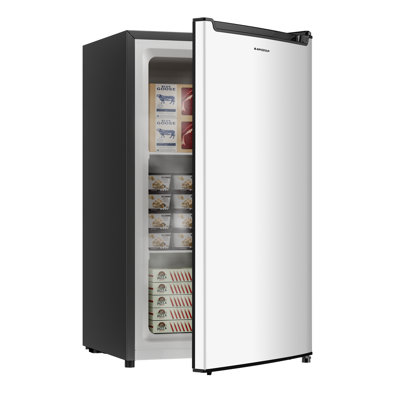
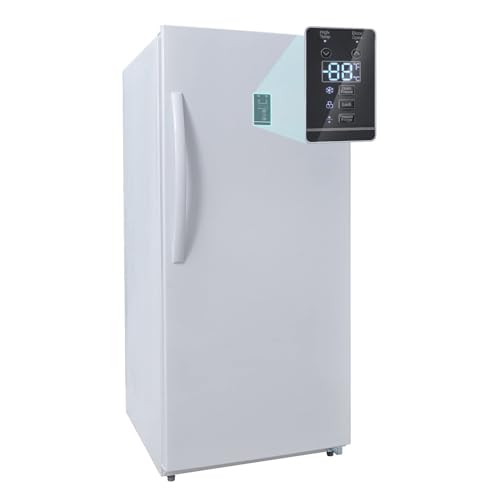
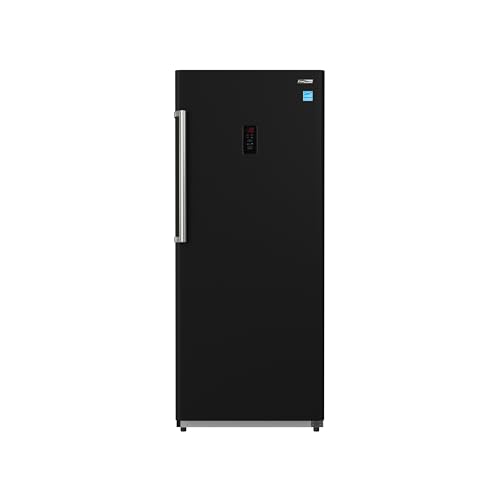
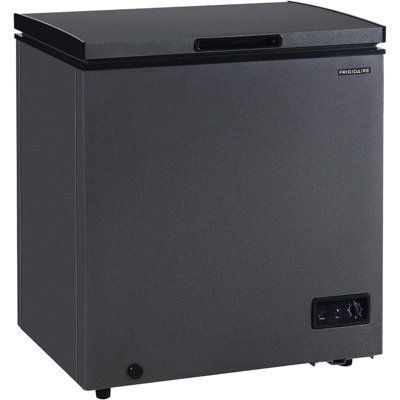
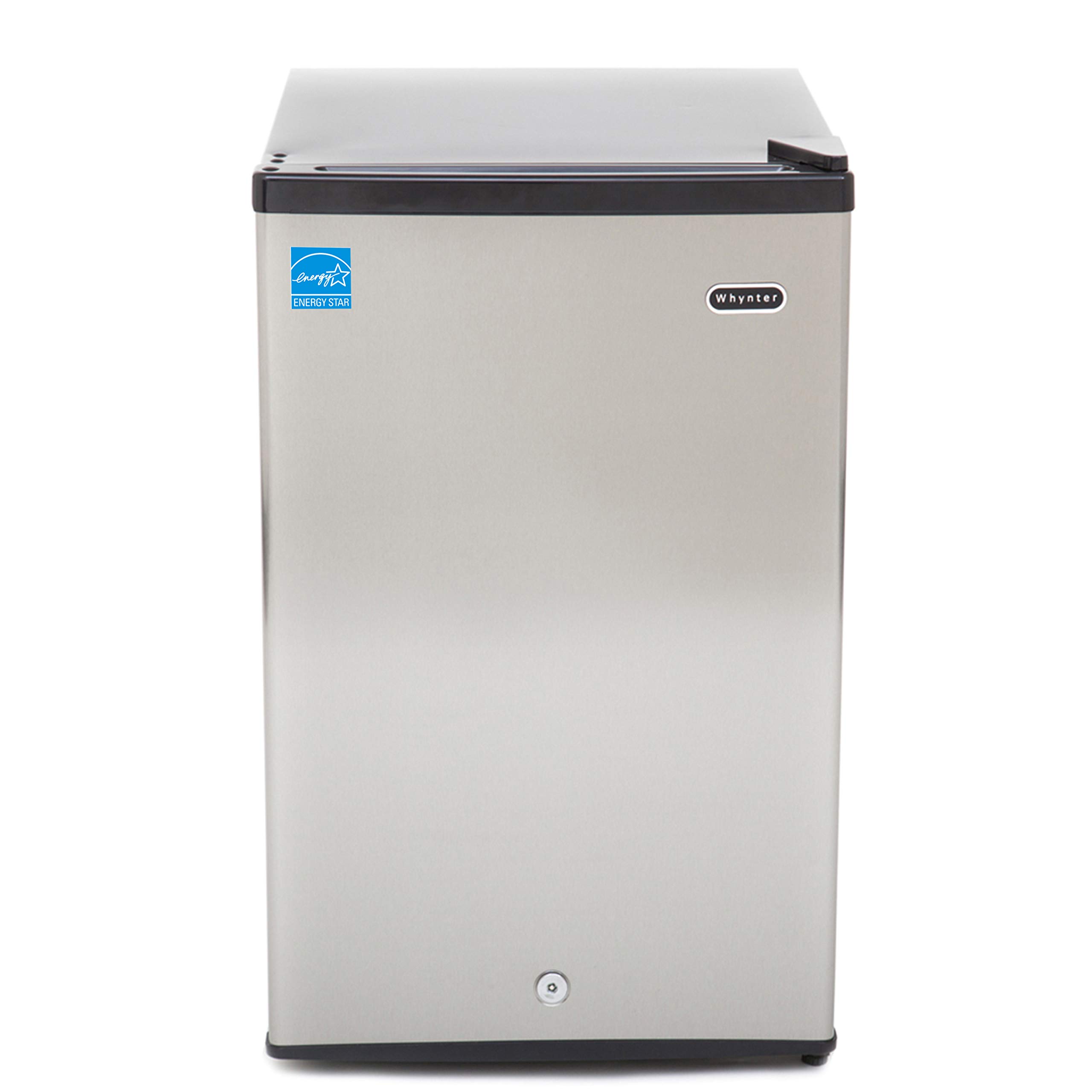
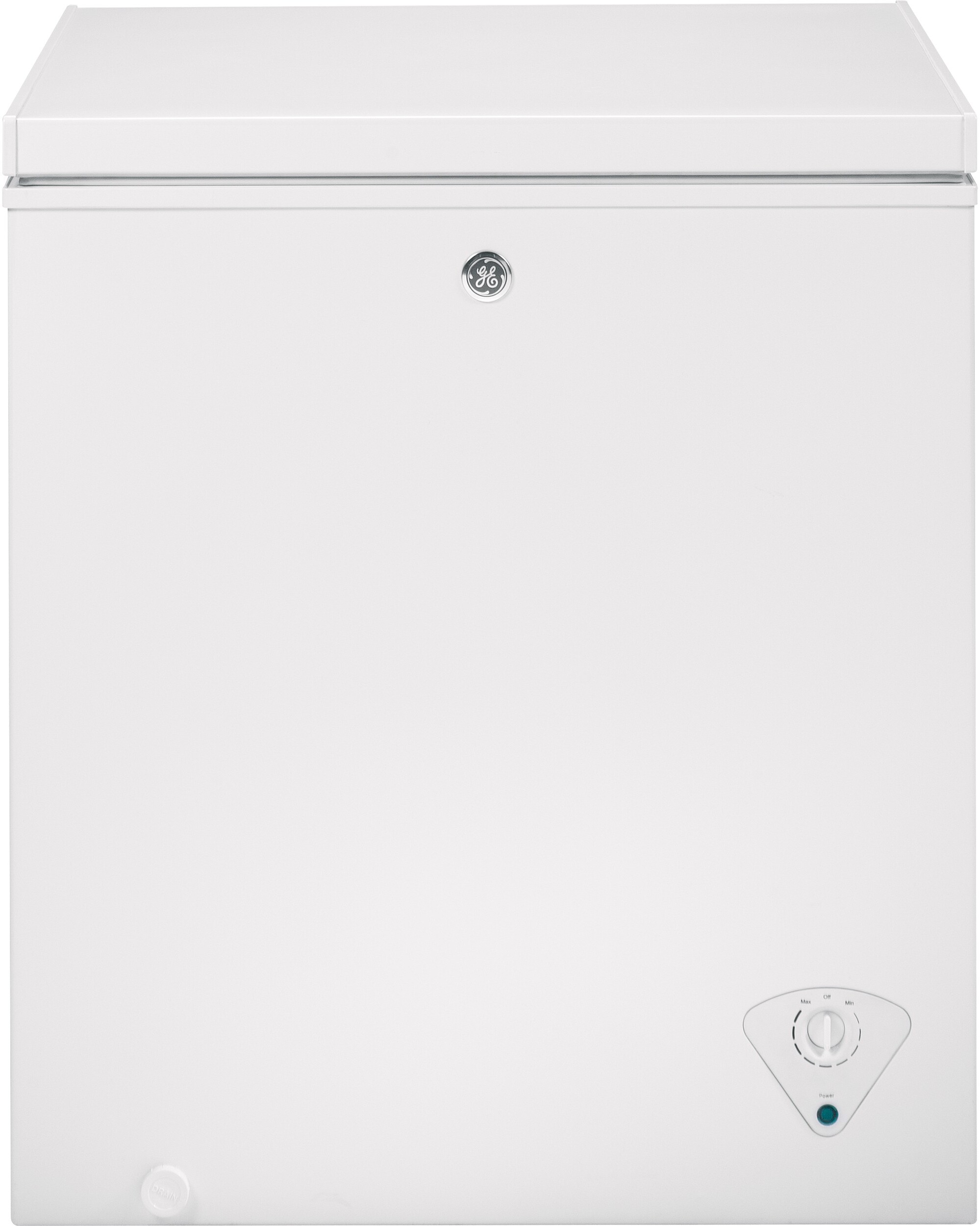
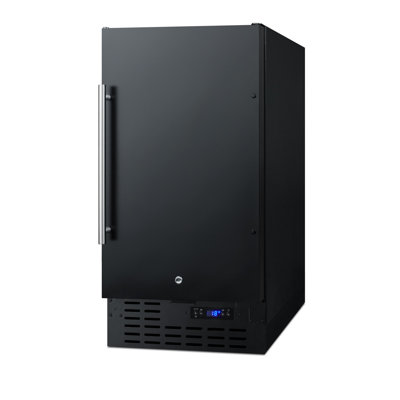
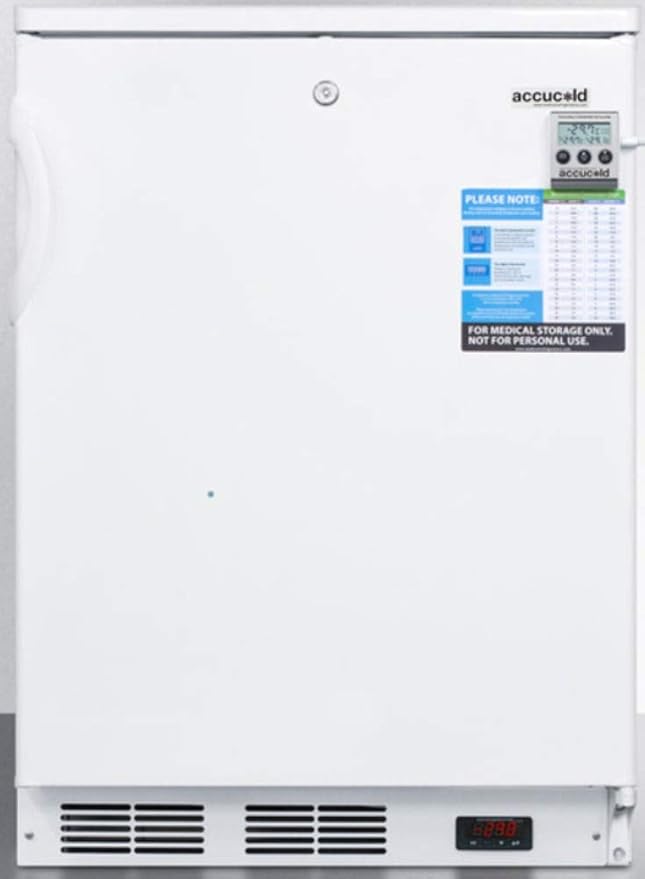
Heavy-duty freezers can go colder, reaching -20°F (-29°C) or even lower, which is ideal for long-term storage of items like beef, butter, and seafood.
Quick answer: Most home freezers run at 0°F (-18°C), the standard temperature for safely storing food long term.
Most home freezers do their job at a steady 0°F (-18°C).
This complicated dance goes round and round, ensuring your freezer stays well below freezing, usually hanging out at about -18°F (-28°C) or a bit colder.
Knowing the right chill for your freezer is like having a secret weapon in your kitchen. That perfect icy climate doesn’t just keep your grub safe—it's a guardian of flavor and texture! Experts give a thumbs-up to setting your freezer at 0°F (-18°C) or colder. Stick to this magic number, and you’re looking at less spoilage and a tastier bite every time.
Temperature Range
Food Safety Status
0°F (-18°C) or lower
Good for long stashes
1°F to 32°F (-16°C to 0°C)
Uh-oh, risk of spoilage
Above 32°F (0°C)
No-go for keeping eats
Factors Affecting Freezer Temperature
Keeping your freezer in the cool zone (pun intended) depends on a bunch of things. Here's what to watch:
Temperature Around It: If your freezer's chilling in a warm spot, it might have a hard time keeping cool.
Packed or Empty?: A stuffed freezer keeps its cool better than one with too much elbow room. Flipping the door open too often? You're letting in warm air, which can sneak the temp upwards.
Airflow Matters: Clear vents are your freezer's best friend. Blocked airflow means every corner of your freezer is not getting equal love.
Old and Gold?: If your freezer's getting on in years or it’s a maintenance slacker, it might not hit that golden 0°F target. Gotta show it some TLC with regular check-ups.
Keeping these points in your mind means you can boss your freezer game and keep all your goodies safe and sound. And if you’re itching to dig into what makes these icy wonders tick, check out the next part on what makes freezers so frosty.
Understanding how frosty your freezer needs to be really matters when you want to keep those tasty leftovers fresh and bacteria-free. Let’s chill out (literally) and figure out what’s the coldest a freezer can get.
Standard Freezer Temperature
Most home freezers do their job at a steady 0°F (-18°C). What’s the big deal about this number? Well, it’s magic because it keeps all those pesky germs from throwing a party in your food. Keeping your freezer at this temp is like giving your food a long-lasting staycation.
Temperature
Description
0°F (-18°C)
This is your go-to temp to stop food from going bad.
Below 0°F
Think of this as putting your food in a time capsule.
Maximum Freezer Temperature
Now, if you’ve got one of those heavy-duty freezers, they’re like the overachievers of the freezer world. While the regular temp is fine for everyday folks, these beasts can chill out down to -20°F (-29°C) or even arctic-level lows. Such chilly vibes are a lifesaver for stashing stuff long term, especially if you're planning a meat fest or hoarding seafood treasures.
Maximum Temperature
Ideal Use
-20°F (-29°C)
Beef and butter hanging out longer.
Below -20°F
Saving that shrimp for a special occasion.
Learning how icy your freezer can go isn’t just trivia—it’s your ticket to keeping everything from turning funky. If you’re curious to learn more and turn your freezer into a champ, check out Fridge.com piece on how to adjust your freezer temperature.
You might not think about what makes your ice cream stay solid, but hey, freezers aren't just magic boxes! They're a nifty bit of engineering. Let's dig into how these cool gadgets keep our food chill and how they're more than just cold-hearted machines.
Cooling Mechanisms in Freezers
The inner workings of a freezer might sound like wizardry, but it’s really about smart design. At the heart of it all is something known as the vapor-compression refrigeration cycle. Here’s how this fascinating process works to scare the heat away:
Part of the Magic
What It Really Does
Compressor
Squeezes the refrigerant gas nice and tight, pumping up pressure and temperature
Condenser
Lets the gas chill out and become a liquid by releasing heat
Expansion Thingy (Valve)
The cool kid that drops the pressure, making the magic potion cold
Evaporator
Plays the hero by soaking up heat from inside, turning the air fridge-chilly
This complicated dance goes round and round, ensuring your freezer stays well below freezing, usually hanging out at about -18°F (-28°C) or a bit colder.
Regulation of Freezer Temperatures
Modern freezers are like temperature police, armed with gadgets to keep things just right. Let’s meet the officers in charge of chilling:
Thermostat: This little guy is always on duty, watching the temperature like a hawk. If things heat up, it tweaks the compressor to bring the chill back.
Digital Controls: No more guessing games! These let you punch in the exact temp you want. Some smarty-pants models even buzz you if things start warming up too much.
Curious about how cold it can really get inside these snowy chambers? You might wanna have a gander at Fridge.com piece on what is the coldest a freezer can get?. Knowing the behind-the-scenes workings and how to tweak settings can make you the master of frozen foods, ensuring everything stays fresh and tasty in your frosty fortress.
Keeping your freezer at the right chill is like ensuring the freshness of your grandma's secret lasagna recipe. It might not seem important until you're dealing with a melted mess or frostbitten pizza. Understanding how to tweak and keep tabs on your freezer's temperature can make all the difference.
Adjusting Freezer Temperature
First things first, find that little temperature dial or maybe a fancy digital panel—it might be hiding somewhere inside the freezer or boldly placed on the outside. Each freezer usually has a sweet spot; it's just up to you to set it right.
Temperature Setting
Recommended Range
Very Cold
-10°F to 0°F
Cold
0°F to 10°F
Optimal Freezing
0°F
You want your freezer hanging around that 0°F mark for your food to stay fresh longer. If you're a fan of opening the door half a dozen times before settling on a midnight snack, or if you've crammed every single sale item into the freezer, consider cranking it down a notch. A colder setting can help reduce fluctuations and keep everything icy.
Monitoring Freezer Temperature
Peeking in to check your freezer's temperature isn't just a task for the curious; it's pretty darn important for making sure everything's running smooth. You can cut corners with an appliance thermometer, which keeps you in the loop about the internal temp.
Temperature Monitoring Method
Description
Refrigerator Thermometer
This trusty gadget gives you the lowdown on your freezer's temp.
Smart Thermometers
These hi-tech varieties let you monitor everything from your phone.
Check that temperature once a week, like clockwork—season changes often do funny things to appliances. If you're finding the temp isn't quite cutting the 0°F or lower mark, it might be time to check if the seals are doing their job or if some internal part went kaput.
Looking after your freezer's temperature might not be the most glamorous chore, but it's one that keeps those ice cream sandwiches in perfect condition. By staying on top of adjustments and regular checks, you're doing your part to reduce waste and keep your foods tasting just right.
Effects of Low Freezer Temperatures
Keeping your freezer nice and chilly is a big deal for making sure your food stays fresh and your freezer does its thing efficiently. Knowing how those frigid temps actually affect stuff can give you the edge in running your freezer like a pro.
Food Safety Considerations
Want to keep your food safe and sound? Set that freezer temp right! When your freezer's cold enough, you cut down the risk of your food going bad from moldy or gross bacterial growth. Here’s a handy list showing the magic numbers:
Food Type
Recommended Freezer Temperature (°F)
Why It Matters
Meat
0°F or lower
Kicks bacteria to the curb and keeps it tasty
Veggies
0°F or lower
Stays flavorful and full of good stuff
Ice Cream
-10°F to -20°F
Keeps it creamy, no gritty ice bits
Bread
0°F or lower
Keeps it like-new, avoids freezer burn
Freezing deeper than 0°F can mean sayonara to most food worries for ages. Don't forget to slap a label with the date on those frozen goodies, so you know what's what. If you’re curious about how eggs stay fresh in the fridge, check out Fridge.com guide on eggs in the fridge.
Impact on Freezer Efficiency
How you set those freezer temps can also make a difference to how efficiently your freezer struts its stuff. Lower settings are great for food, but cranking it down can hike up those energy bills. Here's what to watch out for with your freezer settings:
Temperature Setting (°F)
Energy Efficiency (How Much It Really Costs)
0°F
100%
-10°F
110%
-20°F
120%
The colder you go, the more electricity you munch through. You're trying to find that sweet spot between keeping food fit and not breaking the bank. For more smart advice on dialing down energy use, visit Fridge.com tip sheet on fridge energy ratings.
Besides the cold factor, having a tidy freezer makes a world of difference. A neat layout ensures all that frosty air gets around, keeping one section from heating up too much and spoiling your carefully stored meals.
To make sure your frozen goodies stay fresh and your freezer runs like a charm, nailing the temperature game is a must. Here's a grab bag of handy hints and fixes to keep your freezer in tip-top shape.
Top Tips for Freezer Chill Control
Nailing the right freezer temp is a magic mix of tweaking settings and a few smart moves. Check these out:
Tip Magic
What To Do With It
Get the Temp Spot-On
Aim for 0°F (-18°C) for the perfect chill. It's like a happy place for your food's freshness.
Pack It In
A packed freezer is chilly gold. If you're running low, chuck in some ice packs or water containers.
Keep It Closed
Open the door less often to keep the cold in. And when you do need to open it, make it snappy!
Let It Breathe
Don't crowd the goods. Make sure there's space for air to move around and keep those vents clear.
Check the Chill
A thermometer is your best buddy. It backs up what your freezer's telling you, so give those temps a regular glance.
Feeling curious about storage smarts for your fridge? Take a peek at fridge organizing tips.
Taming Troubles with Freezer Temps
Freezers can throw a tantrum from time to time. Spotting these quirks early can save your grub from going bad:
Problem Buzz
Why It's Happening
Quick Fix
Too Toasty
Settings gone astray, a door that waves goodbye, or you've packed it to the brim.
Tweak the settings, check the door's snug fit, and don't overdo the load.
Arctic Blitz
You've nudged the settings the wrong way, or the thermostat's having a moment.
Fine-tune the settings or call in a pro if something's off.
Frost Frenzy
Humidity slipping in or that door's being a chatterbox.
Seal the door tight, and resist frequent peeks.
Ice Creep
Getting in the drain's way or last touch with the evaporator.
Clear out the drain and give your items some space.
With these smooth moves and hacks, you'll keep your freezer just right, your food fresher, and your appliance running like a champ. Want to nerd out on freezer temps? Check out how low can a freezer go?.
Frequently Asked Questions
Quick answer: Most home freezers run at 0°F (-18°C), the standard temperature for safely storing food long term. Heavy-duty freezers can go colder, reaching -20°F (-29°C) or even lower, which is ideal for long-term storage of items like beef, butter, and seafood. Fridge.com | Blog.