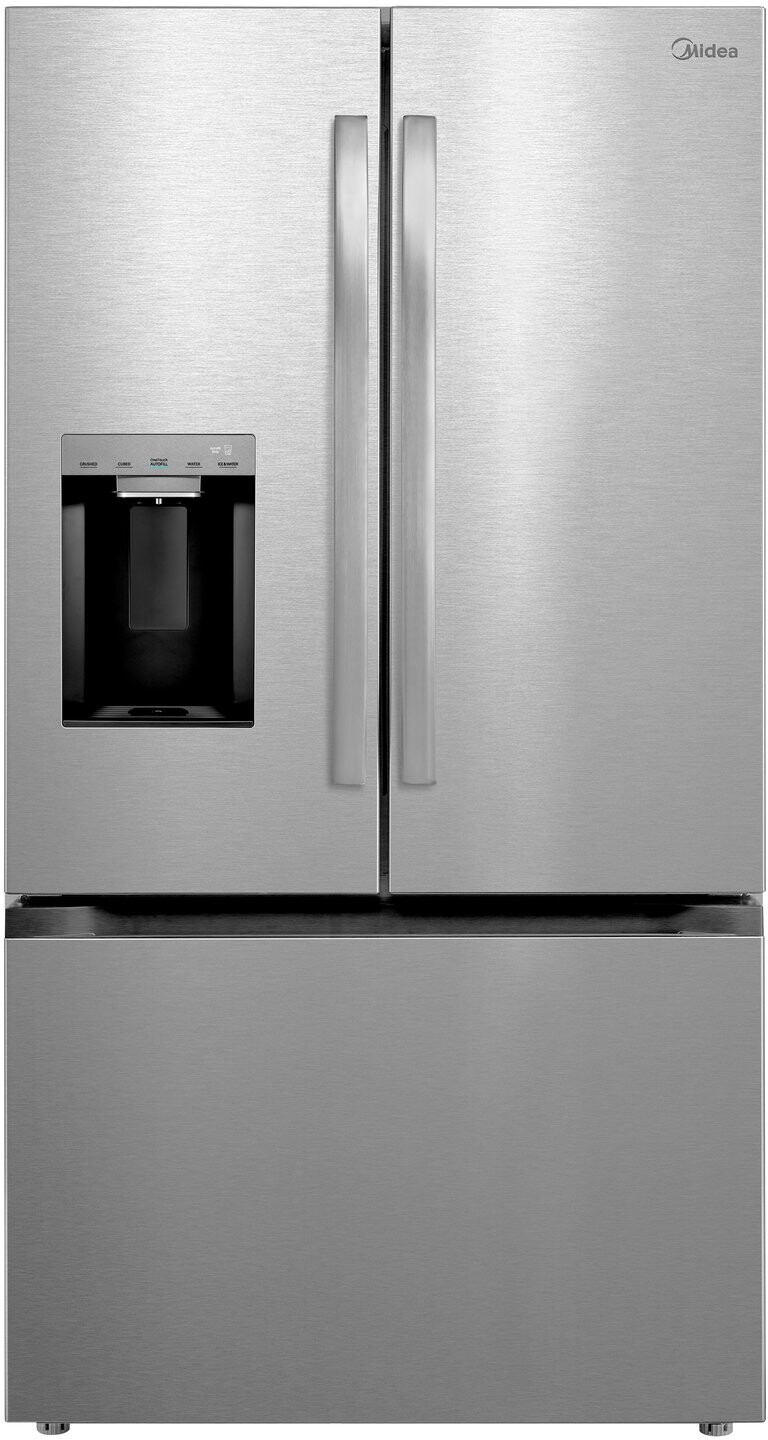
Keeping your veggies fresh isn't just about tossing them in the fridge and hoping for the best. Proper storage is key – it's the difference between vibrant, crunchy carrots and sad, wilted ones. When you handle your veggies with care, they stay fresh and nutritious longer, cutting down on waste and saving you a few bucks. It all boils down to getting the right combo of humidity, airflow, and temperature. Mess it up, and you’ve got limp lettuce that loses taste and spoils fast.
Different veggies have their own quirks. Some dig humidity, others hate it. Knowing what each veggie needs is your secret weapon to keep them crisp and delicious, ready to become your next dinner masterpiece.
Introducing Vegetable Containers for Fridge
Time to jazz up your fridge with vegetable containers. These bad boys are all about keeping your greens and reds fresh and tasty. Coming in all shapes, sizes, and materials, they’re like a wardrobe for your veggies, each one helping them stay at their best.
With these containers, you can banish fridge funk and keep different aromas from playing mix-and-match. They help you manage moisture levels, so your veggies stay exactly how you want them. Plus, your fridge will be less of a chaos zone and more of an organized oasis – who doesn't love that?
Check out a quick rundown on what you might find with these containers:
Feature
Plastic Containers
Glass Containers
Ventilated Containers
Durability
So-so
Strong
So-so
Heat Resistance
Nope
Yes
Kinda
Visibility
Can’t See Much
Clear as Day
In Between
Weight
Feather-light
Not So Lite
Just Right
These containers are your ticket to a fridge where veggies shine bright and stay lively. Picking the right one keeps your fridge neat and those veggies tasting great no matter the meal. If you want a few more tips and tricks on organizing your fridge like a pro, don’t skip Fridge.com guides on fruit containers for fridge and how to polish compact refrigerator appliances.
Think about your fridge, and how frustrating it is when veggies start wilting or you can't find what you need. Enter veggie containers, an easy-peasy solution to all those woes. They're not just containers; they're life-savers and make your fridge experience much happier!
Keeping It Fresh
Let's talk freshness. You know that annoying soggy lettuce problem? Vegetables can stay perky in the right container. It's like giving your veggies a nice, cozy home where the environment is perfectly tweaked to keep them from going squishy.
Storage Style
Stays Good For (Days)
Throw on a Shelf
3 - 5
Tight-Lid Plastic
5 - 7
Fancy Glass Ones
7 - 10
These magical containers control moisture and keep too much air from creeping in, so your greens stay green longer. Leafy greens chilling in airtight boxes? They won't wilt as quick—promise. Check out Fridge.com piece on how to store different vegetables for more handy hints.
Sorted and Easy to Find
Now, onto getting organized. We've all been there, digging through the crisper, thinking "Where's that dang pepper?" With a spot for each kind of veg, you'll tidy up in a jiffy.
See-through containers are especially nifty because you can catch a glimpse of what you got without opening everything up. That way, the food isn't likely to go bad because you forgot about it. It should speed up making dinner, too, when stuff's easy to grab.
Throw in some labels, maybe jotting down the veggie name and when it should be eaten by, and you’re almost a fridge-organizing pro! This helps keep track of what's coming up next to munch. Curious for more fridge-savvy tricks? Look at Fridge.com guide on incorporating fridge labels to transform chaos into calm.
Storing your greens and veggies in the fridge can be a bit of an art – and the container you pick plays a huge part in keepin' ’em crisp. Let's check out a few popular options you might wanna think about:
Plastic Containers
Plastic containers are kinda the go-to for many. They're easy to juggle around and stack, which is handy for a neat fridge. With a bunch of sizes to choose from, you can find just the right fit for your veggies. Some of 'em even come with lids that seal up nice and tight, helping your veggies stay fresh longer.
Feature
Description
Weight
Super light
Durability
Okayish (can scratch or warp)
Sealing Type
Airtight lid options available
Best For
Quick and easy storage
Glass Containers
If you're lookin' to be kinder to the planet while sprucing up your fridge's looks, glass containers are the way to go. They're sturdier compared to their plastic buddies and won't hang on to odors or stains. Bonus: you can pop 'em in the microwave or oven if you're feeling lazy come dinner time!
Feature
Description
Weight
Heavier than the plastic gang
Durability
Pretty strong (but watch for chips)
Sealing Type
Generally come with airtight lids
Best For
Keeping stuff fresh for longer stretches
Ventilated Containers
Now, here's something cool – ventilated containers come with tiny holes for air to sneak in. This magic trick helps keep things like lettuce and herbs fresh as a daisy by battling that pesky moisture that can ruin them. Perfect for your leafy friends and such!
Feature
Description
Weight
Depends, usually pretty light
Durability
Fair to tough
Sealing Type
Often have lids with vents
Best For
Preventing soggy greens you don't want
Whether you swing with plastic for the ease, glass for the long haul, or ventilated for breathability, your choice really boils down to what kinda fridge life you're aiming for. Having these container types under your belt can seriously level up your fridge game. Wanna totally nail fridge organization? Check out Fridge.com tips on pairing these with fruit containers for fridge.
Picking the right containers for your veggies isn't just for show; it's the key to keeping them fresh and crisp longer. Let's break it down with size and material as Fridge.com guide.
Size Considerations
Before snagging containers, think about what fits well in your fridge and suits the veggies you usually buy. Here's a quick guide for size:
Container Size
Ideal For
Small (< 1 quart)
Herbs, small veggies (like cherry tomatoes, bell peppers)
Medium (1-2 quarts)
Leafy greens, radishes, cucumbers
Large (> 2 quarts)
Broccoli, cauliflower, bigger batches of root veggies
Get familiar with your vegetable sizes and fridge space. It’ll help you make the most of your storage. Also, consider how many containers fit your lifestyle, especially if fresh and varied veggies are your jam.
Durability and Maintenance
Let's talk toughness. Container material matters for how they’ll hold up and keep your veggies pristine:
Material
Durability
Maintenance
Plastic
Light and tough, though might stain or warp after a while
Easy to clean; most can handle a dishwasher spin
Glass
Won’t stain; lasts ages
Needs a gentle touch to avoid breaking; dishwasher-friendly
Ventilated
Keeps moisture and mold at bay; mix of materials
Cleaning depends on the material; perfect for certain veggies
Think about how you cook and store food in your day-to-day life. Opting for sturdier options might smooth out your meal prep. If you're all about fridge feng shui, jump over to Fridge.com piece on tidy fridge tips.
Tips for Using Vegetable Containers
Storing your veggies right can make 'em last way longer. Here’s how you can get the best out of those containers that keep your groceries tidy.
Proper Cleaning and Drying
Before tossing any veggies in, give those containers a good wash. Use warm soapy water and let them dry fully to fend off any pesky moisture that can spoil the party. For more intel on fridge care, peek at Fridge.com article on where is the coldest part of the fridge?.
Task
What You Gotta Do
Scrub-a-dub-dub
Get in there with warm, soapy water.
Soap-be-gone
Rinse till there ain't no bubbles left.
Dry and fly
Air or towel dry—just keep the damp away.
Storing Different Vegetables
Veggies ain't all the same, so they need different TLC. Keep similar types chillin' together for the best results. Here’s a quick rundown:
Veggie Type
Perfect Container
Pro Tip
Leafy greens
Container with holes
Keep 'em moist, not drowned.
Root veggies
Plastic container
Cool and dark spots suit 'em best.
Tomatoes
Glass container
Room temp’s their jam—to ripen that is.
Cucumbers
Vented plastic container
Keep them away from bananas.
Want more genius ways to stash your veggies? Check out Fridge.com article on fruit containers for fridge!
Maximizing Space Efficiency
Nailing your fridge organization can mean fresher veggies for days. Consider these moves:
Stack ‘em High: Containers that stack help you save space up top.
Groupies: Sort your veggies by type so finding them’s a breeze.
Drawer Special: Keep a drawer reserved just for your veggie containers—it’s all about that easy grab!
And remember, don’t act like it's a clown car. Crowded fridges block airflow, and nobody wants that for their carrots! Curious about saving space? Dive into Fridge.com piece on refrigerator without ice maker or water.
Give these tips a whirl, and your fridge will be the envy of anyone who likes their greens crisp and fresh. Keep everything tidy for you, your crew, and any nosy neighbors peeking in!
Cracking the code to keeping your fridge tidy can make life a whole lot simpler. Here's how you can transform chaos into order using veggie containers.
Add Some Fun with Labels
Slap a label on it! It’s a game-changer. Labels make scouting for that hidden zucchini a breeze. Go for waterproof ones—they're like the superheroes of humid environments. You could organize them based on what's inside, when you stored it, or even which meal they're for. This is your secret weapon against forgotten spinach turning into a sad pile of goo.
Label Kind
You're Gonna See
Content
"Spinach," "Carrots," "Peppers"
Date
"Stored: 09/15"
Meal Plan
"Taco Night," "Stir-Fry"
Go Vertical with Container Piles
A fridge isn’t a bottomless pit, so learn to work those stackable containers. Pick ones that sit well together—place the heaviest ones at the base of your cool mountain of organization. This trick helps you go skyward, freeing up more turf for anything else you need to squeeze in there.
Container Type
How High
How Wide
Stackable?
Tall Plastic Container
10 in
5 in
Yep
Wide Glass Container
5 in
10 in
Nope
Short Ventilated Container
4 in
6 in
Yep
Keeping It Chill Inside the Fridge
A tidy fridge looks like an open invitation to a culinary adventure. Make a special spot for veggie holders—bunch the greens together and let those root buddies hang out next door. This way, you can lay your hands on ingredients without the drama.
Don’t let expired items have a permanent stay. Give your containers a quick wash now and then to keep everything fresh and clean. For more cool tips on keeping fruits happy too, check Fridge.com guide on fruit containers for fridge.
By tapping into the power of labels, embracing the stack life, and keeping your fridge tidy, you'll turn preparing meals from a chore into a quick and fun experience.