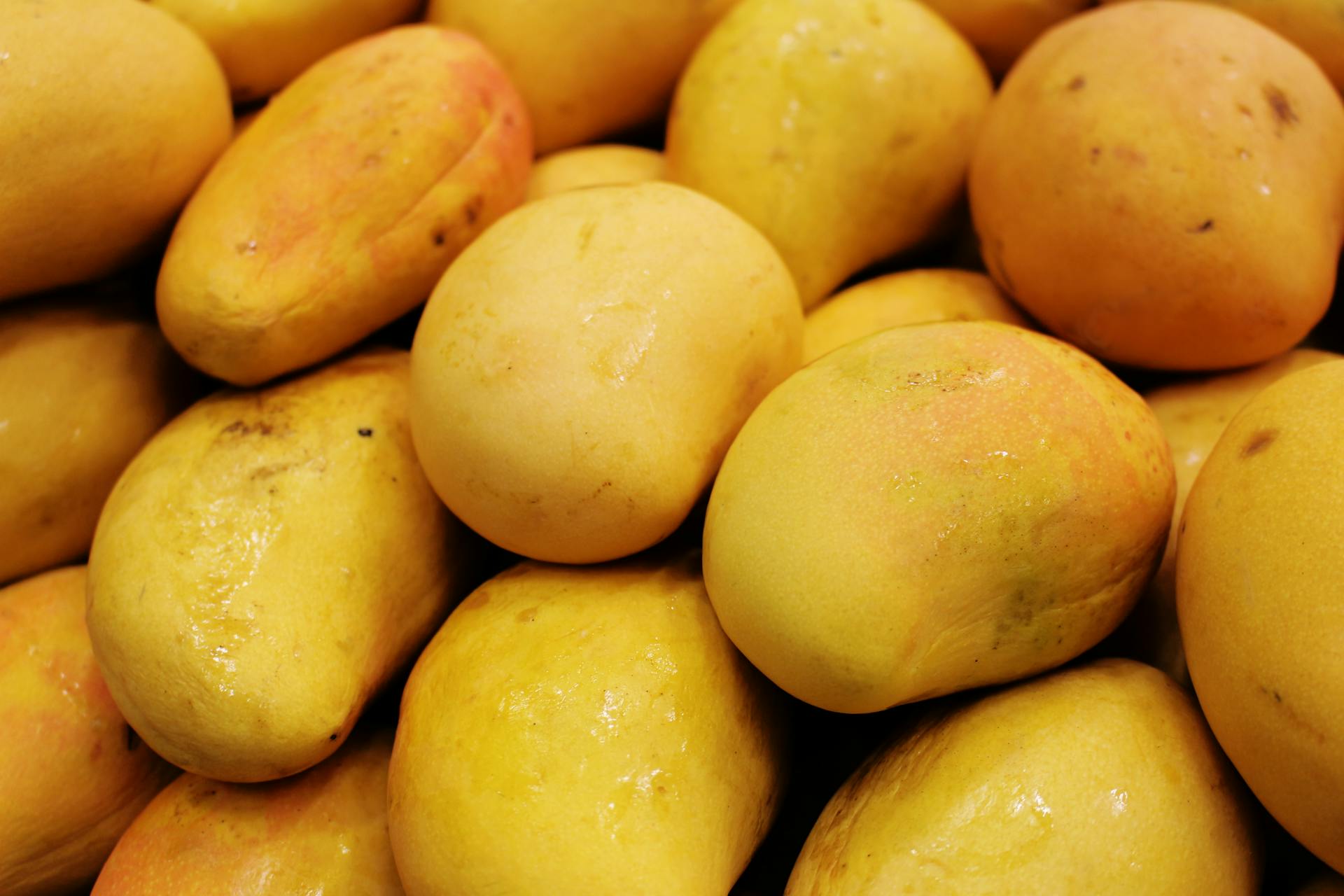
Storing Mangoes: In or Out of the Fridge?
Understanding the Debate
When it comes to storing mangoes, opinions are divided on whether they should be kept in the fridge or left out at room temperature. The debate mainly hinges on the impact of refrigeration on the fruit's flavor, texture, and ripening process. The key is to understand how these factors play out to make an informed decision.
Factors to Consider
Several factors come into play when deciding whether to refrigerate mangoes or not. These include the ripeness of the fruit, the ambient room temperature, and how soon you plan to consume the mangoes.
-
Ripeness: Unripe mangoes should be kept at room temperature to allow them to ripen properly. Once they reach the desired ripeness, you can then decide whether to refrigerate them to prolong their shelf life.
-
Room Temperature: If the room temperature is high, storing mangoes in the fridge can help prevent them from overripening too quickly. Conversely, in cooler environments, mangoes can be stored at room temperature for a longer period.
-
Consumption Timeline: If you plan to eat the mangoes within a day or two, keeping them at room temperature will maintain their optimal taste and texture. For longer storage, refrigeration can help extend their freshness.
| Factor | Recommendation |
|---|---|
| Ripeness | Unripe: Room Temperature, Ripe: Refrigerate |
| Room Temperature | High: Refrigerate, Cool: Room Temperature |
| Consumption Timeline | Short: Room Temperature, Long: Refrigerate |
Understanding these factors can guide you in making the best decision for storing your mangoes. For more tips on fruit storage and refrigeration, you can explore our articles on how long can prosciutto last in the fridge? and should you store your coffee grounds in the fridge?.
Pros of Keeping Mangoes in the Fridge
Storing mangoes in the fridge offers several benefits, particularly when it comes to maintaining their quality and extending their shelf life. Here are the main advantages:
Prolongs Freshness
Keeping mangoes in the fridge can help prolong their freshness. When stored at a lower temperature, the natural processes that lead to spoilage slow down. This means your mangoes will stay fresh longer, allowing you to enjoy them over an extended period.
| Storage Method | Shelf Life |
|---|---|
| Room Temperature | 3-5 days |
| Refrigerated | 7-10 days |
For more details on how long various foods can last in the fridge, you can refer to our article on how long can prosciutto last in the fridge.
Slows Down Ripening
Mangoes continue to ripen after being harvested, and the ripening process can sometimes be too quick, especially in warmer climates. By placing mangoes in the refrigerator, you can slow down this ripening process. This is particularly useful if you have several mangoes and want to stagger their ripening to enjoy them over time.
| Temperature | Ripening Speed |
|---|---|
| Room Temperature | Fast |
| Refrigerated | Slow |
Understanding the benefits of refrigerating mangoes can help you make informed decisions about their storage. For more insights on fridge-related topics, check out our comparisons like chest freezers Vs. upright freezers and beer fridge Vs. mini fridge freezer.
Cons of Keeping Mangoes in the Fridge
While refrigerating mangoes can help extend their shelf life, it also comes with some drawbacks. Understanding these disadvantages can help you make an informed decision about whether to keep your mangoes in the fridge.
Potential Flavor Loss
One of the primary cons of refrigerating mangoes is the potential loss of flavor. Mangoes are tropical fruits that thrive in warm climates, and their natural flavors develop best at room temperature. When you place them in the fridge, the cold environment can dull their sweet, rich taste.
| Temperature | Flavor Impact |
|---|---|
| Room Temperature (68-72°F) | Optimal flavor development |
| Refrigerator Temperature (32-40°F) | Possible flavor loss |
Texture Changes
Another significant downside to refrigerating mangoes is the potential change in texture. Cold temperatures can cause the fruit to become firm and lose its juicy, tender consistency. This change in texture can make the mangoes less enjoyable to eat.
| Storage Method | Texture Impact |
|---|---|
| Room Temperature | Soft and juicy |
| Refrigerator | Firm and less juicy |
Refrigerating mangoes can affect their flavor and texture, making them less appealing. For more tips on proper storage techniques, check out our article on best practices for mango storage. If you're interested in learning how long other foods can last in the fridge, you might find our article on how long can prosciutto last in the fridge? helpful.
Best Practices for Mango Storage
Storing mangoes correctly can help you enjoy their delicious flavor and texture for longer. Here are some best practices to ensure your mangoes stay fresh and tasty.
Ripeness Matters
The ripeness of your mangoes plays a crucial role in determining the best storage method. Understanding the different stages of ripeness can help you make an informed decision.
| Ripeness Stage | Characteristics | Storage Method |
|---|---|---|
| Unripe | Firm, green skin | Room temperature |
| Ripe | Slightly soft, vibrant color | Room temperature or fridge |
| Overripe | Very soft, wrinkled skin | Fridge |
Unripe mangoes should be kept at room temperature until they ripen. Check them daily for ripeness. Once ripe, you can place them in the fridge to prolong their freshness. Overripe mangoes should be refrigerated to prevent spoilage.
Proper Storage Techniques
Proper storage techniques can help maintain the quality of your mangoes. Follow these guidelines for the best results:
-
Room Temperature Storage: Store unripe mangoes in a fruit bowl or on the countertop. Keep them away from direct sunlight and heat sources.
-
Refrigeration: Once your mangoes are ripe, place them in the fridge to slow down the ripening process. Store them in the crisper drawer or a breathable bag to maintain humidity levels.
-
Cut Mangoes: If you've already cut your mangoes, store the pieces in an airtight container in the fridge. This helps keep them fresh and prevents oxidation.
-
Avoid Overcrowding: When storing mangoes, ensure there is enough space around them to allow for proper air circulation. Overcrowding can lead to faster spoilage.
For more tips on storing different types of food, check out our articles on how long can prosciutto last in the fridge? and how long can prepared formula stay in the fridge?.
By understanding the importance of ripeness and following these storage techniques, you can enjoy your mangoes at their best. For more information on refrigeration and storage, visit our comprehensive guides on best fridge for national french fry day and best fridge for national parfait day.
Signs Your Mangoes Need Refrigeration
To answer the question, "should I keep mangoes in the fridge?" it’s essential to recognize when refrigeration becomes necessary. Two primary factors indicate that mangoes should be moved to the refrigerator: when they are overripe and when the room temperature is high.
Overripe Mangoes
Mangoes that are overripe can benefit from refrigeration. As mangoes ripen, their texture softens, and their sugar content increases, making them more susceptible to spoilage. Keeping overripe mangoes in the fridge can slow down the spoiling process and help preserve their quality for a few more days.
Signs of overripe mangoes include:
- Wrinkled skin
- Strong, sweet aroma
- Very soft texture
| Indicator | Description |
|---|---|
| Skin | Wrinkled |
| Aroma | Strong, sweet |
| Texture | Very soft |
For more on preserving different foods, check out our article on how long can prosciutto last in the fridge?.
High Room Temperature
High room temperatures can accelerate the ripening process of mangoes. If you live in a particularly warm climate or if it's summertime, it's wise to store your mangoes in the refrigerator to prevent them from ripening too quickly and spoiling.
| Room Temperature | Recommended Action |
|---|---|
| Above 77°F (25°C) | Refrigerate mangoes |
| Below 77°F (25°C) | Store at room temperature |
By monitoring room temperature and the ripeness of your mangoes, you can ensure they stay fresh and flavorful. For more tips on managing your fridge and keeping your foods fresh, explore our article on should you store your coffee grounds in the fridge?.
Get Your Upgrade or New Addition at Fridge.com
Whether you're searching for your perfect fridge, freezer, wine fridge, beer fridge, ice maker, or kegerator, we have what you need.
Shop the world's best brands at Fridge.com.
We also have tons of awesome articles about kitchen stuff and home news. Enhance your home, garage, backyard, patio, and office with the coolest essentials. With every necessary type of residential refrigerator or freezer in our collection, we've got you covered.
Elevate your game and shop now at Fridge.com!