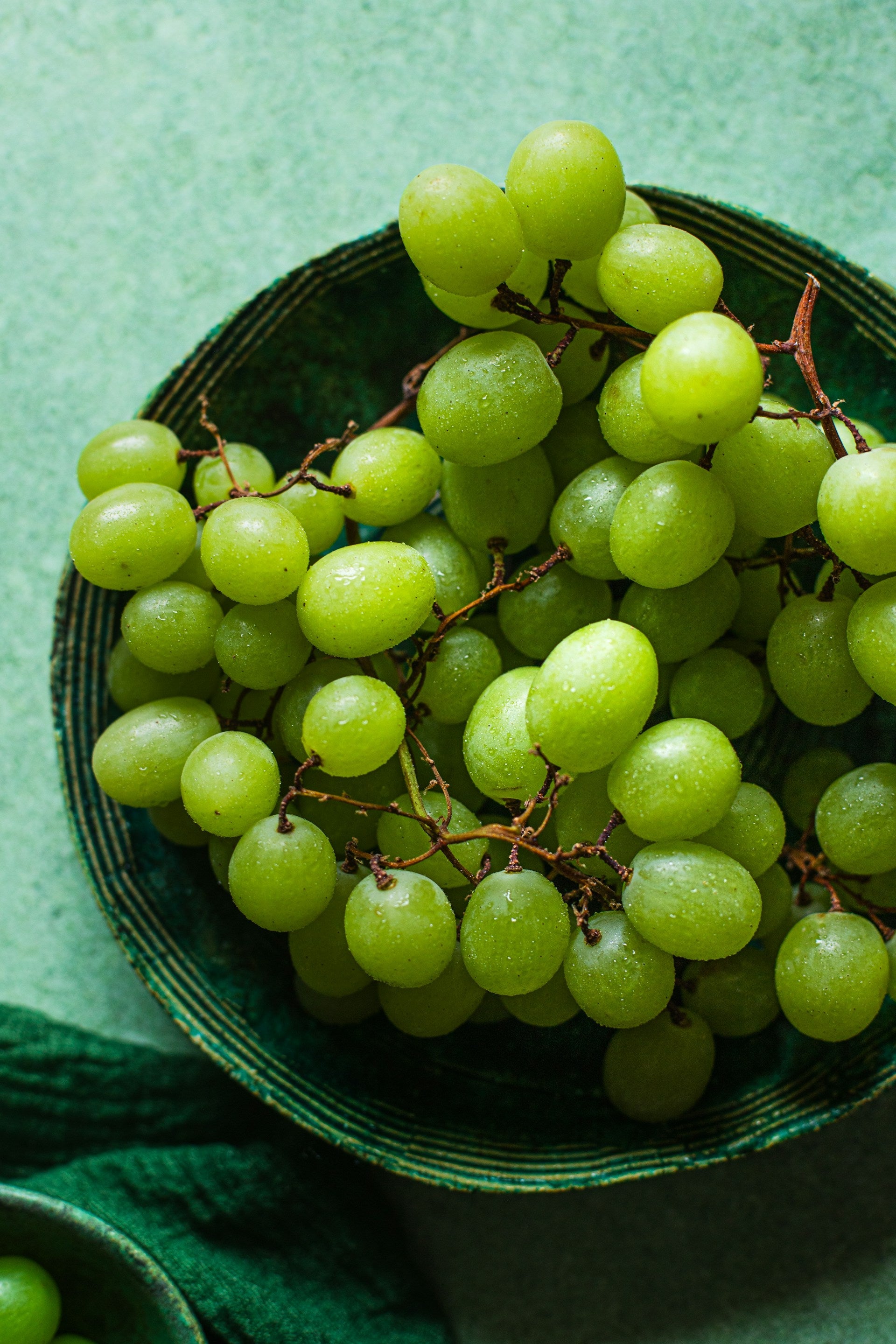
Storing Green Grapes
Understanding the Ideal Storage Conditions
To maintain the freshness and quality of green grapes, it's essential to store them under optimal conditions. Green grapes thrive in a cool, dry environment where they can stay crisp and flavorful for an extended period. The recommended storage temperature for green grapes is between 32°F and 40°F (0°C to 4°C). Keeping them at this temperature range helps to slow down the natural ripening process and prevents spoilage.
Proper ventilation is also crucial for storing green grapes. Ensure that they are stored in a well-ventilated area, such as a perforated plastic bag or a loosely covered container. This allows air circulation, reducing the buildup of moisture which can lead to mold and decay.
Ideal Storage Conditions for Green Grapes:
| Condition | Recommended Value |
|---|---|
| Temperature | 32°F - 40°F (0°C - 4°C) |
| Humidity | Low |
| Ventilation | Good (perforated bags) |
Factors to Consider Before Refrigerating
Before deciding whether to refrigerate your green grapes, consider several factors to determine if refrigeration is the best option for your situation.
-
Shelf Life: Refrigeration can significantly extend the shelf life of green grapes. If you plan to consume them within a few days, storing them at room temperature may be sufficient. For longer storage, refrigeration is recommended.
-
Space Availability: Ensure that you have enough space in your refrigerator to store the grapes without overcrowding. Overcrowding can impede air circulation, leading to moisture buildup and spoilage.
-
Moisture Control: Grapes are prone to moisture damage, which can cause mold growth. If your refrigerator maintains a high humidity level, it may not be ideal for storing grapes. In such cases, consider using a container with a lid slightly ajar to allow moisture to escape.
-
Usage: If you frequently use grapes for snacking or in recipes, keeping them in the refrigerator ensures they remain fresh and ready to eat. For occasional use, you might opt for alternative storage methods.
Factors to Consider:
| Factor | Consideration |
|---|---|
| Shelf Life | Short-term (room temperature) or long-term (refrigeration) |
| Space Availability | Ensure enough space in the refrigerator |
| Moisture Control | Use containers that allow for ventilation |
| Usage | Frequent snacking or occasional use |
By understanding the ideal storage conditions and considering these factors, you can make an informed decision on whether to refrigerate your green grapes. For additional tips on how to store grapes in the refrigerator, visit our article on how to store grapes in the fridge.
The Case for Refrigeration
Benefits of Refrigerating Green Grapes
Refrigerating green grapes offers several advantages that can help maintain their quality and extend their shelf life. By storing your grapes in the refrigerator, you can ensure they stay fresh and delicious for a longer period.
- Slows Down Ripening: The cold temperature of the refrigerator slows down the ripening process, preventing the grapes from becoming overly ripe too quickly.
- Prevents Spoilage: Refrigeration helps inhibit the growth of mold and bacteria, reducing the chances of spoilage.
- Maintains Texture: Cold storage helps preserve the firm texture of the grapes, preventing them from becoming soft and mushy.
- Enhances Flavor: Chilled grapes often taste crisper and more refreshing, making them a delightful snack.
How Refrigeration Helps Extend Freshness
Refrigerating green grapes can significantly extend their freshness by providing an environment that slows down the natural processes leading to spoilage. Here is how refrigeration contributes to prolonging the shelf life of your green grapes:
| Factor | Effect of Refrigeration |
|---|---|
| Temperature | Lower temperatures slow down enzymatic activity and microbial growth. |
| Humidity | Controlled humidity levels prevent dehydration and shriveling. |
| Air Circulation | Proper air circulation reduces the risk of mold formation. |
- Temperature: Refrigeration lowers the temperature, which slows down enzymatic activity and microbial growth that cause spoilage. This helps keep your grapes fresh for a longer time.
- Humidity: The refrigerator maintains controlled humidity levels, preventing the grapes from drying out and losing their plumpness.
- Air Circulation: Proper air circulation in the refrigerator reduces the risk of mold formation on the grapes.
For more detailed information on how long grapes can last in the fridge, you can visit our article on how long do grapes last in the fridge?.
Refrigeration is a practical method to extend the shelf life of your green grapes. By understanding and utilizing the benefits of cold storage, you can enjoy fresh and tasty grapes for an extended period. For more tips on the best way to store grapes in the fridge, check out our article on how to store grapes in the fridge.
The Case Against Refrigeration
Reasons to Avoid Refrigerating Green Grapes
While refrigerating green grapes is a common practice, there are several reasons why you might want to avoid it. One primary concern is the potential loss of flavor. Grapes stored at lower temperatures can sometimes lose their natural sweetness and vibrant taste. The cold environment may dull the fruit's inherent flavors, making them less enjoyable to eat.
Another reason to steer clear of refrigeration is texture. Green grapes can become mushy or develop a rubbery consistency when stored in the fridge for extended periods. This change in texture can make them less appealing, especially if you prefer your grapes crisp and firm.
Circumstances Where Refrigeration May Not Be Necessary
There are specific situations where refrigerating green grapes may not be necessary or even beneficial. If you plan to consume the grapes within a few days, keeping them at room temperature can suffice. Room temperature storage allows the grapes to maintain their natural taste and texture, providing a more enjoyable eating experience.
If you're living in a cooler climate or during the colder months, the ambient temperature may be low enough to keep your grapes fresh without the need for refrigeration. In such cases, storing them in a cool, dry place away from direct sunlight can be an effective way to preserve their quality.
Additionally, if you have limited refrigerator space, you might choose to store green grapes outside the fridge. This can be particularly useful if you have other perishable items that require refrigeration. For more information on alternative storage methods, check out our article on how to store grapes in the refrigerator.
By considering these factors, you can decide whether refrigeration is the right choice for your green grapes. For more tips on grape storage, visit our resources on should grapes be refrigerated? and do grapes need to be refrigerated?.
Signs of Spoilage
Understanding how to identify spoiled green grapes and knowing when to discard them is essential for maintaining their freshness and ensuring they are safe to eat.
How to Identify Spoiled Green Grapes
When inspecting your green grapes for spoilage, there are several signs to watch for. These indicators can help you determine if your grapes are still fresh or if they have gone bad.
- Appearance: Spoiled green grapes often have a wrinkled or shriveled appearance. The skin may also become discolored, with brown or black spots indicating decay.
- Texture: Fresh green grapes should be firm to the touch. If they feel mushy or soft, it's a sign that they are starting to spoil.
- Smell: A sour or fermented odor coming from your grapes is a clear indication of spoilage. Fresh grapes have a mild, sweet aroma.
- Mold: The presence of mold, which can appear as white or gray fuzzy patches, is a definite sign that the grapes should be discarded.
When to Discard Green Grapes
Knowing when to discard green grapes is crucial to prevent the consumption of spoiled fruit, which can lead to foodborne illnesses. Here are some guidelines to help you decide when it's time to throw away your grapes:
- If the grapes exhibit any of the signs of spoilage mentioned above, they should be discarded immediately.
- If you notice a few spoiled grapes in a bunch, remove and discard them. Check the remaining grapes carefully, as spoilage can spread rapidly.
- If you have stored your grapes in the refrigerator for more than two weeks, it's best to inspect them for signs of spoilage. While refrigeration can extend their shelf life, grapes can still go bad over time.
To learn more about the best practices for storing grapes and maximizing their freshness, check out our article on how to store grapes in the fridge. Additionally, for tips on preventing spoilage and waste, visit our guide on how to keep grapes fresh in the fridge.
By being vigilant and knowing the signs of spoilage, you can ensure that your green grapes remain fresh and enjoyable for as long as possible.
Tips for Properly Storing Green Grapes
Best Practices for Refrigerating Green Grapes
Refrigerating green grapes is one of the most effective ways to maintain their freshness and extend their shelf life. Here are some best practices to ensure your grapes stay fresh and delicious:
- Temperature: Store green grapes in the refrigerator at a temperature between 32°F and 40°F. This helps to slow down the ripening process and prevent spoilage.
- Packaging: Keep grapes in their original packaging or transfer them to a perforated plastic bag. This allows for proper air circulation while maintaining the right humidity level.
- Placement: Place the grapes in the crisper drawer of your refrigerator. This area is designed to keep fruits and vegetables fresh for longer periods.
| Storage Method | Temperature | Shelf Life |
|---|---|---|
| Refrigeration | 32°F - 40°F | 1 - 2 weeks |
For detailed instructions on how to store grapes in the fridge, visit our article on how to store grapes in the fridge.
Alternative Storage Methods
If you prefer not to refrigerate your green grapes, there are alternative storage methods that can help maintain their quality:
- Room Temperature: Store grapes at room temperature if you plan to consume them within a few days. Place them in a cool, dry place away from direct sunlight.
| Storage Method | Temperature | Shelf Life |
|---|---|---|
| Room Temperature | 68°F - 77°F | 2 - 3 days |
- Freezing: For long-term storage, freezing grapes is an excellent option. Wash and dry the grapes thoroughly, then spread them in a single layer on a baking sheet and freeze until solid. Transfer the frozen grapes to an airtight container or freezer bag.
| Storage Method | Temperature | Shelf Life |
|---|---|---|
| Freezing | 0°F | Up to 12 months |
For more information on freezing grapes, check out our guide on how to freeze grapes.
By following these tips and exploring various storage methods, you can keep your green grapes fresh and enjoy them at their best. For additional guidance on grape storage and freshness, visit our articles on should grapes be refrigerated? and how long do green grapes last in the fridge?.
Maximizing Freshness
How to Keep Green Grapes Fresh Longer
To ensure your green grapes stay fresh for as long as possible, it's important to follow best practices for storage. Proper handling and storage techniques can significantly extend the shelf life of your grapes.
-
Refrigerate Immediately: Place your green grapes in the refrigerator as soon as you bring them home. This helps to maintain their freshness and prevent spoilage.
-
Use a Ventilated Bag: Store your grapes in a breathable bag or the original packaging they came in. Avoid airtight containers as they can trap moisture and cause the grapes to spoil faster.
-
Avoid Washing Before Storage: Only wash your grapes right before you eat them. Washing before storage can introduce excess moisture, leading to quicker spoilage. For more tips on this, check out our guide on how to store washed grapes in the fridge.
-
Keep Them Dry: Make sure the grapes are dry before placing them in the fridge. Excess moisture can accelerate mold growth and spoilage.
-
Separate Spoiled Grapes: Regularly check your grapes and remove any that are starting to spoil. This prevents the spread of mold and bacteria to the healthy grapes.
Preventing Spoilage and Waste
Spoilage can be a common issue if grapes are not stored properly. Here are some additional tips to help prevent waste and keep your grapes fresh.
-
Temperature Control: Store your grapes at a consistent temperature between 32°F and 40°F (0°C and 4°C). Fluctuations in temperature can cause the grapes to spoil more quickly.
-
Humidity Levels: Grapes thrive in a humid environment. Keeping the humidity level in your fridge around 90-95% can help maintain their freshness.
-
Use a Paper Towel: Place a paper towel in the bag or container with your grapes. This can help absorb excess moisture and reduce the risk of mold growth.
-
Organize Your Fridge: Keep your grapes in a dedicated space in the fridge where they won't get squished or bruised. Bruising can accelerate spoilage.
-
Consume Within Optimal Time: While refrigeration can extend the freshness of your grapes, they are best consumed within one to two weeks. For more details, visit our article on how long do green grapes last in the fridge.
By following these storage tips and best practices, you can enjoy fresh and delicious green grapes for a longer period. For more information on storing grapes, check out our articles on how to store grapes in the fridge and best way to store grapes in the refrigerator.
| Storage Method | Shelf Life (Days) |
|---|---|
| Refrigerated (Ideal Conditions) | 14 - 21 |
| Room Temperature | 3 - 5 |
| Freezer | 90 - 120 |
Get Your Upgrade or New Addition at Fridge.com
Whether you're searching for your perfect fridge, freezer, wine fridge, beer fridge, ice maker, or kegerator, we have what you need.
Shop the world's best brands at Fridge.com.
We also have tons of awesome articles about kitchen stuff and home news. Enhance your home, garage, backyard, patio, and office with the coolest essentials. With every necessary type of residential refrigerator or freezer in our collection, we've got you covered.
Elevate your game and shop now at Fridge.com!