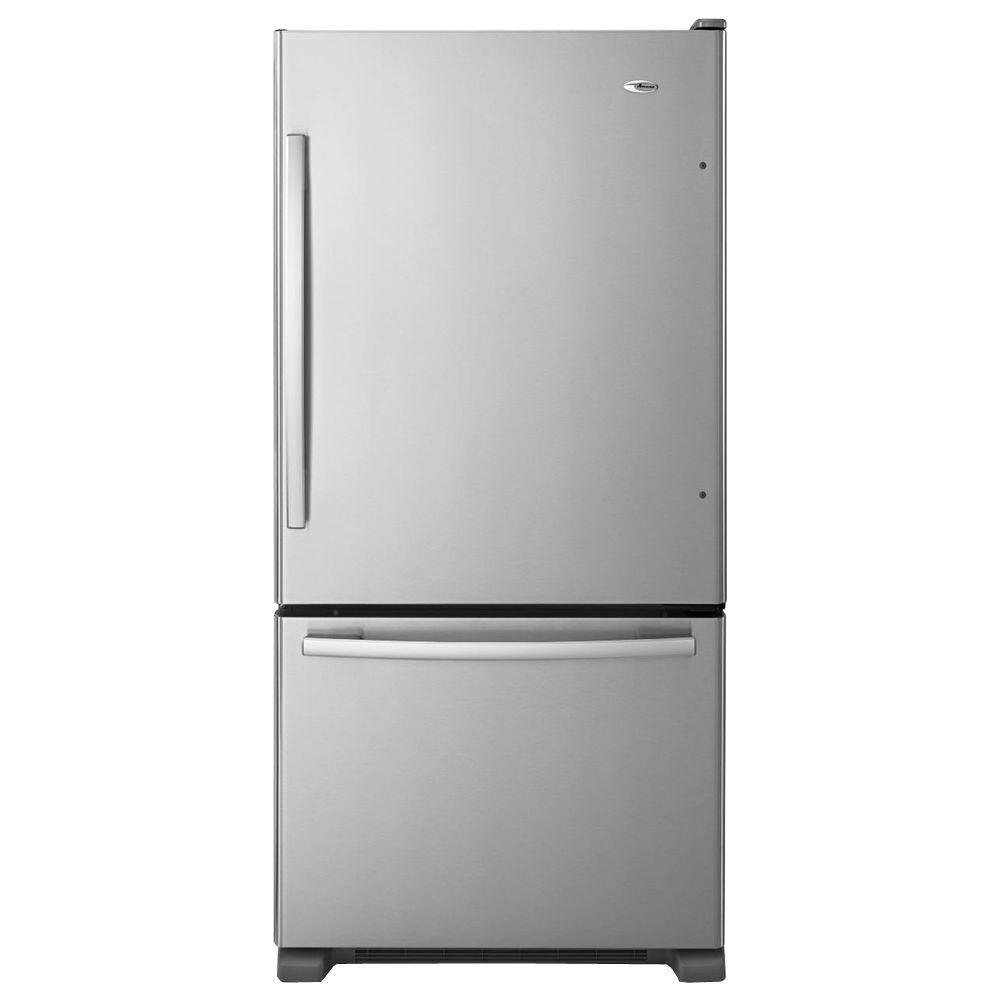
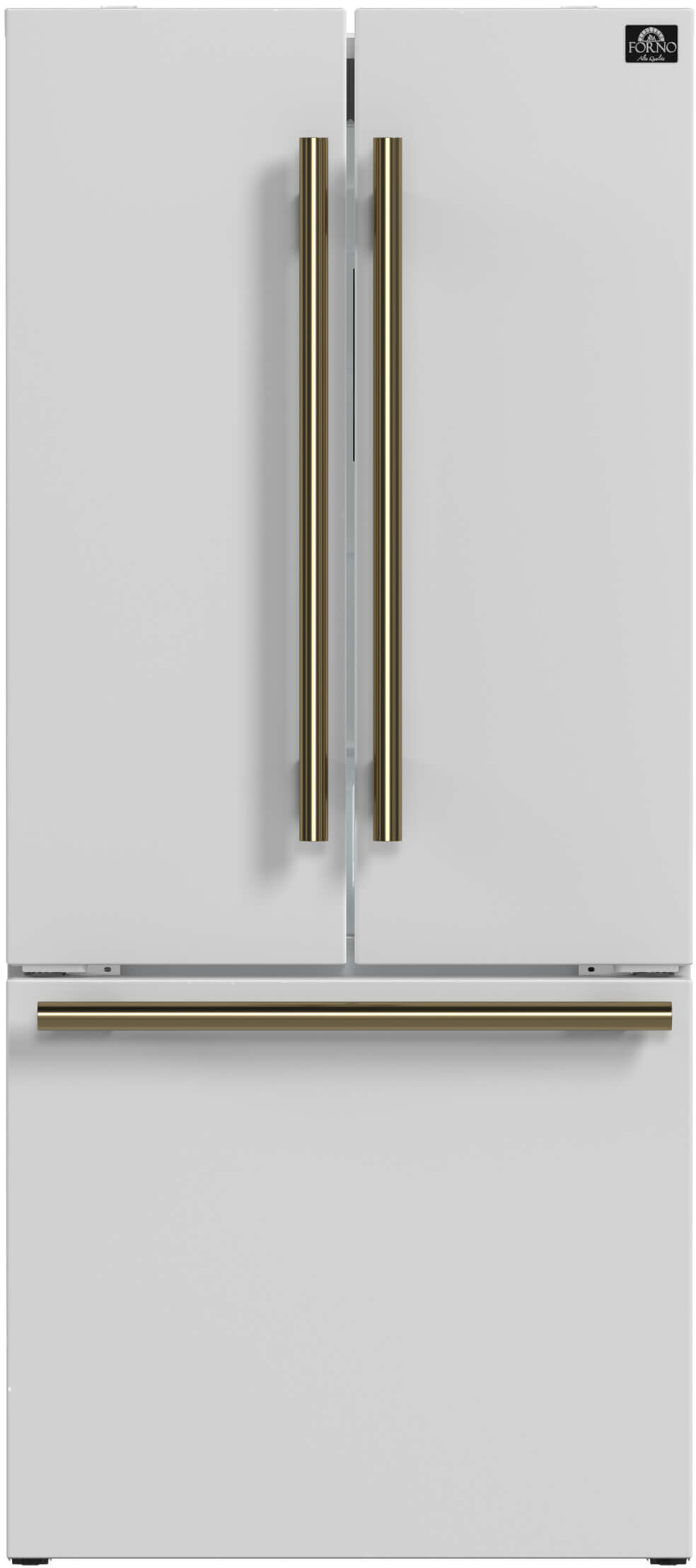
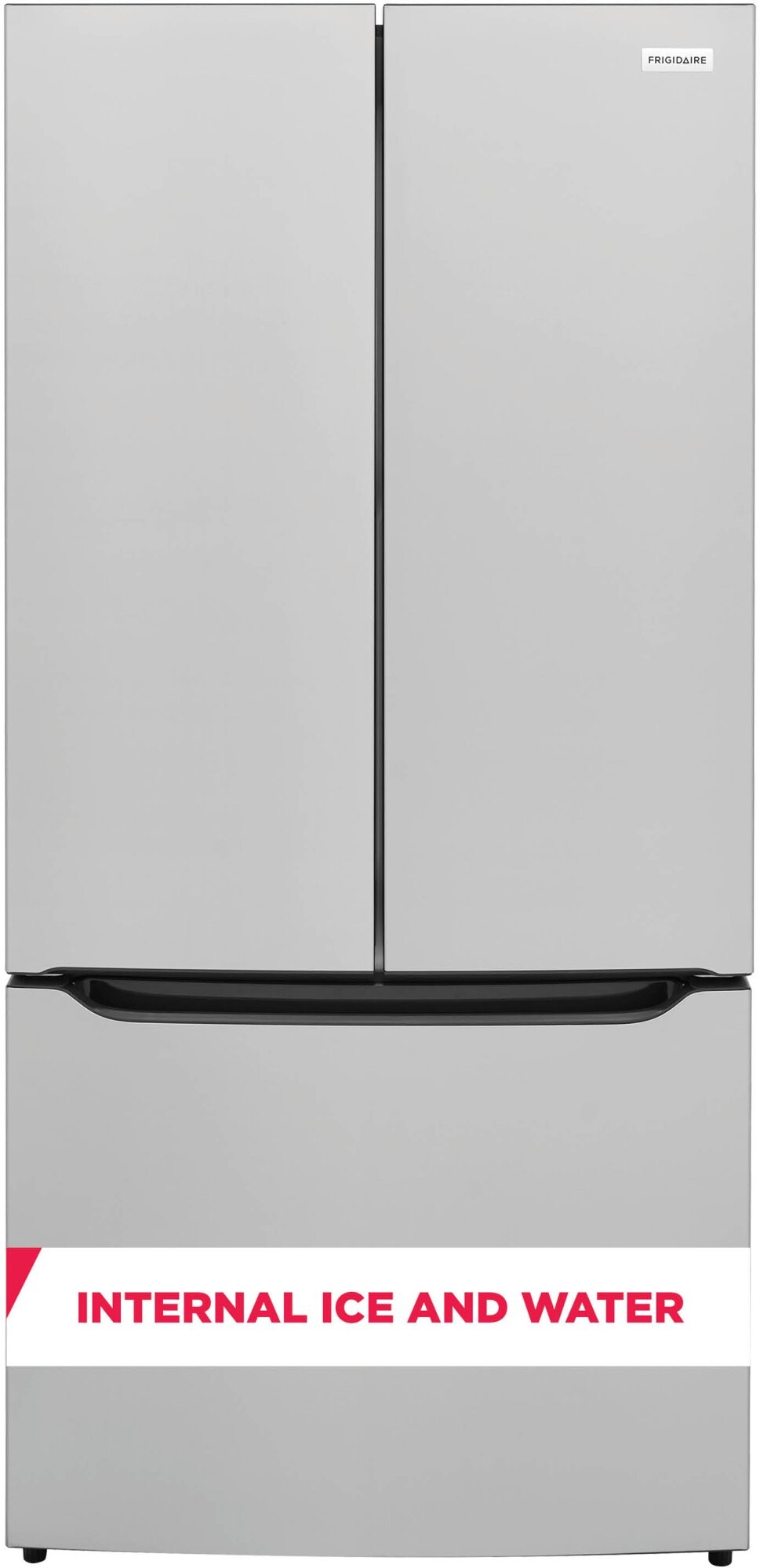
You should consider if your garage fridge deserves its own circuit.
Think about your garage fridge’s wiring so it never gives you a headache.
You've probably heard folks chatting about whether a garage fridge should be off doing its own thing on a separate circuit.
For some more handy electrical tidbits, like knowing if your garage door should have its own GFCI setup, swing by the article on should a garage door opener be on a gfci outlet?.
Setting up a fridge in your garage isn't just about finding a spot in the corner and plugging it in. It's like giving a new home to an appliance that keeps your food happy. The garage has a tough crowd—too hot in the summer, too cold in the winter, and don’t get us started on the humidity. Having the right electrical setup is a lifesaver for your fridge's long haul. A dedicated circuit? Absolutely. It's like giving your fridge its own lane on the highway—not sharing with power-hungry, bulky neighbors.
If you love cooking or just can't get enough of leftovers, having a well-functioning garage fridge is a must. You should consider if your garage fridge deserves its own circuit. Imagine saving those delicious leftovers without fretting about blown fuses or warm sodas!
Common Concerns with Garage Fridges
These chill companions come with their own quirks, too. Here’s what could keep you up at night:
Temperature Changes: Those wild swings from sweaty-hot to shiver-me-timbers cold can mess with your fridge’s mojo. Pay attention to where you’re putting this bad boy in your garage.
Power Surges: When the saw's buzzing or the washing machine's spinning, all that extra juice can trip circuits. Your fridge doesn't do well with surprises—give it a break.
Humidity: Your garage might be misty, and that’s a problem. Moisture can turn your trusty fridge into a rusty mess or a mold motel.
Here's a handy table to see how these trouble-makers work:
What's Up
What's Going Wrong
Fix It
Temp Swings
Lousy cooling, food meh
Keep a temp checker
Power Drama
Fridge tantrums, flipped breakers
Dedicated circuit hero
Sticky Humidity
Rusty crust, mold invasion
Get a dehumidifier grooving
Knowing these hiccups means you can head 'em off before they start. Think about your garage fridge’s wiring so it never gives you a headache. Want more cool info to pack that fridge with ease? Check out Fridge.com fun guide on fridge-friendly meals for picky eaters.
The Circuit Dilemma
What Does "On Its Own Circuit" Mean?
You've probably heard folks chatting about whether a garage fridge should be off doing its own thing on a separate circuit. Let's break it down. A circuit is basically the highway for electricity—it zooms from the power source to your gadget. When a fridge gets its own exclusive circuit, it just means it's got its private lane in the electrical board game, giving your fridge its own circuit breaker style like a VIP pass for uninterrupted chiller time.
Why roll solo? Well, it keeps the peace by steering clear of overload drama. Think about it: if a gigantic fridge shares space with other power-hungry pals, you're asking for trouble. More than just popping circuit breakers, you're flirting with appliance kidnappings or, heaven forbid, an electrical fire.
Benefits of Having a Separate Circuit
Thinking about giving that garage fridge its own gig? Here's the lowdown on why that's a smart play:
Benefit
Description
Reduced Risk of Overloading
Keeps everyone happy by preventing overloads when your other gadgets are having a power party.
Consistent Power Supply
Your fridge gets its juice on tap, steady and reliable, so your leftovers stay fresh and cold.
Easier Troubleshooting
If the lights go out, finding the culprit's a breeze. No detective work needed here.
Extended Appliance Lifespan
Giving your fridge smooth sailing in electricity ocean helps it live long and prosper.
Better Energy Efficiency
Happy fridge equals efficient fridge, cutting back on those connections and saving you cash in the long run.
So next time you're considering the setup for your garage chiller, think about these perks. For some more handy electrical tidbits, like knowing if your garage door should have its own GFCI setup, swing by the article on should a garage door opener be on a gfci outlet?.
Electrical Considerations
Got a shiny new fridge for the garage? Awesome! Before you start stashing goodies, let's make sure the power situation's not a drama queen. Paying attention to electricity stuff is super important, so you don't end up with a fridge that’s just a big cold box that sees no juice.
Overloading Circuits
Ever tried squeezing into a packed elevator? Not fun, right? That's pretty much what happens with your circuits when they’re overloaded. Imagine your garage fridge has to share power with a freezer or those monster power tools. It’s a crowd scene waiting to blow the fuse!
Handling this like a pro means knowing who's hogging the watts. Here’s the scoop:
Appliance Type
Wattage Wonderland (Watts)
Garage Fridge
100 - 800
Freezer
200 - 700
Power Tools
500 - 2000
Add up all these numbers. If you’ve got more than what a 15 or 20 amp circuit can handle, it's a bad day in fridge land. So, spread out those power-hungry gadgets like you would at a buffet - fridge at one end, others way over there.
Voltage Fluctuations
Unexpected voltage changes are like your fridge having a bad hair day. One moment it’s fine, next it's like, "Whoa, what just happened?" These mood swings can come from flipping other devices on or off, messing with your fridge's cool factor.
Voltage
What’s Up with That?
Normal (120V)
Cool vibes, fridge is groovy!
Low (<110V)
Feeling sluggish, not happy.
High (>130V)
Danger! Fridge meltdown alert!
Keep your fridge's life drama-free with a dedicated circuit. Or if you're scratching your head, hit up articles like should a garage door opener be on a gfci outlet? for some guidance, or call in the pros—no shame in asking an electrician to sort it all out, save you a ton of hassle in the long run.
Installation Guidelines
Setting up a garage fridge properly is crucial for keeping it safe and running smoothly. There are two main things to focus on: hiring a pro for the electrical work and keeping some basic safety tips in mind if you’re doing it yourself.
Hiring a Professional Electrician
Thinking about getting that garage fridge up and running? It's a smart move to call in someone who knows their way around wires. A licensed electrician can sort out whether your setup needs a separate circuit. This helps keep things from overheating and lowers the chance of electrical mishaps. Plus, they make sure everything's in line with local rules, which is especially handy if you're in a place with iffy weather.
Benefits of Hiring a Professional:
Benefits
Details
Safety Confidence
Cuts down the risk of fires and electric shocks.
Rule Follower
Makes sure you’re following local building laws.
Pro Tips
They know the best tricks for setting things up.
Quick Fix
Gets the job done faster than going it alone.
DIY Safety Precautions
If you're feeling handy and want to take on the installation, keep a few safety corners uncut. Safety first for you and your house.
Kill the Power: Flip the switch off at the breaker before you even think about starting.
Right Tools for the Job: Check you’ve got all the right gear like insulated screwdrivers and wire strippers.
Watch the Wattage: Double-check that your current circuit can handle the fridge's extra power. Peek at the fridge's specs and your breaker's info.
Ground It Properly: Make sure the fridge is grounded properly to dodge electric shocks. Following some safe wiring tips wouldn’t hurt.
Keep an Eye Out: As you work, look after those connections. Make sure they're tight and well-covered.
Sticking to these guidelines helps ensure your garage fridge stays safe and sound. For more tips on electrical setups, check out Fridge.com article on should a garage door opener be on a GFCI outlet?.
So, you’re thinking about putting your fridge in the garage? Cozy up that garage space a bit! Temperature swings in there can mess with your fridge's mojo. Insulating your garage is a lifesaver, keeping things nice and steady. You don’t want your popsicles turning into soup or your milk freezing into an ice block, right? Check what temps your fridge likes—it’s in the manual but times are tough, we won't judge you for not reading it. Here’s a little cheat sheet:
Season
Keep It Between (°F)
Winter
Over 32 (keep it thawed)
Summer
Under 100 (don’t roast it)
Add some insulation to those walls and windows. Or, if winter really sinks its teeth in, maybe look into heating up that garage a smidge.
Monitoring Energy Usage
Don’t let your garage fridge gobble energy like it’s going out of style. Slap a power meter on that bad boy, see what it's chewing up. If it's a hog, you might wanna think about an energy-saving upgrade. If you notice it starts munching more energy, that’s a sign it might be crying for help. Here’s how much power they usually snack on:
Listen up, safety squad! Your garage fridge's well-being matters just as much as yours. Make sure it’s plugged into a circuit that’s tough enough to handle its power cravings. Here's your safety checklist:
Go GFCI: These outlets are the superheroes of preventing electrical shocks, especially in damp places. They’re recommended for garage door openers too, ICYMI—check out should a garage door opener be on a gfci outlet?.
Power Cord TLC: Keep an eye on that cord. If it's beaten up, get a new one before it bites back.
Ditch the Clutter: Give the fridge some breathing space to cool its circuits and avoid any fiery mishaps.
Regular Check-ups: Dust off those coils and keep the airflow smooth for top-notch performance and safety.
Stick to these safety pointers, and your garage fridge will stay happy and healthy, chilling your snacks and drinks just like it's supposed to!
Frequently Asked Questions
You've probably heard folks chatting about whether a garage fridge should be off doing its own thing on a separate circuit. Let's break it down. A circuit is basically the highway for electricity—it zooms from the power source to your gadget. When a fridge gets its own exclusive circuit, it just means it's got its private lane in the electrical board game, giving your fridge its own circuit breaker style like a VIP pass for uninterrupted chiller time. Why roll solo? Well, it keeps the peace by steering clear of overload drama. Think about it: if a gigantic fridge shares space with other power-hungry pals, you're asking for trouble. More than just popping circuit breakers, you're flirting with appliance kidnappings or, heaven forbid, an electrical fire.