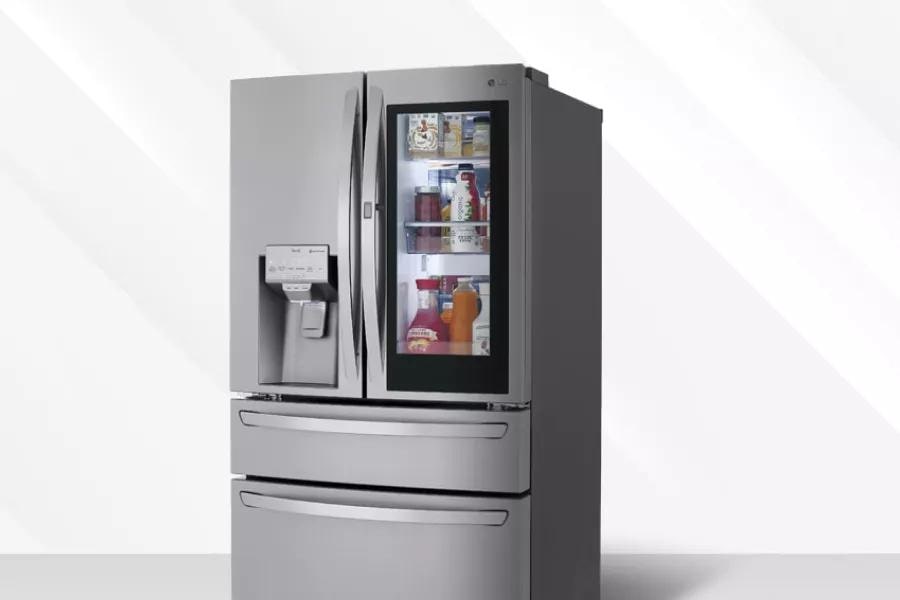
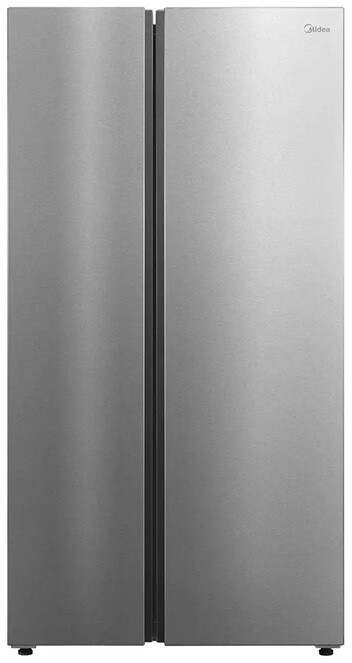
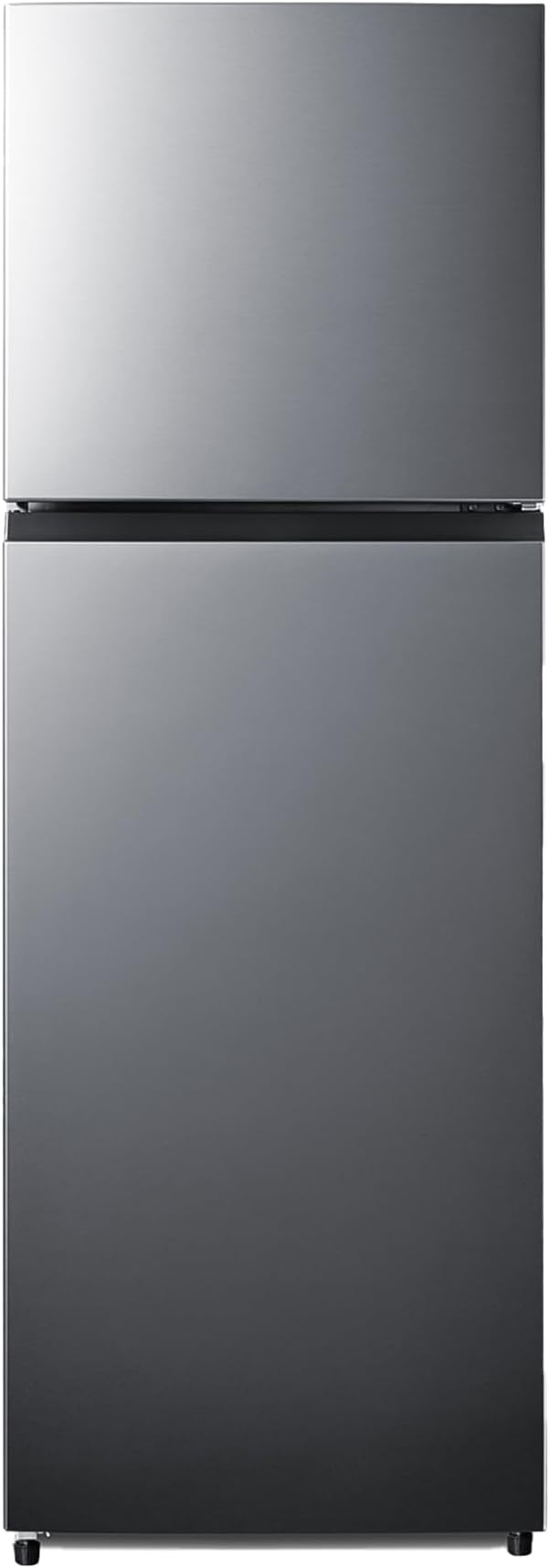
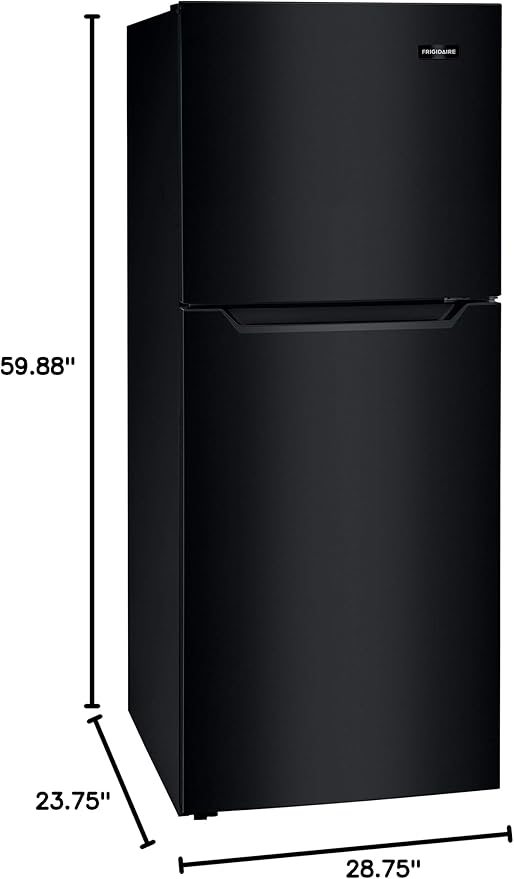
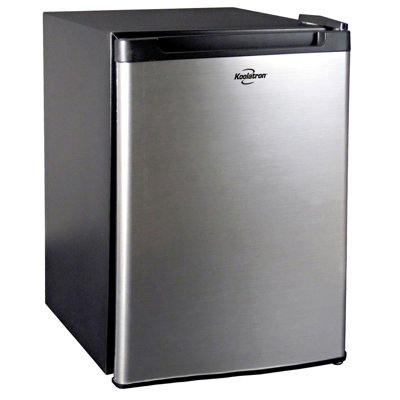
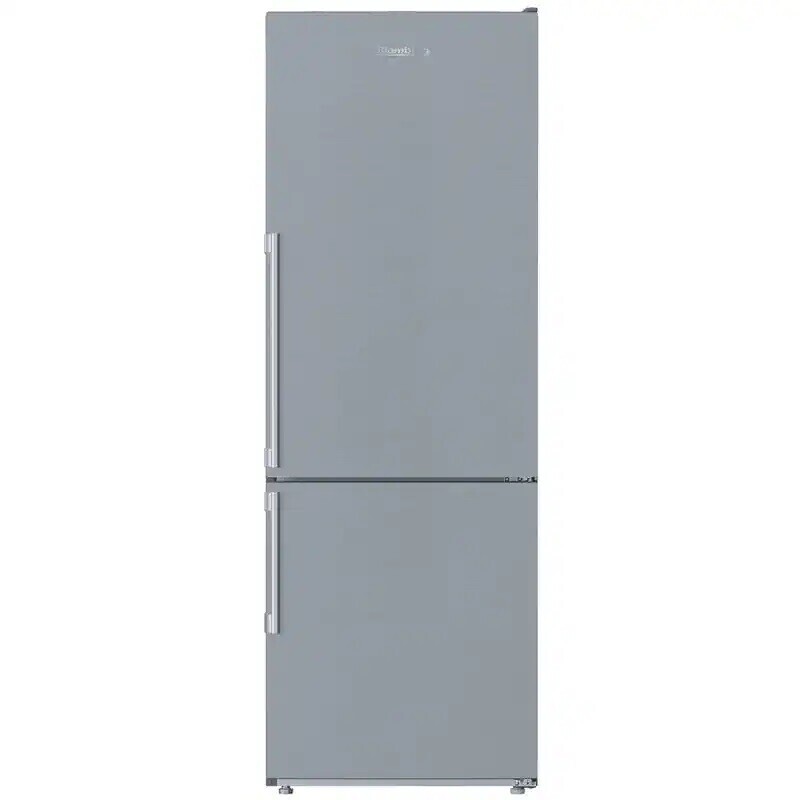
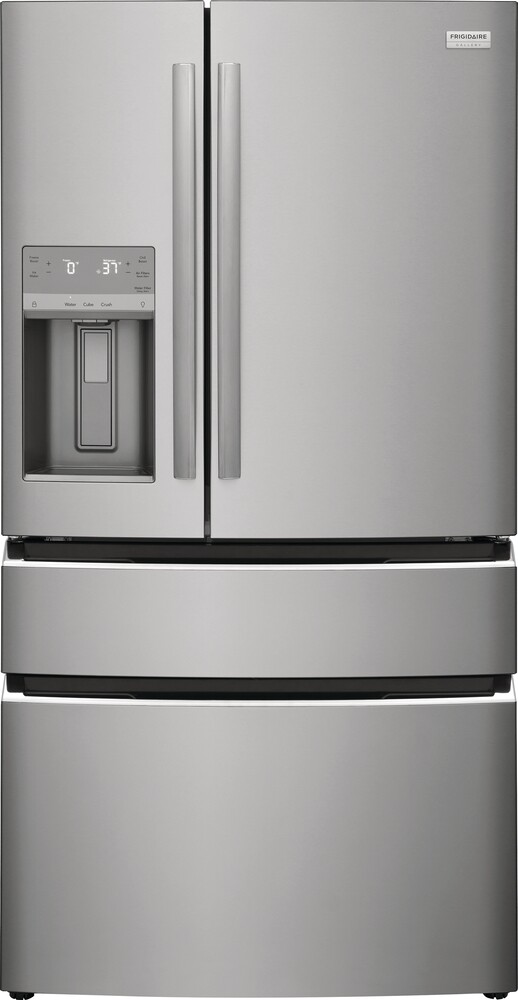
Having a refrigerator in an RV offers several benefits that enhance the travel experience. It provides convenience and helps ensure food safety during journeys.
Convenience of Refrigeration on the Go
An RV refrigerator makes it easy to store fresh produce, beverages, and other perishable items. Travelers can pack a variety of foods, eliminating the need for frequent stops at grocery stores or restaurants. This convenience allows families, friends, and foodies to save time and eat healthier while on the road.
Benefit
Description
Easier Meal Preparation
Access to ingredients enables travelers to cook meals in the RV.
Cost Savings
Cooking inside the RV can reduce the cost of eating out.
Variety of Food Options
A refrigerator allows for a wider range of meal options.
Ensuring Food Safety During Travels
Another significant advantage of having a refrigerator in an RV is food safety. Proper storage of perishable items is crucial to prevent spoilage and foodborne illnesses. An RV refrigerator helps maintain the appropriate temperature for stored items, ensuring they remain fresh and safe to consume.
Food Type
Recommended Temperature (°F)
Dairy Products
35 - 40
Meat and Seafood
30 - 32
Vegetables and Fruits
32 - 40
By keeping food within these temperature ranges, travelers can enjoy peace of mind knowing their meals are safe. For more information on food storage, explore Fridge.com article on storing food without a fridge.
In summary, a refrigerator for RVs offers crucial benefits—making travel more convenient and ensuring that food remains safe during adventures on the road.
Types of Refrigerator Options for RVs
When considering an appropriate refrigerator for RV use, it's essential to evaluate the different options available. The type of refrigerator chosen will impact convenience, efficiency, and overall satisfaction during travels. Here are three popular types of refrigerators designed for RVs.
Standard RV Refrigerators
Standard RV refrigerators are specifically designed for mobility. They typically operate on either propane or electricity, making them versatile for various camping situations. One of the key advantages of these units is their ability to maintain a consistent temperature even while the RV is in motion.
Feature
Description
Capacity
Ranges from 6 to 10 cubic feet, suitable for small families
Power Source
Operates on AC, DC, or propane
Temperature Control
Usually has built-in thermostats for easy regulation
Portable Refrigerators
Portable refrigerators offer flexibility for RV users who may need extra cooling options. These compact units are lightweight and can be easily transported, making them ideal for short trips or picnics. They often plug into a standard electrical outlet or the RV’s DC power system.
Feature
Description
Capacity
Typically ranges from 1.5 to 7 cubic feet
Power Source
Runs on AC or DC
Portability
Easy to remove and use outside the RV
Dual-Power Refrigerators
Dual-power refrigerators combine the benefits of both standard and portable units. They can operate on gas or electric power, providing users with the flexibility to switch depending on their needs or availability of power sources. This type is particularly beneficial for extended travels where power access may vary.
Feature
Description
Capacity
Ranges from 7 to 12 cubic feet
Power Source
Can operate on AC, DC, or propane
Temperature Control
Features advanced temperature regulation for better efficiency
Choosing the right refrigerator for an RV depends on travel habits, space availability, and power sources. Understanding these options helps RV owners make informed decisions to enhance their traveling experience. For more insights on optimizing space, check out Fridge.com article on storing food without a fridge.
Factors to Consider When Choosing an RV Refrigerator
Selecting the appropriate refrigerator for an RV involves several crucial considerations. Below, the key factors such as size and capacity, power source options, and installation requirements are discussed in detail.
Size and Capacity
The size and capacity of a refrigerator is essential when choosing one for an RV. It is vital to consider the available space and how much food and beverages one intends to store. RV refrigerators come in various sizes, typically measured in cubic feet (cu ft).
Refrigerator Size
Capacity (cu ft)
Ideal For
Compact
1.7 - 3.5
Small families or individuals
Standard
4 - 7
Families or groups with moderate needs
Large
7 - 10
Larger families or extended trips
Choosing the right size ensures that an individual can store sufficient food while fitting well within the available space in the RV.
Power Source Options
Power source is another important consideration when selecting a refrigerator for RV use. There are different types of power sources available which include:
Power Source Type
Description
Electric
Runs on standard AC power or a generator, ideal for RV parks.
Propane
Operates on propane gas, convenient for off-grid camping.
Dual-Power
Can switch between electric and propane for versatility.
Understanding the power options is essential to ensure sufficient energy supply during travels and compatibility with the RV's systems.
Installation Requirements
Installation requirements also play a significant role when selecting an RV refrigerator. It is necessary to measure the designated space in the RV where the refrigerator will be installed. Some refrigerators may require specific clearance or ventilation spaces to operate effectively.
When planning for installation, consider:
Installation Factor
Considerations
Space Dimensions
Measure width, height, and depth of the space.
Ventilation Needs
Ensure there is proper airflow around the unit.
Weight
Confirm that the RV can support the refrigerator's weight.
By carefully evaluating these factors, one can make an informed decision on the best refrigerator for RV needs. This will enhance the overall convenience and functionality of the RV during travels. For additional features to consider, exploring various RV refrigerator options may also be advantageous.
Maintenance Tips for Keeping Your RV Refrigerator Running Efficiently
Proper maintenance of an RV refrigerator is essential to ensure it operates efficiently and lasts longer. Here are some valuable tips focused on cleaning, temperature regulation, and seal checks.
Cleaning and Defrosting
Regular cleaning of the RV refrigerator helps to prevent odors and maintain optimal performance. Here are steps to effectively clean and defrost the unit:
Empty the Refrigerator: Remove all food and beverages.
Defrost: If ice buildup is present, allow the refrigerator to defrost, which can be hastened by placing a bowl of hot water inside.
Wash Interior Surfaces: Use a mixture of mild soap and warm water to clean the shelves and walls. Avoid harsh chemicals that could damage surfaces.
Wipe Down Gaskets: Clean the door seals to ensure they maintain a tight closure.
Check for Drainage: Ensure that the drainage holes are clear to prevent water pooling inside.
Maintaining the right temperature is critical for food safety and preserving freshness. The following table outlines recommended temperatures for different types of items stored in the refrigerator:
Item Type
Recommended Temperature (°F)
Fresh meats
28°F to 32°F
Dairy products
34°F to 40°F
Produce
32°F to 40°F
Beverages
34°F to 40°F
To ensure accurate temperature readings:
Use a Thermometer: Place a refrigerator thermometer inside to monitor the temperature effectively.
Adjust as Necessary: If food isn’t staying fresh, consider adjusting the temperature settings accordingly.
Checking Seals and Ventilation
Inspecting door seals and maintaining proper ventilation are key components of refrigerator efficiency:
Door Seals: Regularly check the rubber gaskets to ensure they are intact and not cracked. Damaged gaskets can lead to temperature fluctuations and increased energy consumption. A quick test involves closing the door on a piece of paper; if it pulls out easily, the seal may need replacement.
Ventilation: Ensure that vents on the RV refrigerator are clear of obstructions. Good airflow allows for efficient cooling and prevents overheating.
By adhering to these maintenance tips, individuals can keep their RV refrigerators running smoothly and efficiently, which is especially important during trips when portable refrigeration is necessary. For additional information on specialized refrigerators, consider reading about refrigerator dormitorion.
Maximizing space in an RV refrigerator can be a challenge, especially when traveling with family or friends. Effective organization and smart storage solutions can help ensure that food remains fresh and accessible, making the trip more enjoyable.
Organizational Tips for Efficiency
Efficient organization is crucial for making the most out of the limited refrigerator space in an RV. Here are some helpful tips:
Use Clear Containers: Transparent containers allow easy visibility of contents, helping in locating items at a glance.
Label Everything: Using labels on shelves and containers ensures everyone knows where items belong, reducing clutter.
Create Zones: Designate specific areas in the refrigerator for different categories, such as snacks, drinks, and meals. This method promotes better food management.
Prioritize Essentials: Keep frequently used items at eye level and grouped together for easy access.
Vertical Space Utilization: Utilize stacking containers or tiered organizers to maximize vertical space in the fridge.
Here's a simple organizational table illustrating different zones and their contents:
Zone
Suggested Items
Snacks
Granola bars, fruits
Drinks
Juices, water, soda
Meals
Prepped meals, leftovers
Dairy
Milk, cheese, yogurt
Storage Solutions for Limited Space
In RVs, space is often at a premium. Employing creative storage solutions can greatly enhance usability. Consider the following ideas:
Magnetic Containers: Use magnetic spice racks or storage containers on the side of the refrigerator. This saves shelf space and keeps items accessible.
Under-Shelf Baskets: Install baskets under existing shelves to create additional storage areas for smaller items like condiments and cheese packets.
Collapsible Items: Embrace collapsible containers for items like bowls and storage bins, which can save space when not in use.
Bags Instead of Boxes: Use resealable bags for storing items like snacks or frozen foods instead of bulky boxes.
The following table provides an example of collapsible items that could work for RV storage:
Item Type
Use Case
Collapsible Bowls
Meal prep, serving
Folding Storage Bins
Organizing dry goods
Collapsible Dish Rack
Drying dishes
Space-Saving Stackable Containers
Food storage
Utilizing organization and clever storage solutions allows families and friends to savor their RV travels without the hassle of a cluttered refrigerator.
Free tool
Smart Refrigerator Worth It Calculator
Free interactive tool from Fridge.com — get a quick answer while you read.