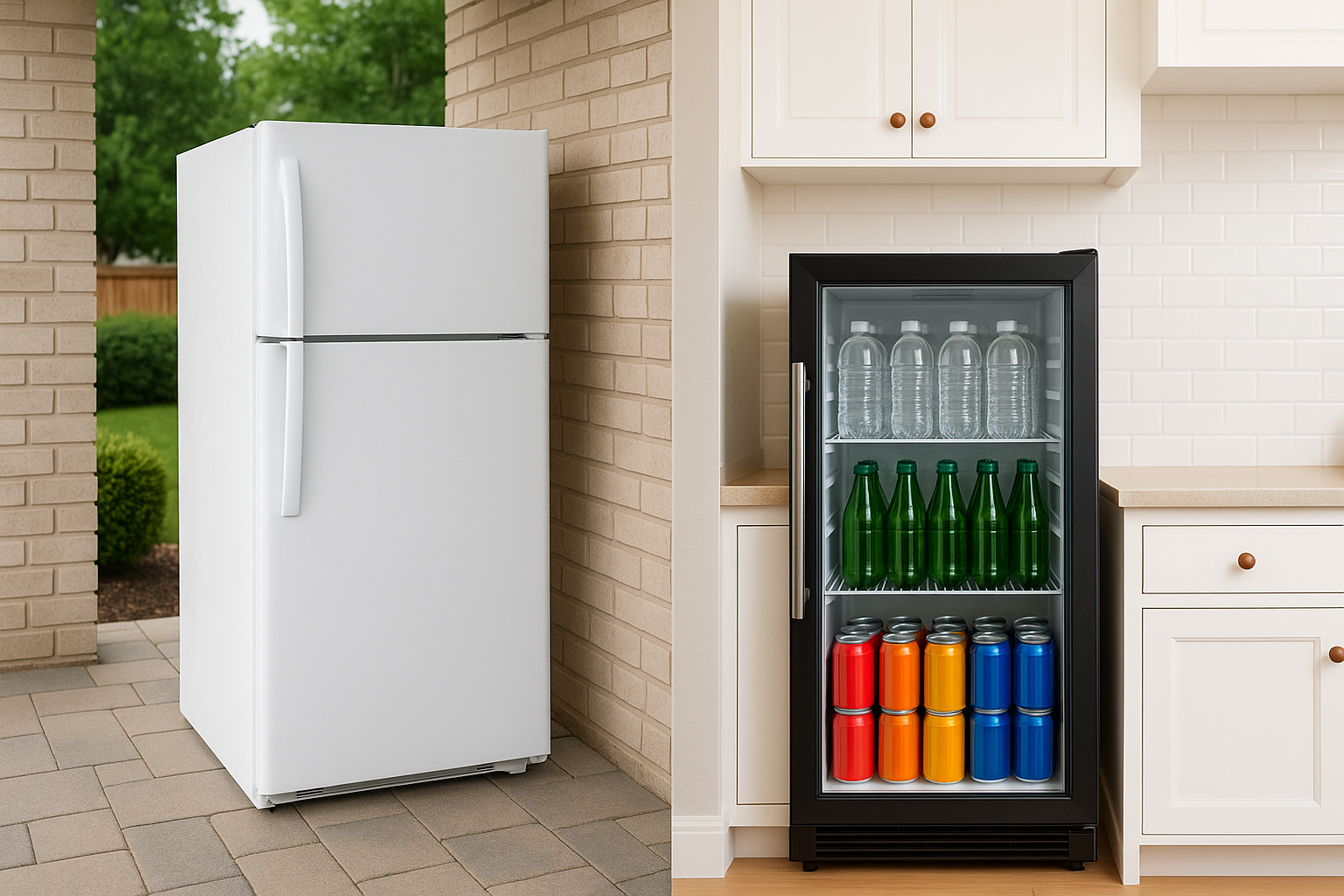
Outdoor Fridge Vs. Refrigerator Cooler
Understanding Outdoor Cooling Options
When you're outfitting your outdoor living space, having the right cooling options for food and beverages is critical for convenience and entertainment. In this section, we'll dissect the principal differences between outdoor fridges and refrigerator coolers and discuss the factors you should consider before making your choice.
Differences Between Outdoor Fridges and Refrigerator Coolers
Outdoor fridges and refrigerator coolers serve a similar purpose but differ in their design, functionality, and suitability for various settings.
| Feature | Outdoor Fridge | Refrigerator Cooler |
|---|---|---|
| Power Source | Electricity | Electricity or Batteries |
| Installation | Built-in or Freestanding | Typically Portable |
| Temperature Control | Precise Thermostat | Pre-set Cooling Ranges |
| Capacity | Generally Larger | Can be Compact |
| Durability | Weather-resistant Materials | Varies, with some designed for rugged use |
Outdoor fridges are electric appliances that can be either built into your outdoor kitchen or stand alone. They offer precise temperature control, often through a thermostat, allowing you to store perishable foods safely. These refrigeration units are designed to withstand temperature fluctuations and outdoor elements.
Refrigerator coolers, on the other hand, tend to be more portable and can sometimes operate on alternative power sources like batteries. They provide a convenient way to keep drinks and snacks cool, though they may not offer the same level of temperature precision as an outdoor fridge.
Factors to Consider Before Choosing
Before deciding on either an outdoor fridge or a refrigerator cooler for your space, consider the following factors:
- Space and Location: Assess the area where you plan to place the unit. If space is limited or you need something movable, a refrigerator cooler might be more suitable.
- Capacity Needs: Determine how much you need to store. If you often entertain large groups, an outdoor fridge may be more appropriate due to its larger capacity.
- Climate and Exposure: Consider the typical weather conditions in your area. If your outdoor space is exposed to harsh elements, you'll need a durable, weather-resistant option.
- Energy Consumption: Outdoor fridges will typically consume more power. If energy efficiency is a concern, look into the energy ratings of each option.
- Usage Frequency: If you frequently entertain outdoors, an outdoor fridge provides the convenience of not having to restock ice or batteries.
- Budget: Outdoor fridges are generally more of an investment than refrigerator coolers. Balance your budget with the features you need.
By evaluating these considerations, you can make an informed decision that aligns with your lifestyle and outdoor entertaining needs. For further comparison on cooling options, you may find it beneficial to read about reach in freezer vs. undercounter refrigerator or the contrast between built in refrigerator vs. mini fridge with freezer. Each article provides insights that could help in determining the best outdoor cooling solution for your home.
Outdoor Fridges
As you look to enhance your outdoor living space, one of the key components you might consider is an outdoor fridge. These refrigeration units are specifically designed to withstand exterior conditions and provide convenience for entertainment areas like patios and poolside.
Features and Functionality
Outdoor fridges are built to operate under a range of weather conditions, ensuring that your beverages and food remain chilled regardless of the outside temperature. Key features typically include:
- Weatherproof construction to handle rain, sun, and varying temperatures
- Robust insulation to maintain consistent internal temperatures
- Stainless steel exteriors for durability and ease of cleaning
- Locking doors for security and safety
- Adjustable shelving to accommodate a variety of items
- Built-in lighting for visibility in low-light conditions
Pros of Using an Outdoor Fridge
Opting for an outdoor fridge brings several benefits:
- Convenience: Keeps refreshments within arm's reach while you're enjoying the outdoors.
- Entertainment: Enhances your ability to host and serve guests without frequent trips inside.
- Design: Offers a sleek addition to your outdoor kitchen or bar area.
- Safety: Reduces the risk of food spoilage by keeping perishables at a safe temperature.
- Value: Can add to the value of your home and appeal to potential buyers.
Cons of Using an Outdoor Fridge
Despite the advantages, there are also some drawbacks to consider:
- Cost: Outdoor fridges can be more expensive than their indoor counterparts due to specialized materials and construction.
- Energy Use: They may consume more electricity to maintain cool temperatures in hot weather.
- Space: Requires dedicated space that may not be available in smaller outdoor areas.
- Maintenance: May require more frequent cleaning and maintenance due to exposure to outdoor elements.
When you're deciding between an outdoor fridge and a refrigerator cooler, weigh these pros and cons in light of your specific needs and usage plans. You may also want to explore other refrigeration options, such as reach in freezers vs. undercounter refrigerators or built in ice makers vs. side by side refrigerators, to find the perfect fit for your outdoor space.
Refrigerator Coolers
Features and Functionality
Refrigerator coolers, often referred to as portable coolers, are designed to be a convenient option for keeping beverages and perishables cold while outdoors. These coolers typically operate using thermoelectric cooling or by being pre-chilled and can be easily transported thanks to their lightweight construction.
- Portable and often lightweight
- Thermoelectric technology or pre-chilled insulation
- Various sizes available for different needs
- Some models are equipped with wheels and handles for ease of mobility
Pros of Using a Refrigerator Cooler
Refrigerator coolers offer several benefits, especially when you require mobility and ease of use. They are an excellent choice for picnics, camping trips, and other outdoor events where traditional refrigeration is not an option.
- Mobility: Easily transported to various outdoor locations.
- Convenience: No need for electricity if pre-chilled; plug-in models can run off car adapters.
- Versatility: Comes in various sizes to accommodate different storage needs.
Cons of Using a Refrigerator Cooler
While refrigerator coolers are convenient, they also have limitations that may affect their suitability for certain situations.
- Limited Cooling Duration: Pre-chilled models can only keep contents cold for a set period before requiring additional ice packs or a power source.
- Energy Dependency: Thermoelectric models require a continuous power source, which may not always be available outdoors.
- Variable Temperature Control: Limited to preset cooling ranges and may not be as precise as an outdoor fridge.
In choosing between an outdoor fridge vs. refrigerator cooler, consider the duration of your outdoor activity, access to power, and the specific cooling needs for your perishables. For a more permanent outdoor cooling solution, you might explore other options such as a reach in freezer vs. undercounter refrigerator or a built in freezer vs. freezerless refrigerator. If you're interested in other comparisons that help you find the right cooling solution for your space and lifestyle, check out articles such as freestanding beverage center vs. mini fridge freezer or bar fridge vs. deep freezer.
Performance in Outdoor Conditions
When considering an outdoor cooling solution, performance under outdoor conditions is a significant factor. It's essential to understand how well outdoor fridges and refrigerator coolers hold up against elements such as temperature fluctuations, humidity, and exposure to weather.
Durability and Weather Resistance
Durability and weather resistance are paramount for any appliance intended for outdoor use. Both outdoor fridges and refrigerator coolers are designed with these factors in mind, but there are some differences in their construction and resilience.
Outdoor fridges are typically built with robust materials to withstand various weather conditions. They often feature weatherproof seals and insulation to maintain consistent internal temperatures and protect against moisture and dust.
| Feature | Outdoor Fridge | Refrigerator Cooler |
|---|---|---|
| Weatherproof Seals | Yes | Varies |
| Insulation | High-quality | Standard |
| Material | Stainless steel, other durable materials | Plastic, metal, other materials |
| UV Protection | Often included | Rarely included |
Refrigerator coolers, while portable and convenient, may not offer the same level of weather resistance as outdoor fridges. Although many models are designed to be durable, they may lack the extensive weatherproofing features present in outdoor fridges. However, some high-end refrigerator coolers come with reinforced exteriors that can handle more severe conditions.
Energy Efficiency in Outdoor Settings
Energy efficiency is another crucial aspect of outdoor cooling performance. In an outdoor setting, appliances often work harder to maintain cool temperatures, especially in warm climates.
Outdoor fridges are designed to be plugged in continuously and are equipped with efficient compressors and insulation to maintain temperature without excessive energy use. They are similar to indoor fridges in their energy consumption, but additional features like exterior fans may increase their energy use.
| Feature | Outdoor Fridge | Refrigerator Cooler |
|---|---|---|
| Continuous Operation | Yes | No |
| Insulation Efficiency | High | Moderate |
| Energy Star Certification | Often available | Rarely applicable |
Refrigerator coolers, on the other hand, may operate using batteries or through a connection to a vehicle's DC outlet. They are not intended for constant use, which affects their energy consumption patterns. These coolers can be energy-efficient due to their intermittent use but may require frequent recharging or power sources, which can be inconvenient in remote outdoor settings.
For a more detailed comparison of energy efficiency and durability among cooling options, you may want to explore articles such as reach in freezer vs. undercounter refrigerator or outdoor freezer vs. deep freezer.
In conclusion, when selecting between an outdoor fridge and a refrigerator cooler, consider how each will perform in terms of durability and energy efficiency in your specific outdoor setting. Assessing these factors will help ensure that you choose the best appliance to meet your outdoor cooling needs.
Installation and Maintenance
Whether you choose an outdoor fridge or a refrigerator cooler, proper installation and regular maintenance are key to ensuring the longevity and optimal performance of your appliance. Here we discuss the setup and installation process, as well as maintenance tips to keep your outdoor cooling solution in top shape.
Setup and Installation Process
The setup and installation of your outdoor cooling appliance can vary based on the type and model you select. Here's a general guide to help you get started:
Outdoor Fridges
- Choose a Location: Select a spot that is shielded from direct sunlight, rain, and extreme weather conditions. Ensure the location is near a power source and has adequate ventilation.
- Leveling: Make sure the fridge is level to ensure proper door function and optimal cooling performance.
- Power Supply: Connect to an electrical outlet that is suitable for outdoor use and has a ground fault circuit interrupter (GFCI) for safety.
- Allow Space: Maintain clearance around the unit as per the manufacturer's recommendations to facilitate air circulation.
Refrigerator Coolers
- Placement: Identify a stable and flat surface to place the cooler, away from direct heat sources.
- Ventilation: Ensure there is enough space around the cooler for air to move freely, even if it's a portable unit.
- Power: If your cooler uses electricity, connect it to an appropriate power source.
For more detailed installation guidance, including considerations for built-in models, refer to additional articles like reach in freezer vs. undercounter refrigerator and built in refrigerator vs. mini fridge with freezer.
Maintenance Tips for Longevity
Maintaining your outdoor fridge or refrigerator cooler is crucial for its durability. Follow these maintenance tips to ensure your appliance serves you well:
Outdoor Fridges
- Cleaning: Regularly clean both the interior and exterior with mild soap and water. Avoid abrasive cleaners.
- Inspect Seals: Check the door seals periodically to ensure they are airtight and replace them if they're worn out.
- Defrosting: If your model is not frost-free, defrost it as needed to prevent ice buildup.
- Check Temperature: Monitor the appliance's temperature and adjust settings as necessary to avoid overworking the unit.
Refrigerator Coolers
- Drainage: After use, drain any melted ice or water to prevent mold and odors.
- Dry Thoroughly: Wipe down the interior and leave the lid open to air dry before storage.
- Exterior Care: Clean the exterior with a damp cloth to remove dirt and debris.
For more information on maintaining specific types of appliances, explore articles like french door refrigerator vs. refrigerator cooler or deep freezer vs. outdoor freezer.
Regular maintenance not only extends the life of your outdoor cooling appliance but also ensures it operates efficiently. By following these setup and maintenance tips, you can enjoy chilled beverages and food during your outdoor gatherings with peace of mind.
Get Your Upgrade or New Addition at Fridge.com
Whether you're searching for your perfect fridge, freezer, wine fridge, beer fridge, ice maker, or kegerator, we have what you need.
Shop the world's best brands at Fridge.com.
We also have tons of awesome articles about kitchen stuff and home news. Enhance your home, garage, backyard, patio, and office with the coolest essentials. With every necessary type of residential refrigerator or freezer in our collection, we've got you covered.
Elevate your game and shop now at Fridge.com!