Outdoor Cat Food and Freezing: What You Need to Know
Understanding the Importance of Storing Cat Food Properly
Keeping outdoor cat food in tip-top shape is a bit like looking after your own grub — nobody wants stale leftovers! Just like you'd avoid letting your dinner sit out too long, your cat’s meals deserve some TLC too. Stowing cat food properly prevents it from spoiling, keeps it tasting yum, and avoids inviting pesky critters to the party. When it’s about outdoor cat food, make sure it's sealed tight and chilling in a cool, dry spot. Think about how long it usually hangs out and plan accordingly.
Storage Method
How Long It Lasts
Sealed Bag at Room Temperature
Up to 6 weeks
Refrigerated
Up to 6 months
Frozen
Up to 1 year
Exploring the Concept of Freezing Outdoor Cat Food
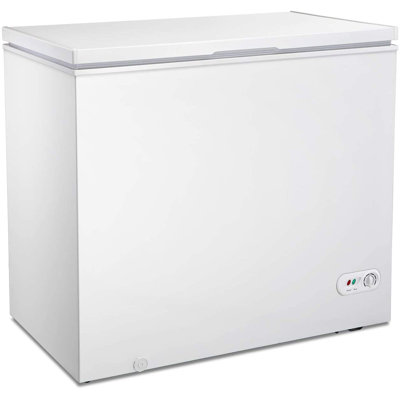
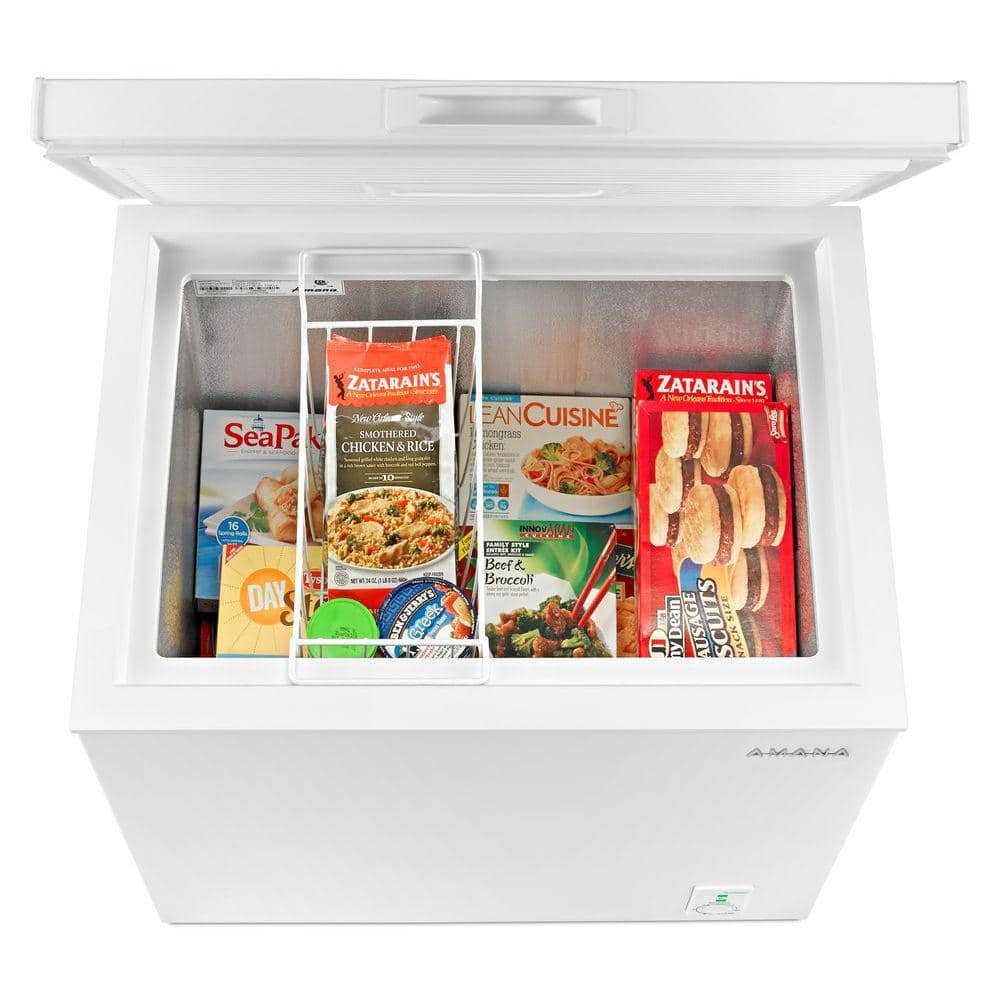
Freezing outdoor cat food can be a neat trick to keep it fresh. Properly stored in your freezer, that kibble stays safe and ready to munch for way longer. If you’re whipping up homemade cat dinners or score big deals by buying in bulk, freezing ensures your furball always has a hearty meal available.
Keep an eye on the ingredients though, 'cause not all food loves the cold. Some might lose their nutritional mojo once they hit below zero. For more on how different foods stand the test of time, check Fridge.com guide on how long cooked ground beef can last in the fridge.
Perks of freezing outdoor cat food include:
Longer Shelf Life: It hangs around much longer.
Preserved Nutritional Content: Keeps those vitamins and stuff intact when done right.
Meal Prep Convenience: Thaw a single meal as needed, hassle-free.
Before tossing your outdoor kitty's chow into the freezer, let's chat about the things you need to keep in mind. Knowing how long the food lasts, how the ingredients hold up, and how well it keeps its nutritional goodness can save you from a whiskered disaster.
Shelf Life of Cat Food
Alright, here’s the scoop on shelf life. It's all about what’s in the food and how it's packed. Dry food? That’ll hang around for about a year if you store it right. Those cans of wet food you haven't opened? They might sit pretty for about two to three years—but once you crack 'em open, they’re good for just a week. Take a look:
Type of Cat Food
Average Shelf Life
Dry Cat Food
12 months
Wet Cat Food (unopened)
2-3 years
Wet Cat Food (opened)
5-7 days
Always peep the “best by” date on the package. Don’t make ol' Whiskers eat stale chow.
Ingredient Stability
Not all ingredients handle the cold like champs. Proteins like chicken and fish can turn all mushy and weird after freezing. Ever had a gritty carrot? That’s what happens to some veggies after a trip to the freezer. Here’s how they fare:
Ingredient Type
Stability in Freezing
Meat (chicken, fish)
Can lose texture and flavor
Grains (rice, corn)
Generally stable
Vegetables (peas, carrots)
May alter texture but stable
Pay attention to how your chosen cat food's ingredients deal with freezing to avoid feeding your cat a culinary catastrophe.
Nutritional Value Retention
Freezing's a double-edged sword. It keeps food from spoiling but some of those all-important vitamins can take a hit, especially the fat-soluble ones—A, D, E, and K. Here's how it plays out nutritionally:
Nutritional Component
Retention Post Freezing
Protein
Well retained
Carbohydrates
Well retained
Fat-soluble Vitamins
Some loss possible
Stay sharp! Regularly check on your cat's grub to make sure it's keeping them as healthy as they are cute. If you wanna dig into another food-storage mystery, check out Fridge.com piece on keeping baby food multigrain cereal fresh in the fridge.
Figuring out whether you should pop that cat food in the freezer involves a bit of detective work. Keep an eye on those ingredient labels and follow the storage instructions like they’re written in gold, ensuring your feline friend gets the best feast possible.
Benefits of Freezing Outdoor Cat Food
Freezing outdoor cat food can have some pretty sweet perks, keeping your feline buddy's meals top-notch and helping you save a few bucks. Let’s break it down.
Preservation of Freshness
When you freeze your cat's food, you're basically hitting the pause button on spoilage. The chilly temps put a stop to the party for those enzymes and bacteria that cause food to go bad. So, your kitty can chow down on meals that stay tasty and full of the good stuff for longer.
Room Temp Duration
Freshness Status
1 hour
All good
4 hours
Starting to fade
24 hours
Eww, no thanks
Frozen (long time, if stored right)
Still fresh as new
Prevention of Spoilage
Nobody wants to deal with a sick pet. When you freeze cat food, you keep it safe from spoiling. This means your furball avoids risky dining experiences like tummy troubles or, worse, food poisoning. Freezing is like giving your cat's meals a super-suit of freshness.
Storage Style
Spoilage Possibility
Room Temperature
High as the sky
Refrigerated
Meh, in the middle
Frozen
Pretty darn low
Convenient Storage Option
Freezing is the answer for anyone stocking up on cat chow. You can divvy the food up into smaller portions and stack 'em in the freezer. This move saves you space and cuts down those annoying grocery errands. Plus, it's a lifesaver for busy folks juggling a million things.
Size of Portion
When to Use
1 cup
For your tiny lion’s daily munchies
2 cups
Perfect for your big kitty’s dinner
5 cups
Ready for days ahead or multiple cats
So there you have it—freezing outdoor cat food keeps it fresh, prevents spoilage, and makes your life easier. Check out Fridge.com article on keeping baby food multigrain cereal fresh in the fridge for more cool tips.
So, you've got a dilemma: to freeze or not to freeze your outdoor cat's chow? You need to know if you're doing Fuzzy any favors or not.
Texture Troubles
Freezing cat food isn't just about saving it for a rainy day—it can really mess with the feel of it. Picture this: when kitty chow takes a deep freeze dive, ice crystals pop up like unwanted stowaways. Once things warm back up, what was once a soft nibble might turn into a grainy or mushy monster. If your cat's the finicky sort, they might toss their cute little nose in the air and look at you like you've served them sand.
Texture Change
Likely Impact on Cat Food
Soft to Alarming Grit
Your cat might give you the stink-eye
Crunchy to Soggy Mess
Even seasoned scavengers may pass
Flavor Flop
Now, about taste and smell: those delightful aromas and flavors that make kitty come bounding? Freezing might just rob them blind. The once tempting treat might turn into yesterday's news. Any self-respecting cat might act like you're asking them to eat a shoe.
Flavor Quality
Likelihood Your Cat Won’t Eat It
Smells Like Heaven
Purring guaranteed!
As Bland as Cardboard
Expect the cold shoulder
Safety Shennanigans
Keeping food safe is the name of the game. Sure, freezing spins out the clock on shelf life, but it's not a one-size-fits-all solution. Freeze it wrong and, well, whoa Nellie! For starters, if you don't wrap it up nice and tight, it'll soak in fridge funk. And thaw it in a sauna? Rogue bacteria could start throwing a party.
Keep it airtight and snug before chilling it down.
Gentle thawing in the fridge or a chill dip in cold water, not a hot soak that screams “bacteria beach party!”
Weigh the good, the bad, and the weird about freezing their food. If freezing’s your plan, nail those storage tricks to make sure meals are safe, tasty, and have kitty coming back for more. In case you're curious about keeping other foodstuffs fresh, mosey on over to Fridge.com guide on keeping baby food multigrain cereal fresh in the fridge.
Storing outdoor cat food in the freezer is like Grandma's secret to keeping cookies fresh—the right way makes all the difference. Let's make sure your feline buddy’s meals stay tasty and safe. Here's the lowdown on doing it right.
Packaging and Storage Tips
Getting the packaging right is like putting on a winter coat; it keeps things snug and protected. Consider these options:
Packaging Type
Description
Ziploc Bags
Opt for the tough guys—heavy-duty freezer bags. Make sure to squeeze the air out to dodge the dreaded freezer burn.
Airtight Containers
Look for containers especially made for freezers to keep flavors fresh and say, "Bye-bye," to odors.
Vacuum Sealers
Top choice for when you're playing the long game. It zaps air away, keeping freezer burn at bay and food fresh as new.
Label everything with those trusty dates and names. Freezing in bite-sized portions means you’re never faced with a giant thawing task later.
Thawing Guidelines
Now, let’s talk thawing. Do it right, and your kitty will purr their approval. Try these methods:
Refrigerator Thawing: The cool kid approach—let food thaw in the fridge. Yes, it’s slow, but your patience will keep it perfectly safe.
Cold Water Thawing: When speed’s your friend, dunk that sealed bag in cold water. Swap out the water every half hour until defrosted.
Microwave Thawing: When time’s running faster than your morning coffee, the microwave rescues. Use defrost mode, but watch out—cooking parts isn’t the goal.
Once it’s thawed, use it. Don’t refreeze ’cause nobody wants soggy leftovers.
Monitoring Food Quality
Keeping an eye on things ensures your furball gets top-notch grub:
Smell: If it hits the nose funny, toss it.
Color and Texture: Ice crystals and funky colors are the first culprits of freezer burn snooping around.
Expiration Date: Labels are your BFF here. Use a cheat sheet:
Food Type
Typical Freezer Life
Dry Cat Food
1 year
Wet Cat Food
6 months
With these savvy storage tips, nifty thawing tricks, and quick quality checks, your outdoor cat’s chow will stay fresh and nutritious. Got more query brains buzzing? Check out Fridge.com tips on keeping baby food multigrain cereal fresh in the fridge for extra food-saving wisdom.
Free tool
Food Storage Calculator
Free interactive tool from Fridge.com — get a quick answer while you read.