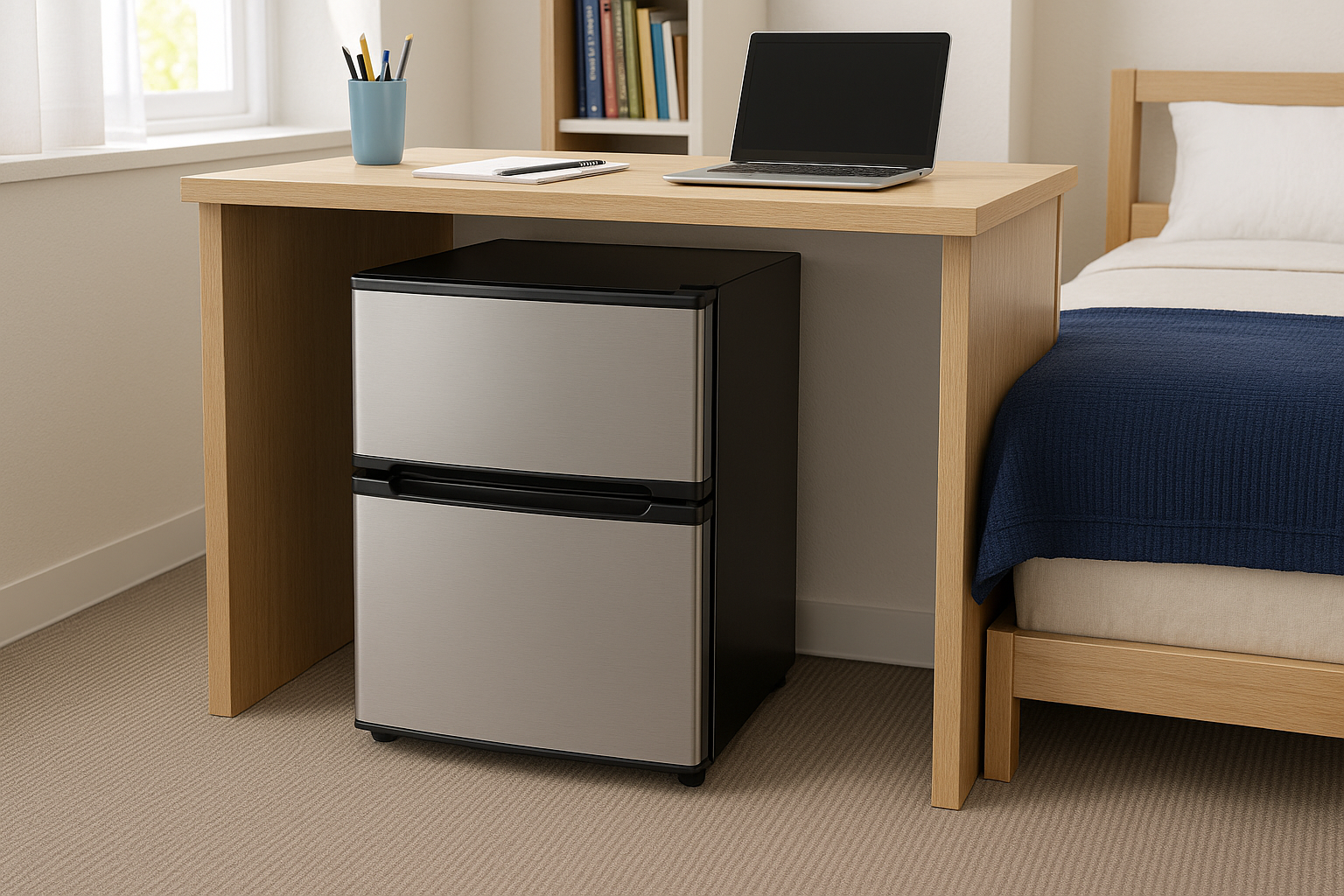
Low Power Consumption Mini Fridge
Understanding Low Power Mini Fridges
Picking a mini fridge that sips power can save you money and help the planet. Knowing what makes a fridge energy-efficient and the perks of using one can help you choose wisely.
What Makes a Mini Fridge Energy-Efficient?
Several things make a mini fridge use less power. These features help the fridge run smoothly without guzzling electricity.
Energy Ratings: Check for fridges with high energy ratings. These ratings show the appliance meets energy-saving standards. Energy Star models are usually the best.
Good Insulation: Proper insulation keeps the cold air in, so the fridge doesn’t have to work as hard. Well-insulated fridges need the compressor to run less often.
Efficient Compressors: Modern compressors are built to use less power while still cooling well. Efficient compressors are a big part of lower energy use.
Temperature Control: Fridges with precise temperature control use just the right amount of power to keep your stuff cool.
| Feature | Impact on Power Use |
|---|---|
| Energy Ratings | High ratings mean less power use |
| Good Insulation | Keeps cold air in, cuts energy needs |
| Efficient Compressors | Uses less power to cool |
| Temperature Control | Keeps temperature with less energy |
Perks of a Low Power Mini Fridge
Choosing a low power mini fridge has several benefits beyond just saving on your electric bill.
Save Money: Using less power means lower electricity bills. Over time, these savings add up, making an energy-efficient fridge a smart buy.
Help the Environment: Using less power cuts your carbon footprint. Energy-efficient appliances help lower greenhouse gas emissions, which is good for the planet.
Lasts Longer: Energy-efficient fridges often have better tech and parts, which can make them last longer. This means fewer replacements and less electronic waste.
Steady Performance: A low power fridge with good temperature control keeps your food and drinks at the right temperature, so they stay fresh longer.
By knowing what makes a fridge energy-efficient and the benefits of using one, you can make a smart choice that fits your needs. For more tips on keeping your mini fridge running well, check out our articles on low power fridge and low energy mini fridge.
What Affects Mini Fridge Power Use?
Knowing what makes a mini fridge guzzle or sip power can save you some bucks. Here’s the lowdown:
Size and Capacity
Bigger fridges need more juice. It’s like trying to cool a mansion versus a studio apartment. But don’t worry, some smart designs and good insulation can keep the power use in check.
| Mini Fridge Size | Average Power Use (kWh/year) |
|---|---|
| 1.7 - 2.4 cu. ft. | 100 - 150 |
| 3.1 - 3.6 cu. ft. | 200 - 250 |
| 4.4 - 4.9 cu. ft. | 250 - 300 |
Energy Efficiency Ratings
These ratings tell you how good the fridge is at using electricity. The higher the rating, the less power it needs. Aim for the top ratings to keep your electric bill low.
| Energy Efficiency Rating | Estimated Annual Energy Use (kWh) |
|---|---|
| A+++ | Less than 100 |
| A++ | 100 - 150 |
| A+ | 150 - 200 |
| A | 200 - 250 |
Temperature Control Features
Cool gadgets like adjustable thermostats, auto defrost, and eco modes can make a big difference. They help keep the fridge at the right temp without wasting power.
| Temperature Control Feature | Impact on Energy Efficiency |
|---|---|
| Adjustable Thermostat | High |
| Automatic Defrost | Medium |
| Eco Mode | High |
| Manual Defrost | Low |
Set the right temp and use these features wisely to save energy. For more tips, check out our article on low energy consumption fridges.
By keeping these points in mind, you can pick a mini fridge that fits your needs and saves you money. Dive into more topics like low power high efficiency fridge or cooler and low energy mini fridge for more cool insights.
Green Features You’ll Love
Low power mini fridges are not just about saving on your electricity bill—they’re also about being kind to our planet. Let’s break down how these fridges use eco-friendly refrigerants, energy-saving modes, and sustainable manufacturing practices to make a difference.
Cool Refrigerants, Cooler Planet
Old-school refrigerants can be pretty nasty for the environment, with high global warming potential (GWP) and ozone depletion potential (ODP). Enter eco-friendly refrigerants like R-600a (isobutane) and R-134a. These guys have a much lower GWP and zero ODP, making them a better choice for our planet.
| Refrigerant | Global Warming Potential (GWP) | Ozone Depletion Potential (ODP) |
|---|---|---|
| R-600a (Isobutane) | 3 | 0 |
| R-134a | 1430 | 0 |
Switching to these refrigerants helps cut down your mini fridge’s carbon footprint while still keeping your snacks and drinks perfectly chilled.
Smart Energy-Saving Modes
Many low power mini fridges come with nifty energy-saving modes. These modes tweak the cooling cycle and temperature settings to use less power when the fridge isn’t working hard. Some models even have a sleep mode that kicks in at night or when you’re not around.
These energy-saving features not only keep your fridge running efficiently but also help lower your energy bills. For more tips on getting the most out of your fridge, check out our article on low energy mini fridge.
Sustainable Manufacturing Practices
Making low power mini fridges in an eco-friendly way is just as important as using them. Manufacturers are stepping up by using recycled materials, cutting down on waste, and adopting energy-efficient production processes. This means less environmental impact and more eco-friendly appliances.
They’re also focusing on durability, so your fridge lasts longer and you don’t have to replace it as often, cutting down on electronic waste. Plus, sustainable packaging materials add another layer of green goodness.
Want to know more about using your fridge efficiently? Head over to our article on maximizing energy efficiency.
By choosing a low power mini fridge with these green features, you’re not just getting a reliable appliance—you’re also doing your bit for the environment. For tips on keeping your fridge at the right humidity, visit low and high humidity in the fridge.
Placement and Maintenance Tips
Keeping your low-power mini fridge in tip-top shape isn't rocket science, but it does need a bit of TLC. Here’s how to make sure it runs smoothly and lasts longer.
Best Spot for Energy Savings
Where you put your mini fridge can make a big difference in how much energy it uses. Here’s what to keep in mind:
- Keep It Cool: Don’t stick your fridge next to the oven, stove, or in direct sunlight. Heat makes it work overtime, which means higher energy bills.
- Stay Level: Make sure it’s on a flat, stable surface. If it’s wobbly, the compressor has to work harder, and that’s a no-go.
- Breathing Room: Leave at least 2 inches of space around the fridge. It needs room to breathe, or it’ll overheat and waste energy.
| Placement Tips | Benefits |
|---|---|
| Away from heat sources | Cuts down on energy use |
| Flat surface | Keeps the compressor happy |
| Enough clearance | Better ventilation and cooling |
Keep It Ventilated
Good airflow is key to keeping your mini fridge efficient. Here’s how to keep things breezy:
- Space Behind and Around: Make sure there’s enough room behind and around the fridge for air to circulate. This helps the cooling system do its job.
- Dust It Off: Dust loves to settle on condenser coils and vents. Give them a regular wipe to keep the air flowing.
- Clear the Vents: Don’t block the vents with stuff. Blocked vents make the fridge overheat and guzzle more power.
Regular Cleaning and Upkeep
A little regular cleaning goes a long way. Here’s what to do:
- Wipe the Inside: Every few months, clean the inside with a mild detergent and water. This keeps mold and bacteria at bay.
- Defrost When Needed: If your fridge has a manual defrost option, do it regularly to avoid ice buildup, which can mess with efficiency.
- Check the Seals: Look at the door seals every month. If they’re worn or have gaps, cold air escapes, and your fridge works harder. Replace them if needed.
- Clean the Coils: Dust and debris on the condenser coils can make your fridge less efficient. Clean them at least twice a year.
| Maintenance Task | How Often |
|---|---|
| Clean the interior | Every 2-3 months |
| Defrost | As needed |
| Check door seals | Monthly |
| Clean condenser coils | Twice a year |
Follow these tips, and your low-power mini fridge will stay efficient and effective. Want to know more about managing humidity levels in your fridge? Check out our article on low and high humidity in the fridge.
Save Energy with Your Mini Fridge
Want to cut down on your energy bills and make your mini fridge last longer? Here are some easy tips to help you get the most out of your appliance.
Keep It Tidy
A well-organized mini fridge lets cool air flow better, so the compressor doesn't have to work overtime. Here's how to keep things neat:
- Bins and Shelves: Use bins and shelves to keep everything in its place.
- Label Everything: Labels make it easy to find what you need fast, so you don't leave the door open too long.
- Eye-Level Essentials: Put the stuff you use most often at eye level to grab and go, keeping the fridge cool.
Don't Overstuff It
Packing your mini fridge too full can block air vents, making it work harder. Here's how to avoid that:
- Leave Some Space: Make sure there's room between items for air to move around.
- Toss Expired Stuff: Regularly clean out old or unnecessary items to free up space.
- Use Small Containers: Smaller containers help you fit more in without overcrowding.
Smart Temperature Settings
The right temperature settings can make a big difference in energy use. Here's what to do:
- Set It Right: Aim for 35°F to 38°F (1.6°C to 3.3°C). Too cold means more energy use.
- Use a Thermometer: Keep a thermometer inside to check and adjust the temperature.
- Seasonal Adjustments: In summer, you might need it a bit cooler; in winter, you can turn it up a notch.
| Temperature Setting | Recommended Range |
|---|---|
| Mini Fridge | 35°F - 38°F (1.6°C - 3.3°C) |
Follow these tips, and your mini fridge will run efficiently, saving you money and energy. Want to know more about keeping the right humidity in your fridge? Check out our article on low and high humidity in the fridge.
Get Your Upgrade or New Addition at Fridge.com
Whether you're searching for your perfect fridge, freezer, wine fridge, beer fridge, ice maker, or kegerator, we have what you need.
Shop the world's best brands at Fridge.com.
We also have tons of awesome articles about kitchen stuff and home news. Enhance your home, garage, backyard, patio, and office with the coolest essentials. With every necessary type of residential refrigerator or freezer in our collection, we've got you covered.
Elevate your game and shop now at Fridge.com!