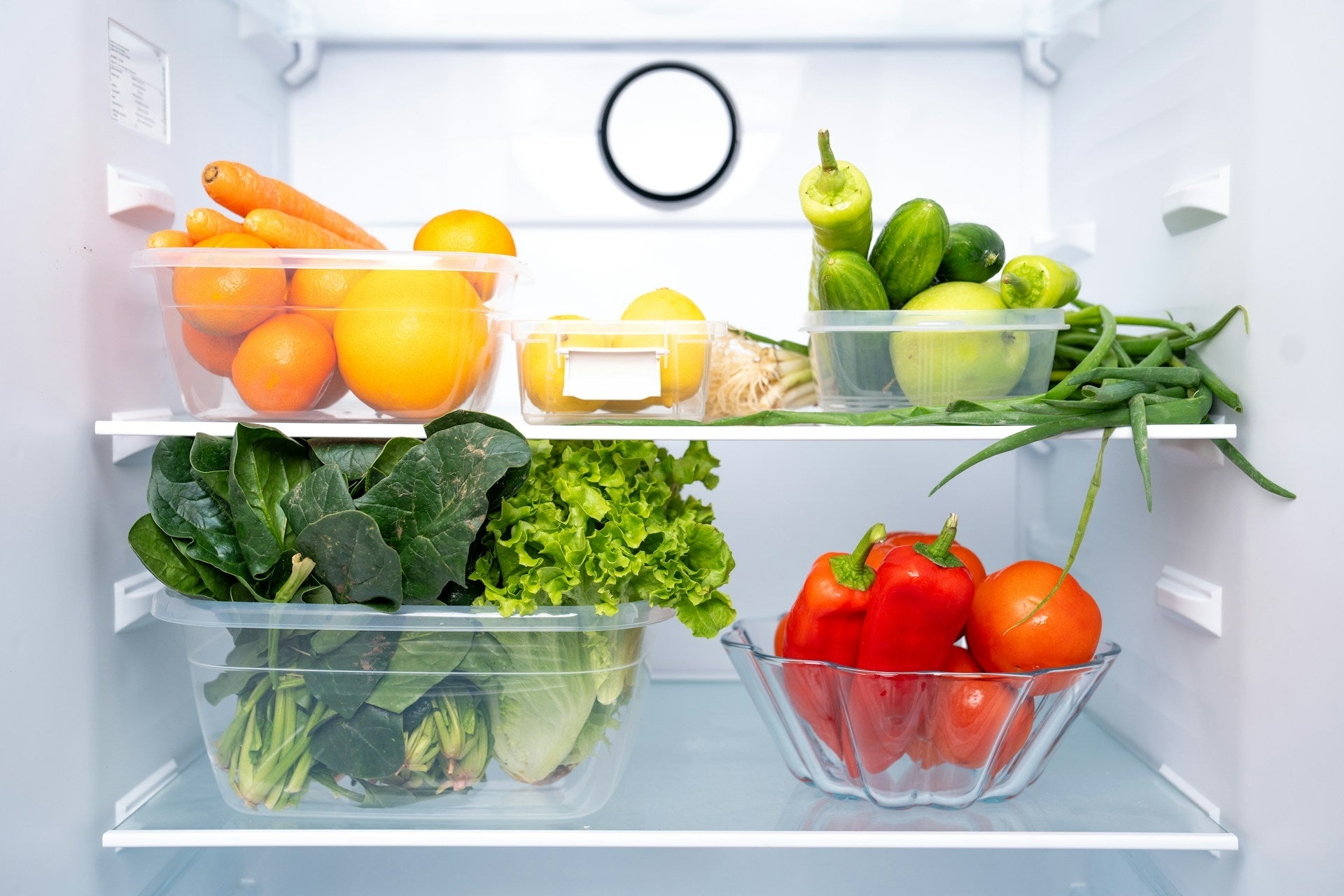
Keeping Your Fridge Fresh: The Scoop on Humidity
Ever wondered why some foods stay fresh longer in the fridge while others seem to spoil overnight? It all boils down to humidity. Let’s break down why humidity matters and how it affects your groceries.
Why Humidity Matters
Humidity in your fridge is like the secret sauce for keeping food fresh. Too dry, and your food shrivels up. Too moist, and it turns into a science experiment. Get it just right, and you’ll be tossing less food and saving more money.
| Humidity Level | What It Does to Your Food |
|---|---|
| Low Humidity | Stops mold, great for fruits and veggies that rot easily |
| High Humidity | Keeps leafy greens and moisture-loving produce crisp, stops wilting |
Low Vs. High Humidity: What’s the Deal?
Knowing how different humidity levels affect your food helps you store stuff better.
Low Humidity
Low humidity is your best friend for foods that hate moisture. Think:
- Apples and pears
- Onions and garlic
- Bread
These items stay firm and fresh longer in a drier environment.
High Humidity
High humidity is a lifesaver for foods that need a bit of moisture to stay fresh. This includes:
- Lettuce and spinach
- Fresh herbs
- Berries
High humidity keeps these foods from wilting and helps them stay crisp.
For more handy tips on managing your fridge's humidity, check out our guides on low humidity fridge and low humidity fridge drawer. Keeping your fridge at the right humidity level means fresher food, less waste, and a happier kitchen.
Low Humidity in the Fridge
Why Your Fridge Feels Like a Desert
Ever wonder why your fridge feels like the Sahara? Low humidity can happen for a few reasons. First off, if you're constantly opening the fridge door, you're letting in dry air from the room, which sucks out the moisture. Also, if your fridge is set to a super cold temperature, it can dry things out faster than you can say "frozen tundra." And let's not forget about that fridge door seal—if it's not tight, moisture escapes, leaving your food high and dry.
What Happens to Your Food
Low humidity can really mess with your food. Fresh produce, for example, can go from crisp to limp in no time. Leafy greens might look like they've seen better days, and berries can turn into sad, shriveled versions of themselves.
Here's a quick rundown of what low humidity does to different foods:
| Food Type | What Happens |
|---|---|
| Leafy Greens | Wilted, limp |
| Berries | Shriveled, less juicy |
| Herbs | Dry, brittle |
| Bread | Stale, hard |
| Cheese | Dry, hard edges |
To keep your food from turning into a science experiment, you need to manage the humidity in your fridge. Store your food in airtight containers or use the crisper drawer to keep things fresh. Want more tips on how to organize your fridge for the best humidity? Check out our section on low humidity fridge drawer.
High Humidity in the Fridge
Keeping your food fresh and tasty means understanding why your fridge might feel like a rainforest sometimes.
Why Your Fridge Feels Like a Sauna
So, why is your fridge so humid? Well, it could be because you keep opening and closing the door, letting in all that outside moisture. Or maybe you've got food in there that's not covered properly, releasing water into the air. And let's not forget, sometimes the fridge itself isn't doing its job right, failing to keep the humidity in check.
What Happens to Your Food
High humidity can be a mixed bag for your food. Some stuff loves it, while other items, not so much.
| Food Type | What Happens in High Humidity |
|---|---|
| Leafy Greens | Stay crisp and fresh |
| Berries | Mold and spoilage risk goes up |
| Bread | Gets soggy and gross |
| Dairy Products | Spoils faster due to bacteria |
Leafy greens thrive in high humidity, staying nice and crisp. But berries? They start growing mold and spoil quicker. Bread absorbs all that moisture and turns into a soggy mess. Dairy products? They spoil faster because bacteria love the moisture.
Keeping the right humidity levels is key to making sure your food stays good. Check out our tips on Managing Humidity Levels to keep everything in check. And if you want to get serious about organizing your fridge, our guide on Organizing Your Fridge for Optimal Humidity has got you covered.
Keeping Your Fridge Just Right
Keeping the right humidity in your fridge is key to making your food last longer and taste better. Here’s how you can tweak those levels to keep everything fresh.
How to Up the Humidity
- Use Those Crisper Drawers: Crisper drawers are your best friends for keeping veggies like lettuce and spinach fresh. They’re made to hold in more moisture.
- Seal It Up: Put your fruits and veggies in airtight containers. This keeps them from drying out and losing their crunch.
- Cover Your Leftovers: Use plastic wrap or reusable covers to keep your leftovers from getting all dried out.
- Add Some Moisture: Toss a damp paper towel or a small cup of water in the crisper drawer to boost the humidity.
How to Lower the Humidity
- Open Crisper Vents: Let some air in by opening the vents in your crisper drawers. This helps keep things like apples and pears from getting too soggy.
- Use Moisture Absorbers: A small bowl of baking soda or some silica gel packets can soak up extra moisture in your fridge.
- Don’t Overstuff: Give your food some breathing room. Overcrowding stops air from circulating, which can make things too humid.
- Perforated Bags: Store produce that likes it dry in perforated or mesh bags. This lets air flow around them and keeps them from getting too moist.
Keeping an eye on your fridge’s humidity can make a big difference in how long your food stays good. For more tips on keeping your fridge in top shape, check out our articles on low humidity fridge drawer and low humidity fridge.
Keep Your Fridge Fresh: A Guide to Optimal Humidity
Want your food to stay fresh longer? It all starts with how you organize your fridge. Let's break down the best ways to place your food and use storage containers to keep everything crisp and tasty.
Where to Put Your Food
Believe it or not, where you stash your groceries in the fridge can make a big difference. Different spots have different humidity levels, so let's get it right.
- High-Humidity Drawers (Crisper Drawers):
- Veggies: Leafy greens, broccoli, and cucumbers love it here.
- Fruits: Apples, berries, and grapes will thank you.
- Low-Humidity Drawers:
- Fruits: Citrus fruits, avocados, and tomatoes prefer it dry.
- Veggies: Peppers and mushrooms do better here.
- Main Compartment:
- Dairy: Milk, cheese, and yogurt should chill on the upper shelves.
- Meat and Fish: Keep these on the lower shelves to avoid any nasty spills.
- Fridge Door:
- Condiments: Sauces, dressings, and other condiments fit perfectly.
- Drinks: Juices, sodas, and other beverages are right at home here.
Smart Storage Containers
Using the right containers can make a world of difference. Here’s how to keep your food fresh and happy.
- Airtight Containers:
- Perfect for leftovers and perishables, keeping moisture locked in.
- Perforated Bags:
- Great for fruits and veggies, allowing just the right amount of airflow.
- Glass Containers:
- Ideal for cooked food. They don’t absorb odors and are a breeze to clean.
- Humidity-Controlled Containers:
- Adjustable vents let you control the humidity for specific items.
| Storage Method | Best For | Why It Works |
|---|---|---|
| Airtight Containers | Leftovers, Dairy | Keeps moisture in |
| Perforated Bags | Fruits, Veggies | Airflow with moisture retention |
| Glass Containers | Cooked Food | Odor-free, easy to clean |
| Humidity-Controlled Containers | Veggies, Fruits | Customizable humidity |
Organizing your fridge the right way not only keeps the humidity levels in check but also ensures your food stays fresh and safe. For more handy tips, check out our articles on low humidity fridge drawer and low humidity fridge.
Keeping Your Fridge Fresh: Maintenance and Troubleshooting
Want your food to stay fresh longer? Keeping an eye on your fridge's humidity levels is key. Here’s a simple guide to help you check and tweak those settings, plus spot any signs that things might be off.
Tweaking Humidity Controls
Getting the humidity just right in your fridge can make a big difference. Here’s how to do it:
Find the Controls: Most fridges have humidity controls in the crisper drawers. These let you set low or high humidity.
Low Humidity: For fruits like apples and pears that release ethylene gas, set the control to low. This lets more air in, reducing moisture.
High Humidity: For veggies and leafy greens, go for high humidity. This keeps the air in and moisture up, so they stay crisp.
Adjust as Needed: Use the slider or dial to set the right level for what you’re storing. Check these settings regularly to keep them spot on.
| Humidity Setting | Best For | Examples |
|---|---|---|
| Low Humidity | Ethylene-emitting fruits | Apples, Pears |
| High Humidity | Moisture-loving veggies | Lettuce, Spinach |
Need more tips on organizing your fridge? Check out our guide on food placement.
Spotting Humidity Problems
Not sure if your fridge’s humidity is off? Here’s what to look for:
Condensation: If you see water droplets on the walls or shelves, your fridge might be too humid. This can lead to mold and spoilage.
Wilting or Drying Out: If your produce is wilting or drying out fast, the humidity might be too low. Adjust the controls to keep things moist.
Spoiled Food: If your food is going bad quickly, the humidity levels might need tweaking. Check and adjust the settings.
Mold Growth: Mold on food or inside the fridge is a sure sign of high humidity. Clean it up and lower the humidity settings.
Keeping an eye on these signs and adjusting the humidity can help keep your food fresh. For more tips, visit our sections on increasing humidity and decreasing humidity.
Stay on top of these adjustments, and you’ll make the most of your fridge, keeping your food fresh and tasty.
Get Your Upgrade or New Addition at Fridge.com
Whether you're searching for your perfect fridge, freezer, wine fridge, beer fridge, ice maker, or kegerator, we have what you need.
Shop the world's best brands at Fridge.com.
We also have tons of awesome articles about kitchen stuff and home news. Enhance your home, garage, backyard, patio, and office with the coolest essentials. With every necessary type of residential refrigerator or freezer in our collection, we've got you covered.
Elevate your game and shop now at Fridge.com!