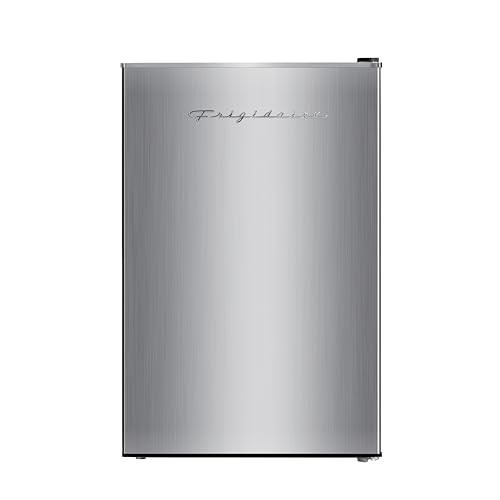
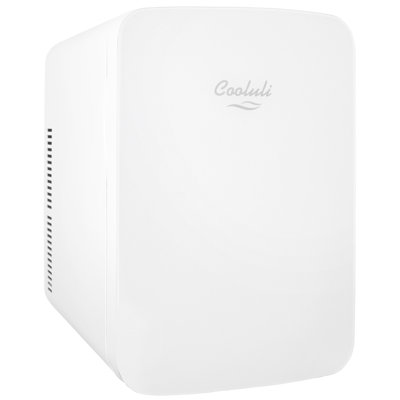
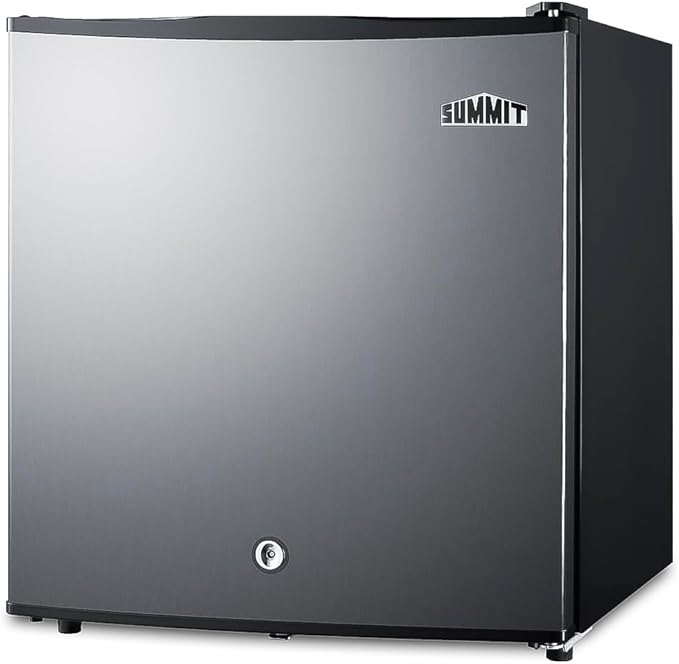
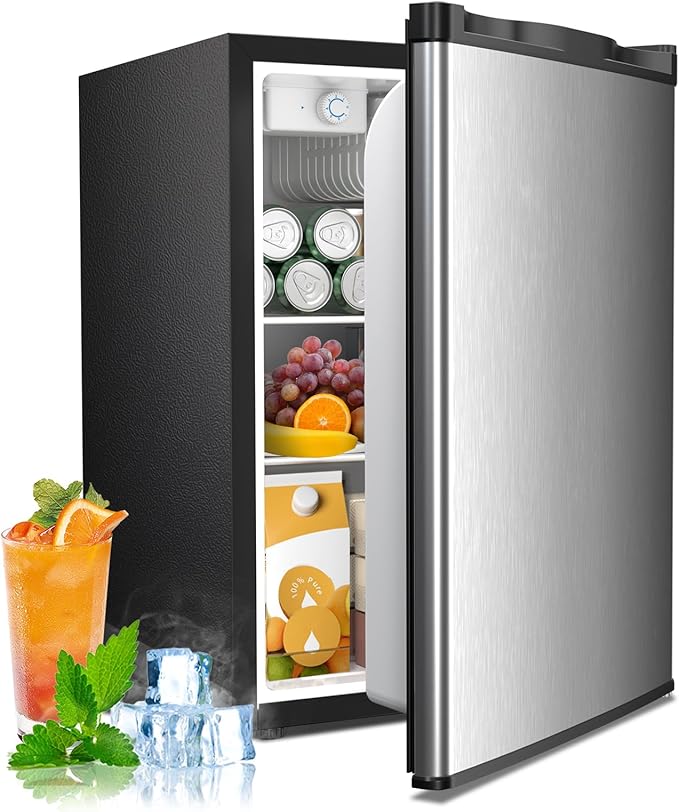
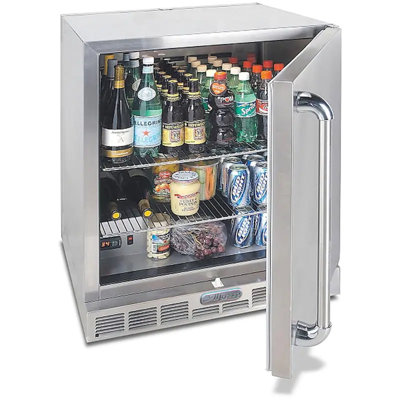
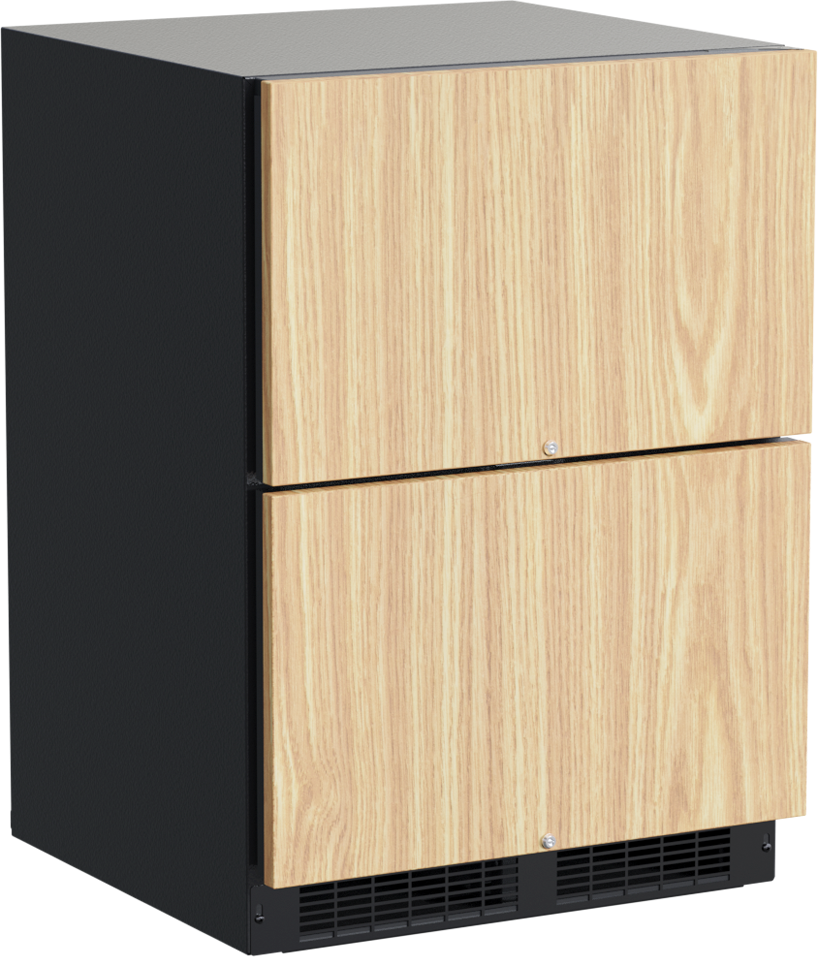
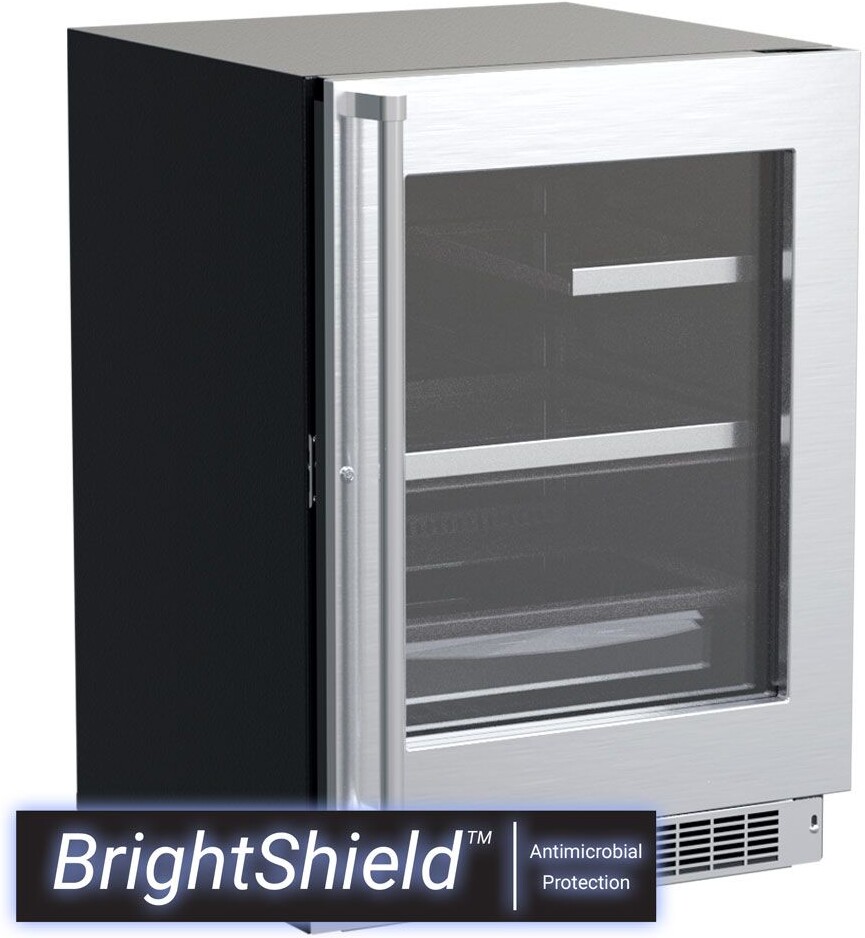
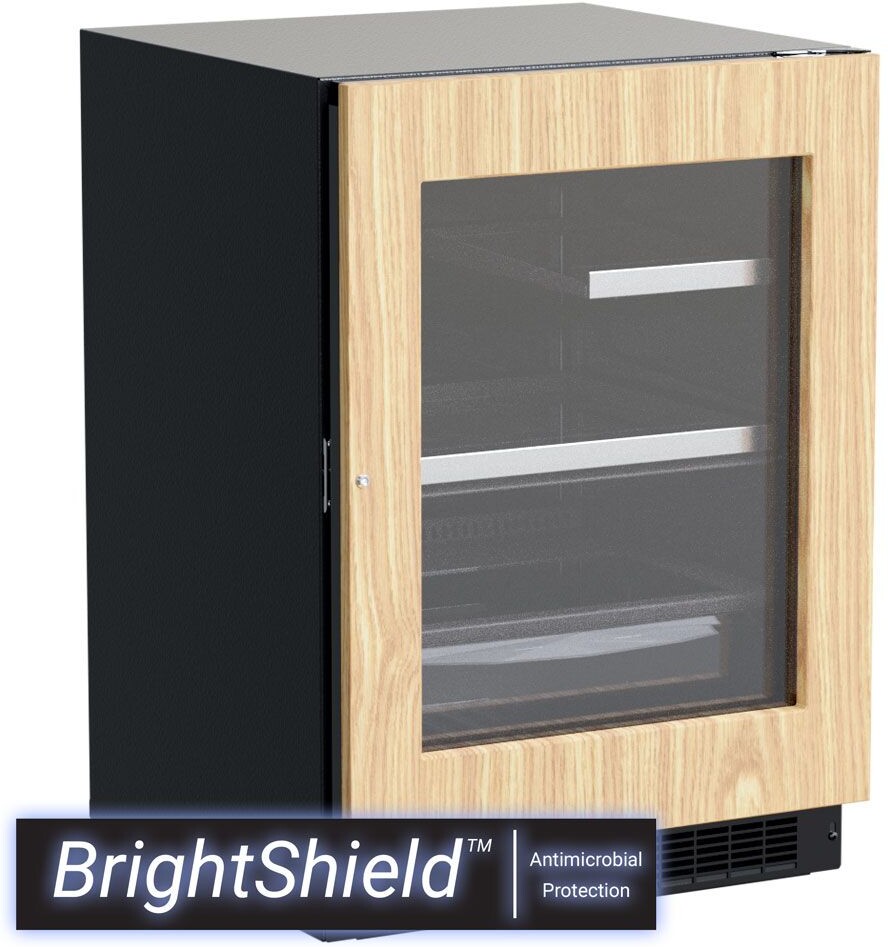
When you think about your bills, your fridge might not be the first thing that pops into your head. But it's in the kitchen running 24/7 and sucking up electricity like it's nobody's business! Ever wondered if a smaller fridge would save you some bucks? Well, it depends on stuff like how big it is, how it's made, and how you use it.
Figuring out how much juice your fridge uses is usually done with this thing called kilowatt-hours (kWh) per year. If your fridge is an energy sipper instead of a guzzler, that's better for your wallet. Knowing this stuff will help you pick the right fridge for your pad!
Factors Affecting Fridge Running Costs
What's the deal with your electric bill? Some things can make that number climb when it comes to your fridge. Check out the main culprits:
Factor
Description
Size
The bigger the fridge, the more energy it munches through. Smaller ones might use less, but it also depends on how efficient they are.
Age
The grandpa of fridges (older models) usually gobbles up more power.
Location
Heat's the enemy! Keep your fridge away from hot spots to save energy.
Usage Patterns
How you use it matters. Constant door swinging and poor stacking can make it use more power.
Check out these things and you'll get a grip on how much energy your fridge is wolfing down—and you might save some dough by making changes. For tips on keeping it in tip-top shape, give Fridge.com guides a look-see on deep cleaning your fridge and keeping that fridge door seal intact.
So, you're thinking about a fridge, huh? Well, turns out, size isn't just something they talk about in gym commercials. It's pretty important when it comes to saving you some cash and keeping your energy bills in check. Let’s figure out if a tiny fridge really is the budget-friendly superstar it claims to be.
What's Up with Fridge Size?
More fridge space means more energy burning—let's make that clear from the get-go. A bigger fridge needs to work overtime to keep all that extra space cool. But hey, it's not just the size that matters; how the fridge’s designed can also mess with your electric bill. So when you're pondering over whether to go with a little fridge or one you could live in, think about what your family really needs…and maybe how often you plan to open that door after midnight.
Here's the lowdown on energy slurping by size:
Fridge Size
Average Energy Consumption (kWh/year)
Small (10 - 14 cu. ft.)
200 - 400
Medium (15 - 20 cu. ft.)
400 - 700
Large (21+ cu. ft.)
700 - 1000+
The Face-off: Small Vs. Large Fridges
Both fridge sizes come with their own quirks. Small fridges are like the tiny house of the appliance world—cute, cozy, and good for saving energy. But back-to-back trips to the grocery store could get old, fast. Maybe not so ideal if you're feeding a small army.
Big fridges, on the other hand, are your trusty sidekick for food hoarding. They'll save you time, but the energy bills might make you want to hide your eyes.
Here’s what your wallet might be looking at:
Fridge Size
Estimated Annual Cost ($/year)
Small (10 - 14 cu. ft.)
$30 - $70
Medium (15 - 20 cu. ft.)
$70 - $130
Large (21+ cu. ft.)
$130 - $250
When picking a fridge, think about what you actually do with it. Are you the chef at every family gathering? You might need a big guy. But remember to check those energy-efficiency stars before you hit "add to cart"—a big fridge with a shiny rating may actually be the rockstar you need instead of a dud small one. For more geeky details on this, take a peek at Fridge.com article on fridge energy ratings explained.
To wrap it up, getting to grips with how fridge size bites into your energy consumption is your best bet for choosing wisely. Consider your cooking habits, family size, and how many times you're shopping for groceries a week—not to mention those midnight snack runs.
Efficiency and Energy Labels
Wrapping your head around energy efficiency ratings and those nifty energy consumption labels can make all the difference when it comes to figuring out how much it costs to keep that fridge of yours humming. It's pretty handy for families, chefs, food lovers, and roommates who really want to keep tabs on their energy use without breaking the bank.
Energy Efficiency Ratings
So, what’s the deal with energy efficiency ratings? They clue you in on how well your fridge pulls its weight compared to others. Most of 'em have a star rating slapped on 'em, kind of like getting a gold star in school. The more stars, the more efficient your fridge is. Here’s a quick rundown:
Star Rating
What It Means
1 Star
Not too hot on the efficiency front, so expect bigger bills.
2 Stars
Meh, fair amount of juice used, bills are okay.
3 Stars
Pretty good, holds its own when it comes to efficiency.
4 Stars
Solid, won’t drain your wallet.
5 Stars
Cream of the crop, barely sips electricity.
Opting for a fridge brimming with stars could mean more dollars in your pocket when those bills roll in. Want the down-low on energy impact? Peep Fridge.com page on fridge energy ratings explained.
Interpreting Energy Consumption Labels
Energy consumption labels aren’t just there for good looks; they're like a crystal ball for your electricity usage. They tell you in kilowatt-hours (kWh) how much energy your fridge is churning through each year. This helps you figure out what’s what on the cost front. Peek at this sample label breakdown:
Energy Consumption
Yearly kWh
Cost per kWh
Total Yearly Cost
Low
200
$0.12
$24
Medium
400
$0.12
$48
High
600
$0.12
$72
To really cash in on this, pair it up with your local electricity rates to see what you’re shelling out per year. This'll help you nail down if a pint-sized fridge might actually cost less to run than its ginormous cousins. For more guts on choosing the perfect gadget, skip over to Fridge.com article on how do I choose a good refrigerator?.
Your fridge can be an energy hog, bumping up those monthly bills. But with a few nifty tricks, you can keep your food cool and your wallet full. Let's get those savings rolling!
Organizing Your Fridge Efficiently
An organized fridge is like a well-rehearsed symphony – everything in its place and playing its part. Here’s how to score some cool points:
Friendship Groups: Stack veggies, fruits, dairy, and leftovers like old pals. This way, you don’t spend forever with the door wide open hunting down that jar of pickles.
See-Through Magic: Keep things in clear containers. It’s like having x-ray vision, but for snack time.
Back Off: Give that fridge back some breathing room. When air flows freely, everyone's cooler.
Think of your fridge as a neighborhood, and here’s the map:
Zone
Best For
Top Shelves
Drinks, leftovers
Middle Shelves
Dairy goods
Bottom Shelves
Meats, fish
Crisper Drawers
Fruits and vegetables
Door
Condiments and juices
Regular Maintenance for Optimal Performance
Keeping your fridge in tip-top shape is like feeding it its veggies. Here’s how to keep it running like a champ:
Dust Busters: Get rid of the gunk on those coils. Do a little cleaning every six months so it doesn’t break a sweat keeping things cold.
Seal the Deal: Make sure those door seals are hugging tight. If they aren't, cold air sneaks out, and that's no fun for your energy bill. Got a problem? Check out how to do a refrigerator door seal replacement.
Stick to these and you're on your way to a cheaper energy bill and fresher food. If things still go wonky, pop into our fridge not cooling but light is on guide for some quick fixes!
Thinking about getting a small fridge? Good call! But first, let’s chat about what you really need when it comes to keeping your grub cool. Everyone's got their way of doing the grocery hustle – whether you’re feeding a squad or flying solo in a cozy pad with little kitchen action.
Here's some food for thought:
Food Types: Do veggie runs rule your shopping list or is it the takeout life for you? If you're always stocking up on fresh greens, a roomier fridge might be your kitchen's BFF.
Meal Prep Style: You a culinary wizard or more of a once-in-a-while microwaver? If pots and pans get a workout, you'll want more fridge real estate.
Party Vibes: Are your place the go-to for shindigs or birthday bashes? A bigger fridge can be a lifesaver when you're jamming it full of goodies.
Organizer or Stacker?: You the kind who lines up mustard bottles or just shove stuff in? Extra shelves and cubbies can keep your fridge looking sharp.
Here’s a quick cheat-sheet for matching fridge sizes to your crew:
People at Home
Size to Consider
1-2 folks
10-15 cu. ft.
3-4 folks
15-20 cu. ft.
Family plus pets
20+ cu. ft.
Think through your needs, and you’ll nail picking the right fridge for your crew.
Making an Informed Decision
Once you’ve pinned down your refrigeration needs, it’s time to figure out if a smaller fridge is the way to go. Keep your eye on these highlights:
Bills & Bucks: Tiny fridges often sip electricity, which means lower power bills. So, for that age-old question of whether a small fridge can save you a buck, the answer's probably yes!
Fit & Function: Measure the nook where your fridge will live. You want breathing room around it—tight squeezes hurt its chill factor. Fridge.com guide will walk you through the detail on how do I choose a good refrigerator?.
Energy Smarts: Scour the energy labels on any model you fancy. A pint-sized, energy-savvy fridge in the lineup can keep more change in your pocket over time. For clarity, head over to fridge energy ratings explained.
The Future Forecast: Changes coming around the bend? Your tribe might grow, or your diet could swing another way. Maybe get a bit of wiggle room with a fridge that's got a tad more space.
Fridge-Freezer Combo or Not?: Deciding to ditch the freezer? Make sure that jives with your lifestyle. If you’re lean towards chilling without freezing, have a peek at Fridge.com guide on fridges without freezer compartments.
Taking the time to scope out your needs and dig into these tips means you’ll pick a fridge that vibes with your life, without busting your budget.
Frequently Asked Questions
More fridge space means more energy burning—let's make that clear from the get-go. A bigger fridge needs to work overtime to keep all that extra space cool. But hey, it's not just the size that matters; how the fridge’s designed can also mess with your electric bill. So when you're pondering over whether to go with a little fridge or one you could live in, think about what your family really needs…and maybe how often you plan to open that door after midnight. Here's the lowdown on energy slurping by size:. Fridge Size.
Average Energy Consumption (kWh/year).
.
Small (10 - 14 cu. ft.).
200 - 400.
.
Medium (15 - 20 cu. ft.).
400 - 700.
.
Large (21+ cu. ft.).
700 - 1000+.
.