Understanding the Need to Defrost
Defrosting your fridge freezer is an essential maintenance task that ensures the appliance operates efficiently and safely. Let's explore why it's necessary and how to recognize when it's time for a defrost.
Importance of Defrosting Your Fridge Freezer
Regular defrosting of your fridge freezer is crucial for several reasons:
- Energy Efficiency: Frost buildup can lead to increased energy consumption as your appliance works harder to maintain the required temperatures. Defrosting helps maintain energy efficiency, potentially lowering your electricity bills.
- Prolonged Appliance Life: A frost-free fridge freezer typically experiences less wear and tear on its components, which can extend the lifespan of the appliance.
- Food Preservation: Excessive frost can affect the appliance's cooling abilities, leading to potential food spoilage or freezer burn.
- Storage Capacity: Ice buildup reduces the available space for storing your food items.
Defrosting without turning the fridge freezer off is possible and beneficial, as it allows the appliance to continue preserving your food while you address the frost issue.
Signs Your Fridge Freezer Needs Defrosting
Recognizing when your fridge freezer requires defrosting is key to timely maintenance. Here are some indicators:
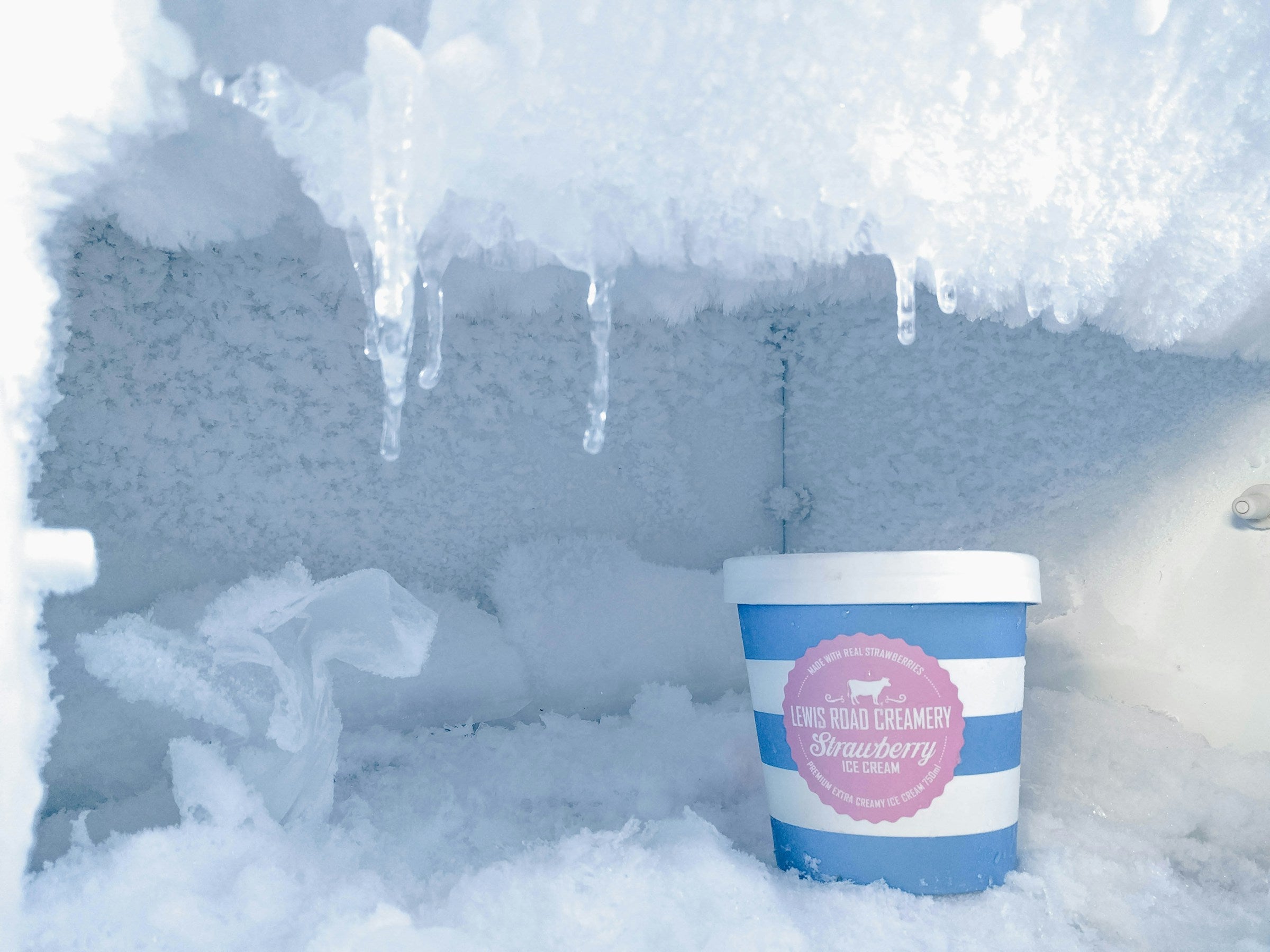
- Frost Accumulation: Visible ice buildup of more than a quarter-inch indicates it's time to defrost.
- Difficulty Opening/Closing: If the freezer drawer or door sticks due to ice, defrosting is overdue.
- Unusual Noises: Increased frost can cause your appliance to work harder, sometimes resulting in strange noises.
- Temperature Fluctuations: If your fridge freezer isn't maintaining consistent temperatures, frost could be the culprit.
| Sign | Indication |
|---|---|
| Frost Accumulation | More than 0.25 inches of ice |
| Door/Drawer Issues | Sticking or difficult to open/close |
| Noises | Buzzing, humming, or whirring sounds |
| Temperature | Inconsistent cooling |
For those who love their appliances and want to keep them in top shape, understanding the importance of defrosting and recognizing the signs is crucial. Whether you own a classic top mount refrigerator or a sleek American style fridge freezer, defrosting is a universal need for maintenance. If you're curious about the mechanisms behind the frost phenomenon, consider reading how do freezers work? to gain more insights into your appliance's functionality.
Preparing to Defrost Without Turning Off
Defrosting your fridge freezer is a necessary maintenance task to ensure its efficient operation. If you're wondering how to defrost fridge freezer without turning it off, the process starts with careful preparation.
Clearing Out Your Fridge Freezer
Before you begin the defrosting process, it's crucial to clear out your fridge freezer. This step not only makes the defrosting process easier but also helps you avoid food spoilage and mess.
- Start by removing all perishable items. If you anticipate a quick defrost, you may store these items in a cooler with ice packs to maintain their temperature.
- For non-perishables or items that are less temperature-sensitive, find a temporary storage area that is cool and dark.
- As you empty your fridge freezer, take the opportunity to discard any expired or unwanted items. This can be a good time to check how long certain foods last, like tuna mayo or chicken salad.
Gathering Necessary Supplies
Having the right supplies on hand will streamline the defrosting process. Here's what you'll need:
- Towels: To absorb melting ice and water that drips during the defrosting process.
- Cooler: To store perishable food items temporarily.
- Ice packs or frozen gel packs: To keep food items cold while they're out of the fridge freezer.
- Scraper: A plastic scraper can be used for gentle scraping of ice (never use metal as it can damage the interior).
- Hot water: To assist in melting the ice faster, if you choose to use this method.
- Cleaning supplies: Mild detergent and a sponge for cleaning the interior once the ice has melted.
| Supply | Quantity | Purpose |
|---|---|---|
| Towels | 4-6 | Absorb water |
| Cooler | 1-2 | Store perishables |
| Ice packs | 4-8 | Maintain temperature |
| Scraper | 1 | Remove ice |
| Bucket | 1 | Hot water method |
| Cleaning supplies | 1 set | Clean interior |
With your fridge freezer cleared and your supplies ready, you're set to start the defrosting process. Remember, the goal is to remove the frost buildup without disrupting the temperature of your food items too much. For more information on the temperature ranges for safe food storage, refer to our article on freezer temperature.
Starting the Defrosting Process
To ensure a smooth and mess-free defrosting experience for your fridge freezer, initiating the process correctly is key. You'll be able to defrost the freezer compartment without the need to power down the entire unit, preserving your refrigerated goods.
Turning Off the Freezer Section
Before you begin, it's crucial to isolate the freezer compartment. If your fridge freezer has separate controls for the refrigerator and freezer, turn off the freezer or set it to defrost mode if available. This action halts the production of more frost while you work on removing the existing build-up.
For models without separate controls, you may adjust the freezer to its warmest setting. However, bear in mind that this might slightly affect your refrigerator's temperature. To mitigate this, try to defrost during cooler periods of the day or when the fridge is not as full.
Remember, while the freezer is off, it's a good opportunity to inspect the freezer temperature settings and ensure they are optimal for when you turn it back on.
Placing Towels to Absorb Water
As the frost starts to melt, water will inevitably begin to pool. To manage this, strategically place towels at the base of the freezer and in front of the fridge freezer unit. The towels will soak up the water, protecting your floor from getting wet and preventing potential slip hazards.
| Area | Towel Placement |
|---|---|
| Base of the freezer | Inside, directly on the freezer floor |
| Front of the unit | On the floor, to catch any external drips |
For added protection, consider placing a large tray or shallow container to catch the water as the ice melts. This setup aids in a more manageable cleanup process after the defrosting is complete.
Proceed with caution during this process, ensuring you regularly check and replace towels as they become saturated. This proactive approach will help keep your kitchen dry and safe. Additionally, review our guidelines on how to defrost fridge freezer without turning it off for a comprehensive understanding of each step in the defrosting process.
Speeding Up the Defrosting
When you're looking to defrost your fridge freezer while keeping it running, speeding up the process is beneficial to reduce the time your food is exposed to warmer temperatures.
Using Hot Water Bowls
One effective method to hasten the defrosting process is to place bowls of hot water inside the freezer compartment. The steam from the hot water helps to melt the ice more quickly. Be sure to use bowls that are safe to handle and won't crack under the heat.
| Step | Action |
|---|---|
| 1 | Fill heat-resistant bowls with hot water |
| 2 | Place the bowls on the shelves of the freezer section |
| 3 | Close the freezer door to contain the steam |
| 4 | Replace the water as it cools to maintain efficiency |
While using this method, it’s crucial to monitor the water temperature and replace it periodically to maintain a consistent steam. For more information on managing your freezer's temperature, see our article on freezer temperature.
Gentle Scraping Techniques
Another technique to remove ice buildup is to gently scrape it away. This should be done carefully to avoid damaging the freezer's interior surfaces.
| Tool | Use |
|---|---|
| Wooden or plastic scraper | To gently chip away at the ice |
| Soft cloth or sponge | To wipe away moisture as the ice melts |
Always avoid using sharp or metal objects as they can puncture the freezer lining or damage the coils. The key here is to be patient and allow the ice to soften from the hot water steam, making it easier to remove with gentle scraping. For more hands-off approaches and to prevent frost in the future, consider exploring options like fridge freezers frost free.
Employ these strategies to make the defrosting process more efficient without the need to turn off your fridge freezer. Remember, regular maintenance and proper organization can help minimize the need for frequent defrosting. Discover tips for organizing your fridge freezer in our related article on organizing your fridge freezer.
Cleaning and Drying Your Fridge Freezer
Once you have successfully defrosted your fridge freezer without turning it off, the next step is to clean and dry it thoroughly to ensure it’s ready for use again. Proper cleaning not only helps maintain hygiene but also ensures the longevity of your appliance.
Wiping Down Interior Surfaces
Start by wiping down the interior surfaces of both the fridge and freezer compartments. Use a solution of equal parts water and vinegar or a mild detergent to effectively clean without leaving any harmful residues. For persistent stains or odors, baking soda can be an effective alternative.
- Remove any detachable shelves and bins and wash them separately in the sink.
- Wipe the interior surfaces, starting from the top and working your way down.
- Clean the door seals with a soft brush or cloth to remove any trapped debris that could prevent a tight seal.
Be sure to reach into corners and hidden areas where food particles can accumulate. If you’re interested in learning more about maintaining your appliance, read our article on how to defrost fridge freezer without turning it off.
Drying Thoroughly Before Restocking
After cleaning, it's crucial to dry all surfaces before restocking your fridge freezer. Any remaining moisture can lead to mold or mildew growth, which can contaminate your food and cause unpleasant smells.
- Use a clean, dry cloth to wipe down all surfaces until they are completely dry.
- Ensure the shelves and bins are also dried thoroughly before placing them back into the fridge freezer.
- Leave the doors open for a short period to air out the interior and ensure any lingering moisture evaporates.
Once the fridge freezer is dry, you can begin restocking your food items. Be mindful of organizing your fridge freezer to prevent frost build-up in the future. For more information on how to organize your fridge freezer effectively, take a look at our tips on fridge freezers frost free.
By following these cleaning and drying steps, you can maintain a clean and efficient fridge freezer that is free of frost and ready to keep your food items fresh. For more tips on food safety and storage, explore our articles on how long does tuna mayo last in the fridge? and how long does chicken salad last in the fridge?.
Preventing Future Frost Build-up
To prevent frost from accumulating in your fridge freezer, it's essential to understand how to organize and maintain the appliance properly. Here are strategies to help you keep your fridge freezer in optimal condition and frost-free.
Organizing Your Fridge Freezer
An organized fridge freezer not only helps in preventing frost build-up but also improves efficiency and extends the life of your appliance. Here are a few tips:
- Maintain proper airflow: Ensure that there's enough space between items in your freezer to allow air to circulate freely. This can prevent ice from forming due to trapped moist air.
- Use airtight containers: Store food in airtight containers or freezer bags to minimize the amount of moisture released into the freezer compartment.
- Avoid overfilling: Keep your freezer 70-80% full for optimal cooling efficiency. Overfilling can restrict airflow, while underfilling can cause the freezer to work harder, leading to frost build-up.
Regular Maintenance Tips
Regular maintenance is key to preventing frost and ensuring the longevity of your fridge freezer. Here are some maintenance tips:
- Regularly check the door seal: Inspect the door gaskets for any cracks or gaps that could let in moist air. Clean the seals with a mild detergent and replace them if necessary.
- Keep the fridge freezer level: An uneven fridge freezer can lead to door misalignment and air leaks. Use a level to check and adjust the appliance's feet accordingly.
- Defrost periodically: Even if you have a frost-free model, occasional manual defrosting can be beneficial. For detailed guidance on how to defrost without powering down the unit, read our article on how to defrost fridge freezer without turning it off.
- Monitor temperature settings: Keep your freezer at the ideal temperature to prevent frost build-up. Check out our information on freezer temperature for optimal settings.
| Maintenance Task | Frequency |
|---|---|
| Check door seal | Every 3 months |
| Level fridge freezer | As needed |
| Manual defrost | Annually or as needed |
| Monitor temperature | Continuous |
By adopting these organizational and maintenance practices, you can maintain a frost-free and efficient fridge freezer. Always remember to consult your appliance's manual for specific guidelines and consider additional resources like fridge freezers frost free for more tips on maintaining a frost-free environment.