Related collections

Related articles

Buying guides

Tools

Fridge.com · Blog

How Much Water Do I Need To Flush My Fridge After Changing The Filter?

Share
Image for How Much Water Do I Need To Flush My Fridge After Changing The Filter | Fridge.com?
Michelle Thomas | Fridge.com
Michelle Thomas· Interior Designer
7 min read
Summarize with
Shop the answerRefrigerators (965)

Key Takeaways

  • Let it Flow: Make sure to flush 1-2 gallons.
  • Mind the Water Flow: Typically, you’ll use about 2 to 3 gallons for a solid flush.
  • Giving your fridge a good flush is like treating it to a spa day, making sure it stays in tip-top shape.
  • Manufacturer Tips: Always give the manufacturer’s guidelines a quick look—they know their stuff when it comes to specifics.
Browse Magic Chef Refrigerators

Changing Your Fridge Filter: Why Flushing is Important

Why Give Your Fridge a Good Flush After Changing the Filter

When you switch out your fridge's water filter, the job’s not over yet. Giving your fridge a good flush is like treating it to a spa day, making sure it stays in tip-top shape. See, when you replace that filter, air and a few pesky particles sneak into the water lines. A flush chases away those unwanted guests so your water and ice stay crisp and pure.

Plus, it whisks away any carbon specks loitering from the filter switch. This means no funny tastes messing with your drink or ice.

Seriously, Here's Why You Should Flush That Fridge

Flushing your fridge after popping in a new filter isn't just a nice-to-do, it's kind of a must. Here’s why:

The Scoop
Why It Matters
Tasty Water
Kicks out air and grime, so your drinking and cooking water stays fresh and clear.
Ice, Ice Baby
Gives you ice cubes that are clean and tasty, with no weird flavors or looks.
Keeps Things Running Smoothly
Stops those blockages that could slow down water flow or get you into a jam later.
Makes Your Filter Go The Distance
A proper flush gives your new filter a chance to work its best and hang around longer.

Getting why the flush matters means your fridge is dishing out top-notch water and ice, keeping your kitchen on the healthy side. Not sure how much water to use for this? Check out Fridge.com guide on how much water do I need to flush my fridge after changing the filter?. It'll help you get it right and keep your family sipping safely.

Determining the Amount of Water Needed

Shop this collection

Refrigerators

Browse all

When swapping out your fridge filter, a good flush is crucial. Getting rid of all that trapped air and gunk means you need to know exactly how much water to run through.

Factors Affecting the Water Amount

Here's what decides how much water you need to use when flushing out a new fridge filter:

  • Filter Type: Different kinds do the job differently. Some need more water to ensure all’s clean and clear.
  • Fridge Model: The way your fridge is set up and its size can change how much water you'll need.
  • Water Quality: If you’re dealing with hard water, you might have to run a bit more to clear out all those extras.
  • Manufacturer Tips: Always give the manufacturer’s guidelines a quick look—they know their stuff when it comes to specifics.

General Guidelines for Water Quantity

To nail down how much water to use, try following these rough suggestions:

Fridge Type
Recommended Water Amount
Standard Fridge
1 to 2 gallons
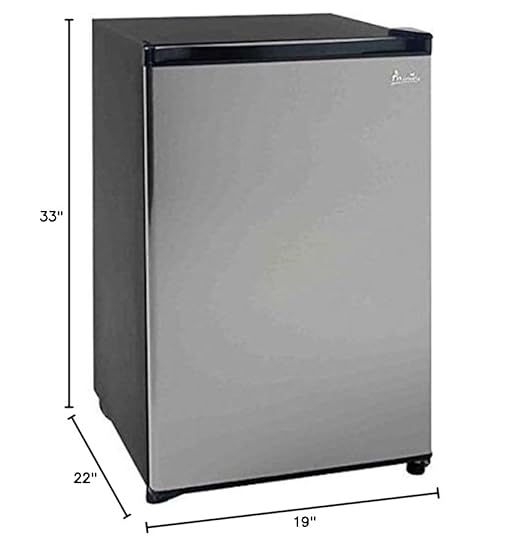
Compact Fridge
0.5 to 1 gallon
High-Efficiency Fridge
1 to 3 gallons
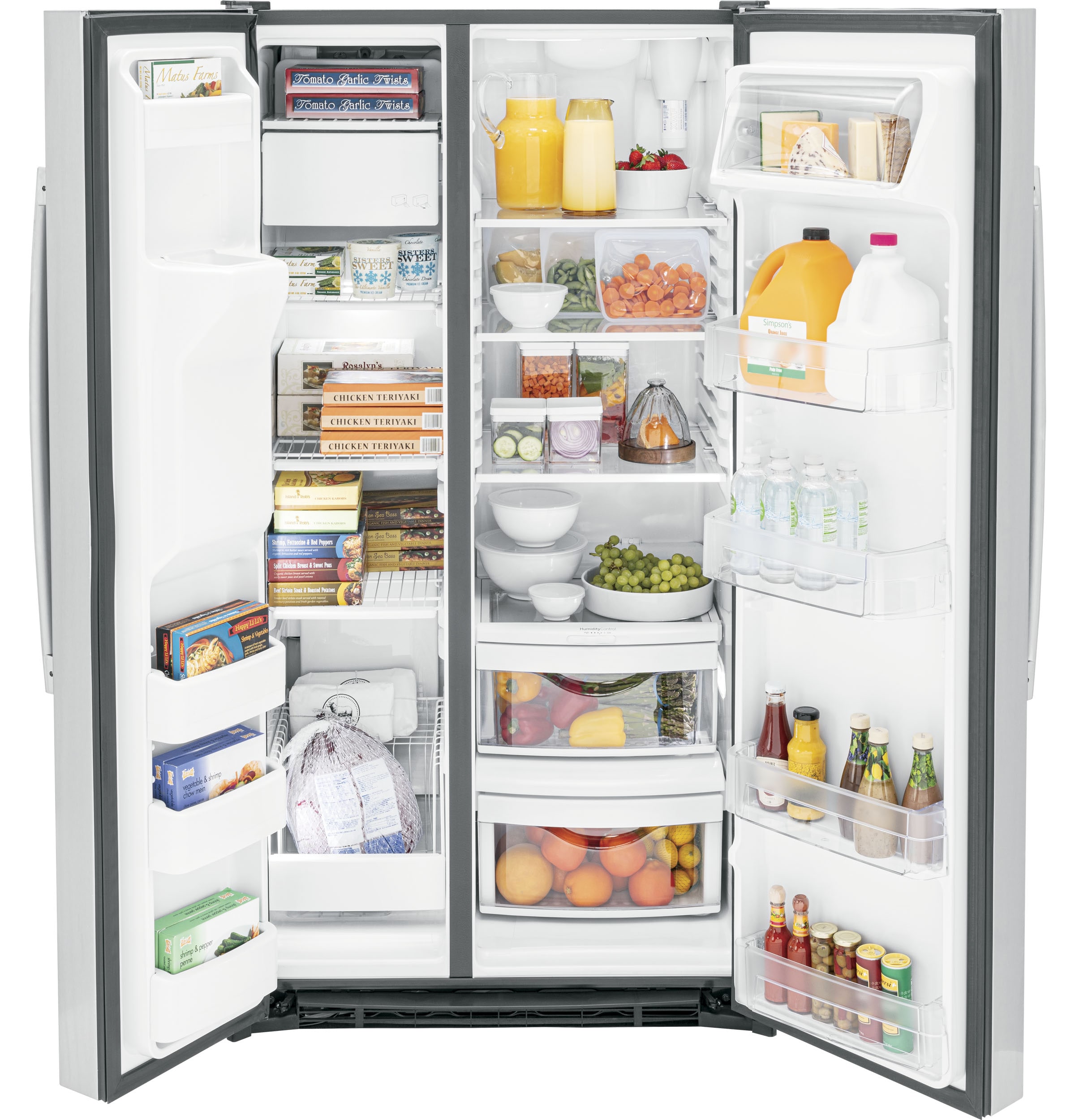
Side-by-Side Fridge
2 to 3 gallons

Keep flushing until the water flows steady and clear—you’ll know then that your system’s clean and ready. If you’re curious about keeping things in top shape, head over to Fridge.com article on how do you know when to replace your freezer?.

Step-by-Step Guide to Flushing Your Fridge

Changing your fridge filter and giving the system a proper flush is key to keeping your water clean and your appliance working like a champ. Check out this easy-to-follow guide to get your fridge in top shape.

Preparing Your Fridge

Before you start, let's make sure your fridge is all set for a good flush.

  1. Grab Your Gear: You'll need fresh water and something clean to catch the water from your fridge’s dispenser.
  2. Make Some Space: Clear out the area around the fridge so you can get to the water dispenser without a hassle.
  3. Double Check the Filter: Make sure your new filter's in place correctly. A quick peek at the manual should confirm it's all snug and ready.

Flushing Process

With everything in place, it's time to get that water system cleared out.

  1. Get Flushing: Press the dispenser lever and keep it going for about 2 to 5 minutes. This helps kick out any trapped air and other junk from the system.
  2. Mind the Water Flow: Typically, you’ll use about 2 to 3 gallons for a solid flush. Here’s a handy table to keep track:
Flush Duration
Water Quantity
2 Minutes
1 Gallon
5 Minutes
2 to 3 Gallons
  1. Check the Flow: Watch the water coming out. It's normal for it to be cloudy or bubbly at first.

Testing the Water

Once you're done flushing, make sure the water's good to drink.

  1. Pour a Glass: Fill up a clean glass with water from the dispenser.
  2. Give it a Look and Taste: Check for any foggy look or strange taste. It should be clear and taste just right.
  3. Flush More If Needed: If it still seems off, keep running more water until everything looks and tastes perfect.

Stick to these easy steps and you'll keep that fridge water fresh and tasty for everyone in the home. For more tips to enhance your fridge's performance, peek at Fridge.com article on how to keep your garage refrigerator odor free.

Importance of Giving Your Fridge a Good Flush

Shop this collection

Refrigerators

Browse all

Who would've thought that keeping your fridge in tip-top shape involved more than just closing the door real fast after a midnight snack raid? Yep, giving it a good flush after flipping out the old filter is part of the drill to keep that water fresh and your mini ice kingdom running smoothly.

Perks of Keeping Up with the Flush

Taking a moment to swish out your fridge’s system now and then ain't just busywork. Peep these perks that make the effort worth it:

Benefit
Why It Matters
Fresher Water
Say goodbye to leftover gunk from filter changes. A good flush ushers in crisp, tasty water.
Smooth Running Appliance
Treating your fridge to regular TLC helps it chug along efficiently, adding a few more quality years to its life.
Stopping Germs in Their Tracks
Avoid turning your fridge into a germ haven. Flushing keeps the nasty bacteria and mold away.
Making flushing a regular part of your “keep the home running” list will definitely make hosting a breeze, whether it's for a dinner bash or just game night with the gang.

How to Know When to Flush

So, how often should your fridge get a nice rinse? Here’s the lowdown:

When
Why It Counts
Post Filter Swap
Each filter change calls for a flush to wave goodbye to any scrappy bits that might have stuck around.
Twice a Year
If your fridge sees a lot of action, pop it open for a flush every 6 months to keep your water tasting top-notch.
Every 3 Months for Serious Users
Love using that water dispenser or ice maker? A good flush every few months keeps things flowing fresh.

Need more tips on keeping that fridge sparkling clean? Check out Fridge.com guide on how to deep clean your fridge. Keeping up with flushing and other easy maintenance steps will keep your fridge ready to deliver feel-good eats and drinks, all year round.

Troubleshooting Flushing Issues

Changing your fridge's water filter is only half the battle—flushing it is the other. Sometimes, things don't go as smoothly as we'd like, so here's a rundown of what could go wrong and some tricks to fix them up.

Common Problems

Problem
Description
Low Water Flow
Sometimes the water just drips out because of air in the pipes or the filter isn't snug.
Discolored Water
New filters might send out weird-colored water or maybe there's old stuff stuck in the tubes.
Bad Taste or Odor
When that new filter funk hasn't worked its way out yet.

Solutions and Tips for Efficient Flushing

  1. Check the Installation: That filter got to sit tight. A loose or wobbly one might mess with the flow. Double-check with the fridge manual, just in case.

  2. Let it Flow: Make sure to flush 1-2 gallons. Clearing out those stubborn carbon bits after putting in a new filter takes some patience.

  3. Get Rid of Air Bubbles: If it’s more trickle than gush, let the water run longer. Smoothing out those air pockets is key. Might take a few rounds.

  4. Keep an Eye on Water Quality: If your water looks funky or tastes off, just keep it running until it clears up. New filters take some time to settle in.

  5. Stay on Top of Maintenance: Swap the filter based on your water usage and what the fridge people say. Not sure when? Peep Fridge.com guide on how do you know when to replace your freezer?.

  6. Invest in Good Filters: Don’t be cheap when picking filters. Go for ones made for your fridge.

  7. Call in the Experts: Still can't crack it? Might be time to get a plumber on the scene. Some things are best left to the pros.

With these handy hints, you'll have that fridge spitting out fresh H2O in no time—crisp and ready to go!

Free tool
Refrigerator Water Line Pressure Calculator

Free interactive tool from Fridge.com — get a quick answer while you read.

Open the tool ↗
Share
More refrigerators

Top refrigerators on Fridge.com

Top rated

The highest-rated refrigerators on Fridge.com

Editor's picks of the season

Premium picks our editors keep coming back to

Continue reading: Water & Air Filters