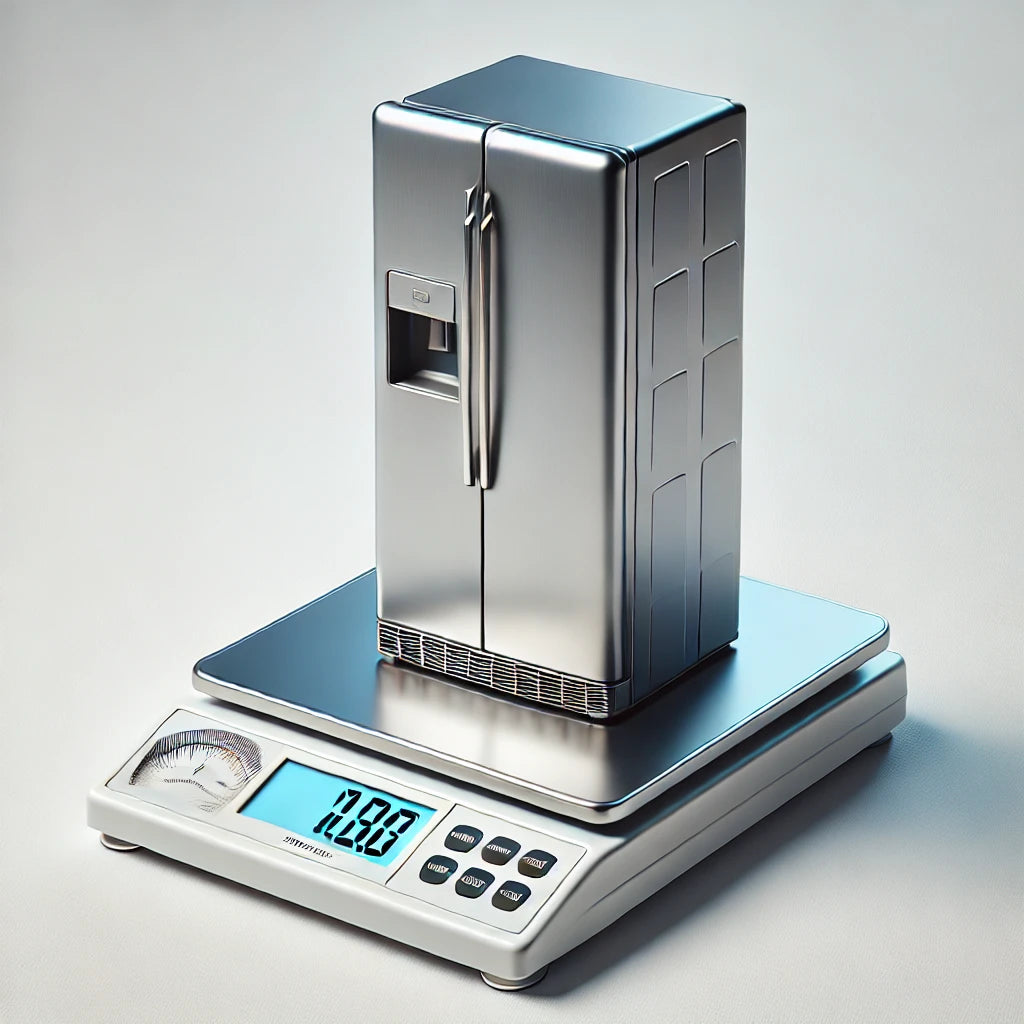
How Much Does A Refrigerator Weigh?
Understanding Refrigerator Weight
Importance of Knowing the Weight
Knowing the weight of your refrigerator is crucial for several reasons. If you're moving to a new home, understanding the weight can help you prepare the right moving equipment and manpower. It also matters when installing the unit—especially if you need to navigate stairs or tight spaces. Additionally, knowing the weight is important for floor protection, as heavy appliances might require additional support to prevent damage to your flooring.
Factors Affecting Refrigerator Weight
The weight of a refrigerator can be influenced by multiple factors:
- Size and Capacity: Larger units designed for family use or commercial purposes typically weigh more due to their size.
- Materials Used: The type of materials, such as the metal for the exterior and the insulation for temperature regulation, contributes to the overall weight.
- Design Elements: Features like ice makers, water dispensers, and smart technology can add extra pounds.
- Type of Refrigerator: The model, whether it's a compact, standard, or commercial fridge, impacts the weight significantly.
These variables can lead to a wide range of weights within the refrigerator category, so it's essential to check specific details for the model you're interested in.
Average Weight Range
The average weight of refrigerators varies by type and design. Here's a general guide to give you an idea:
| Refrigerator Type | Average Weight Range (pounds) |
|---|---|
| Mini Fridge | 30 - 50 |
| Compact Fridge | 50 - 80 |
| Top-Freezer Refrigerator | 150 - 220 |
| Bottom-Freezer Refrigerator | 200 - 250 |
| Side-by-Side Refrigerator | 250 - 300 |
| French Door Refrigerator | 300 - 350 |
Keep in mind that these are average ranges; specific models may fall outside these parameters. It's important to consult the manufacturer's specifications or retailer's product details for the exact weight. For instance, if you're interested in a mini fridge with freezer, you might find it weighs slightly more than a basic mini fridge due to the additional freezer compartment.
Understanding the weight is just one aspect of choosing the right refrigerator for your needs. You should also consider how long certain foods last in the fridge, such as how long does butter last in the fridge?, or if you're interested in sustainability, exploring options like solar refrigerators. And for those looking for specialized storage, skincare fridges have become a trend for beauty enthusiasts. Whatever your needs, make sure to weigh all factors before making your decision.
Types of Refrigerators
When you're in the market for a refrigerator, knowing the weight of different types can be as important as understanding their features. This knowledge is crucial for planning the logistics of moving and installing your new appliance. Below are the common types of refrigerators and their typical weight ranges.
Top-Freezer Refrigerators
Top-freezer refrigerators are traditional models where the freezer compartment is located above the refrigerator section. They are known for their practical design and affordability. The weight of a top-freezer refrigerator can vary based on size and materials but generally falls within a moderate range.
| Size (Cubic Feet) | Average Weight (Pounds) |
|---|---|
| 14 - 18 | 150 - 220 |
| 19 - 21 | 220 - 250 |
| 22 - 24 | 250 - 280 |
For more details on choosing the right size for your household, you might want to explore our article on home fridges.
Bottom-Freezer Refrigerators
Bottom-freezer refrigerators feature the freezer compartment beneath the refrigerator section, making the fridge area more accessible. They often come with a pull-out drawer for the freezer, which can add to the overall weight of the unit.
| Size (Cubic Feet) | Average Weight (Pounds) |
|---|---|
| 19 - 24 | 200 - 300 |
| 25 - 28 | 250 - 330 |
If you're interested in how to store your food efficiently, our article on fridge storage containers can offer some insights.
Side-by-Side Refrigerators
Side-by-side refrigerators have two full-length doors, with the fridge on one side and the freezer on the other. This design is ideal for kitchens with limited space for door clearance. These models tend to be heavier due to their larger size and the additional materials used for the dual-door system.
| Size (Cubic Feet) | Average Weight (Pounds) |
|---|---|
| 22 - 25 | 250 - 350 |
| 26 - 30 | 300 - 450 |
Considering a side-by-side model? Check out our guide on refrigerator freezer for more information.
French Door Refrigerators
French door refrigerators combine the features of bottom-freezer and side-by-side models, offering a two-door fridge above and a full-width freezer drawer below. They are often the heaviest of the refrigerator types due to their large size and the complexity of their design.
| Size (Cubic Feet) | Average Weight (Pounds) |
|---|---|
| 25 - 29 | 300 - 400 |
| 30 - 34 | 350 - 450 |
For those looking for a sale, you may want to visit our page on french door refrigerators on sale.
Understanding the weight of your desired refrigerator type helps you make an informed decision when purchasing and planning the installation process. Whether you choose a top-freezer, bottom-freezer, side-by-side, or French door refrigerator, ensure you account for the weight when preparing for its delivery and placement in your home.
Compact and Mini Fridges
When space is a premium or you're simply looking for a secondary cooling solution, compact and mini fridges are ideal choices. Understanding the weight of these smaller units is essential if you plan to move them between locations, such as from your home to a dorm room, office, or vacation property.
Weight Range for Compact Fridges
Compact fridges are larger than mini fridges and typically feature a separate freezer compartment. They're a great fit for small kitchens, garages, or basement bars. The weight of compact fridges can vary depending on the size and model, but they generally weigh between 50 to 80 pounds.
Here's a quick reference table for the weight range of compact fridges:
| Capacity (cu. ft.) | Average Weight (lbs) |
|---|---|
| 1.7 - 2.5 | 40 - 50 |
| 3.0 - 4.5 | 50 - 60 |
| 4.6 - 5.5 | 60 - 70 |
| 6.0+ | 70 - 80 |
For more information on how to maximize the use of a compact fridge, you can read about fridge calendar organization or explore options for integrated freezers.
Weight Range for Mini Fridges
Mini fridges are the smallest refrigerators, typically used for keeping beverages cold or storing snacks. They're perfect for personal use in dorm rooms, offices, or even as specialized skincare fridges. Mini fridges usually weigh between 20 to 50 pounds, making them quite portable.
Here's a table showing the weight range of mini fridges based on their storage capacity:
| Capacity (cu. ft.) | Average Weight (lbs) |
|---|---|
| 1.0 - 1.6 | 20 - 30 |
| 1.7 - 2.1 | 30 - 40 |
| 2.2+ | 40 - 50 |
For information on purchasing a mini fridge, you might find it helpful to check out our articles on how much is a mini fridge? and mini fridges with freezer.
Whether you are considering a compact fridge for its space-saving benefits or a mini fridge for its convenience and portability, be sure you understand the weight to ensure safe handling and installation. These fridges can be a smart addition to various living spaces, offering the convenience of refrigeration exactly where you need it.
Factors Influencing Weight
When it comes to refrigerators, their weight can be quite variable and influenced by several factors. Understanding these can help you prepare for the delivery and installation of your new appliance. Let's examine the primary factors that determine how much a refrigerator weighs.
Size and Capacity
The size and capacity of a refrigerator are the most obvious determinants of its weight. Larger units with greater storage capacity tend to be heavier. The table below provides a general idea of how size correlates with weight.
| Capacity (Cubic Feet) | Average Weight (Pounds) |
|---|---|
| 14 - 19 cu. ft. | 200 - 250 |
| 20 - 25 cu. ft. | 250 - 300 |
| 26 - 30 cu. ft. | 300 - 350 |
When considering a new appliance, take into account not only the space it will occupy in your kitchen but also how its size impacts its weight and the complexity of moving and installing it. For those living in smaller spaces or requiring a more portable option, compact and mini fridges may be more suitable.
Materials Used
The materials used in the construction of a refrigerator also play a significant role in its overall weight. Modern refrigerators typically use a combination of metal, plastic, and glass components. Units with a stainless steel exterior or glass shelves will generally weigh more than those with plastic interiors.
| Material | Weight Influence |
|---|---|
| Stainless Steel | Heavier |
| Plastic | Lighter |
| Glass | Adds Weight |
It's important to balance the durability and aesthetic appeal of the materials with the practicality of the appliance's weight, especially if you foresee moving the refrigerator in the future.
Additional Features
Today's refrigerators come with a variety of additional features that can affect their weight. Features such as ice makers, water dispensers, smart technology, and built-in touchscreens add complexity and heft to the unit.
| Feature | Weight Influence |
|---|---|
| Ice Maker | Adds Weight |
| Water Dispenser | Adds Weight |
| Smart Technology | Minimal Influence |
| Touchscreens | Minimal Influence |
While these features provide convenience and enhanced functionality, they also contribute to the total weight of the refrigerator. If you're considering a refrigerator with such features, be sure to review the specifications for weight to ensure you're prepared for its delivery and installation. For example, if you're looking into high-end options like French door refrigerators on sale, keep in mind that the additional features may mean a heavier appliance.
When choosing a new refrigerator, taking these factors into account will help you make an informed decision that fits both your needs and your physical space. Whether you're in the market for a new fridge or just curious about how much is a mini fridge?, understanding the variables that affect weight can guide you to the right choice.
Moving and Installing a Refrigerator
When it comes to relocating or setting up a refrigerator, understanding the weight is critical for planning and safety. This section provides guidance on the precautions, moving tips, and installation guidelines for your refrigerator.
Safety Precautions
Before attempting to move your refrigerator, it's imperative to take the following safety measures:
- Disconnect the Power: Unplug the refrigerator to avoid any electrical hazards.
- Secure Loose Parts: Ensure that all shelves, drawers, and loose items inside the refrigerator are removed or secured.
- Protect Your Floors: Use floor protectors or a dolly to prevent scratches or damage when moving the refrigerator.
- Use Proper Lifting Techniques: Always lift with your legs, not your back, and consider using lifting straps or a furniture dolly.
- Get Assistance: Don’t try to move a refrigerator on your own. Enlist help to ensure safety and efficiency.
Tips for Moving a Refrigerator
Moving a refrigerator can be challenging due to its size and weight. Here are some tips to help you move it safely:
- Measure Doorways and Paths: Confirm the refrigerator will fit through doorways and hallways to its new location.
- Defrost and Clean: If necessary, defrost the freezer section and clean the fridge before moving to prevent water damage and odors.
- Secure the Doors: Close and secure the refrigerator doors with straps or strong tape to prevent them from opening during the move.
- Use a Dolly: Position the refrigerator on a dolly and secure it with straps for easier movement.
- Keep It Upright: Try to keep the refrigerator upright during the move to protect the cooling mechanism.
For more detailed methods on moving specific types of refrigerators, consider reading about camper refrigerators and french door refrigerators on sale.
Installation Guidelines
Once at the new location, follow these guidelines to ensure your refrigerator is installed correctly:
- Positioning: Place the refrigerator in its new spot, leaving enough space for air circulation around the coils.
- Leveling: Use a level to adjust the refrigerator's feet until it is perfectly horizontal, which ensures proper door operation and cooling efficiency.
- Power Connection: Wait at least an hour before plugging in the refrigerator to allow the oil to settle, then turn it on.
- Temperature Settings: Set your refrigerator to the recommended temperature settings and allow it to cool for a few hours before restocking it with food.
- Maintenance: Refer to your refrigerator's manual for specific maintenance tips and sign up for reminders, like those offered by our fridge calendar, to keep your appliance in peak condition.
For those interested in the energy consumption of their refrigerators, the article how many watts does a refrigerator use? provides valuable insights. And if you’re curious about how to preserve specific food items, our resources on how long does butter last in the fridge? and how long can ground beef stay in the freezer? might be of interest.
Properly moving and installing a refrigerator ensures its longevity and efficiency. Always prioritize safety and follow manufacturer guidelines for the best results.
Get Your Upgrade or New Addition at Fridge.com
Whether you're searching for your perfect fridge, freezer, wine fridge, beer fridge, ice maker, or kegerator, we have what you need.
Shop the world's best brands at Fridge.com.
We also have tons of awesome articles about kitchen stuff and home news. Enhance your home, garage, backyard, patio, and office with the coolest essentials. With every necessary type of residential refrigerator or freezer in our collection, we've got you covered.
Elevate your game and shop now at Fridge.com!