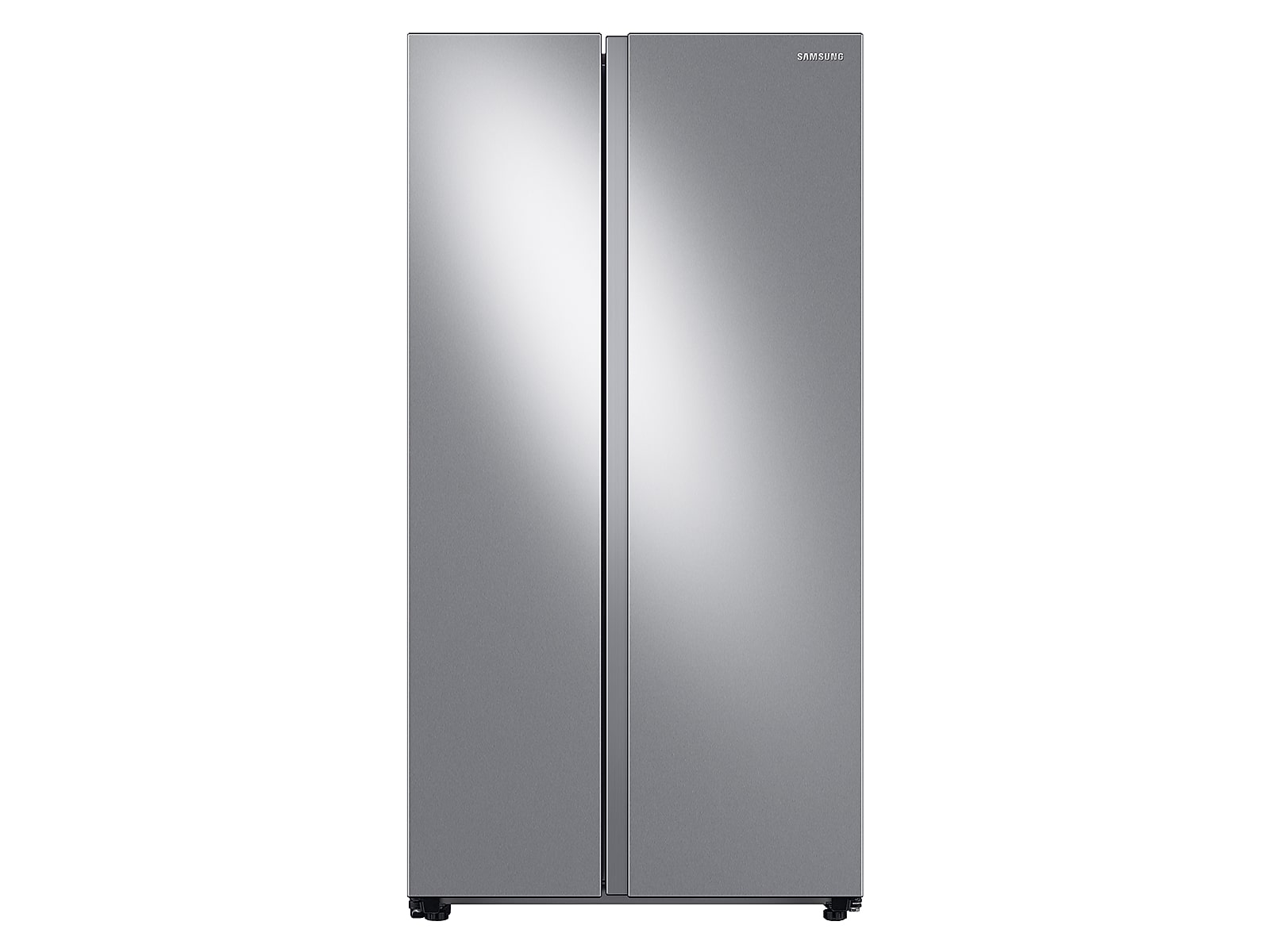
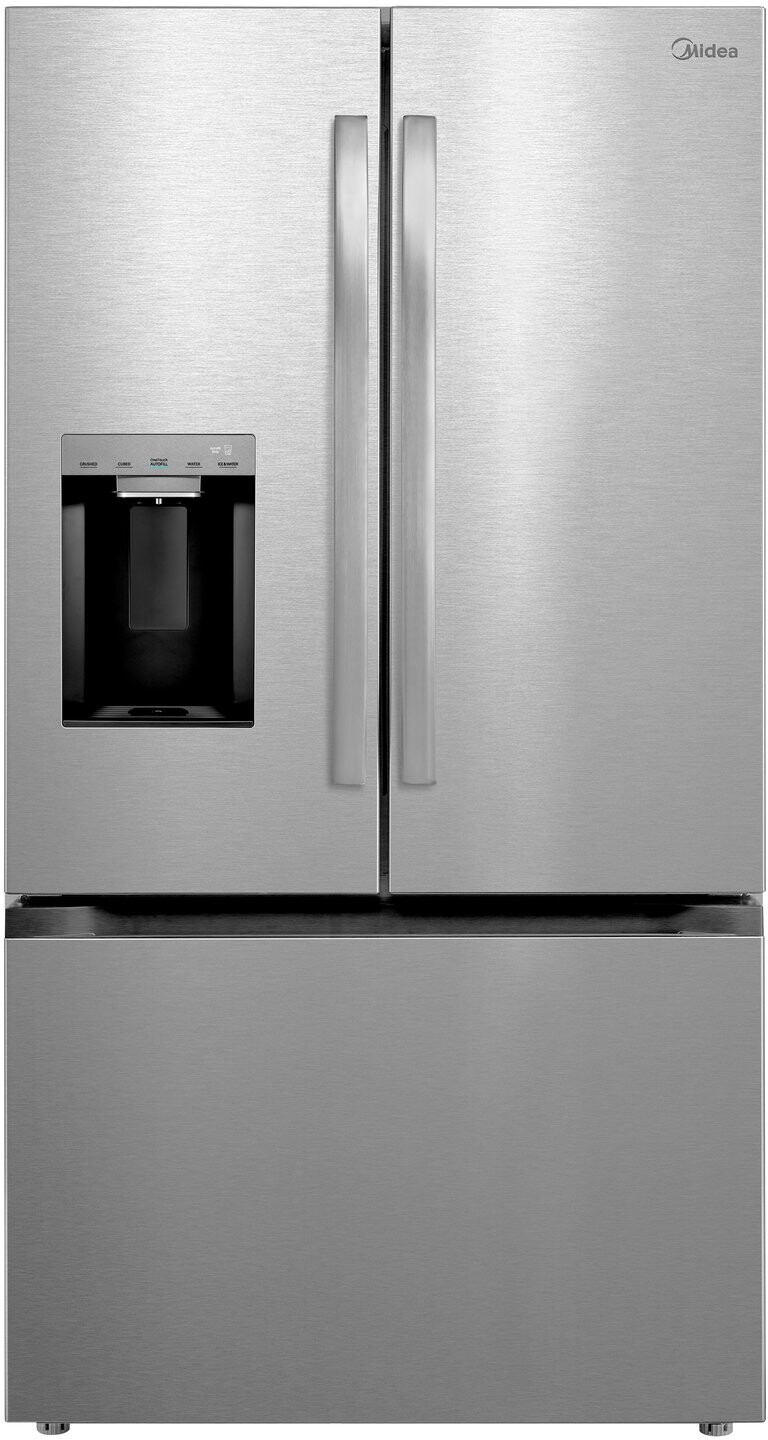
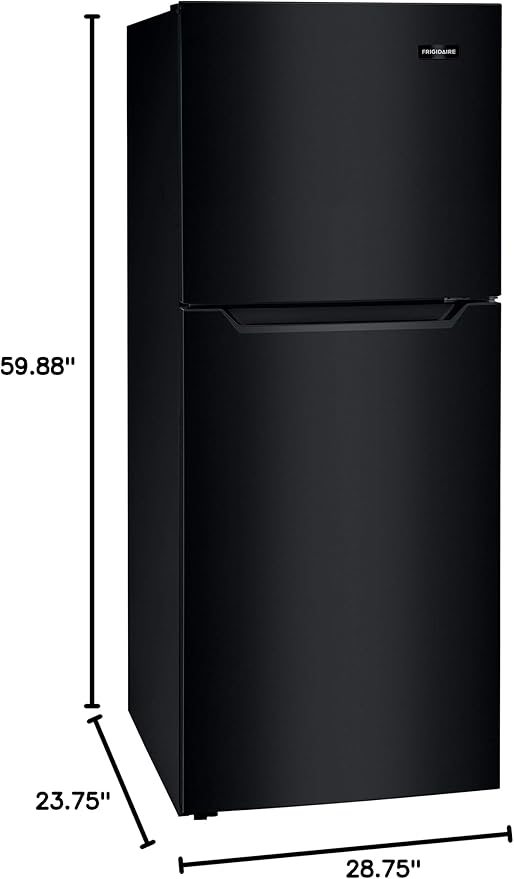
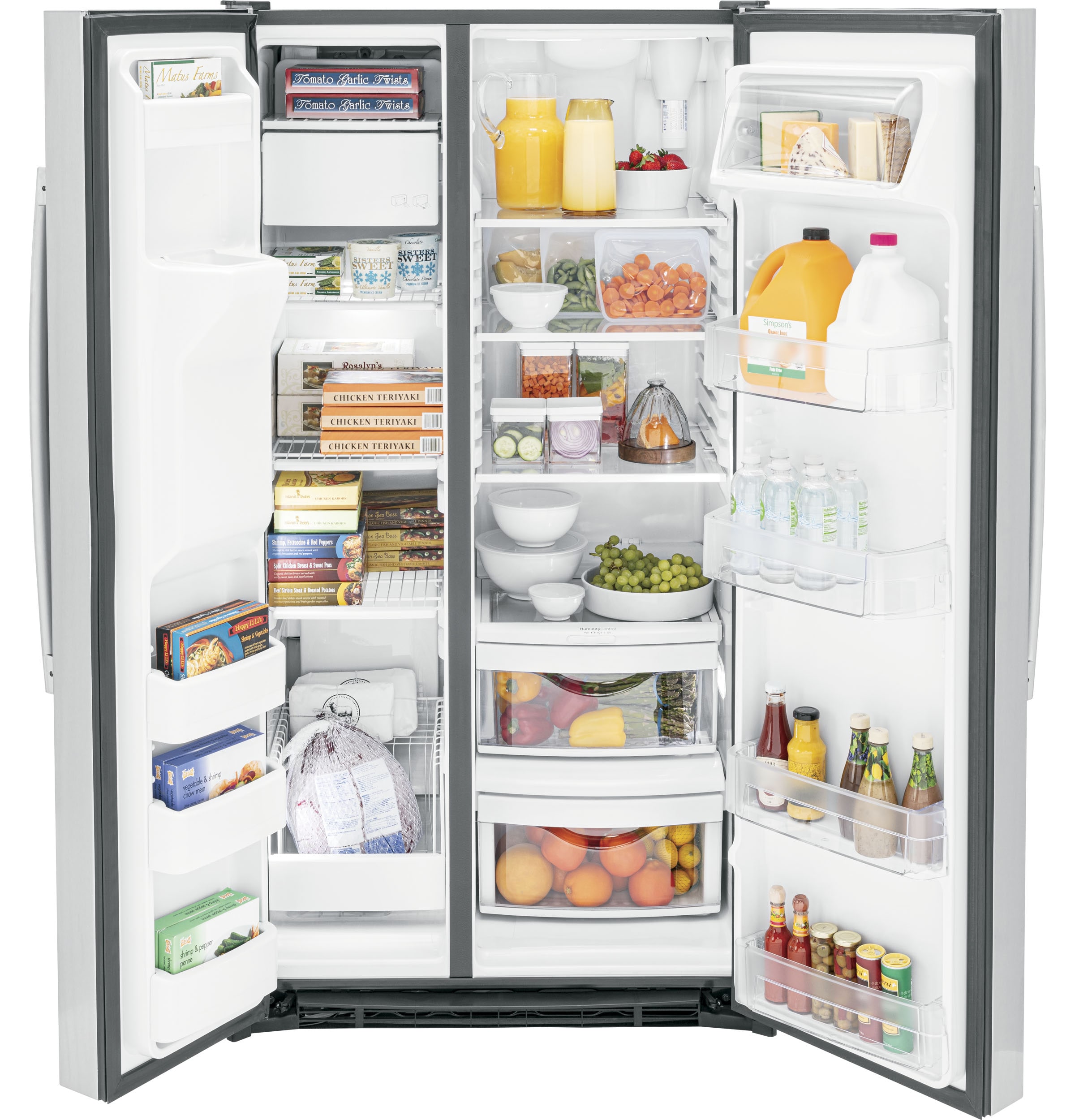
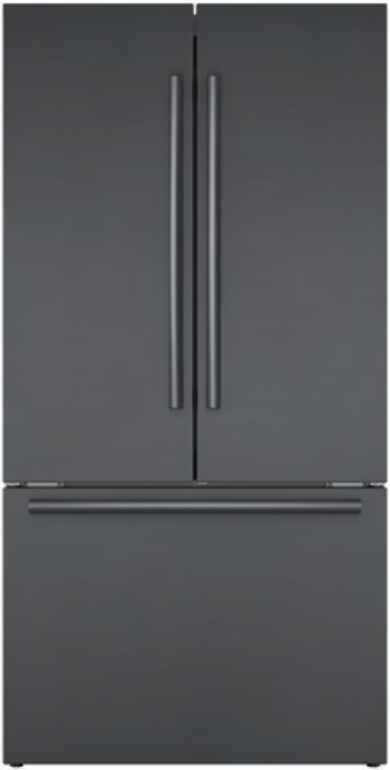
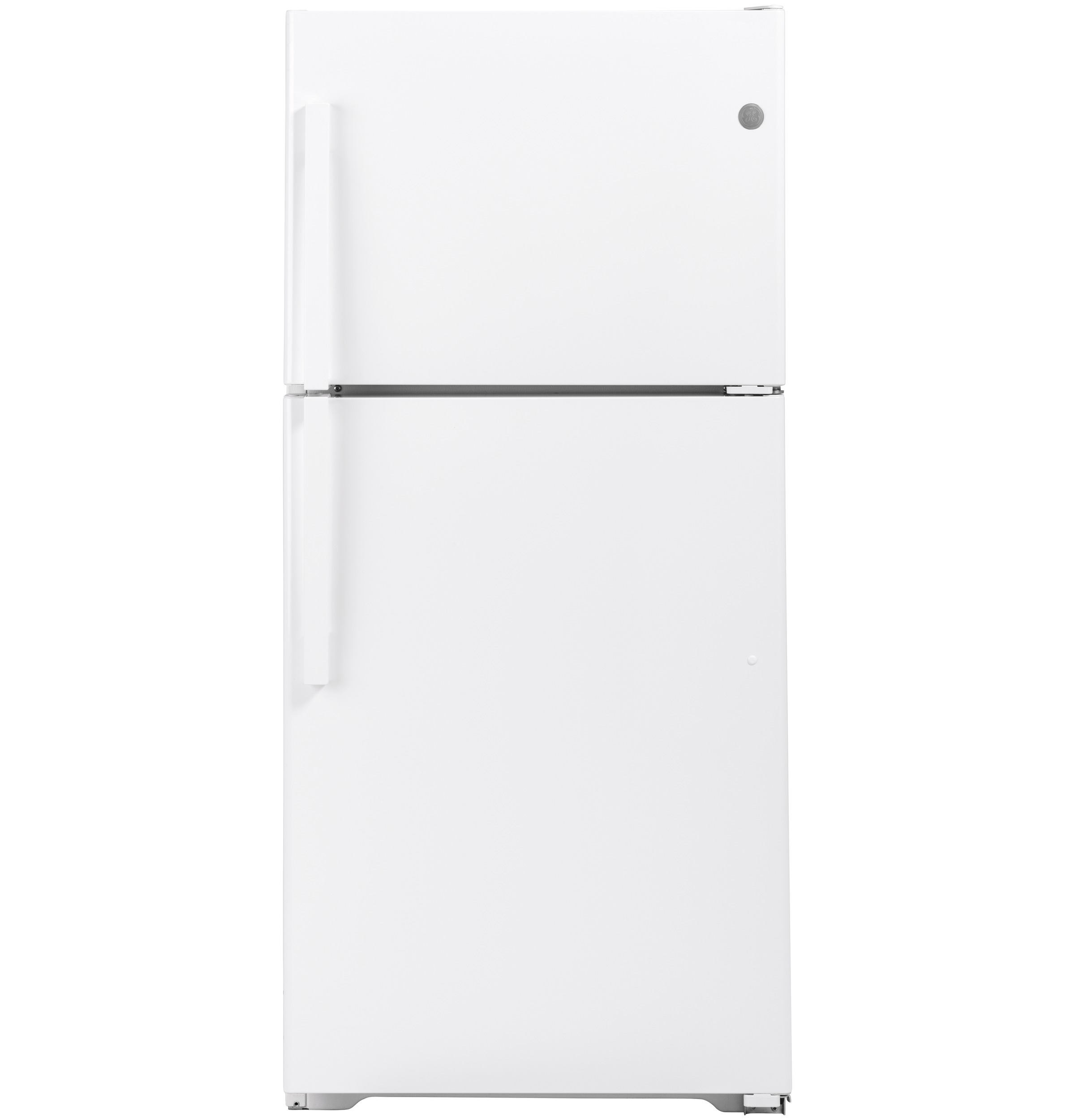
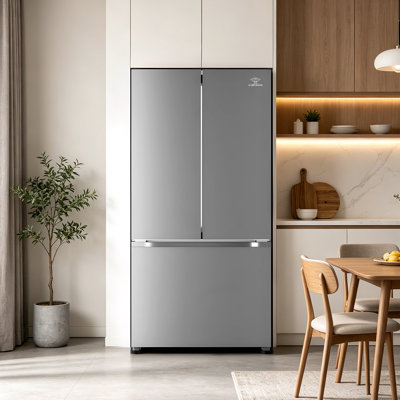
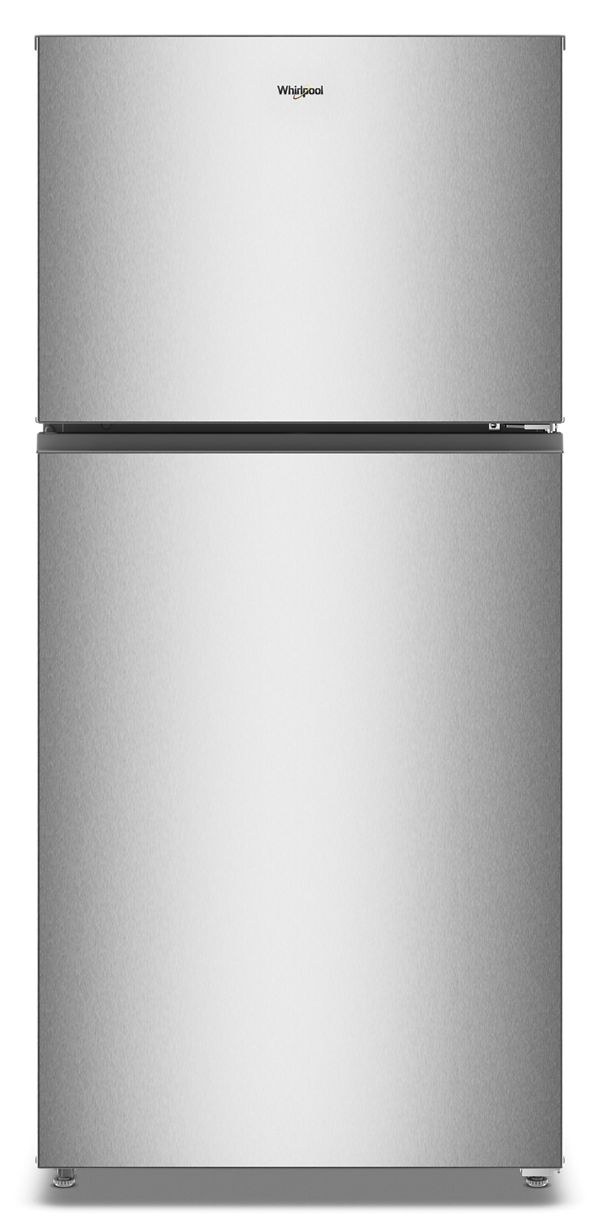
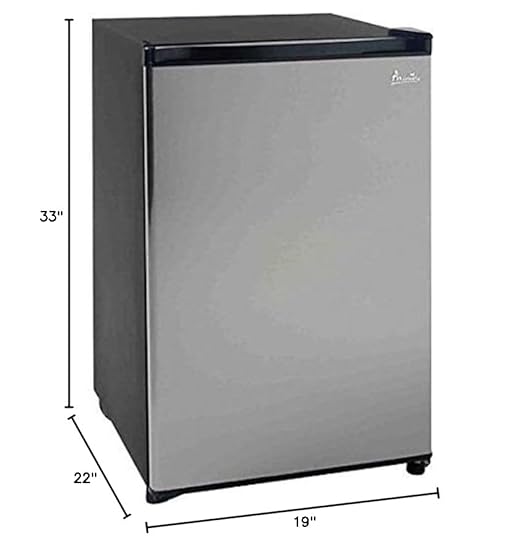
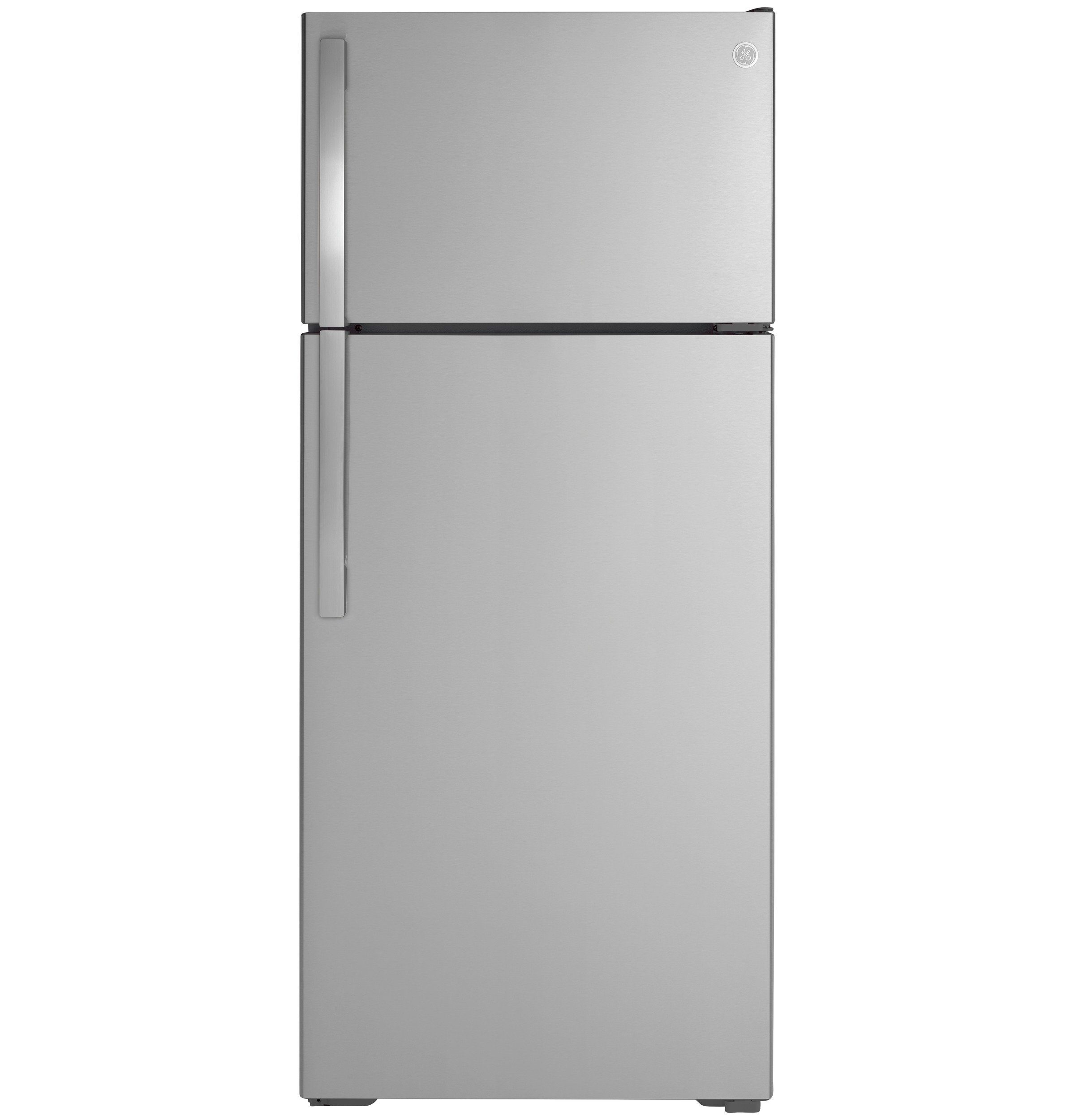
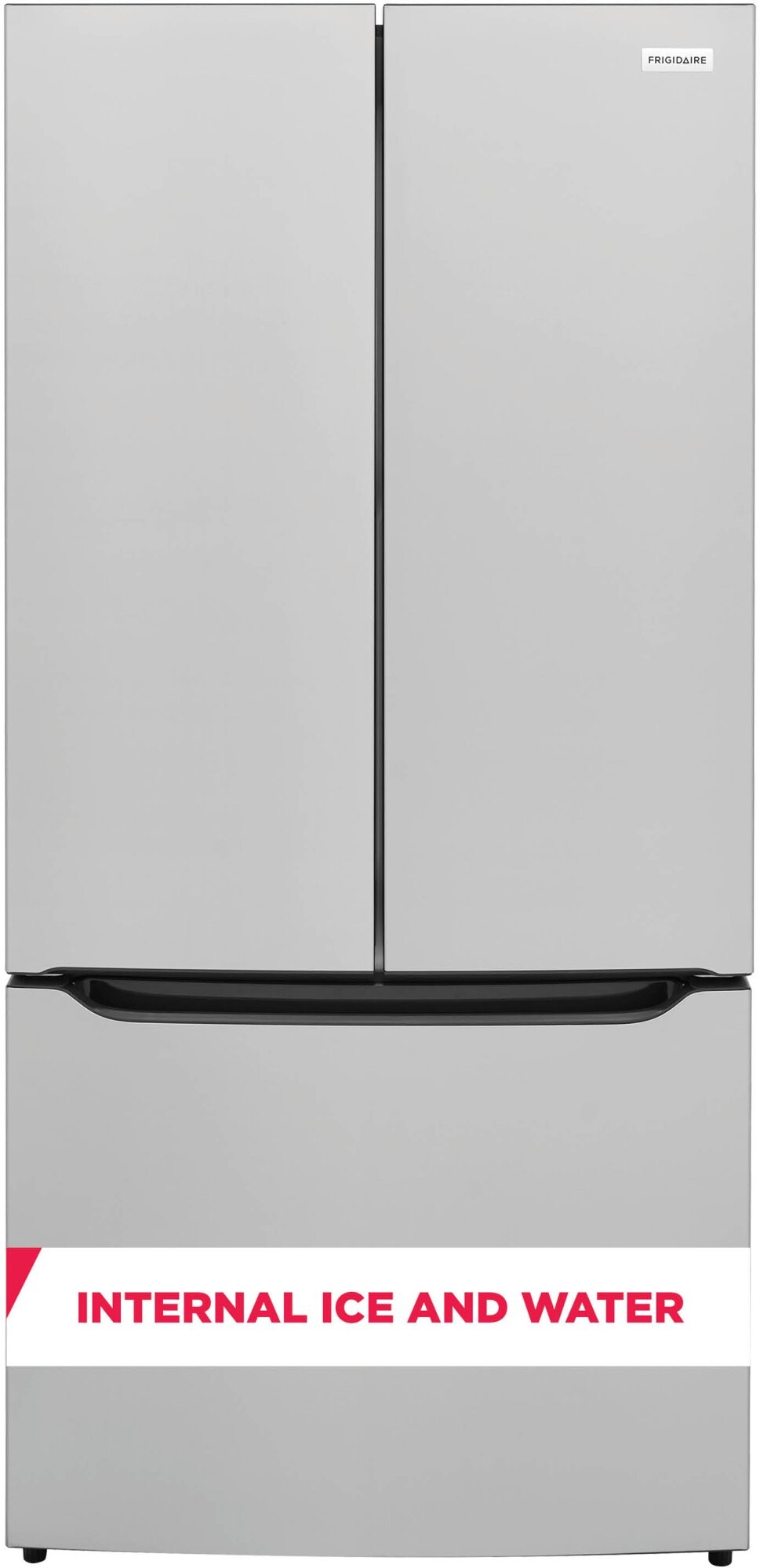
And if you're on the hunt for a fresh cooler or just wanna tweak those settings to get the most out of your current one, have a peek at 6 things to know before buying a new refrigerator.
Typically, your refrigerator's compressor hangs in there for about 10 to 20 years.
Set That Perfect Fridge Temp: Between 37°F and 40°F is where the magic happens—enough to keep the milk fresh but not turn your veggies into icicles.
Just make sure to regularly clean those coils and keep the airflow happy.
You could say the compressor's like the MVP of your fridge team. Its main job? Squeezing and moving the refrigerant around so it can grab onto the heat inside your fridge and chuck it outside. This little operation keeps everything inside nice and chilly, which is what we want for our snacks and leftovers, right? If this guy's not up to par, you’ll be looking at questionable milk and sky-high energy bills.
Factors Affecting the Lifespan of a Compressor
So, what keeps your fridge’s heart ticking longer? A few things play into how long your compressor is gonna give you its best. Check out these tidbits to help stretch out its life a bit longer:
Factor
Impact on Lifespan
Usage Frequency
The more you open that door, the harder it's working. Payback? It might wear out quicker.
Environmental Conditions
If your kitchen is a sauna, your compressor's working overtime. Not great for its longevity.
Maintenance
Treat it to a bit of TLC. Regular cleaning keeps it humming smoothly and prevents gunk buildup.
Age of the Refrigerator
Grandpa’s old fridge might be a vintage beauty, but it might not have the chops for today’s demands.
Quality of the Appliance
Sometimes, shelling out a bit more means you’re getting a heavy-duty compressor.
Power Supply Stability
Those surprise power surges? Not your compressor’s favorite thing. Keep it safe from those shocks.
Think about these things if you want to help your fridge stick around longer. And if you're on the hunt for a fresh cooler or just wanna tweak those settings to get the most out of your current one, have a peek at 6 things to know before buying a new refrigerator.
Let's dive into the nitty-gritty of how long that hardworking part of your fridge lasts. Knowing this stuff helps keep your trusty food keeper running like a champ. Below, we’ll cover what you can expect from your compressor's lifespan and the red flags that hint it might be time for a swap.
General Expectations
Typically, your refrigerator's compressor hangs in there for about 10 to 20 years. A few things like how often you open your fridge, give it a little TLC, and the brand quality factor into this. Here's a basic idea of what you're looking at:
Age of Appliance
Expected Compressor Lifespan
1-5 years
10-15 years
6-10 years
8-10 years
11-15 years
5-8 years
16+ years
3-5 years
Taking care of your fridge can squeeze out a couple of extra years from the compressor. Just make sure to regularly clean those coils and keep the airflow happy. For some handy tips, check out how to keep your fridge in tip-top shape here.
Signs Your Compressor Might Need Replacement
Catching those early hints of a faltering compressor can prevent a food catastrophe and steep repairs. Here's what you wanna keep an ear and an eye out for:
Annoying noise: If your fridge suddenly seems to be talking back with a racket, your compressor might be having a moment.
Temperature mood swings: When your fridge is struggling to stay cool, or feels chill one moment and like a sauna the next, it could mean the compressor's not doing its job.
Feeling the heat: Touch your compressor—if it’s burning hot, that’s not a good sign.
Ice party: If your freezer seems to love the frosty look or the fridge section's full of frost, your compressor might be behind it.
Spotting these signs early means you can leap into action before your fridge waves the white flag. Suspect a compressor conundrum? Check out how to deal with it by reading more on replacing a refrigerator compressor. These steps will keep your fridge humming along and your food safe and sound.
Extending the Life of Your Compressor
You know that little hum you hear when you sneak into the kitchen at night? Yep, that’s your refrigerator's trusty compressor working hard to keep your leftovers and snacks fresh. A little love and care for that hardworking part can save you time and money in the long run. Let’s dive into some user-friendly upkeep and a few rookie moves to avoid.
Proper Maintenance Tips
Keeping the compressor working its magic is as easy as pie—just following a few simple routines can stretch its life way beyond the warranty.
Maintenance Task
How Often
Dust those condenser coils
Every 6 months, like clockwork
Swap out old door seals
Once a year should do it
Say goodbye to frost
Only if your freezer isn't a frost-free wonder
Set that perfect fridge temp
37°F - 40°F’s the sweet spot
Dust Those Condenser Coils: You know how dust bunnies gather under the couch? Your fridge’s condenser coils collect just as much gunk. Clean them every six months to keep the cold air (and your fridge efficiency) flowing.
Swap Out Old Door Seals: A seal that lets in warm air is like letting all the cool kids into a secret party—not good for your fridge. Give those seals the once-over and replace them if they're not keeping the cold air in.
Say Goodbye to Frost: If your freezer ain't the self-defrosting kind, break out that scraper. Too much ice makes your compressor huff and puff, so clear it out regularly.
Set That Perfect Fridge Temp: Between 37°F and 40°F is where the magic happens—enough to keep the milk fresh but not turn your veggies into icicles. Too cold or warm, and your compressor might start dreaming of retirement.
Not everything found online’s a gem—these are a few things to steer clear of if you want your compressor sticking around.
Bad Habit
Why It's a No-No
Jamming the fridge full
Blocks cool air, strains your loyal compressor
Cluttered vent areas
Chokes airflow, risks overheating
Turning a deaf ear to strange sounds
Signals your compressor might be crying out for help
Letting power outages slide
Could lead to spoiled food and a stressed-out compressor
Jamming the Fridge Full: Over-packing might look impressive in Tetris, but it’ll cramp your fridge’s style. Give the airflow a break and arrange your groceries neatly.
Cluttered Vent Areas: Make sure nothing’s blocking those vents. A clear vent path means your compressor doesn’t have to run a marathon just to keep your ice cream solid.
Turning a Deaf Ear to Strange Sounds: Is it a ghost? Nah, probably your compressor hinting at trouble coming up. Address those weird clanks or buzzes before they turn into costly breakdowns.
Letting Power Outages Slide: If your fridge has been in the dark for a while, take a peek inside and check in on your compressor. Keep those doors closed to trap the cool and lessen the comeback load.
Careful attention to these tips means less emergency calls to the fridge doctor and more chill evenings at home. Want more fridge wisdom? Take a look at Fridge.com guide on 6 things to know before buying a new refrigerator.
So, you've been hit with the dreaded realization that your fridge isn't working right. Nothing worse than listening to a hum that's not quite right or, better yet, absolute silence. Before you go on a wild goose chase to buy a new refrigerator, let's figure out if replacing the compressor is a better idea. It's a bigger deal than deciding what toppings go on your pizza, but not by much.
Cost Considerations
How much dough are we talking? Well, it can get pricey, but no need to break into a cold sweat just yet. Let's break it down:
Component
Estimated Cost
Compressor Part
$100 - $300
Labor Costs (if hiring)
$150 - $250
Total Estimated Cost
$250 - $550
If you're the DIY type, ready to roll up your sleeves, you can skip the labor costs. But, if the thought of tinkering with the internals of a fridge sends shivers down your spine, hiring someone might be the way to go. Either way, you can save some bucks by reading Fridge.com tips on what you need to know before buying a new refrigerator.
Hiring Professional Services Vs. DIY
Now, let's chat about your two paths: calling in the pros or channeling your inner mechanic.
Aspect
Call in the Cavalry
Channel DIY Spirit
Expertise
These folks know their stuff
Fake it till you make it
Time
Fast as a ninja
Leisurely pace
Warranty on Work
Covered if it goes south
You’re on your own
Cost
Wallet says ouch
Lighter on the pockets
Risk
Low-risk, ride the error-proof train
Risky business ahead
Getting a pro means peace of mind, no funky noises, and perhaps a warranty if things go crazy later. But, if you've got a toolkit that wasn't just for show at family gatherings, this could be your moment. Weigh out what's more precious to you – cash in your hand or time on your hands. Curious about other fridge fixes? We’ve got you covered with Fridge.com piece on how to stop your fridge from floating away.
And remember, before you unscrew anything, it’s smart to double-check if the compressor's the real problem. Sometimes it's just a little repair magic that’s needed. Knowing how long these components last can keep you informed, too. Dive into more details with Fridge.com insights on compressor lifespan.
Swapping out your old fridge for a new one isn't just about looks—it's a game-changer for how you store food. With technology on the rise, the latest fridges keep your goodies fresher longer and are downright handy.
Technology Advancements
Today's fridges are packed with gadgets you'd expect in a sci-fi movie. Check out some of the cool stuff you might get:
Tech Feature
What It Does
Smart Gadgets
Syncs up with your phone for on-the-go control. You can tweak temps, peek inside, and jot down grocery lists from your fridge's screen. How cool is that?
Dual Cooling Magic
Keeps separate climates for the fridge and freezer, cutting down on food smells mixing and keeping things fresh.
Ice & Water on Tap
Grab filtered water and ice without cracking open the door, which helps keep things chill inside.
Adaptive Defrost Powers
Tweaks defrost times based on how much you use the fridge, helping save some juice.
LED Glow
Better lighting over those old-school bulbs, plus it's easy on the electricity.
These snazzy features don't just make using the fridge a breeze—they can also help you save some cash on energy bills.
Energy Efficiency and Sustainability
When you're in the market for a new fridge, keep an eye on energy savers. Not only do they cut your utility bill, but they're also good for Mother Nature. Here's what to watch for:
Energy Saver
What It Means
Inverter Compressors
Changes their speed based on how much cooling is needed, saving loads of energy in the long run.
Green Refrigerants
New models often use coolants with less global warming effect, so you're kinder to the earth.
Picking an energy-wise fridge means you not only get top-notch gadgets but go green, too. If you’re wondering how long your current fridge might stick around, take a peek at Fridge.com section on how many years does a refrigerator compressor last?.
Upgrading isn't just an excuse for longer-lasting veggies—it's a step into the future where tech makes life a tad easier and planet-friendly. Keep these features in mind, and you'll find the perfect fridge that fits your vibe.
From Fridge.com research
Figures below come from data Fridge.com builds and maintains. Each links to the record behind it.
Fridge.com Energy Index, built on U.S. EPA and DOE ENERGY STAR records
Across 5,455 ENERGY STAR certified refrigerators and freezers from 263 brands, median use is 360 kWh per year.