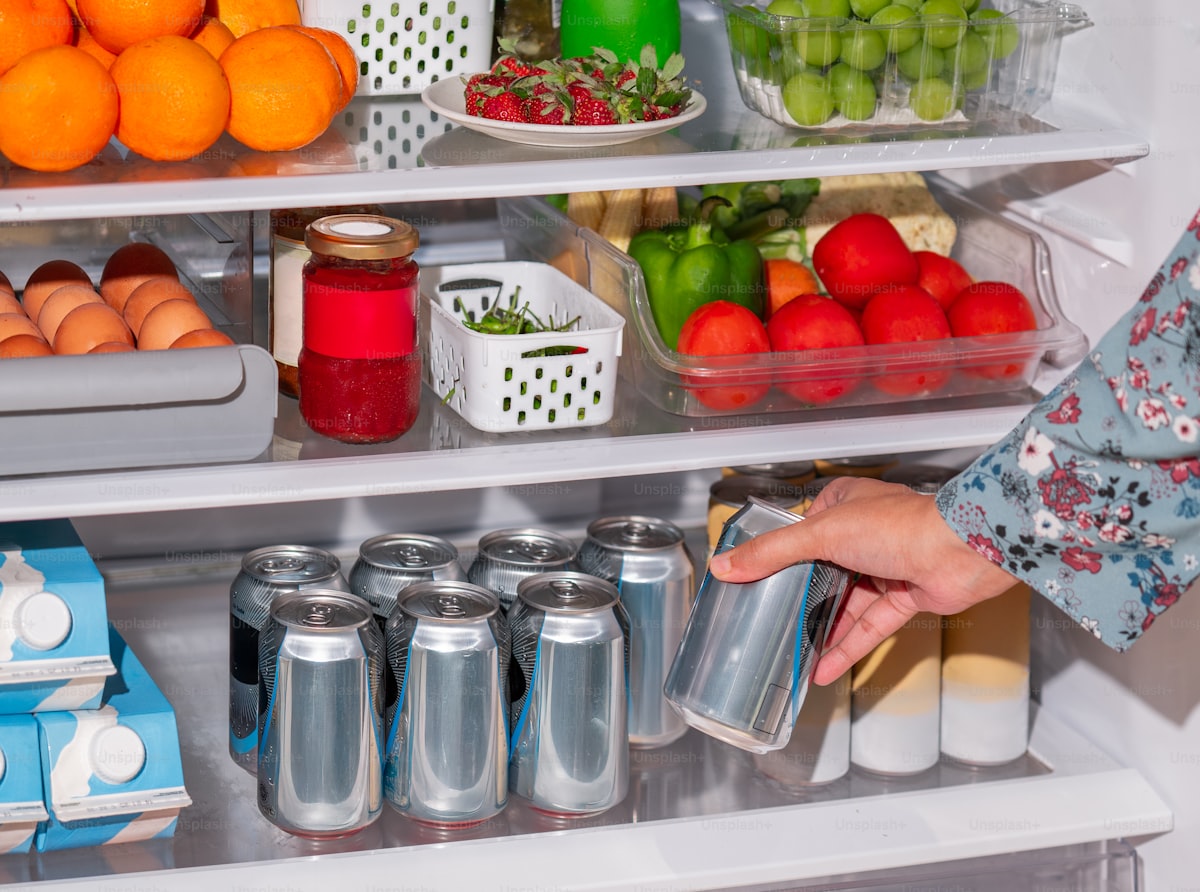
Setting your refrigerator to the right temperature is essential for keeping your food fresh and safe. The ideal refrigerator temperature is between 35°F to 38°F (1.7°C to 3.3°C), which helps prevent spoilage and bacterial growth while maintaining efficiency. For freezers, aim for 0°F (-18°C) or lower to ensure your frozen goods stay preserved.
Understanding Refrigerator Temperature Settings
Refrigerators work best when they are set within the optimal range of 35°F to 38°F. This range keeps your fresh foods safe and your energy usage efficient. Setting the temperature too high can lead to food spoilage, while a setting that's too low can freeze certain fresh items unintentionally.
Use an Independent Thermometer
Many refrigerators come with built-in thermometers, but these can sometimes be inaccurate. It's a good practice to use an independent thermometer to verify your fridge's internal temperature. This small step can help ensure your settings are keeping your food safe.
Adjusting and Stabilizing Temperatures
If you need to adjust your refrigerator's temperature, make small changes and allow the fridge 24 hours to stabilize before making further adjustments. This helps avoid unnecessary fluctuations that can affect food quality.
Importance of Proper Seals and Airflow
Regularly check and clean the door seals to ensure they are airtight. Also, make sure not to block air vents inside the refrigerator, as this can hinder proper air circulation and lead to uneven cooling.
What to Look For
Temperature Accuracy
Accurate temperature settings are crucial for food safety and energy efficiency. Look for refrigerators that offer precise temperature controls, allowing you to set specific temperatures rather than vague settings like 1-5.
Temperature Control Options
Refrigerators with digital controls or adjustable thermostats provide better accuracy and ease of use compared to manual dials. These options can help you maintain the optimal temperature range more effectively.
Energy Efficiency
Maintaining the correct temperature not only preserves food but also reduces energy consumption. Look for models that are energy-efficient, as they can lead to savings on your utility bills over time.
Advanced Features
Some modern refrigerators offer smart technology for humidity and temperature management, which can be a boon for maintaining the right environment for different types of food.
Recommended by Fridge.com
The following compact refrigerators have been selected by the team at Fridge.com for their reliable performance and temperature control features that align with the ideal settings discussed in this guide.
The Premium Levella PRF165400XW is a compact choice that offers efficient cooling in a small package, ideal for tight spaces.
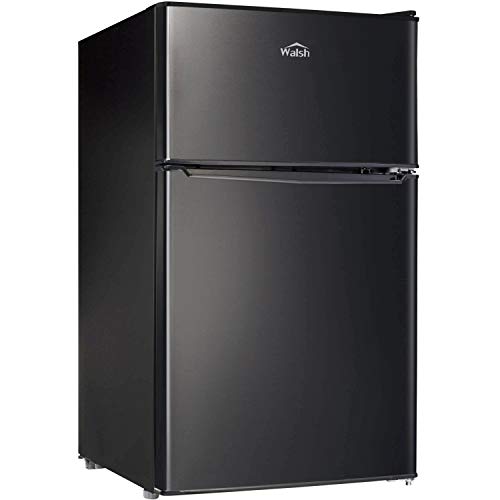
The Walsh Compact Refrigerator features an adjustable mechanical thermostat, allowing precise control of your fridge and freezer temperatures.

The Frigidaire EFR331 offers adjustable thermostat control and a stylish design, making it a practical and aesthetic addition to any room.

The Antarctic Star Mini Fridge provides precise temperature control with a 7-speed system, ensuring your food is stored at the optimal temperature.
FAQ
What is the ideal temperature for a refrigerator?
The ideal temperature for a refrigerator is between 35°F to 38°F (1.7°C to 3.3°C). This range helps keep food fresh and safe from bacterial growth.
What temperature should a freezer be set at?
A freezer should be set at 0°F (-18°C) or lower to ensure that all frozen foods remain preserved and safe for consumption.
How can I check if my refrigerator is at the correct temperature?
Use an independent thermometer placed inside your refrigerator to check the actual temperature, ensuring it falls within the recommended range.
Our Top Picks
For a reliable compact refrigerator that maintains the ideal temperature, the Fridge.com team suggests considering the Walsh Compact Refrigerator for its adjustable thermostat and the Antarctic Star Mini Fridge for its precise control system. Visit Fridge.com for more details on these models.