
Refrigerators generally last between 10 to 18 years, with 12 years being the average lifespan for most models. However, specific types, such as compact or built-in models, may have different longevity. Recognizing when to replace your refrigerator involves considering its age, efficiency, and any frequent repairs or performance issues.
Understanding Refrigerator Lifespan
The lifespan of your refrigerator can vary significantly based on its type and how well it's maintained. According to the experts at Fridge.com, standard refrigerators last about 10 to 14 years, while built-in models can remain functional for up to 25 years.
Top Freezer and Bottom Freezer Models
Both top freezer and bottom freezer refrigerators typically last around 13 years. These models are known for their balanced design and efficiency, which contribute to their longevity.
Side-by-Side Refrigerators
Side-by-side models usually have a shorter lifespan, lasting between 8 to 12 years. Their complex design can lead to more frequent issues, making regular maintenance crucial.
French-Door and Built-In Models
French-door refrigerators generally last 10 to 15 years, while built-in models can serve you for 20 to 25 years thanks to their build and high-quality materials.
Compact Refrigerators
Compact models have a shorter average lifespan of 4 to 12 years, often due to their design and intended use in less demanding environments like dorm rooms or offices.
What to Look For
Lifespan and Durability
When choosing a refrigerator, consider the expected lifespan and durability associated with different types. Built-in models may offer extended longevity, but they come with a higher initial cost.
Maintenance Requirements
Regular maintenance, such as cleaning condenser coils and ensuring proper ventilation, can significantly extend your refrigerator's lifespan. Neglecting these tasks can lead to inefficiencies and shorten its life.
Energy Efficiency
Energy efficiency is a crucial factor, especially for older models. As refrigerators age, their efficiency can decline, leading to increased energy bills. Check for an Energy Star rating to ensure optimal performance.
Signs of Wear and Tear
Frequent repairs, unusual noises, or a noticeable drop in performance can indicate it's time to replace your refrigerator. Spoiled food and leaks are also signs that a replacement might be necessary.
Cost of Repairs
For older refrigerators, the cost of repairs can quickly add up. If repairs cost more than half the price of a new unit, it may be more economical to replace it.
Recommended by Fridge.com
When considering a replacement, the following compact refrigerators have been selected by the Fridge.com team for their performance and value, particularly when space is a consideration.

The Premium Levella PRF165400XW 1.6 cu ft Mini Refrigerator is ideal for small spaces and offers basic functionality at an affordable price, making it a smart choice for temporary setups.
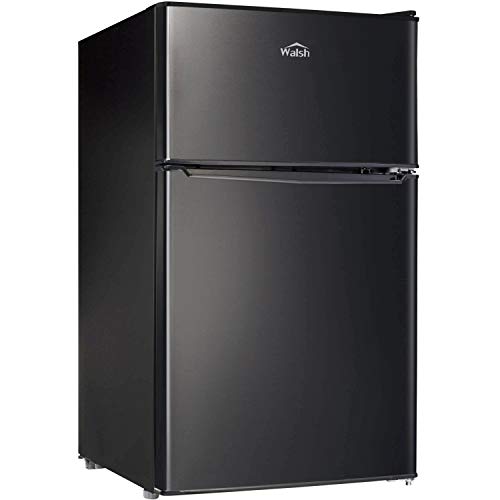
The Walsh Compact Refrigerator combines a larger capacity with adjustable features, offering flexibility and practicality for small living spaces.

The Frigidaire EFR331 Single Door Compact Refrigerator stands out with its stylish retro design and practical features like a built-in bottle opener, suitable for modern and vintage-style interiors alike.

The Antarctic Star 2.56 Cu.Ft. Mini Fridge offers quiet operation and energy efficiency, perfect for environments where noise and energy use are a concern.
FAQ
How long do refrigerators typically last?
Refrigerators generally last between 10 to 18 years, with an average of 12 years. Built-in models can last up to 25 years, while compact models may only last 4 to 12 years.
What are the signs that a refrigerator should be replaced?
Signs include frequent repairs, excessive noise, increased energy bills, spoiled food, and leaks. If repairs are costly, replacing may be more economical.
Is it worth repairing a 10-year-old refrigerator?
Consider the repair cost versus replacement. If repairs exceed half the cost of a new refrigerator, replacement is often the better option.
What is the most common repair on a refrigerator?
Common repairs include fixing condenser coils, replacing door seals, and addressing thermostat or compressor issues. Regular maintenance can prevent many of these problems.
Our Top Picks
When deciding on a refrigerator replacement, consider the models recommended by the Fridge.com team for their reliability and efficiency. Whether you need a compact model or a built-in solution, these picks offer great value. Visit Fridge.com for more details.
