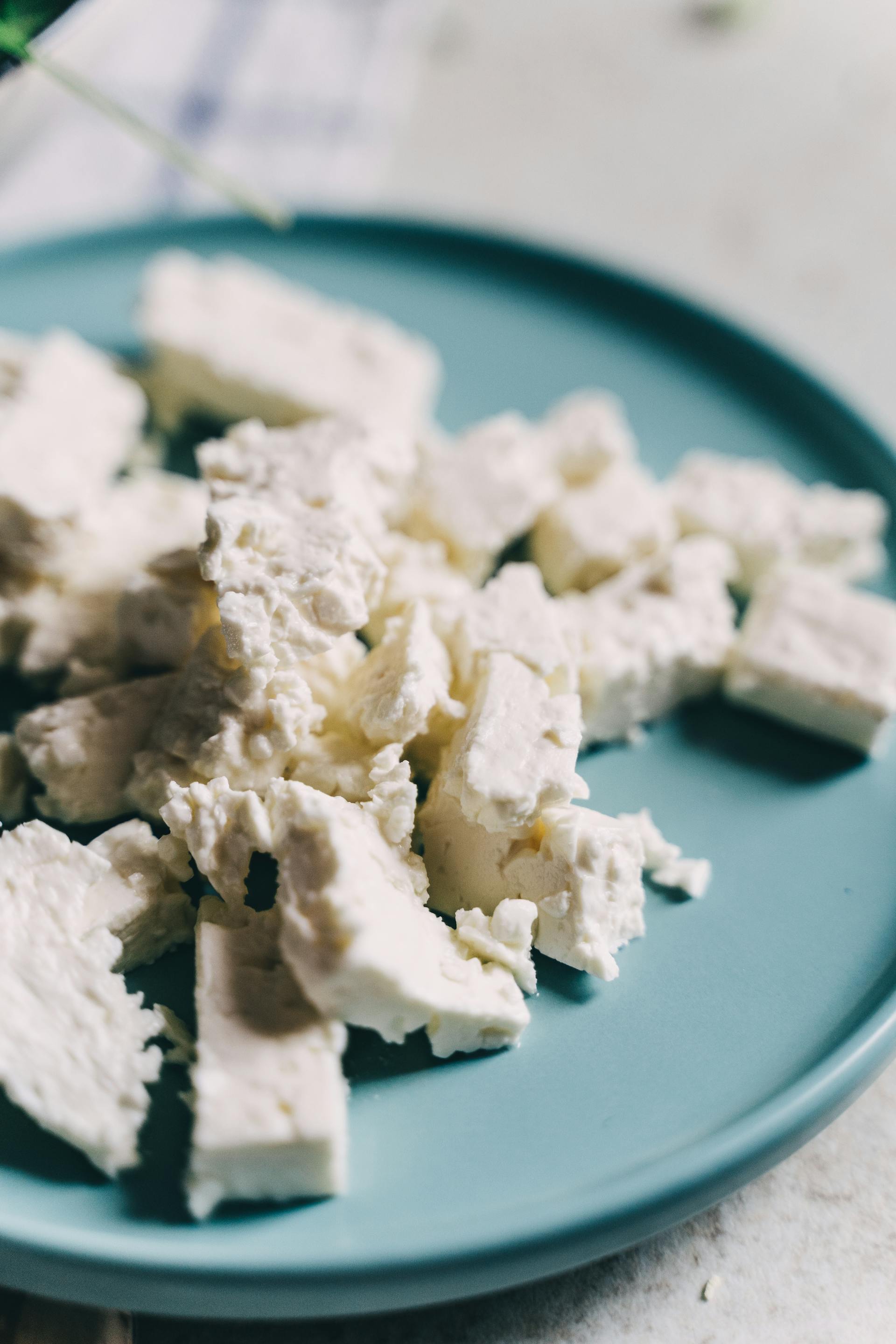
Storing Feta in the Fridge
Proper storage of feta in the refrigerator is essential to maintain its quality and extend its shelf life. Understanding the unique properties of feta cheese can help you store it correctly and enjoy its distinctive flavor and texture for longer.
Importance of Proper Storage
Storing feta cheese properly in the fridge helps preserve its freshness, flavor, and texture. Incorrect storage can lead to spoilage, making the cheese unsafe to eat. By following best practices for storage, you can ensure that your feta remains delicious and safe to consume.
Understanding Feta Cheese
Feta cheese, a staple in Mediterranean cuisine, is known for its crumbly texture and tangy taste. It is typically made from sheep's milk or a blend of sheep and goat's milk. Feta is often stored in brine, which helps preserve its flavor and moisture.
Feta's high moisture content and unique composition make it more susceptible to spoilage compared to harder cheeses. This is why understanding and following proper storage methods is crucial.
For more tips on storing other food items in your fridge, you can check out our articles on how to store cilantro in the fridge and heavy cream thickened in the fridge.
| Cheese Type | Storage Method | Shelf Life in Fridge |
|---|---|---|
| Unopened Feta | Store in original brine | Up to 3 months |
| Opened Feta | Store in airtight container with brine | Up to 1 month |
| Crumbled Feta | Store in airtight container | 5-7 days |
By following these guidelines, you can ensure that your feta cheese stays fresh and flavorful for as long as possible. For more information on fridge storage, visit our article on acceptable refrigerator temperature.
Shelf Life of Feta
Understanding the shelf life of feta cheese can help ensure that you enjoy it at its best quality and avoid any potential health risks. Several factors can influence how long feta remains fresh in the refrigerator.
Determining Feta's Freshness
Determining the freshness of feta cheese involves checking for several key indicators. Fresh feta typically has a tangy aroma, a creamy white appearance, and a crumbly yet firm texture. If the feta has an off smell, a slimy texture, or any discoloration, it may no longer be fresh and should be discarded.
| Indicator | Fresh Feta | Spoiled Feta |
|---|---|---|
| Smell | Tangy, fresh | Sour, off-putting |
| Appearance | Creamy white | Yellowish, moldy |
| Texture | Crumbly, firm | Slimy, mushy |
Factors Affecting Feta's Shelf Life
Several factors can affect the shelf life of feta cheese in the fridge. These include:
- Packaging: Properly sealed packaging helps maintain freshness. Unopened feta in brine can last longer than feta stored without brine.
- Storage Temperature: Consistent refrigeration at the correct temperature prolongs shelf life. Learn more about acceptable refrigerator temperature.
- Moisture Content: Feta stored in brine stays moist and fresh longer compared to dry-stored feta.
- Exposure to Air: Minimizing air exposure reduces the risk of mold growth and spoilage.
| Factor | Impact on Shelf Life |
|---|---|
| Packaging | Airtight packaging extends shelf life |
| Storage Temp | Consistent cold temperature preserves freshness |
| Moisture Content | Brined feta lasts longer |
| Air Exposure | Reducing air exposure prevents spoilage |
For more tips on proper storage practices, visit our article on how to store cilantro in the fridge and how to clean the inside of a fridge. Understanding these factors can help you maximize the shelf life of your feta cheese and enjoy it at its best quality.
How Long Does Feta Last in the Fridge?
Understanding the shelf life of feta cheese in the fridge is essential for maintaining its freshness and safety. Whether your feta is unopened or opened, the duration it remains fresh can vary.
Unopened Feta
Unopened feta cheese generally lasts longer in the fridge compared to opened feta. Properly stored in its original packaging, unopened feta can remain fresh for up to two months past the printed date. The key is to keep the feta at a consistent, cold temperature, typically around 34-40°F.
| Storage State | Refrigerator Shelf Life |
|---|---|
| Unopened Feta | 2 months past printed date |
For more information on optimal fridge temperatures, check our article on what is a good temp for your fridge?.
Opened Feta
Once opened, feta cheese has a shorter shelf life. The way you store opened feta significantly affects its freshness. When properly wrapped and submerged in brine or an airtight container, opened feta can last 5-7 days in the fridge. Without proper storage, it may spoil more quickly.
| Storage State | Refrigerator Shelf Life |
|---|---|
| Opened Feta (in brine) | 5-7 days |
| Opened Feta (without brine) | 1-2 days |
To extend the shelf life of your feta, consider using brine or an airtight container. For tips on storing other types of food in the fridge, visit our articles on how long is pork good in the fridge? and how long can mustard last in the fridge?.
Proper storage practices are crucial for maintaining the quality and safety of feta cheese. For more information on fridge-related topics, explore our comprehensive guides on organizing a french door refrigerator and acceptable refrigerator temperature.
Signs of Spoiled Feta
Knowing how to identify spoiled feta cheese is essential to ensure your safety and avoid consuming bad cheese. Here are the key indicators to watch for when determining if your feta has gone bad.
Visual Changes
One of the first signs of spoiled feta cheese is a change in its appearance. Fresh feta typically has a white, crumbly texture. When it starts to spoil, you may notice the following visual changes:
- Color: Fresh feta is white. If it starts to turn yellow or develop a greenish hue, it's a sign that the cheese is beginning to spoil.
- Mold: While some cheeses are meant to have mold, feta is not one of them. Any blue, green, or black mold growth on the feta indicates spoilage.
| Indicator | Fresh Feta | Spoiled Feta |
|---|---|---|
| Color | White | Yellow or Greenish |
| Mold | None | Blue, Green, Black |
Smell and Texture
The aroma and texture of feta cheese can also provide clues about its freshness. Fresh feta has a distinct, tangy smell and a firm, crumbly texture. If your feta exhibits any of the following characteristics, it may be spoiled:
- Smell: Fresh feta has a mild, tangy aroma. If it starts to emit a sour, rancid, or off-putting smell, it's likely spoiled.
- Texture: Feta should be firm and slightly crumbly. Spoiled feta may become slimy or excessively soft, indicating that it's no longer safe to eat.
| Indicator | Fresh Feta | Spoiled Feta |
|---|---|---|
| Smell | Tangy | Sour, Rancid |
| Texture | Firm, Crumbly | Slimy, Soft |
By being aware of these signs, you can ensure that your feta cheese is still good to eat. For more tips on storing feta properly, check out our section on best practices for feta storage. For information on how long other foods last in the fridge, visit our article on how long is pork good in the fridge?.
Storing Feta Properly
Proper storage of feta cheese is essential to maintain its freshness and flavor. By following some best practices, you can ensure that your feta stays good for as long as possible.
Best Practices for Feta Storage
Refrigeration: Always store feta cheese in the refrigerator. The ideal temperature for storing feta is between 35°F and 40°F. For more on optimal fridge temperatures, check out our article on what is the temperature of a fridge?.
Original Packaging: If your feta comes in a sealed package, keep it in the original packaging until you're ready to use it. This helps to maintain its freshness.
Brine Solution: Storing feta in a brine solution can extend its shelf life. The brine helps to keep the cheese moist and preserves its flavor. Simply submerge the feta in a mixture of water and salt.
Airtight Container: If you've opened your feta, transfer it to an airtight container. This will prevent it from absorbing odors from other foods in the fridge and keep it from drying out.
Cheese Paper or Parchment: Wrap the feta in cheese paper or parchment paper before placing it in an airtight container. This helps to maintain the right amount of moisture.
Tips for Extending Feta's Shelf Life
Monitor Temperature: Ensure your refrigerator maintains a consistent temperature. Fluctuations can affect the quality of your feta. For more details on fridge temperatures, read acceptable refrigerator temperature.
Use Fresh Brine: If you're storing feta in brine, replace the brine solution every couple of weeks to keep it fresh.
Avoid Cross-Contamination: Use clean utensils when handling feta to avoid introducing bacteria that can spoil the cheese.
Freeze for Long-Term Storage: If you have a large amount of feta and don't plan to use it all soon, consider freezing it. Place the feta in an airtight container or freezer bag. Note that the texture may change slightly upon thawing. For more on freezing, see our article on what fahrenheit should a freezer be?.
| Storage Method | Ideal Temperature | Shelf Life |
|---|---|---|
| Refrigerated in original packaging | 35°F - 40°F | Up to 2 months |
| In brine solution | 35°F - 40°F | Up to 3 months |
| Airtight container | 35°F - 40°F | 1 - 2 weeks |
| Freezer | 0°F or lower | Up to 6 months |
Implementing these best practices and tips can help you maximize the shelf life of your feta cheese, ensuring that it stays fresh and delicious for as long as possible. For more information on storing various foods, explore our articles on how long are ribs good in the fridge? and heavy cream thickened in the fridge.
FAQs About Feta Storage
Can you freeze feta cheese?
Yes, you can freeze feta cheese to extend its shelf life. Freezing feta helps preserve its texture and flavor for a longer period. To freeze feta, wrap it tightly in plastic wrap or aluminum foil and place it in an airtight container or a freezer bag. This prevents freezer burn and keeps the cheese fresh.
| Storage Method | Shelf Life |
|---|---|
| Refrigerator | 1 - 2 months |
| Freezer | 6 - 12 months |
For more information on freezer storage, check out our guide on what fahrenheit should a freezer be?.
Is it safe to eat feta past its expiration date?
Eating feta past its expiration date can be risky. While some cheeses may still be safe to consume after their expiration date, it is essential to check for signs of spoilage before consuming. If the cheese smells sour, has a slimy texture, or shows mold growth, it is best to discard it. Always prioritize safety and check for any signs of spoilage.
For tips on proper fridge storage, visit what is a good temp for your fridge?.
How can you tell if feta has gone bad?
Identifying spoiled feta is crucial to avoid foodborne illness. Look for the following signs to determine if feta has gone bad:
- Visual Changes: Mold growth or discoloration on the surface of the cheese.
- Smell and Texture: A sour or rancid smell and a slimy or overly hard texture.
| Signs of Spoilage | Description |
|---|---|
| Mold Growth | Visible mold on the surface |
| Sour Smell | Off-putting, sour odor |
| Slimy Texture | Feels slimy or mushy |
If you notice any of these signs, it is best to discard the feta. For additional tips on identifying spoiled food, visit how long are ribs good in the fridge?.
Proper storage and handling can help you enjoy your feta cheese safely and for a longer period. For more tips on fridge maintenance, see our guide on organizing a french door refrigerator.
Get Your Upgrade or New Addition at Fridge.com
Whether you're searching for your perfect fridge, freezer, wine fridge, beer fridge, ice maker, or kegerator, we have what you need.
Shop the world's best brands at Fridge.com.
We also have tons of awesome articles about kitchen stuff and home news. Enhance your home, garage, backyard, patio, and office with the coolest essentials. With every necessary type of residential refrigerator or freezer in our collection, we've got you covered.
Elevate your game and shop now at Fridge.com!