How Long Is Cooked Shrimp Good For In The Fridge?
Storing Cooked Shrimp in the Fridge
Importance of Proper Storage
Proper storage is paramount when it comes to preserving the quality and safety of cooked shrimp. By storing shrimp correctly, you not only extend its edible period but also ensure that it remains delicious and safe for consumption. It’s vital to understand the role that temperature and environment play in keeping shrimp at its best. Additionally, proper storage can prevent foodborne illnesses, making it an essential practice for any fridge or freezer owner.
How Long Can Cooked Shrimp Last in the Fridge?
The shelf life of cooked shrimp in the fridge can vary depending on several factors, but as a general rule, you can expect it to be safe for consumption for 3 to 4 days when stored properly. It is crucial to refrigerate the shrimp within two hours of cooking to prevent bacterial growth. The table below outlines the recommended storage time for cooked shrimp to help you enjoy your shrimp while it's still at its best.
| Storage Location | Recommended Storage Duration |
|---|---|
| Refrigerator (at or below 40°F) | 3-4 days |
| Freezer (at 0°F or below) | Up to 6 months |
For optimal results, ensure your refrigerator is set to the ideal temperature to inhibit bacterial growth. If you're unsure about the correct setting, check out our guide on what temp should a fridge be?
Remember, these are guidelines, and it's always important to trust your senses as well. If the shrimp has an off odor, a change in color, or a slimy texture, it's best to discard it regardless of how long it has been stored. For more tips on identifying spoilage, see the section on Signs of Spoilage.
Storing cooked shrimp properly not only assures that your meals will taste as intended but also contributes to the overall efficiency and effectiveness of your kitchen practices. Whether you have a compact fridge with freezer in a tiny home or a spacious french door fridge in a family kitchen, following these guidelines will help ensure your cooked shrimp remains a safe and enjoyable part of your meals.
Factors Affecting Shelf Life
Initial Quality of Shrimp
The shelf life of cooked shrimp begins with its initial quality. It's crucial to start with fresh or properly thawed shrimp to ensure the best results after cooking and storing. Shrimp that has been stored on ice and smells of the sea without any off-odors is typically fresh. Conversely, if the shrimp has any unpleasant ammonia-like smells or discolorations, it's best to avoid consuming it.
Storage Conditions
Once shrimp is cooked, how it is stored will significantly impact its longevity in the fridge. The key is to cool the shrimp quickly to prevent the growth of bacteria and then store it at a consistent temperature. Ideally, cooked shrimp should be refrigerated within two hours of cooking. According to the USDA, the recommended storage temperature for cooked shrimp is at or below 40°F (4°C). For maintaining optimal fridge conditions, explore articles like what temp should a fridge be? and what should a refrigerator temperature be?.
Signs of Spoilage
Being aware of the signs of spoilage can prevent foodborne illness. Cooked shrimp that has gone bad will typically have a sour or putrid smell. Visual signs include a slimy texture or any mold. If the shrimp has any of these indicators, it should not be consumed and needs to be discarded.
| Sign of Spoilage | Description |
|---|---|
| Smell | Sour, ammonia-like, or putrid odor |
| Texture | Slimy or sticky to the touch |
| Color | Discoloration or signs of mold |
For more information on food safety and storage, you can read about how long does cooked ground beef last in the fridge? and how long is rotisserie chicken good for in the fridge?.
Guidelines for Safe Storage
Proper storage of cooked shrimp is essential to maintaining its quality and ensuring it is safe to consume. By following these guidelines, you can extend the shelf life of your cooked shrimp and prevent foodborne illness.
Refrigeration Temperature
The temperature at which you store your cooked shrimp in the fridge is critical. The United States Department of Agriculture (USDA) recommends keeping your refrigerator at 40°F (4°C) or below, which helps to slow the growth of bacteria. Use a refrigerator thermometer to monitor the temperature within your fridge to ensure it stays within this safe zone.
| Refrigerator Section | Recommended Temperature |
|---|---|
| Main Compartment | ≤ 40°F (≤ 4°C) |
| Deli/Meat Drawer | ≤ 40°F (≤ 4°C) |
For more information on maintaining the right temperatures for your refrigerator, check out our article on what should a refrigerator temperature be?
Proper Packaging
When storing cooked shrimp in the fridge, you should always use airtight containers or sealable plastic bags. This not only helps to prevent the shrimp from drying out but also contains any odors that might affect other foods. Additionally, proper packaging helps to protect the shrimp from any potential contaminants.
- Airtight containers
- Sealable plastic bags
- Covered glass dishes
For those interested in speciality refrigeration solutions, such as a skin care fridge for beauty products, similar principles of airtight storage apply.
Avoiding Cross-Contamination
Cross-contamination can occur when cooked shrimp comes into contact with raw foods or surfaces that have been exposed to raw foods. To prevent cross-contamination:
- Store cooked shrimp on the top shelf of your fridge, away from raw foods.
- Use separate cutting boards and utensils for cooked and raw foods.
- Clean all surfaces and hands thoroughly after handling raw seafood or any other raw proteins.
| Storage Tips | Description |
|---|---|
| Keep cooked shrimp separate | Store cooked shrimp above raw foods |
| Dedicated utensils | Use separate utensils for raw and cooked foods |
| Regular cleaning | Clean surfaces and hands after handling raw food |
For more detailed information on avoiding cross-contamination in your kitchen appliances, including under counter freezers and car fridges, our article on do fridges use a lot of electricity? provides additional insights into safe food practices and energy efficiency.
These storage guidelines are designed to help you maintain the quality and safety of your cooked shrimp. Adhering to proper refrigeration temperature, packaging, and cross-contamination prevention will ensure that your shrimp remains delicious and safe to eat for as long as possible. Remember, if ever in doubt about the safety of your food, it's better to err on the side of caution.
Extending Shelf Life
Proper storage methods can significantly extend the shelf life of cooked shrimp, ensuring that you can enjoy your seafood safely for a longer period. Two effective ways to prolong the freshness of cooked shrimp are freezing and understanding the proper techniques for thawing and reheating.
Freezing Cooked Shrimp
Freezing is an excellent option for extending the shelf life of cooked shrimp. To freeze cooked shrimp effectively, follow these steps:
- Allow the shrimp to cool to room temperature after cooking.
- Place the shrimp in a single layer on a baking sheet lined with parchment paper and freeze until solid. This prevents the shrimp from clumping together.
- Once frozen, transfer the shrimp to airtight containers or heavy-duty freezer bags, pressing out as much air as possible before sealing.
- Label the container or bag with the date of freezing. Cooked shrimp can be stored in the freezer for up to 6 months for optimal quality.
Remember, when you freeze shrimp, the texture may change slightly upon thawing, but if properly frozen, the taste should remain intact. Be sure to consult resources like what causes freezer burn? to avoid common freezing mishaps.
Thawing and Reheating Tips
Thawing and reheating your shrimp correctly is crucial to maintaining its quality and safety. Here are some guidelines:
Thawing Cooked Shrimp:
- Refrigerator Thawing: Transfer the frozen shrimp to the refrigerator and allow it to thaw overnight. This method is safest as it keeps the shrimp at a consistent, cool temperature.
- Cold Water Thawing: If you're short on time, place the sealed bag of shrimp in a bowl of cold water. Change the water every 30 minutes until the shrimp are thawed.
Reheating Cooked Shrimp:
- Oven Reheating: Preheat your oven to 275°F (135°C). Place the shrimp on a baking sheet and warm them for about 10 to 15 minutes or until heated through.
- Stovetop Reheating: Using a skillet over medium heat, sauté the shrimp with a small amount of oil or butter just until they are warmed.
Always ensure that the shrimp reach an internal temperature of 165°F (74°C) when reheating to eliminate any potential bacteria. And, if you're looking for more detailed instructions on safe defrosting methods, check out resources like how long does cooked pork last in the fridge? which can offer additional insights into food safety practices.
By following these storage and reheating tips, you can enjoy your cooked shrimp while minimizing the risk of foodborne illness. Whether you're using an under counter freezer or a small fridge freezer, proper food storage is key to maintaining freshness and safety.
Creative Ways to Use Leftover Cooked Shrimp
Once you've determined how long is cooked shrimp good for in the fridge?, you might find yourself with a need to use those leftovers creatively. Here are some delicious ideas to transform your cooked shrimp into new culinary delights.
Shrimp Salad
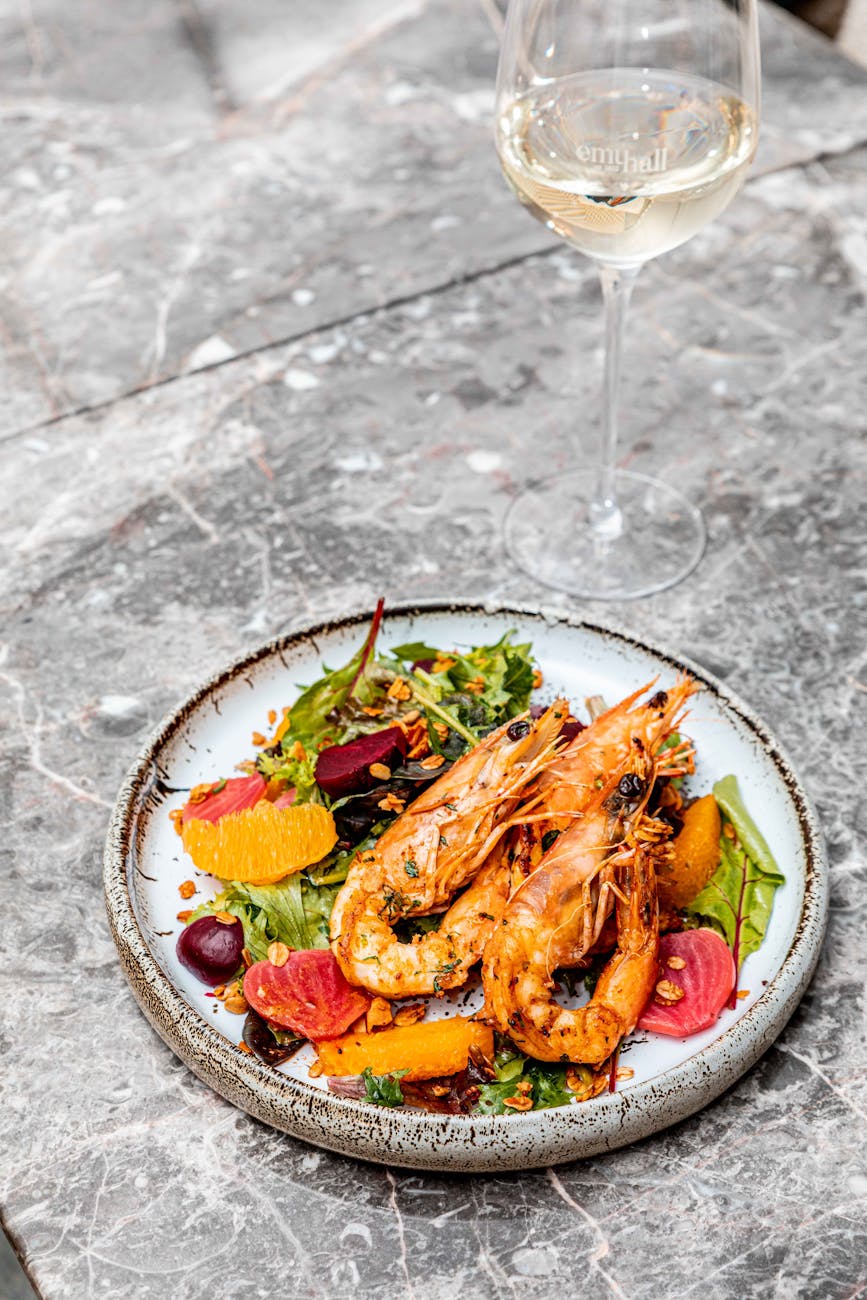
A refreshing and light option, shrimp salad is versatile and quick to prepare. Mix your cooked shrimp with a blend of crisp lettuce, juicy tomatoes, and a dressing of your choice, such as a classic cocktail sauce or a creamy avocado dressing. For an extra pop of flavor, add some freshly squeezed lemon juice and a sprinkle of herbs.
Shrimp Tacos
Give your next taco night a seafood twist with shrimp tacos. Warm up some tortillas and fill them with your leftover shrimp. Top with a homemade slaw, a dollop of sour cream, and a splash of lime for a zesty finish. Don't forget to include a variety of toppings like diced avocado, salsa, and shredded cheese to cater to everyone's tastes.
Shrimp Stir-Fry
Stir-fry dishes are a fantastic way to incorporate leftover shrimp into a hearty meal. Saute your favorite vegetables such as bell peppers, broccoli, and snow peas in a hot pan, then add the shrimp to heat through. Serve over a bed of steamed rice or noodles, and coat with a savory stir-fry sauce for a complete dish that's both satisfying and full of flavor.
Shrimp Pasta
Pasta and shrimp make an elegant combination that's perfect for a quick weeknight dinner or a special occasion. Toss your cooked shrimp with al dente pasta, a touch of garlic, olive oil, and some cherry tomatoes for a simple yet sophisticated dish. To elevate it further, finish with a sprinkle of parmesan cheese and fresh basil.
These ideas not only make for delicious meals but also help maximize the use of your leftovers while ensuring they don't go to waste. Remember to always check for signs of spoilage before using leftover shrimp, and ensure proper refrigeration practices to maintain the quality and safety of your food. If you're looking for ways to store shrimp for a longer period, consider options like freezing cooked shrimp or using specialized fridges such as a skin care fridge for delicate items. Whether you have a small fridge freezer or a large French door fridge, these recipes can adapt to the amount of shrimp you have available.
Get Your Upgrade or New Addition at Fridge.com
Whether you're searching for your perfect fridge, freezer, wine fridge, beer fridge, ice maker, or kegerator, we have what you need.
Shop the world's best brands at Fridge.com.
We also have tons of awesome articles about kitchen stuff and home news. Enhance your home, garage, backyard, patio, and office with the coolest essentials. With every necessary type of residential refrigerator or freezer in our collection, we've got you covered.
Elevate your game and shop now at Fridge.com!