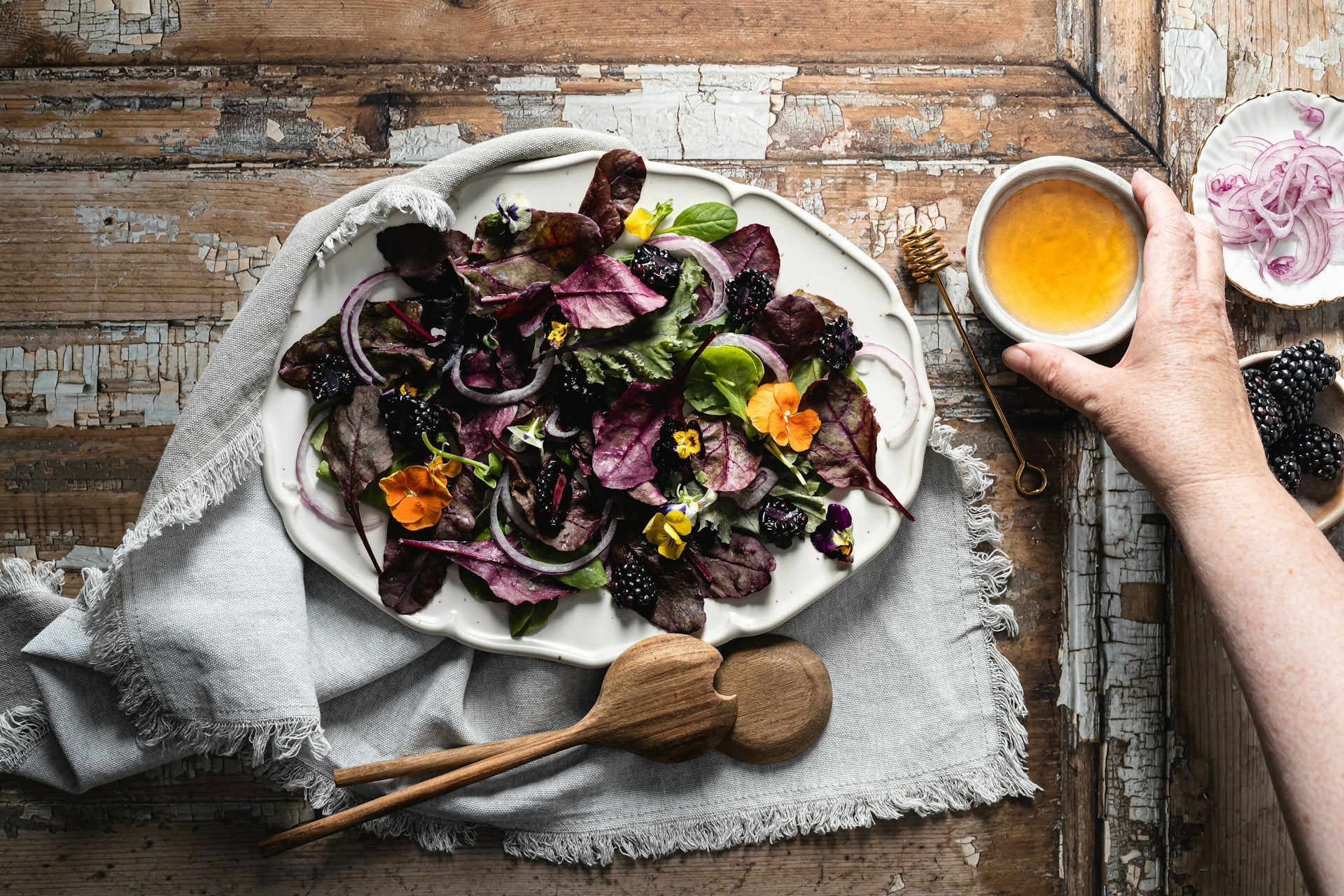
Understanding Vinaigrette
Vinaigrette is more than just a dressing for salads; it's a versatile concoction that can add zest and flavor to a variety of dishes. Before you ponder 'how long does vinaigrette last in the fridge?', it's essential to grasp what vinaigrette is and the differences between homemade and store-bought versions.
What is Vinaigrette?
Vinaigrette is a blend typically made of oil, vinegar, and seasonings. The oil and vinegar combination forms an emulsion, which is when two liquids that usually don't mix are combined into a unified mixture. The basic ratio is three parts oil to one part vinegar, but this can vary depending on personal taste preferences and the specific recipe used.
Homemade Vs. Store-Bought Varieties
When deciding between homemade and store-bought vinaigrettes, consider factors such as ingredients, preservatives, and freshness. Homemade vinaigrettes often have the advantage of fresher ingredients without added preservatives, giving you control over the flavor and nutritional content. They can be tailored to your palate, with the option to include various herbs, spices, and alternative vinegars or oils.
| Type | Ingredients | Preservatives | Shelf Life |
|---|---|---|---|
| Homemade | Customizable | None | Shorter |
| Store-Bought | Fixed | Often included | Longer |
Store-bought vinaigrettes, on the other hand, are convenient and have a longer shelf life due to preservatives. These varieties are consistent in flavor, making them a reliable option for those who value convenience.
The shelf life of both homemade and store-bought vinaigrettes can be extended by proper storage, with refrigeration being key. For more detailed information on the longevity of other refrigerated items, explore articles such as how long does homemade salsa last in the fridge? or how long does tahini last in the fridge?.
Storing Vinaigrette
Proper storage is key to maintaining the quality and extending the life of your vinaigrette. By following best practices for refrigeration and recognizing signs of spoilage, you can ensure that your vinaigrette remains safe and flavorful for as long as possible.
Best Practices for Refrigeration
To optimize the longevity of your vinaigrette, you should store it in the refrigerator at a consistent temperature. Here are some best practices for refrigerating your vinaigrette:
- Immediately Refrigerate: After preparing or opening vinaigrette, place it in the refrigerator as soon as possible to slow down the growth of bacteria.
- Use an Airtight Container: Store your vinaigrette in a container with a tight-fitting lid to prevent oxidation and contamination.
- Label and Date: Mark the container with the date of preparation or opening to keep track of its age.
- Keep It Cool: Ensure your fridge is at the correct temperature, typically around 35°F to 38°F (1.7°C to 3.3°C).
- Limit Exposure to Air: Minimize the time the vinaigrette is exposed to the air by closing the container promptly after use.
For more information on the shelf life of similar items, explore how long homemade salsa lasts in the fridge or the longevity of tahini.
Signs of Spoilage in Vinaigrette
It's crucial to identify when your vinaigrette is no longer suitable for consumption. Some common signs of spoilage include:
- Off-putting Smell: A sour or rancid odor is a clear indicator that the vinaigrette has gone bad.
- Change in Appearance: Any discoloration, such as a dull or brownish tint, can signal spoilage.
- Texture Alteration: If the vinaigrette appears to have separated beyond normal emulsion breakdown or has visible mold growth, it should not be consumed.
- Unusual Taste: If in doubt, a small taste test can confirm if the vinaigrette has turned sour or bitter.
If you notice any of these signs, discard the vinaigrette to avoid potential foodborne illness. For related information, also learn about the storage life of horseradish sauce or how long do cooked clams last in the fridge.
Shelf Life of Vinaigrette
Understanding the shelf life of vinaigrette is crucial for ensuring you enjoy its flavors at their peak. Whether you've whipped up a batch at home or picked up your favorite variety from the store, knowing how long it lasts in the fridge can help you plan meals and minimize waste.
Typical Lifespan in the Fridge
The longevity of vinaigrette when refrigerated largely depends on its ingredients and preparation. A basic homemade vinaigrette, consisting of oil and vinegar, can last quite a while due to vinegar's natural preservative properties.
| Vinaigrette Type | Lifespan in the Fridge |
|---|---|
| Homemade Oil and Vinegar | 3-4 weeks |
| Homemade with Fresh Ingredients (e.g., garlic, herbs) | 1-2 weeks |
| Store-Bought, Unopened | Until the use-by date |
| Store-Bought, Opened | 1-6 months |
For the most accurate information regarding your specific vinaigrette, always check the label for the best before date. After opening, it's important to seal it tightly and return it to the refrigerator promptly after each use.
Factors Affecting Vinaigrette's Freshness
Several factors can influence how long your vinaigrette remains fresh in the fridge:
- Ingredients: Fresh ingredients like garlic, herbs, or dairy shorten the lifespan due to their perishable nature.
- Preservatives: Store-bought vinaigrettes often contain preservatives that extend shelf life beyond that of homemade versions.
- Acidity: Higher levels of vinegar or citrus juice can act as natural preservatives, potentially lengthening shelf life.
- Storage Conditions: Vinaigrettes should be stored in the fridge at a consistent temperature of 40°F (4°C) or below.
- Container: The type of container used for storage can affect freshness; airtight containers are best.
- Cross-Contamination: Using clean utensils to handle vinaigrette can prevent the introduction of bacteria that could lead to spoilage.
For other items in your fridge, you might be wondering about their shelf life as well. Check out our guides to find out how long homemade salsa lasts in the fridge? or how long do cooked clams last in the fridge? among others, to keep your meals safe and delicious.
Maximizing Vinaigrette Longevity
To ensure your vinaigrette remains fresh and flavorful for as long as possible, proper storage techniques are crucial. By following these guidelines, you can extend the shelf life of your homemade or store-bought vinaigrette.
Proper Storage Containers
Selecting the right container is vital for preserving the quality of your vinaigrette. Airtight glass containers are ideal as they do not absorb flavors and prevent air from spoiling the dressing. Plastic containers can also be used, but ensure they are food-safe and designed for storage. Mason jars with tight-fitting lids are a popular and effective choice for many home cooks.
Here's a comparison of different container materials:
| Container Type | Pros | Cons |
|---|---|---|
| Glass | Non-reactive, doesn't absorb flavors | Fragile, heavier |
| Plastic | Lightweight, unbreakable | May absorb flavors, less eco-friendly |
| Stainless Steel | Durable, eco-friendly | Can't see contents, may react with acidic ingredients |
Tips for Extending Shelf Life
To maximize the freshness of your vinaigrette, consider the following tips:
- Chill Promptly: Refrigerate your vinaigrette immediately after use. The cool temperature slows down the growth of bacteria.
- Minimize Exposure: Each time you use the vinaigrette, make sure to close the lid tightly to minimize exposure to air.
- Use Clean Utensils: Always use a clean spoon or whisk to stir or pour your vinaigrette, as introducing food particles can lead to spoilage.
- Avoid Cross-Contamination: Do not return unused vinaigrette to the original container if it has come into contact with other foods.
- Label and Date: Mark the storage date on the container to help keep track of how long the vinaigrette has been in the refrigerator.
By implementing these storage practices, you can help ensure your vinaigrette stays as fresh as possible. For information on the lifespan of other refrigerated items, check out our articles on how long does homemade salsa last in the fridge? and how long does tahini last in the fridge?.
Remember, while these tips can help extend the life of your vinaigrette, it's important to always check for signs of spoilage before consumption. If you notice any off odors, flavors, or mold, it's best to err on the side of caution and discard the vinaigrette.
Safety and Quality Considerations
When it comes to the safety and quality of your vinaigrette, it's crucial to recognize the signs of spoilage and to follow food safety guidelines, particularly for salad dressings that can be susceptible to bacterial growth if not handled properly.
How to Tell if Your Vinaigrette Has Gone Bad
Vinaigrette, like other perishable food items, can go bad, and it's important for your health to know how to identify when it's no longer safe to consume. Here are some indicators that your vinaigrette might have spoiled:
- Unpleasant odor: Fresh vinaigrette should have a pleasant acidic aroma from the vinegar, complemented by the fragrance of any added herbs or spices. If you detect any sour, rancid, or off-putting smells, it's time to discard it.
- Visible mold or bacterial growth: Any signs of mold, fuzz, or slime on the surface or inside the bottle mean the vinaigrette is spoiled.
- Changes in texture or consistency: If the vinaigrette has thickened excessively, become lumpy, or has changed in any other way, it should not be used.
- Taste alteration: If you're uncertain, a small taste (without swallowing) can confirm spoilage. If it tastes sour or unpleasantly bitter, it's best to throw it away.
Food Safety Tips for Salad Dressings
To ensure that your vinaigrette and other salad dressings remain safe to eat, consider these food safety tips:
- Refrigeration: Always store your vinaigrette in the refrigerator at or below 40°F (4°C).
- Airtight containers: Use airtight containers to prevent the growth of bacteria and to keep odors from the fridge from affecting the vinaigrette's flavor.
- Labeling: Clearly label your vinaigrette with the date it was made or opened to keep track of its freshness.
- Avoid cross-contamination: Never dip used utensils back into the vinaigrette. Always use clean utensils each time you serve or use the dressing.
- Use by recommended dates: Pay attention to any use-by or best-by dates on store-bought vinaigrettes and consider the recommended lifespan for homemade varieties.
By being vigilant about the condition of your vinaigrette, you'll ensure that you can enjoy its flavors without compromising your health. For more information on the shelf life of similar items, you may want to read about how long homemade salsa lasts in the fridge? or how long does horseradish sauce last in the fridge?. Remember, when in doubt, it's always better to err on the side of caution and dispose of any food items that may pose a risk.
Get Your Upgrade or New Addition at Fridge.com
Whether you're searching for your perfect fridge, freezer, wine fridge, beer fridge, ice maker, or kegerator, we have what you need.
Shop the world's best brands at Fridge.com.
We also have tons of awesome articles about kitchen stuff and home news. Enhance your home, garage, backyard, patio, and office with the coolest essentials. With every necessary type of residential refrigerator or freezer in our collection, we've got you covered.
Elevate your game and shop now at Fridge.com!