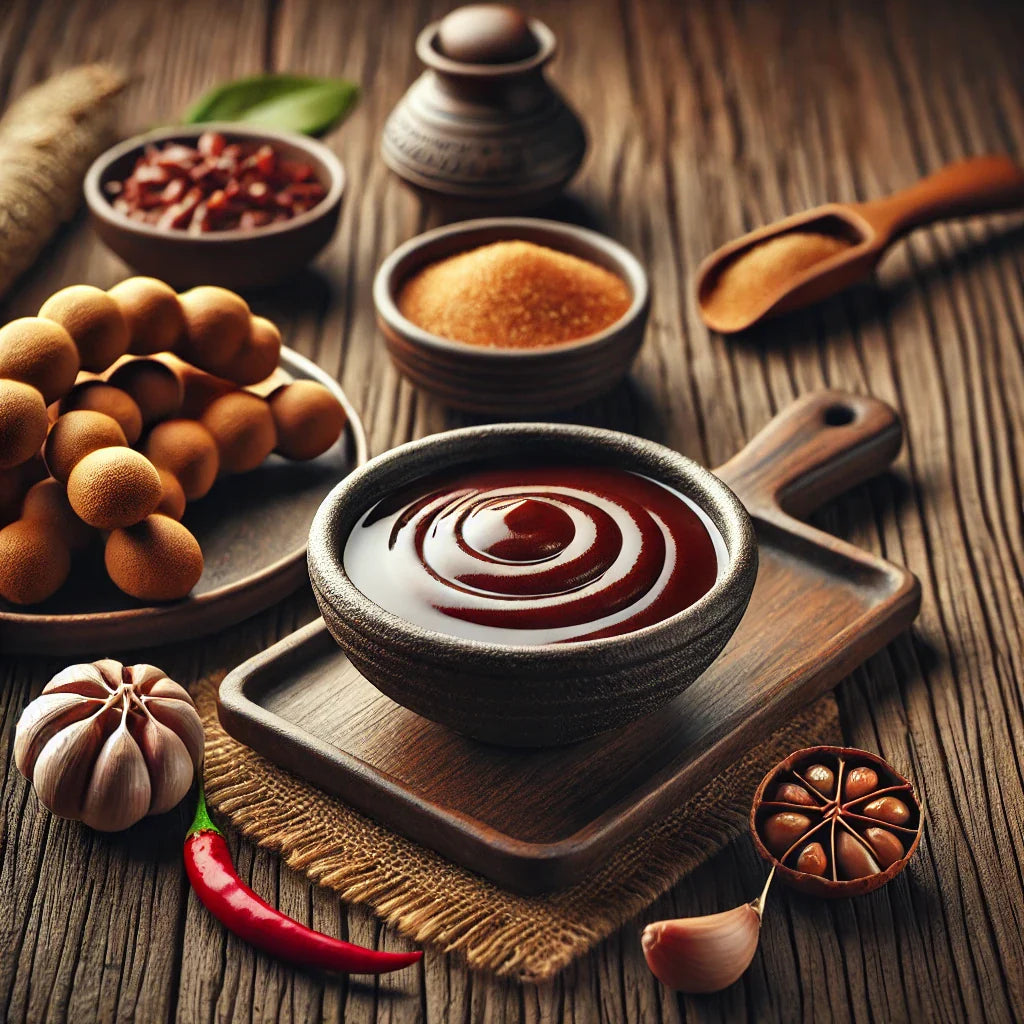
Storing Tamarind Sauce in the Fridge
Proper storage of tamarind sauce in the refrigerator is crucial to maintaining its freshness and flavor. The way you store this tangy condiment can significantly impact how long it remains safe and enjoyable to use.
Importance of Proper Storage
Ensuring your tamarind sauce is stored correctly in the fridge is important for several reasons. It helps to preserve the sauce's quality by slowing down the growth of bacteria and mold, which can spoil the sauce. Proper storage also retains the sauce's robust flavor and prevents it from absorbing odors from other foods in your refrigerator.
Factors Affecting Shelf Life
The shelf life of tamarind sauce can be influenced by various factors:
- Temperature: The fridge should be at a consistent temperature of 40°F (4°C) or below to keep the sauce in optimal condition.
- Exposure to Air: Minimizing air exposure by sealing the container tightly helps prevent contamination and oxidation.
- Light: Exposure to light can degrade the quality of the sauce over time, so it's best to store it in an opaque container or a dark area of the fridge.
- Moisture: Any moisture that enters the storage container can lead to mold growth, so ensure the sauce is always kept dry.
- pH Level: The natural acidity of tamarind sauce acts as a preservative, but fluctuations in pH can affect its longevity.
- Usage: The frequency with which you use the sauce and how you handle it (e.g., using a clean spoon each time) can either shorten or extend its shelf life.
By understanding and controlling these factors, you can help ensure your tamarind sauce stays fresh for as long as possible. For comparison on how other items fare in the fridge, explore how long different products last, such as how long does mango juice last in the fridge? or how long does green juice last in the fridge?.
Shelf Life of Tamarind Sauce
When it comes to preserving the unique flavor of tamarind sauce, understanding its shelf life is key. Whether you're storing an unopened bottle or you've already indulged and are saving the rest, proper storage in the fridge can help extend its freshness.
Unopened Tamarind Sauce
If you have a bottle of tamarind sauce that hasn't been opened yet, you're in luck. Unopened bottles can last quite a while when stored correctly in the fridge. This is because the sealed environment prevents the introduction of contaminants and preserves the sauce in its original state.
| Condition | Estimated Shelf Life |
|---|---|
| Unopened, Stored in Pantry | 1-2 years |
| Unopened, Stored in Fridge | 2-3 years |
Keep your unopened tamarind sauce in a cool, dark place within the refrigerator to maintain its quality. Always check the expiration date before use, even if unopened, to ensure the best taste and safety. For more on the longevity of similar items, see our article on how long does mango juice last in the fridge?
Opened Tamarind Sauce
Once opened, the clock starts ticking on the freshness of your tamarind sauce. Exposure to air, bacteria, and potential cross-contamination can impact both the flavor and safety of the sauce.
| Condition | Estimated Shelf Life |
|---|---|
| Opened, Stored in Fridge | 3-6 months |
To maximize the shelf life of opened tamarind sauce, ensure it's tightly sealed after each use. If possible, transfer the sauce to an airtight container or use a clean spoon each time to prevent introducing bacteria. Regularly inspect the sauce for signs of spoilage before use and discard it if there's any doubt about its safety. For tips on other refrigerated items, read about how long does green juice last in the fridge?
In both cases, the key to maximizing the shelf life of your tamarind sauce is proper storage. Keep it refrigerated, sealed, and away from direct light to enjoy its tangy goodness for as long as possible.
Signs of Spoilage
Recognizing when tamarind sauce has spoiled is crucial to ensure you're using it safely. There are two main ways to identify if tamarind sauce is no longer suitable for consumption: visual changes and the smell test.
Visual Changes
When inspecting tamarind sauce for spoilage, look for any unusual changes in appearance. Signs to watch out for include:
- Mold growth, which could manifest as fuzzy spots of white, green, or black.
- Significant color changes, where the sauce may turn a darker brown or exhibit a dull, faded hue.
- Separation of ingredients, where the sauce may have a more watery layer at the top and solids at the bottom.
If you observe any of these changes, it's best to err on the side of caution and discard the sauce.
Smell Test
The olfactory sense can be an effective tool in detecting spoilage. Fresh tamarind sauce typically has a tangy, slightly sweet aroma. If your tamarind sauce emits:
- A sour or rancid smell.
- An off-putting odor that does not resemble its original scent.
- Any other unusual or strong smells.
It's an indication that the sauce has gone bad. Given the importance of using fresh ingredients, if the sauce doesn't smell like it should, do not consume it.
While these checks are helpful for sauces like tamarind, they can be applied to various perishables. For instance, you may want to learn how long does mango juice last in the fridge? or how long do shiitake mushrooms last in the fridge?. Understanding the signs of spoilage across different food items ensures that your meals are not only delicious but also safe to eat.
Extending Shelf Life
To get the most out of your tamarind sauce and ensure it remains flavorful and safe to consume, proper storage techniques are essential. Here's how you can extend the shelf life of your tamarind sauce.
Proper Sealing and Storage
The key to prolonging the freshness of tamarind sauce lies in how well it is sealed and stored after use. To maintain its quality:
- Ensure an Airtight Seal: After each use, make certain the lid is screwed on tightly or the cap is securely in place to prevent air from entering the container, which can accelerate spoilage and lead to contamination.
- Minimize Exposure: Use clean utensils when serving tamarind sauce to avoid introducing contaminants from other foods. Double-dipping is a definite no.
- Use Appropriate Containers: If the original packaging is damaged, transfer the sauce to a clean, airtight container. Glass jars with tight-fitting lids or plastic containers with snap-on lids are ideal.
Refrigeration Tips
Refrigeration plays a crucial role in extending the shelf life of tamarind sauce. Follow these tips to ensure optimal preservation:
- Consistent Temperature: Keep your fridge temperature at or below 40°F (4°C). Fluctuating temperatures can cause the sauce to spoil faster.
- Store in the Right Spot: Place tamarind sauce in the main compartment of your fridge, not in the door, where temperature variations are more common due to frequent opening and closing.
- Keep It Covered: If using a bowl or an open container, always cover it with plastic wrap or a suitable lid.
By following these sealing and refrigeration guidelines, you maximize the shelf life of tamarind sauce, ensuring that it remains a delicious addition to your meals. If you're also curious about the longevity of other items in your fridge, explore our resources on topics such as how long do shiitake mushrooms last in the fridge? or how long does green juice last in the fridge? for more information.
Using Tamarind Sauce Safely
Ensuring the safety of your food involves proper storage, handling, and awareness of expiration dates. Tamarind sauce, with its tangy and sweet flavor, can be a delightful accompaniment to many dishes, but it's important to use it safely to avoid foodborne illnesses.
Checking Expiration Dates
Before consuming tamarind sauce, check the expiration date provided by the manufacturer. This date indicates how long the sauce is expected to retain its quality. An unopened bottle of tamarind sauce can generally last well past its 'Best By' date if stored properly in the fridge. However, once opened, the sauce's shelf life decreases.
Here's a quick guide on the expected shelf life of tamarind sauce in the fridge:
| Condition | Shelf Life |
|---|---|
| Unopened | 1-2 years past 'Best By' date |
| Opened | 6 months to 1 year |
It's important to note that these are general estimates. The actual shelf life can vary based on factors such as the initial quality of the sauce, how it's been processed, and the storage conditions. For more insights into the shelf lives of similar items, you might be interested in reading about how long does mango juice last in the fridge? or how long does plum sauce last in the fridge?.
Proper Handling and Hygiene
To maintain the safety and quality of your tamarind sauce, practice these handling and hygiene tips:
- Always use clean utensils when serving the sauce to prevent contamination.
- Avoid leaving the sauce at room temperature for extended periods; return it to the fridge promptly after use.
- If transferring the sauce to a different container, ensure the container is clean and has an airtight seal.
- Do not consume the sauce directly from the bottle to prevent the introduction of bacteria.
Remember, proper handling extends the life of your tamarind sauce and keeps it safe for consumption. It's also crucial to observe the sauce for any signs of spoilage before use, which may include an off smell or changes in texture. For additional information on safely enjoying various foods, explore articles such as how long do brisket last in the fridge? or how long does bacon last in the fridge?.
By checking expiration dates and practicing proper hygiene, you can enjoy your tamarind sauce to the fullest, ensuring that every meal is both delicious and safe.
Frequently Asked Questions
Can you freeze tamarind sauce?
Yes, you can freeze tamarind sauce to extend its shelf life. Freezing can be an effective way to preserve the sauce's quality for several months. To freeze tamarind sauce, pour it into an airtight container or a heavy-duty freezer bag. It's best to leave some space at the top as the sauce may expand when frozen. Thaw the frozen tamarind sauce in the refrigerator before using it again.
How to tell if tamarind sauce has gone bad?
Tamarind sauce, like any other sauce, can go bad over time. To determine if your tamarind sauce has spoiled, look for visual changes such as mold growth or any discoloration. Additionally, a sour or off smell is a strong indicator that the sauce should not be consumed. If the sauce has an unusual taste or you notice any fermentation bubbles, it's best to discard it.
Can you use expired tamarind sauce?
Using expired tamarind sauce is not recommended. While some condiments may remain safe to consume after their expiration date, doing so with tamarind sauce can be risky. The expiration date is an indication of when the product is expected to start losing its quality and flavor. After this date, the risk of spoilage increases. Always check the sauce for signs of spoilage before using it. If you have any doubts about its safety, it's better to err on the side of caution and not use it.
For information on how to properly store other products to maximize their shelf life, explore our articles on how long does mango juice last in the fridge? or how long do shiitake mushrooms last in the fridge?.