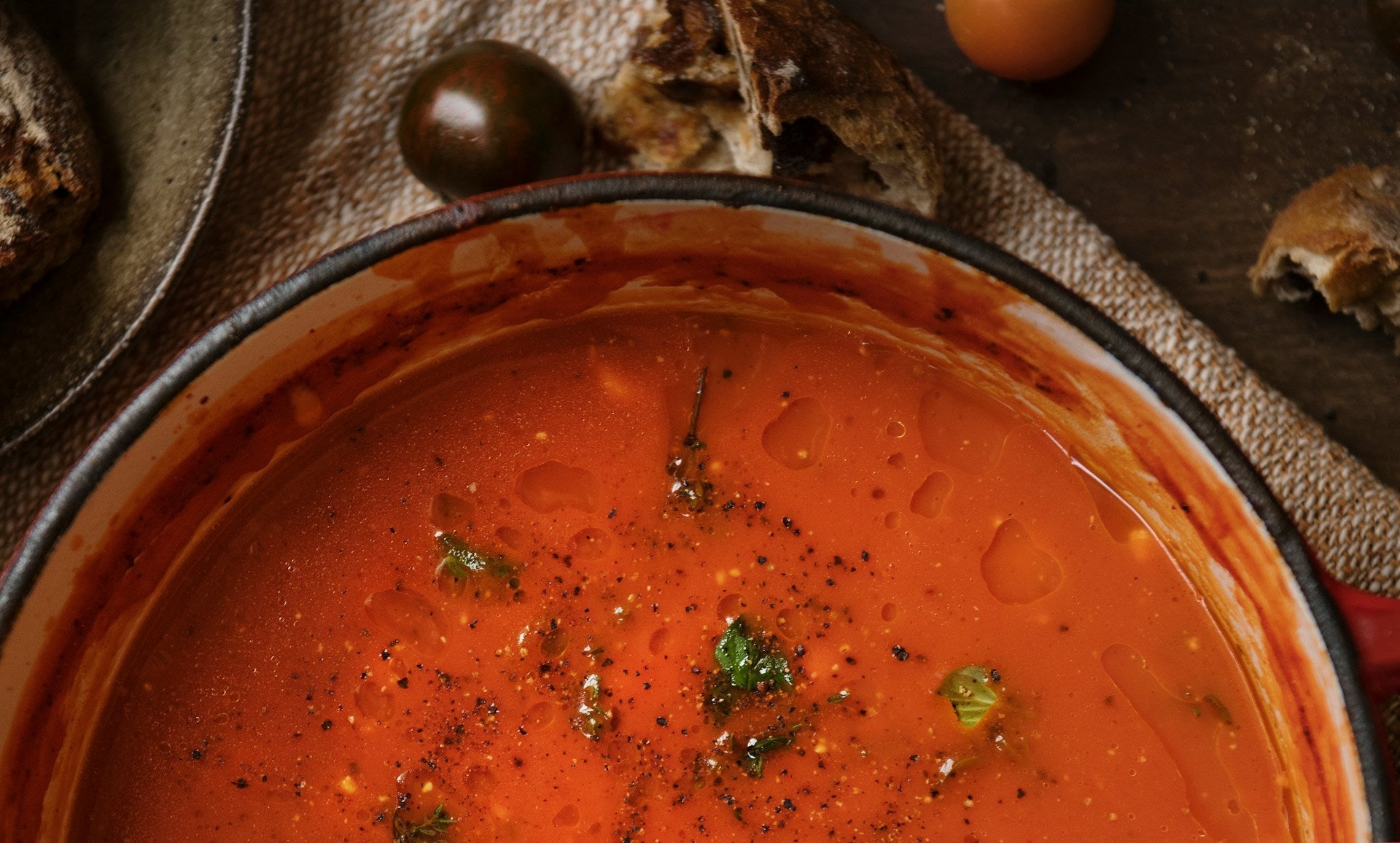
Storing Spaghetti Sauce in the Refrigerator
Properly storing spaghetti sauce in the refrigerator is essential to maintain its freshness and prevent spoilage. Here are some guidelines to help you store your spaghetti sauce effectively and understand the factors that affect its shelf life.
Proper Storage Guidelines
-
Use Airtight Containers: Store your spaghetti sauce in airtight containers to prevent air from entering and causing oxidation. This helps maintain the sauce's flavor and texture.
-
Cool Sauce Before Storing: Ensure the sauce has cooled to room temperature before placing it in the refrigerator. This prevents condensation and potential bacterial growth.
-
Label and Date: Label your containers with the date of storage. This helps you keep track of how long the sauce has been refrigerated.
-
Store on Fridge Shelves: Keep the sauce on the refrigerator shelves rather than the door, as the temperature on the shelves is more stable.
Factors Affecting Shelf Life
Several factors can influence how long spaghetti sauce stays good in the refrigerator:
-
Ingredients: The type of ingredients used in the sauce can impact its shelf life. Sauces with dairy or meat may spoil faster than those made with just tomatoes and vegetables.
-
Temperature: Maintaining a consistent refrigerator temperature of 35°F to 40°F (1.6°C to 4.4°C) helps prolong the shelf life of the sauce.
-
Exposure to Air: Exposure to air can lead to oxidation and spoilage. Ensure containers are properly sealed to minimize air exposure.
-
Preservatives: Homemade sauces without preservatives may have a shorter shelf life compared to store-bought sauces with added preservatives.
-
Frequency of Opening: Frequently opening and closing the container can introduce bacteria and cause the sauce to spoil faster.
| Factor | Impact on Shelf Life |
|---|---|
| Ingredients | Dairy or meat-based sauces spoil faster |
| Temperature | Keep at 35°F to 40°F (1.6°C to 4.4°C) |
| Exposure to Air | Airtight containers reduce spoilage |
| Preservatives | Store-bought sauces last longer |
| Frequency of Opening | Reduces shelf life due to bacteria introduction |
By following these guidelines and considering the factors affecting shelf life, you can ensure your spaghetti sauce remains fresh and safe to eat. For more information on storing other food items, check out how long does an open jar of salsa last in the refrigerator? and how long does blue cheese dressing last in the refrigerator?.
Shelf Life of Spaghetti Sauce
Understanding how long spaghetti sauce stays good in the refrigerator is crucial for maintaining food safety and quality. The shelf life of spaghetti sauce can vary depending on whether it is unopened or opened.
Unopened Spaghetti Sauce
Unopened spaghetti sauce generally has a long shelf life, thanks to the preservatives and sealing techniques used in commercial production. When stored in the refrigerator, an unopened jar of spaghetti sauce can last for several months past the "best by" date indicated on the packaging.
| Condition | Shelf Life in Refrigerator |
|---|---|
| Unopened Commercial Sauce | 6-12 months |
| Unopened Homemade Sauce | 1-2 weeks |
Opened Spaghetti Sauce
Once you open a jar of spaghetti sauce, its shelf life decreases significantly. It's important to store the sauce properly to maximize its freshness and prevent spoilage. Typically, an opened jar of commercial spaghetti sauce can last about 5-7 days in the refrigerator. Homemade spaghetti sauce, which lacks preservatives, usually lasts for about 3-5 days.
| Condition | Shelf Life in Refrigerator |
|---|---|
| Opened Commercial Sauce | 5-7 days |
| Opened Homemade Sauce | 3-5 days |
Proper storage techniques, such as keeping the sauce in an airtight container and maintaining a consistent refrigerator temperature, can help extend its shelf life. For more information on storing different types of food, check out our articles on how long does an open jar of salsa last in the refrigerator? and how long does buttercream frosting last in the refrigerator?.
By understanding the shelf life of both unopened and opened spaghetti sauce, you can better manage your food storage and ensure that your meals are always fresh and delicious.
Signs of Spoilage
Understanding when your spaghetti sauce has gone bad is crucial to ensuring food safety. Here are some key indicators to help you determine if your sauce is no longer good to eat.
How to Tell If Spaghetti Sauce Has Gone Bad
To identify if your spaghetti sauce has spoiled, look for the following signs:
- Off Odor: A sour or rancid smell indicates that the sauce has started to spoil.
- Color Changes: Discoloration, such as darkening or the appearance of mold, is a clear sign of spoilage.
- Texture Changes: If the sauce has become slimy or has separated into watery and solid parts, it’s best to discard it.
- Taste: If the sauce tastes off or has a sour flavor, it’s no longer safe to eat.
Common Spoilage Indicators
Here are some common indicators that your spaghetti sauce may have gone bad:
| Indicator | Description |
|---|---|
| Smell | Sour, rancid, or off-putting odor |
| Color | Darkening, mold spots, or unusual colors |
| Texture | Slimy, watery separation, or clumps |
| Taste | Sour or off-flavor |
By being aware of these signs, you can ensure that your spaghetti sauce remains safe to consume. For more information on food storage, visit our articles on how long does an open jar of salsa last in the refrigerator? and how long does opened chicken broth last in the refrigerator?. These resources provide useful guidelines for maintaining food freshness and safety.
Extending Shelf Life
Tips to Prolong Spaghetti Sauce Freshness
To ensure your spaghetti sauce stays fresh for as long as possible, there are several key tips to follow:
- Store in an Airtight Container: Use a glass or plastic airtight container to keep the sauce fresh and prevent it from absorbing other odors in the refrigerator.
- Cool Before Storing: Allow the sauce to cool to room temperature before placing it in the fridge to prevent condensation, which can lead to bacterial growth.
- Use a Clean Spoon: Always use a clean spoon when scooping out sauce to avoid introducing bacteria.
- Label and Date: Label the container with the date it was made or opened to keep track of its shelf life.
- Keep at a Consistent Temperature: Store the sauce in the main body of the refrigerator where the temperature is most consistent, rather than in the door.
Proper Handling and Storage Practices
Proper handling and storage are crucial for maximizing the shelf life of your spaghetti sauce:
- Refrigerate Promptly: After cooking or opening, refrigerate the sauce within two hours to prevent bacterial growth.
- Avoid Cross-Contamination: Keep the sauce away from raw meats and other foods that could introduce harmful bacteria.
- Seal Tightly: Ensure the container is sealed tightly to prevent exposure to air, which can cause spoilage.
| Storage Factor | Recommendation |
|---|---|
| Container Type | Airtight glass or plastic |
| Initial Temperature | Room temperature before storing |
| Refrigerator Location | Main body (not in the door) |
| Time Before Refrigeration | Within 2 hours of cooking/opening |
For more detailed guidelines on how long different foods last in the refrigerator, explore our other articles like how long is cooked spaghetti noodles good for in the fridge? and how long does an open jar of salsa last in the refrigerator?.
By following these handling and storage practices, you can extend the shelf life of your spaghetti sauce, ensuring it remains safe and delicious to eat. For additional tips on maintaining freshness for other items in your fridge, check out how long does homemade chicken noodle soup last in the fridge?.
Reheating Stored Spaghetti Sauce
Reheating your stored spaghetti sauce properly ensures that it remains safe to eat and retains its delicious flavor. Below are safe reheating practices and the best methods for reheating your sauce.
Safe Reheating Practices
To safely reheat spaghetti sauce, follow these guidelines:
- Use a Food Thermometer: Ensure the sauce reaches an internal temperature of 165°F (74°C) to kill any potential bacteria.
- Avoid Multiple Reheats: Reheat only the portion you plan to consume to prevent repeatedly cooling and reheating the same batch.
- Stir Frequently: Stirring helps distribute heat evenly, preventing hot spots which can harbor bacteria.
Best Methods for Reheating
There are several effective ways to reheat spaghetti sauce:
- Stovetop: Place the sauce in a saucepan over medium heat. Stir frequently until it reaches the desired temperature.
- Microwave: Transfer the sauce to a microwave-safe container. Cover it with a microwave-safe lid or plastic wrap, leaving a small vent. Heat on high in 30-second intervals, stirring in between, until the sauce is heated through.
- Oven: Preheat your oven to 350°F (175°C). Place the sauce in an oven-safe dish and cover with foil. Heat for 20-30 minutes, stirring halfway through.
| Reheating Method | Temperature | Time |
|---|---|---|
| Stovetop | Medium Heat | 10-15 min |
| Microwave | High | 1-2 min |
| Oven | 350°F (175°C) | 20-30 min |
For more information on related topics, check out our articles on how long is spaghetti and meat sauce good for in the fridge and how long does open spaghetti sauce last in the refrigerator.
Additional Considerations
Freezing Spaghetti Sauce
Freezing spaghetti sauce is an effective way to extend its shelf life. By freezing, you can keep the sauce fresh for several months, making it convenient for future use. To freeze spaghetti sauce, follow these steps:
- Allow the sauce to cool completely.
- Transfer the sauce to an airtight container or a freezer-safe bag.
- Label the container with the date of freezing.
- Place the container in the freezer.
Frozen spaghetti sauce can last up to 4-6 months. When you're ready to use it, thaw the sauce in the refrigerator overnight and reheat it using safe methods.
| Storage Method | Duration |
|---|---|
| Refrigerator | 3-5 days |
| Freezer | 4-6 months |
For more tips on handling and storing food, check out our article on how long does food last in the fridge during a power outage.
Repurposing Leftover Spaghetti Sauce
Leftover spaghetti sauce can be repurposed into various delicious dishes, adding variety to your meals. Here are some ideas for using leftover sauce:
- Pizza Topping: Use the sauce as a base for homemade pizza.
- Soup Base: Incorporate the sauce into a tomato-based soup.
- Casseroles: Add the sauce to casseroles for added flavor.
- Meat Marinade: Use the sauce as a marinade for meats.
These creative uses ensure that your leftover spaghetti sauce doesn't go to waste. For more ideas on repurposing food, you might find our article on how long does pre cooked chicken sausage last in the fridge helpful.
Using Spoiled Spaghetti Sauce
Using spoiled spaghetti sauce can pose health risks. It's crucial to recognize signs of spoilage to prevent foodborne illnesses. Spoiled sauce may exhibit the following indicators:
- Off Smell: A sour or rancid odor.
- Mold: Visible mold growth on the surface.
- Change in Color: Unusual discoloration.
- Texture: Slimy or thickened consistency.
If you notice any of these signs, it's best to discard the sauce. Using spoiled sauce can lead to food poisoning and other health issues. For more information on food safety and spoilage, read our article on how long does open spaghetti sauce last in the refrigerator.
By considering these additional factors, you can ensure the longevity and safety of your spaghetti sauce, whether you choose to freeze it, repurpose it, or identify spoilage signs.