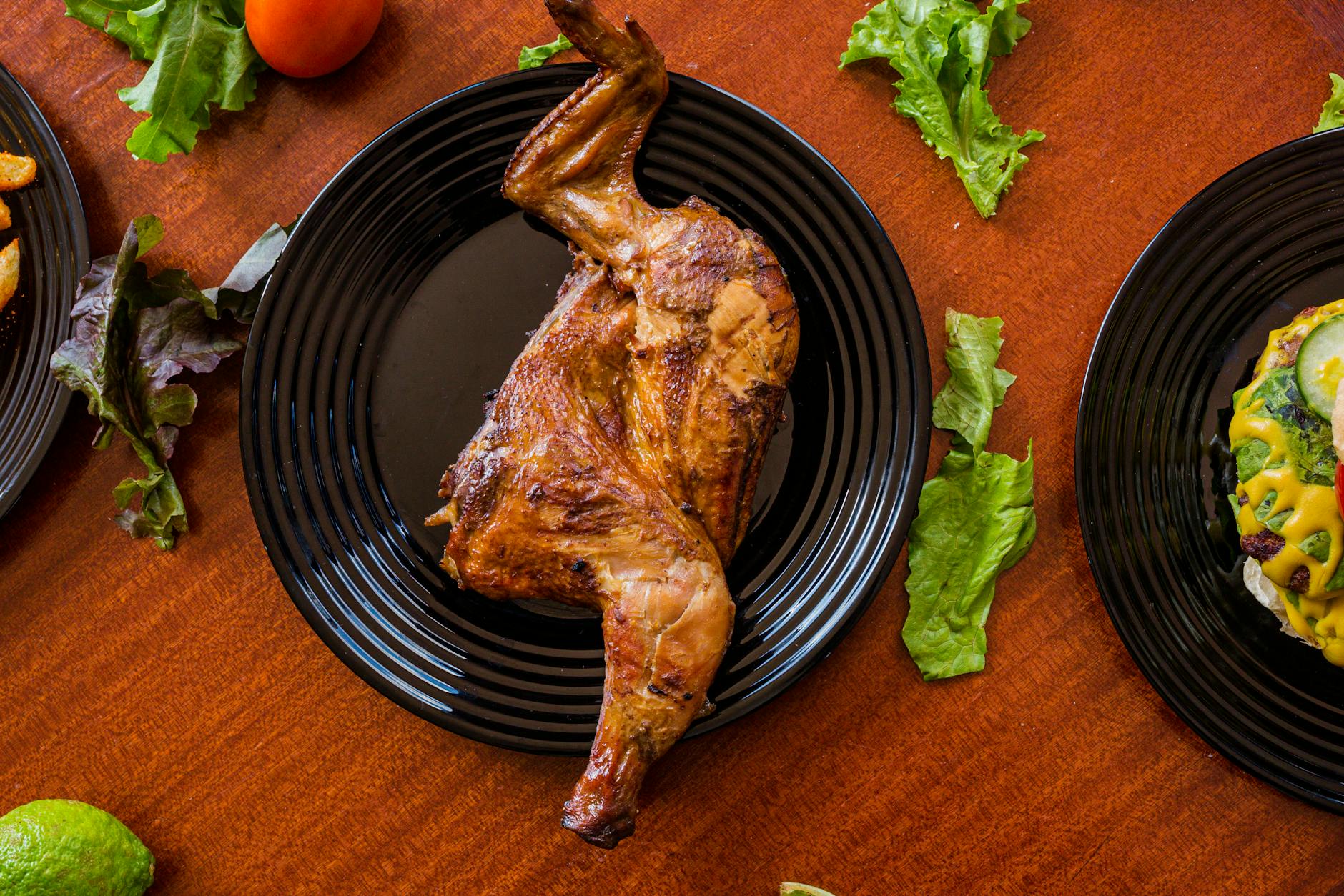
How Long Does Rotisserie Chicken Last In The Fridge?
Understanding Food Safety
Importance of Proper Food Storage
Proper food storage is vital to preventing foodborne illnesses and preserving the quality and taste of your food. By storing your food correctly, you create an environment that slows the growth of bacteria, molds, and yeast that can cause spoilage and potentially harmful conditions. Understanding the right ways to store various food items, such as rotisserie chicken, can maximize freshness and ensure that you and your family enjoy safe and delicious meals.
Guidelines for Refrigerating Cooked Chicken
Refrigerating cooked chicken is one of the essential steps in ensuring its safety and extending its shelf life. The USDA recommends storing cooked chicken within two hours of cooking or one hour if the temperature outside exceeds 90°F. Here are the guidelines for refrigerating cooked chicken:
| Storage Location | Suggested Time |
|---|---|
| Refrigerator (40°F or below) | 3-4 Days |
| Freezer (0°F or below) | 4 Months |
When placing rotisserie chicken in the fridge, ensure it's in a shallow, airtight container or securely wrapped in aluminum foil or plastic wrap. This helps to prevent contamination and avoids absorbing odors from other foods. For optimal energy efficiency and food safety in your fridge, consider exploring options such as energy star certified appliances, bottom freezer refrigerator, or counter depth refrigerator dimensions that fit your space correctly.
You may also want to check out fridges with water dispensers for added convenience, or for those with specific storage needs, upright frost free freezers for sale can offer additional space for freezing cooked chicken and other foods.
Remember, these guidelines are not just limited to chicken; other cooked meats have similar storage recommendations. You can find more information on storing various foods, such as how long does celery last in the fridge? or how long does cooked broccoli last in the fridge?, to keep your refrigerator organized and your food at peak freshness.
Factors Affecting Shelf Life
When you've brought home a delicious rotisserie chicken, understanding the factors that influence its shelf life is crucial for maintaining its freshness and ensuring food safety. Here, we will discuss how initial storage conditions and temperature control can impact the duration for which rotisserie chicken stays good in the fridge.
Initial Storage Conditions
The shelf life of your rotisserie chicken begins with how it's handled and stored from the moment you purchase it. To preserve its freshness, it's imperative to minimize the time the chicken spends at room temperature. The "danger zone" for bacterial growth is between 40°F and 140°F, so you should aim to refrigerate your chicken within 2 hours of purchase.
Upon bringing your chicken home, consider the following steps for optimal initial storage:
- Place the chicken in a shallow airtight container or wrap it tightly with heavy-duty aluminum foil or plastic wrap.
- Store the chicken in the coldest part of your refrigerator, typically at the back, away from the door.
- Avoid placing warm chicken in the fridge as it can raise the internal temperature, affecting other stored foods.
Learn more about ideal storage practices by exploring our articles on energy star certified refrigerators and the benefits of bottom freezer refrigerator designs.
Temperature Control
Maintaining the right temperature in your fridge is essential for prolonging the shelf life of rotisserie chicken. Your refrigerator should be set to 40°F or below, which is the recommended temperature to slow down bacterial growth and keep your food safe.
Consider the following for effective temperature control:
- Regularly monitor your fridge's temperature with an appliance thermometer.
- Avoid overpacking your fridge, which can restrict proper airflow and lead to uneven cooling.
- If you're in the market for a new appliance, consider fridges with water dispensers that feature advanced cooling technologies.
Adhering to these practices not only helps in preserving your rotisserie chicken but also contributes to the longevity of other perishables. For comparison, check out the storage duration of other foods like how long does celery last in the fridge? and how long does cooked broccoli last in the fridge?.
By carefully managing initial storage conditions and diligently controlling the temperature inside your fridge, you can ensure that your rotisserie chicken remains delicious and safe to eat for as long as possible. Remember, these practices are not just applicable to chicken but are part of broader food safety measures applicable to various perishables.
Storage Duration of Rotisserie Chicken
When you bring home a delicious rotisserie chicken, it's important to know how to store it properly to ensure it stays fresh and safe to eat. Below, we’ll cover how long you can keep your rotisserie chicken in the refrigerator and how to spot signs of spoilage.
Refrigerator Storage Time
Rotisserie chicken can be kept in the refrigerator for a relatively short time span. The USDA recommends storing cooked chicken in a refrigerator at a temperature of 40°F (4°C) or below and consuming it within 3 to 4 days.
Here is a table outlining recommended storage times:
| Food Item | Refrigerator (40°F or below) |
|---|---|
| Rotisserie Chicken | 3-4 days |
Storing your rotisserie chicken in a bottom freezer refrigerator or a fridge with a consistent temperature setting can help maintain its freshness for the optimal period. Always place the chicken in a sealed container or wrap it tightly to avoid exposure to air, which can accelerate spoilage.
Signs of Spoilage
It's crucial to be aware of the signs that your rotisserie chicken has gone bad. Consuming spoiled chicken can lead to foodborne illness, so if you notice any of these signs, it's best to discard the chicken:
- Off Smell: A sour or unpleasant odor is a strong indication that the chicken is no longer safe to eat.
- Slimy Texture: If the chicken feels slimy or sticky to the touch after being refrigerated, it's a sign of bacterial growth.
- Discoloration: Any abnormal changes in color, such as a grayish hue, suggest that the chicken is starting to spoil.
- Mold: The presence of mold is a definite sign that the chicken should be thrown away.
Rotisserie chicken that stays longer than the recommended time in the refrigerator, shows any of these spoilage signs, or has been left out at room temperature for more than 2 hours should be discarded. For more detailed food safety guidelines, explore our articles on how long does celery last in the fridge? and how long does cooked broccoli last in the fridge?.
By following these guidelines, you can enjoy your rotisserie chicken while it's fresh and delicious, and minimize the risk of foodborne illness. For tips on freezing and reheating leftovers, be sure to read our sections on freezing for longer storage and reheating safely.
Extending Shelf Life
To enjoy your rotisserie chicken for as long as possible, it's essential to focus on how you seal and package the chicken for refrigeration, and how you reheat it later.
Properly Sealing and Packaging
Proper sealing and packaging are crucial in extending the shelf life of your rotisserie chicken. To maintain freshness and prevent contamination from other foods or bacteria, you should store the chicken in airtight containers or heavy-duty aluminum foil or plastic wrap. This not only helps to preserve the quality but also the taste and texture of the chicken.
Here are steps you can follow for sealing and packaging:
- Allow the chicken to cool to room temperature.
- Separate the chicken into smaller portions, if desired.
- Wrap the portions tightly in plastic wrap or aluminum foil.
- Place the wrapped chicken in airtight containers or heavy-duty freezer bags.
- Label the containers with the current date to keep track of how long the chicken has been stored.
By following these steps, you create a barrier against the growth of bacteria and reduce the risk of your chicken drying out. Remember, even the best fridges and freezers can't keep your food fresh if it's not stored correctly.
Reheating Safely
When it comes time to reheat your stored rotisserie chicken, doing so safely is paramount to enjoy a delicious meal without risking foodborne illness. Always ensure that the chicken reaches an internal temperature of 165°F (74°C) to eliminate any potential bacteria. Here's a safe and effective reheating method:
- Preheat your oven to 350°F (175°C).
- Place the chicken in an oven-safe dish and add a small amount of water or chicken broth to the bottom to keep it moist.
- Cover the dish with a lid or aluminum foil to trap moisture and heat.
- Heat for approximately 25 minutes, or until the internal temperature reaches 165°F (74°C).
Using a food thermometer will help you confirm the chicken is reheated thoroughly. Avoid reheating the chicken multiple times, as this can degrade the quality and increase the risk of foodborne illnesses. For more information on safely reheating chicken, see our article on how long does cooked broccoli last in the fridge?
By sealing your chicken properly and reheating it to the right temperature, you can extend its shelf life and enjoy your leftovers safely. Always be sure to adhere to the recommended storage times for the best quality and safety.
Utilizing Leftover Chicken
Leftover rotisserie chicken is a versatile ingredient that can be repurposed into numerous delicious dishes. Here are some creative ways to make the most out of your leftover chicken.
Creative Meal Ideas
Transform your leftover rotisserie chicken into a variety of meals to keep your dining experience exciting:
- Chicken Salad: Shred the chicken and mix with mayo, diced celery, and herbs for a quick and refreshing chicken salad.
- Tacos or Wraps: Add some spice to shredded chicken for a taco night or wrap it up with some veggies for a healthy lunch option.
- Soups and Stews: Simmer chunks of chicken in broth with vegetables for a hearty chicken soup or stew.
- Pasta Dishes: Toss shredded chicken with your favorite pasta, sauce, and vegetables for an easy dinner.
- Casseroles: Combine chicken with rice, cheese, and a creamy sauce, then bake for a comforting casserole dish.
Remember, these dishes can also be stored for future meals. For more inspiration on how to repurpose leftovers, check out fridges & freezers for storage tips.
Freezing for Longer Storage
If you're not planning to use your leftover rotisserie chicken within the recommended refrigerator storage time, freezing is an excellent option for extending its shelf life. Here's how to do it properly:
- Cool the Chicken: Ensure the chicken is completely cooled to room temperature to prevent moisture buildup when freezing.
- Portion the Chicken: Divide the chicken into meal-sized portions for easier thawing and use.
- Wrap Securely: Use heavy-duty aluminum foil, plastic wrap, or freezer bags to wrap the chicken tightly, pushing out as much air as possible.
- Label and Date: Write the current date on the packaging to keep track of how long the chicken has been stored.
Properly packaged chicken can be frozen for up to four months. When you're ready to use it, thaw the chicken in the refrigerator before reheating. For safe reheating methods, take a look at reheating safely.
By utilizing these methods, you can enjoy your rotisserie chicken for several meals while ensuring it remains delicious and safe to eat. Whether you're storing it in an energy star certified fridge or a bottom freezer refrigerator, proper food safety practices are key.
Safety Precautions
Ensuring food safety is paramount when handling and storing leftovers, particularly when it comes to cooked poultry such as rotisserie chicken. Here are some handling and hygiene tips, as well as guidelines for when to discard leftovers.
Handling and Hygiene Tips
Proper hygiene and handling are critical to prevent foodborne illnesses. Follow these tips to ensure your rotisserie chicken stays safe to consume:
- Wash Your Hands: Always wash your hands with soap and water before and after handling any food, especially cooked meats.
- Use Clean Utensils: Ensure that all utensils, cutting boards, and surfaces are clean before they come into contact with the cooked chicken.
- Separate Raw and Cooked Foods: Avoid cross-contamination by keeping raw and cooked foods separate. Use different utensils and plates for each.
- Cool It Down: Allow the rotisserie chicken to cool down before refrigerating to prevent raising the fridge's internal temperature, which can affect other stored food items.
- Refrigerate Promptly: Don't leave the chicken at room temperature for more than two hours. In hot weather (above 90°F), this time is reduced to one hour.
When to Discard Leftovers
Even with the best storage practices, rotisserie chicken has a limited shelf life in the fridge. Here's how to tell when it's time to discard leftovers:
- Observe the Time: Cooked chicken should be eaten within 3 to 4 days when stored in the refrigerator. Beyond this period, the risk of foodborne illness increases.
- Check for Spoilage: Look for signs of spoilage such as an off smell, sliminess, and discoloration. If you notice any of these, it's best to discard the chicken immediately.
- Trust Your Senses: If you're unsure about the freshness of the chicken, it's safer to err on the side of caution and throw it away.
Remember, these safety precautions are not only applicable to rotisserie chicken but also to other perishable foods. For more insights on food safety and storage, explore related topics such as how long does cooked broccoli last in the fridge? or how long can breast milk stay out of the fridge?.
Adhering to these safety precautions will help ensure that you enjoy your rotisserie chicken without risking your health. Always stay informed and vigilant when it comes to food safety to enjoy your meals with peace of mind.
Get Your Upgrade or New Addition at Fridge.com
Whether you're searching for your perfect fridge, freezer, wine fridge, beer fridge, ice maker, or kegerator, we have what you need.
Shop the world's best brands at Fridge.com.
We also have tons of awesome articles about kitchen stuff and home news. Enhance your home, garage, backyard, patio, and office with the coolest essentials. With every necessary type of residential refrigerator or freezer in our collection, we've got you covered.
Elevate your game and shop now at Fridge.com!