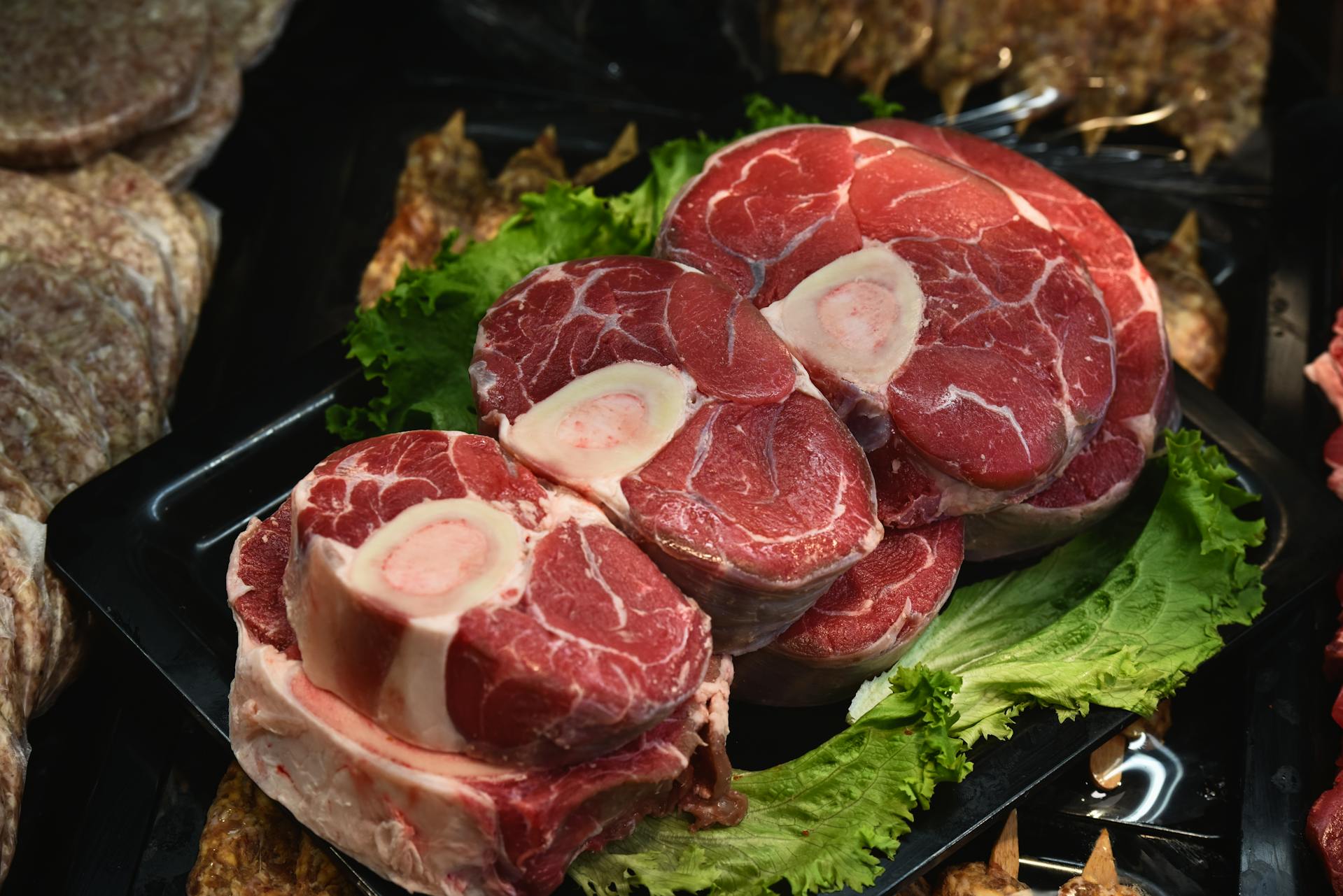
Understanding Freezing Red Meat
Importance of Proper Freezing
Freezing red meat correctly is essential to preserve its quality and safety. When you freeze meat, you halt the growth of bacteria and other pathogens, significantly extending its shelf life. Proper freezing also helps maintain the meat's texture, flavor, and nutritional value.
When freezing red meat, it's crucial to use proper packaging methods to prevent freezer burn and moisture loss. This includes using airtight containers or heavy-duty freezer bags. For more on how to safely store other types of food, check our article on how long can fresh beef stay in the fridge?.
Factors Affecting Freezer Storage
Several factors influence how long red meat can be stored in the freezer without compromising its quality:
- Temperature: The ideal freezer temperature for preserving red meat is 0°F (-18°C) or lower. Maintaining a consistent temperature is crucial to prevent thawing and refreezing cycles, which can degrade the meat's quality.
- Packaging: Proper packaging is vital to prevent air exposure, which can lead to freezer burn. Use materials specifically designed for freezing, such as vacuum-sealed bags or heavy-duty aluminum foil.
- Cut of Meat: Different cuts of meat have varying storage times. For example, ground meat may have a shorter shelf life compared to whole cuts like steaks or roasts.
- Storage Time: Even with proper freezing techniques, there are recommended storage times for different cuts of red meat to ensure optimal quality.
| Factor | Ideal Condition |
|---|---|
| Temperature | 0°F (-18°C) or lower |
| Packaging | Airtight, freezer-specific materials |
| Cut of Meat | Varies (refer to specific guidelines) |
| Storage Time | Follow recommended times for each cut |
By considering these factors, you can maximize the shelf life of your red meat in the freezer. For more detailed guidelines on specific cuts, visit our article on how long does raw beef last in the freezer?.
Understanding these principles will help you effectively manage your freezer storage, ensuring that your red meat remains safe and delicious for as long as possible. For further information on freezer and refrigerator management, explore our other articles like should i keep bell peppers in the fridge? and small deep freezer Vs. standard fridge size.
Shelf Life of Red Meat in the Freezer
Freezing red meat is an effective way to extend its shelf life and maintain its quality. To ensure your red meat remains safe and delicious, it's important to follow general guidelines and understand the recommended storage times for different cuts.
General Guidelines for Freezing Red Meat
When freezing red meat, it's crucial to follow best practices to preserve its quality and prevent spoilage. Here are some general guidelines to keep in mind:
- Proper Packaging: Use airtight packaging such as vacuum-sealed bags, heavy-duty aluminum foil, or freezer-safe containers to prevent freezer burn and keep moisture in.
- Labeling: Clearly label each package with the date of freezing to keep track of how long the meat has been stored.
- Temperature: Ensure your freezer is set at 0°F (-18°C) or lower to keep the meat safe from bacterial growth.
- Organizing: Store meat in a way that allows for proper air circulation and easy access, such as using bins or shelves.
Recommended Storage Times for Different Cuts
Different cuts of red meat have varying recommended storage times in the freezer. Here is a table outlining the suggested storage durations for various cuts of red meat:
| Cut of Red Meat | Recommended Storage Time (Months) |
|---|---|
| Ground Beef | 3-4 |
| Steaks | 6-12 |
| Roasts | 4-12 |
| Lamb Chops | 6-9 |
| Pork Chops | 4-6 |
| Beef Ribs | 4-6 |
For more detailed information on how long specific cuts like steaks last in the freezer, check out our article on how long are steaks good in the freezer.
By adhering to these guidelines and recommended storage times, you can ensure that your frozen red meat remains safe to eat and retains its flavor and texture. Understanding these factors will help you make the most of your freezer and avoid unnecessary waste. For additional tips on freezer storage, explore our articles on how long does raw beef last in the freezer and how long can fresh beef stay in the fridge.
Signs of Freezer Burn
Freezer burn is a common issue that can affect the quality of your red meat stored in the freezer. Understanding how to identify and address freezer burn can help you maintain the best quality of your meat.
Identifying Freezer Burn
Freezer burn occurs when the surface of the meat becomes dehydrated due to prolonged exposure to air. This can happen if the meat is not properly wrapped or if it has been stored for an extended period. Here are some signs to look for:
- Discoloration: The meat may appear grayish-brown or have white, dry patches.
- Texture: The affected areas may feel dry or leathery.
- Odor: The meat may develop an off smell, indicating that it has been compromised.
Effects of Freezer Burn on Red Meat
Freezer burn can impact both the texture and flavor of the red meat. While it is still safe to eat, the quality may be significantly reduced. Here are some effects to consider:
| Effect | Description |
|---|---|
| Texture | The meat may become tough and dry, especially in the areas affected by freezer burn. |
| Flavor | The taste can be bland or off, as the dehydration process causes the meat to lose its original flavor. |
| Appearance | The meat may look unappetizing due to discoloration and dry patches. |
To minimize the risk of freezer burn, ensure proper packaging and storage of your red meat. For more information on how to store different cuts of meat, refer to our article on how long does raw beef last in the freezer.
Understanding and identifying freezer burn can help you take the necessary steps to preserve the quality of your red meat. For more tips on maintaining the best quality of your frozen goods, explore our articles on how long can fresh beef stay in the fridge and how long does a turkey last in the freezer.
Safe Thawing Practices
Proper thawing of red meat is essential to maintain its quality and ensure food safety. Let's explore the best methods for thawing red meat safely and how to avoid cross-contamination during the process.
Thawing Red Meat Safely
Thawing red meat correctly is crucial to prevent the growth of harmful bacteria. Here are some safe methods:
Refrigerator Thawing: Thawing in the refrigerator is the safest method. Place the frozen meat on a plate or tray to catch any drips and store it on the bottom shelf. This helps to avoid cross-contamination with other foods.
Cold Water Thawing: If you need to thaw meat quickly, submerge the sealed package in cold water. Change the water every 30 minutes to keep it cold. Ensure the meat is in a leak-proof plastic bag to prevent water from seeping in.
Microwave Thawing: Use the defrost setting on your microwave to thaw meat. Be sure to cook the meat immediately after thawing, as some areas may begin to cook during the microwave process.
| Thawing Method | Estimated Time (per pound) | Notes |
|---|---|---|
| Refrigerator | 24 hours | Safest method, maintains quality |
| Cold Water | 30 minutes | Change water every 30 minutes |
| Microwave | 5-10 minutes | Cook immediately after thawing |
For more detailed guidance on thawing practices, refer to our article on how long does a turkey last in the freezer.
Avoiding Cross-Contamination During Thawing
Cross-contamination can occur when thawed meat juices come into contact with other foods or surfaces. Here are some steps to prevent it:
Separate Storage: Always store thawing meat on the bottom shelf of the refrigerator. This prevents drips from contaminating other foods.
Use Clean Utensils: Use separate cutting boards and utensils for raw meat and other foods. This reduces the risk of spreading bacteria.
Sanitize Surfaces: After handling raw meat, wash your hands, cutting boards, and countertops with hot soapy water. Use a sanitizer to further reduce the risk of contamination.
Proper Packaging: Ensure the meat is in a sealed, leak-proof container or bag while thawing, especially when using the cold water method.
| Safety Measure | Description |
|---|---|
| Separate Storage | Store thawing meat on the bottom shelf |
| Clean Utensils | Use separate cutting boards and utensils |
| Sanitize Surfaces | Clean hands and surfaces after handling meat |
| Proper Packaging | Use leak-proof containers or bags |
Following these safe thawing practices and cross-contamination prevention tips will help you maintain the quality and safety of your red meat. For more tips on meat storage and safety, check out our article on how long can fresh beef stay in the fridge.
Best Practices for Freezing Red Meat
Properly freezing red meat ensures that it retains its quality and safety for an extended period. Implementing best practices for freezing can help prevent freezer burn and maintain the meat's flavor and texture.
Proper Packaging for Freezing
Correct packaging is crucial to preserving red meat in the freezer. The right materials and techniques can prevent air exposure, which leads to freezer burn.
- Use Airtight Packaging: Ensure that you use vacuum-sealed bags, heavy-duty freezer bags, or tightly-wrapped aluminum foil. This minimizes the chances of air getting in.
- Remove Excess Air: When using freezer bags, press out as much air as possible before sealing. Vacuum sealers are highly effective for this purpose.
- Wrap Tightly: For added protection, wrap the meat in plastic wrap before placing it in a freezer bag or vacuum-sealed bag.
| Packaging Type | Effectiveness at Preventing Freezer Burn |
|---|---|
| Vacuum Sealed Bags | High |
| Heavy-Duty Freezer Bags | Medium |
| Aluminum Foil | Medium |
| Plastic Wrap | Low |
Labeling and Organizing Frozen Red Meat
Labeling and organizing your frozen meat can help you keep track of storage times and ensure you use the meat within its optimal shelf life.
- Label Clearly: Use a permanent marker to label each package with the type of meat and the date it was frozen. This helps you identify how long the meat has been stored.
- Organize by Date: Arrange your freezer so that the oldest items are at the front and the newest at the back. This practice follows the "first in, first out" principle.
- Use a Freezer Inventory Sheet: Maintain a list of all the items in your freezer, including the date they were frozen. This can help you keep track of what you have and when it needs to be used.
| Meat Type | Recommended Freezer Storage Time |
|---|---|
| Ground Beef | 3-4 months |
| Steaks | 6-12 months |
| Roasts | 4-12 months |
| Chops | 4-6 months |
By following these best practices, you can ensure your red meat stays fresh and safe to eat for an extended period. For more information on safe thawing practices, check out our article on how long is raw tilapia good in the fridge and other related topics.
Get Your Upgrade or New Addition at Fridge.com
Whether you're searching for your perfect fridge, freezer, wine fridge, beer fridge, ice maker, or kegerator, we have what you need.
Shop the world's best brands at Fridge.com.
We also have tons of awesome articles about kitchen stuff and home news. Enhance your home, garage, backyard, patio, and office with the coolest essentials. With every necessary type of residential refrigerator or freezer in our collection, we've got you covered.
Elevate your game and shop now at Fridge.com!