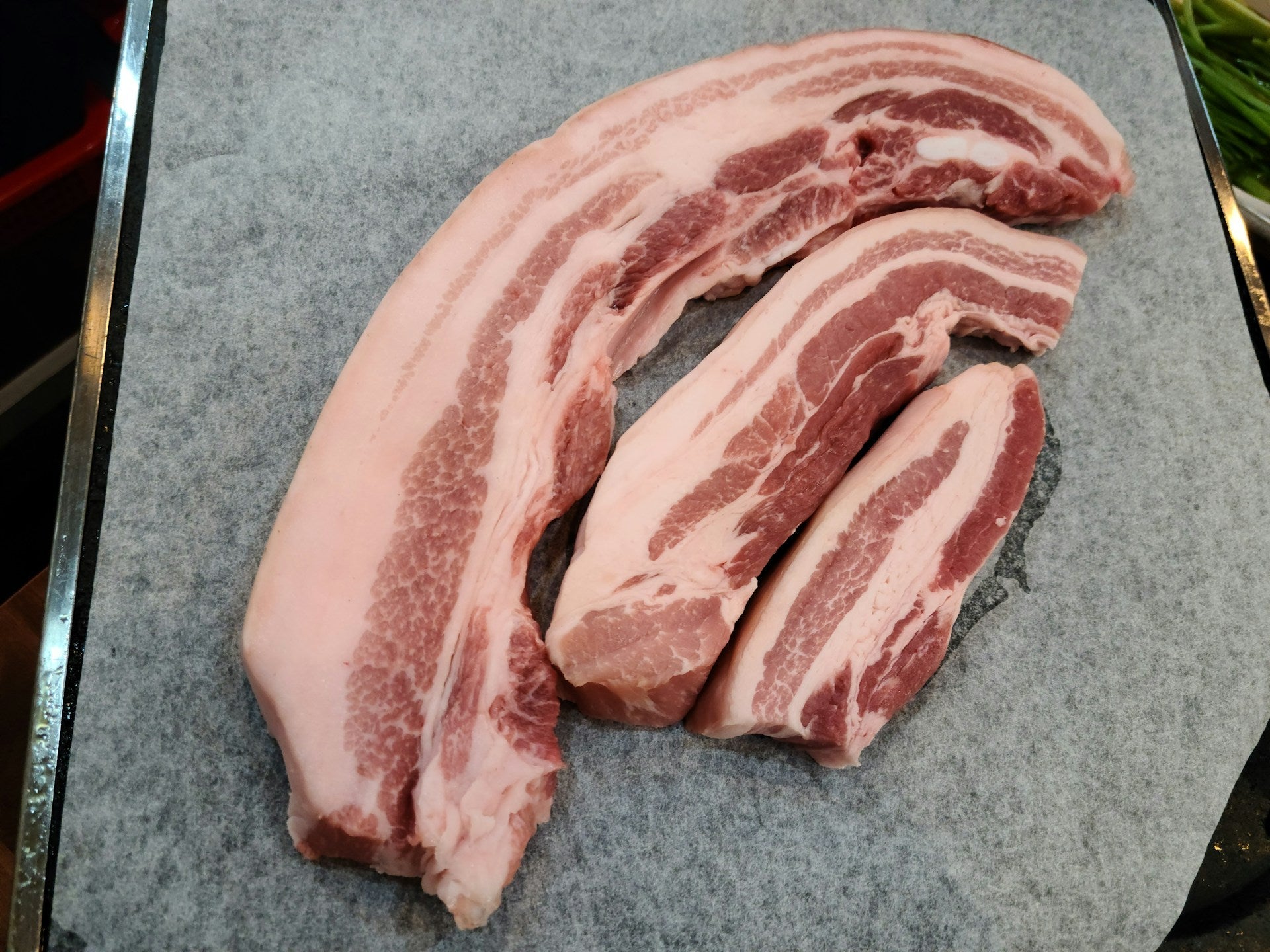
Understanding Pork Preservation
Knowing how to properly store pork can ensure the safety and quality of the meat you consume. This section addresses the fundamental principles of pork preservation and explains why refrigeration plays a crucial role in extending its shelf life.
The Basics of Storing Pork
When you bring pork home, it's important to store it in the refrigerator as soon as possible to slow down the growth of bacteria. The temperature in your fridge should be set at or below 40°F (4°C), which is the safe zone to prevent bacterial proliferation. If you've purchased more pork than you can use within a few days, consider dividing it into portions that you'll use for individual meals and storing them separately. This not only helps with meal planning but also minimizes the need to expose all of the meat to room temperature each time you use some.
Why Refrigeration Is Key for Pork
Refrigeration is key for maintaining the quality of pork and preventing foodborne illnesses. At the proper refrigerator temperatures, the rate at which harmful bacteria grow is greatly reduced, giving pork a longer shelf life and keeping it safe to eat. It's also essential to store pork in the coldest part of your refrigerator, typically at the back, away from the door where the temperature can fluctuate. Always ensure that pork is wrapped tightly or stored in an airtight container to prevent cross-contamination with other foods and to maintain its freshness.
For comprehensive guidelines on the shelf life of various foods and tips on preservation, explore our articles on how long do puffball mushrooms last in the fridge or how long does kohlrabi last in the fridge, among others. Each provides valuable insights into keeping your groceries at their peak condition for as long as possible.
Shelf Life of Pork in the Fridge
Understanding 'how long does pork last in the fridge' is essential for ensuring the safety and quality of your meals. Both raw and cooked pork have specific time frames for refrigeration, which can be influenced by various factors.
Raw Pork: Guidelines and Time Frames
When you store raw pork in the fridge, it's important to follow the guidelines provided by food safety experts to prevent spoilage and foodborne illness. Generally, you can keep raw pork in the refrigerator for 1 to 3 days. If you have just purchased pork and are not planning to cook it within this time frame, consider freezing it to extend its shelf life.
| Pork Product | Shelf Life in the Fridge |
|---|---|
| Ground Pork | 1-2 days |
| Pork Chops | 3-5 days |
| Pork Loin | 3-5 days |
| Pork Roast | 3-5 days |
For the best results, store your pork at a temperature of 40°F (4°C) or below, which is the safe zone to inhibit bacterial growth. If you have questions about preserving other foods, such as how long do cranberries last in the fridge, similar guidelines apply with respect to temperature and storage practices.
Cooked Pork: How Long Can You Keep It?
Cooked pork's shelf life in the refrigerator is typically longer than raw pork. Properly refrigerated cooked pork can be safe to eat for 3 to 4 days. To maximize the shelf life, store cooked pork in shallow airtight containers or wrap it tightly with heavy-duty aluminum foil or plastic wrap.
| Pork Dish | Shelf Life in the Fridge |
|---|---|
| Cooked Pork Chops | 3-4 days |
| Pork Roast | 3-4 days |
| Pork Casserole | 3-4 days |
| BBQ Pork | 3-4 days |
If you're unsure about other dishes, such as how long does curry last in the fridge or how long does cooked salmon last in the fridge, they generally follow a similar timeframe for refrigerated storage.
Remember, these time frames are general recommendations, and the actual shelf life can be influenced by factors like the freshness of the meat when it was purchased, how it was handled before going into the fridge, and the consistency of refrigerator temperature. Always use your best judgment and look for signs of spoilage before consuming pork that has been refrigerated.
Factors Affecting Pork's Freshness
The shelf life of pork in your refrigerator can be influenced by several factors. Understanding these can help you ensure that the pork you consume is fresh and safe to eat. Let's look at the role of temperature, packaging, and the type of pork cuts.
Temperature: The Fridge's Role
The temperature at which pork is stored is critical for maintaining its freshness. Your refrigerator should be set to 40°F (4°C) or below, which is the recommended temperature to slow the growth of bacteria. Any temperature above this threshold can increase the risk of spoilage and foodborne illnesses.
| Refrigerator Section | Recommended Temperature |
|---|---|
| Main Compartment | ≤ 40°F (4°C) |
| Deli Drawer | ≤ 35°F (1.7°C) |
To ensure that pork remains fresh, it's advisable to store it in the coldest part of the fridge, away from the door, where the temperature is most consistent. You can monitor the temperature using an appliance thermometer.
Packaging: How It Helps Preserve Pork
Proper packaging can significantly extend the freshness of pork by protecting it from air exposure, which can lead to oxidation and bacterial growth. Vacuum-sealed packaging is ideal, but if that's not available, you should wrap the pork tightly in plastic wrap or aluminum foil, or place it in an airtight container.
| Packaging Type | Freshness Benefit |
|---|---|
| Vacuum-Sealed | Maximizes shelf life |
| Plastic Wrap | Reduces air exposure |
| Airtight Container | Prevents contamination |
Remember to check the packaging for any tears or holes which may compromise the pork's quality, and always rewrap pork if the original packaging has been opened.
Pork Cuts: Do They Make a Difference?
Different cuts of pork can have varying shelf lives. Fatty cuts tend to spoil faster due to the higher fat content, which can go rancid. Leaner cuts may last a bit longer, but it's essential to follow storage guidelines to ensure safety and quality.
| Pork Cut | Expected Freshness in Fridge |
|---|---|
| Ground Pork | 1-2 days |
| Pork Chops | 3-5 days |
| Pork Loin | 3-5 days |
| Pork Belly | 1-2 days |
When you purchase pork, pay attention to the sell-by or use-by dates and plan your meals accordingly. If you can't consume the pork within the recommended time frames, consider freezing it for longer storage. For more information on various food items' shelf life in your fridge, you can browse through articles such as how long does kohlrabi last in the fridge and how long does salmon last in the refrigerator.
By being mindful of these factors, you can maximize the freshness of the pork you store in your refrigerator. Always observe proper food safety practices to enjoy your meals without worry.
Signs of Spoiled Pork
It's crucial to recognize the signs of spoiled pork to ensure that you are not consuming something that could be harmful to your health. Pork that has gone bad usually presents a few clear indicators that you should be aware of before cooking or consuming it.
Visual Indicators
The first thing you should do is examine the pork for any visual changes. Fresh pork should have a pinkish-red color with white marbling. Here are some visual cues that indicate spoilage:
- Discoloration: Look for changes in color, such as grayish or green spots.
- Mold: Any signs of fuzzy blue, green, or white spots mean that mold has started to grow, and the pork should not be consumed.
If you notice any of these signs, it's best to discard the pork immediately.
Smell: The First Sign of Spoilage
The aroma of the pork can be an early warning sign of spoilage. Fresh pork should have a mild, not unpleasant smell. Spoiled pork will have an off-odor that is sour, tangy, or similar to ammonia. If you detect any of these odors, it is a clear indication that the pork is no longer safe to eat.
Texture Changes
The texture of the pork is another indicator of its quality. Fresh pork should feel firm and slightly damp. If the pork feels slimy, sticky, or tacky to the touch, it is likely spoiled and should not be used.
| Freshness Indicator | Pork Condition |
|---|---|
| Visual | Pinkish-red color with white marbling |
| Smell | Mild, not unpleasant smell |
| Texture | Firm and slightly damp |
If you come across any pork in your fridge that shows these signs of spoilage, it's important to dispose of it properly to prevent any foodborne illnesses. When in doubt, it's better to err on the side of caution and throw it out. For more information on food preservation and shelf life, check out our articles on how long do cranberries last in the fridge and how long does cooked salmon last in the fridge.
Best Practices for Storing Pork
Properly storing pork not only extends its shelf life but also ensures that it remains safe to eat when you're ready to cook it. Here, you’ll find essential tips on how to prep, store, and keep your pork as fresh as possible in the refrigerator.
Preparing Pork for Refrigeration
Before you place your pork in the fridge, there are a few steps you should follow to prepare it:
- Remove pork from the store packaging and pat it dry with paper towels to remove excess moisture, which can encourage bacterial growth.
- If you've purchased a large quantity, divide it into meal-sized portions. This helps to prevent cross-contamination and reduces waste, as you'll only defrost what you need.
- Wrap the portions tightly in cling film, aluminum foil, or place them in airtight containers to prevent air exposure.
- Label each package with the date of purchase or packaging to keep track of how long the pork has been in the fridge.
Optimal Storage Methods
The way you store pork in your refrigerator can impact its freshness and edibility. Follow these guidelines for optimal storage:
-
Placement: Store pork on the bottom shelf of the refrigerator to prevent any juices from dripping onto other foods, which could lead to cross-contamination.
-
Temperature: Keep your refrigerator at or below 40°F (4°C). Use a fridge thermometer to monitor the temperature, as the built-in thermostat might not always be accurate.
Fridge Section Temperature Main Compartment ≤ 40°F Bottom Shelf ≤ 40°F -
Separation: Keep raw pork separate from cooked foods and other raw ingredients like vegetables to prevent cross-contamination.
Tips to Maximize Freshness
To ensure the pork you store in the fridge remains fresh and safe for as long as possible, consider these tips:
- Marinating: If you plan to marinate the pork, do it in the fridge, not on the counter. Marinating at room temperature can promote bacterial growth. Also, if you want to use some of the marinades as a sauce, set aside a portion before it touches raw pork.
- Regular Checks: Routinely check your pork for any signs of spoilage, such as off-odors, sliminess, and discoloration.
- Leftovers: Store cooked pork in shallow airtight containers and consume it within four days. For more on storing cooked food, see our article on how long does cooked salmon last in the fridge.
- Defrosting: Thaw frozen pork in the fridge, not on the countertop. This helps maintain a safe temperature throughout the thawing process.
- Use By Date: Pay attention to the 'sell by' and 'use by' dates. While these dates are not hard-and-fast rules, they're good indicators of the pork's freshness.
By following these best practices, you can enjoy your pork with the confidence that it’s been stored safely and effectively. Remember, when it comes to food preservation, it's better to err on the side of caution to avoid foodborne illnesses. For additional insights on food storage and longevity, explore our articles on how long various foods last in the fridge, including how long does pork last in the fridge and how to store other food items like how long do cranberries last in the fridge.
Frequently Asked Questions
Navigating the preservation of pork can raise several questions, especially when it comes to extending its shelf life and ensuring safe consumption. Below are some common inquiries and answers that you may find helpful.
Can You Freeze Pork to Extend Its Shelf Life?
Yes, freezing pork is an effective way to extend its shelf life. Freezing not only retains the quality but also halts the growth of bacteria that can cause spoilage. When stored in the freezer at 0°F (-18°C) or below, pork can maintain its quality for extended periods.
| Pork Product | Shelf Life in Freezer |
|---|---|
| Ground Pork | 1–3 months |
| Pork Chops | 4–6 months |
| Whole Pork Loin | 6–8 months |
| Cooked Pork | 2–3 months |
Ensure the pork is properly packaged in freezer-safe materials to prevent freezer burn and flavor loss. For more detailed guidelines on freezing different types of pork, refer to our comprehensive guide on how long does pork last in the fridge.
How to Thaw Pork Safely?
Thawing pork safely is crucial to prevent the growth of harmful bacteria. The best methods for thawing are in the refrigerator, in cold water, or in the microwave.
- Refrigerator: Place the frozen pork in the refrigerator and allow it to thaw slowly. This method is the safest as it keeps the meat at a consistent, safe temperature. It may take anywhere from 12 to 24 hours depending on the size of the pork cut.
- Cold Water: For a quicker method, submerge the pork in cold water, changing the water every 30 minutes to ensure it remains cold. A small package may thaw in an hour or less, while a larger one could take 2 to 3 hours.
- Microwave: If time is of the essence, you can use the microwave to thaw your pork. Use the defrost setting and rotate the meat periodically for even thawing. Be sure to cook the pork immediately after thawing it in the microwave.
Remember, once pork is thawed, do not refreeze it unless it is cooked first. Cooking it will kill any bacteria that may have developed during the thawing process.
Is It Safe to Eat Pork Past Its 'Sell By' Date?
Pork should be consumed before its 'sell by' date for the best quality. However, it may still be safe to consume if it has been stored properly and shows no signs of spoilage. If the 'sell by' date has passed, inspect the pork using your senses:
- Visual: Check for any discoloration or mold.
- Smell: Notice any unusual or off odors.
- Texture: Feel for any sliminess or tackiness on the surface.
If the pork passes these tests, it's likely safe to consume. However, if you have any doubts, it's best to err on the side of caution and discard the meat. Always practice proper food safety to ensure that your pork dishes are enjoyable and safe to eat. For additional information on refrigerating pork and other foods, explore our articles on topics such as how long do cranberries last in the fridge and how long does cooked salmon last in the fridge.
Get Your Upgrade or New Addition at Fridge.com
Whether you're searching for your perfect fridge, freezer, wine fridge, beer fridge, ice maker, or kegerator, we have what you need.
Shop the world's best brands at Fridge.com.
We also have tons of awesome articles about kitchen stuff and home news. Enhance your home, garage, backyard, patio, and office with the coolest essentials. With every necessary type of residential refrigerator or freezer in our collection, we've got you covered.
Elevate your game and shop now at Fridge.com!