Understanding Sushi Preservation
The Basics of Sushi and Freshness
Sushi, a beloved Japanese cuisine, is renowned for its freshness and delicate flavors. Freshness is paramount when it comes to sushi, as it not only affects taste but also safety. Sushi is typically made with raw fish, which is highly perishable, and other ingredients like rice and vegetables that can also degrade in quality over time. To enjoy sushi at its best, it should be consumed immediately after preparation. However, if you must store sushi, understanding proper preservation techniques is crucial.
Refrigeration and Its Impact on Sushi Quality
Refrigeration slows down the growth of bacteria, making it a vital tool in preserving sushi's freshness. When storing sushi, particularly the popular Philadelphia roll, temperature control is key. The fridge should be set to maintain a temperature at or below 40°F (4°C), which is the safe zone to inhibit bacterial growth.
However, refrigeration can also impact the quality of sushi. The rice can harden, and the fish can lose its subtle textures when chilled. The Philadelphia roll, with its creamy filling of cream cheese, along with other ingredients like salmon and avocado, can be particularly sensitive to cold temperatures which may alter its taste and consistency.
While refrigeration can extend the shelf life of your Philadelphia roll sushi, it's a delicate balance between safety and maintaining the sushi's original quality. For a comprehensive guide on the longevity of various foods in the refrigerator, including sushi, visit our articles on how long do puffball mushrooms last in the fridge, how long does cooked salmon last in the fridge, and more. These resources provide a wealth of information to help you make informed decisions about food preservation in your home.
Philadelphia Roll Sushi: A Delicate Delight
Philadelphia Roll Sushi is a Western-inspired sushi that has become a favorite among sushi enthusiasts and those new to Japanese cuisine. Its unique combination of flavors and ingredients sets it apart from traditional sushi rolls.
What Makes Philadelphia Roll Sushi Unique
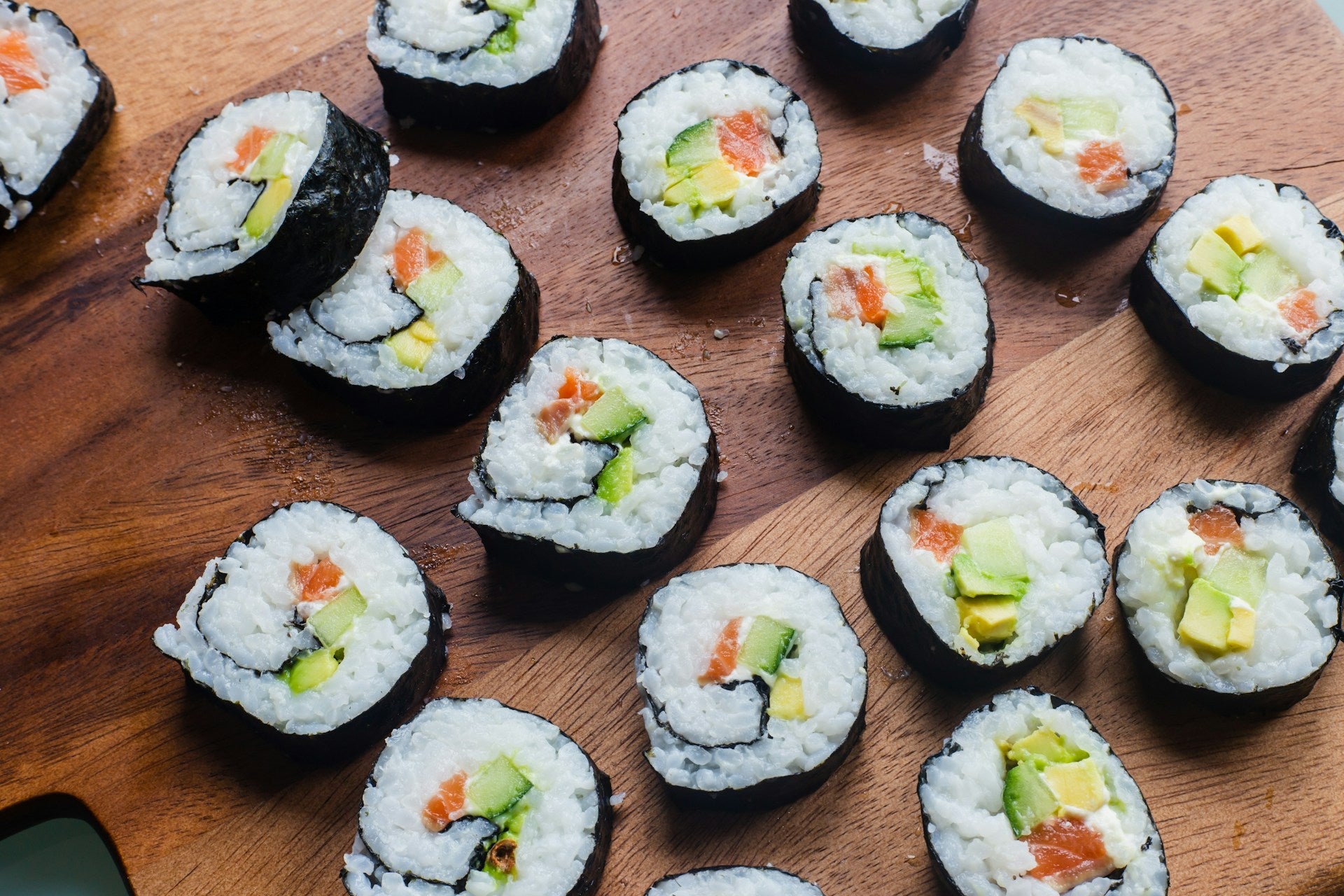
Philadelphia Roll Sushi is distinctive for its fusion of traditional Japanese sushi elements with Western flavors. What sets it apart is the inclusion of cream cheese, a component not commonly found in Japanese sushi, giving it a creamy taste that complements the other ingredients. The roll often includes smoked salmon, which adds a rich, smoky flavor, contrasting with the fresh, zesty notes of cucumber. Together, these ingredients create a balance of creaminess and crunch, making it a popular choice among those looking for a non-traditional sushi experience.
Key Ingredients in Philadelphia Roll Sushi
The key ingredients in a Philadelphia Roll Sushi typically include:
- Nori (seaweed)
- Sushi rice seasoned with vinegar
- Cream cheese
- Smoked salmon
- Cucumber
- Sometimes, avocado for added richness
| Ingredient | Role in the Roll |
|---|---|
| Nori | Provides structure and a subtle ocean flavor |
| Sushi rice | Acts as a sticky base; its tanginess balances the creamy cheese |
| Cream cheese | Adds creaminess and a unique Western touch |
| Smoked salmon | Contributes a smoky flavor and tender texture |
| Cucumber | Offers a refreshing crunch and lightness to the roll |
| Avocado (optional) | Gives extra creaminess and a buttery taste |
Each ingredient plays a crucial role in creating the delightful experience that is the Philadelphia Roll Sushi. The cream cheese's mildness pairs perfectly with the boldness of the smoked salmon, while the cucumber provides a refreshing crunch that cuts through the richness of the other components.
When you're savoring this sushi variety, it's essential to consider the freshness of the ingredients, especially the smoked salmon, which is key to the roll's overall quality. To learn more about the longevity of different ingredients, check out our articles on how long do puffball mushrooms last in the fridge or how long does smoked salmon last in the fridge.
Enjoying Philadelphia Roll Sushi at its best involves consuming it when it's fresh. If you're curious about how long this delectable sushi can last in your refrigerator, or how to store it properly, continue reading to discover guidelines for sushi preservation and safety tips to ensure you always have the best sushi experience.
Storage Guidelines for Philadelphia Roll Sushi
When you bring home or prepare Philadelphia roll sushi, understanding the proper storage guidelines is key to enjoying this delicacy safely.
Optimal Refrigeration Time for Philadelphia Roll Sushi
Philadelphia roll sushi, known for its fresh ingredients, should be consumed as soon as possible. Ideally, sushi should be stored in the fridge for no more than 24 hours to maintain optimal taste and texture. Beyond this period, the quality begins to degrade, and the risk of foodborne illness increases.
To help you keep track of storage times, here's a simple table:
| Timeframe | Quality |
|---|---|
| 0-24 hours | Best Quality |
| 24-48 hours | Acceptable if refrigerated properly |
| Beyond 48 hours | Not recommended; increased risk of spoilage |
Factors Affecting the Freshness of Philadelphia Roll Sushi
Several factors influence how long your Philadelphia roll sushi will last in the fridge:
- Temperature: Your refrigerator should be set below 40°F (4°C) to slow down the growth of bacteria.
- Ingredients: The freshness of the ingredients prior to refrigeration is crucial. If the sushi contains seafood, its quality can deteriorate quickly.
- Rice and Nori Seaweed: Sushi rice can become hard and dry in the fridge, while nori may lose its crispness.
- Preparation: Sushi that's been handled properly, with minimal contact and clean utensils, will last longer.
For more specific storage guidelines on other items you might have in your fridge, you can refer to our articles on how long do cranberries last in the fridge or how long does cooked salmon last in the fridge.
Remember, when it comes to enjoying your Philadelphia roll sushi, fresher is always better. If you're unsure about the freshness, it's best to err on the side of caution and not consume sushi that has been refrigerated for too long.
Safety Tips for Eating Refrigerated Sushi
When it comes to enjoying sushi, particularly the Philadelphia roll, safety is paramount. Proper storage and awareness of spoilage signs are essential to prevent foodborne illnesses.
Identifying Signs of Spoilage in Sushi
It's crucial to recognize the signs of spoilage in sushi to ensure you're consuming a safe and enjoyable meal. Here are indicators that your Philadelphia roll sushi may no longer be fresh:
- Odor: Fresh sushi should have a mild, ocean-like scent. If you detect a strong, sour, or unpleasant odor, it's a sign of spoilage.
- Texture: The fish in sushi should be firm and spring back when touched. If it's slimy or excessively sticky, it's not safe to eat.
- Rice: Sushi rice should be slightly sticky but not hard or overly moist. Discoloration or hardening of the rice indicates it's past its prime.
- Color: Fresh sushi has a bright, natural color. If the fish looks dull or discolored, it could be spoiled.
- Taste: If you've taken a bite and the taste is off or not as expected, it's best to discontinue eating.
Best Practices for Storing Sushi in the Fridge
To maximize the freshness and safety of your Philadelphia roll sushi, follow these storage practices:
- Temperature: Sushi should be stored in the refrigerator at or below 40°F (4°C) immediately after purchase or preparation.
- Airtight Containers: Place the sushi in an airtight container to protect it from air exposure and cross-contamination.
- Consumption Timeline: For optimal freshness, consume refrigerated sushi within 24 hours. The longer sushi sits in the fridge, the higher the risk of bacterial growth.
- Separate Raw Ingredients: If storing homemade sushi, keep raw ingredients separate from cooked ones to prevent cross-contamination.
- No Direct Contact: Use wax paper or plastic wrap to prevent sushi from directly touching the container, which can affect its moisture level.
By adhering to these guidelines, you ensure that your Philadelphia roll sushi remains as fresh and safe as possible during storage. For more information on the shelf life of various foods and ingredients in your refrigerator, explore articles such as how long do puffball mushrooms last in the fridge or how long does cooked salmon last in the fridge, which provide valuable insights on proper food preservation.
Maximizing the Shelf Life of Your Sushi
How to Properly Store Philadelphia Roll Sushi
To ensure that your Philadelphia roll sushi maintains its quality, proper storage is key. You should store sushi in the refrigerator at a temperature of 41°F (5°C) or below. Follow these steps to store your Philadelphia roll sushi effectively:
- Place the sushi in a container with a tight-fitting lid to prevent air exposure.
- Use a sheet of parchment paper between the sushi pieces to prevent them from sticking together.
- If the sushi contains any sauces or toppings, store them separately to prevent the sushi from becoming soggy.
- Label the container with the date of storage to keep track of its freshness.
By following these steps, you can help extend the freshness of your Philadelphia roll sushi. For more general information on food preservation, you might find our articles on how long do puffball mushrooms last in the fridge or how long does kohlrabi last in the fridge helpful.
Handling Leftover Sushi: Dos and Don'ts
When dealing with leftover Philadelphia roll sushi, there are several dos and don'ts to keep in mind to ensure safety and quality:
Dos:
- Do enjoy leftover sushi within 24 hours to ensure the best taste and texture.
- Do keep the sushi refrigerated until you're ready to eat it.
- Do check for any off odors or discoloration before consuming leftovers.
Don'ts:
- Don't leave sushi out at room temperature for more than 2 hours.
- Don't reheat sushi as it can degrade the delicate flavors and textures.
- Don't freeze sushi with raw ingredients as it can affect the quality when thawed.
Following these guidelines will help you safely enjoy your Philadelphia roll sushi leftovers. For more specific advice on sushi preservation, refer to our comprehensive guide on how long does Philadelphia roll sushi last in the fridge and for additional safety tips, explore our article on how long does cooked salmon last in the fridge.
Common Questions About Refrigerating Sushi
When it comes to storing sushi, particularly the popular Philadelphia roll, there are often questions about refrigeration and freezing. The freshness and safety of sushi are paramount, so it's important to understand the best ways to preserve your sushi.
Can You Freeze Philadelphia Roll Sushi?
While freezing is not typically recommended for any sushi due to texture and taste degradation, if you must, Philadelphia roll sushi can be frozen. To best preserve the quality, wrap each piece tightly with plastic wrap and place them in airtight containers or freezer bags. The cream cheese and smoked salmon in Philadelphia rolls tend to freeze better than other sushi types with raw fish. However, be mindful that freezing may alter the texture of the rice and other ingredients.
Here are the recommended maximum storage times for sushi in the freezer:
| Sushi Type | Maximum Storage Time in Freezer |
|---|---|
| Philadelphia Roll Sushi | 1-2 months |
Remember, when you decide to consume frozen sushi, it's crucial to thaw it properly to ensure safety and enjoyability. For more information on preserving different kinds of food, you might want to check out how long other items last in the fridge, like how long do puffball mushrooms last in the fridge or how long does kohlrabi last in the fridge.
How to Safely Thaw Frozen Sushi
Thawing frozen sushi correctly is essential to maintain its flavor and texture as much as possible. The best method is to transfer the sushi from the freezer to the refrigerator and let it thaw slowly, usually overnight. This slow process helps to minimize the risk of bacterial growth and ensures that the sushi comes to a safe, palatable temperature.
Avoid using a microwave or leaving sushi out at room temperature to thaw, as these methods can lead to uneven thawing and potential food safety hazards. Once thawed, the sushi should be consumed as soon as possible.
If you're looking for tips on how to handle other refrigerated items or want to learn about the shelf life of different foods, explore our articles on how long does black bean sauce last in the fridge or how long does cooked salmon last in the fridge.
Remember, when dealing with sushi or any other perishable food, it's essential to prioritize safety and freshness. Properly storing and handling your Philadelphia roll sushi can help you enjoy it in the best condition possible while minimizing the risk of foodborne illness.
Get Your Upgrade or New Addition at Fridge.com
Whether you're searching for your perfect fridge, freezer, wine fridge, beer fridge, ice maker, or kegerator, we have what you need.
Shop the world's best brands at Fridge.com.
We also have tons of awesome articles about kitchen stuff and home news. Enhance your home, garage, backyard, patio, and office with the coolest essentials. With every necessary type of residential refrigerator or freezer in our collection, we've got you covered.
Elevate your game and shop now at Fridge.com!