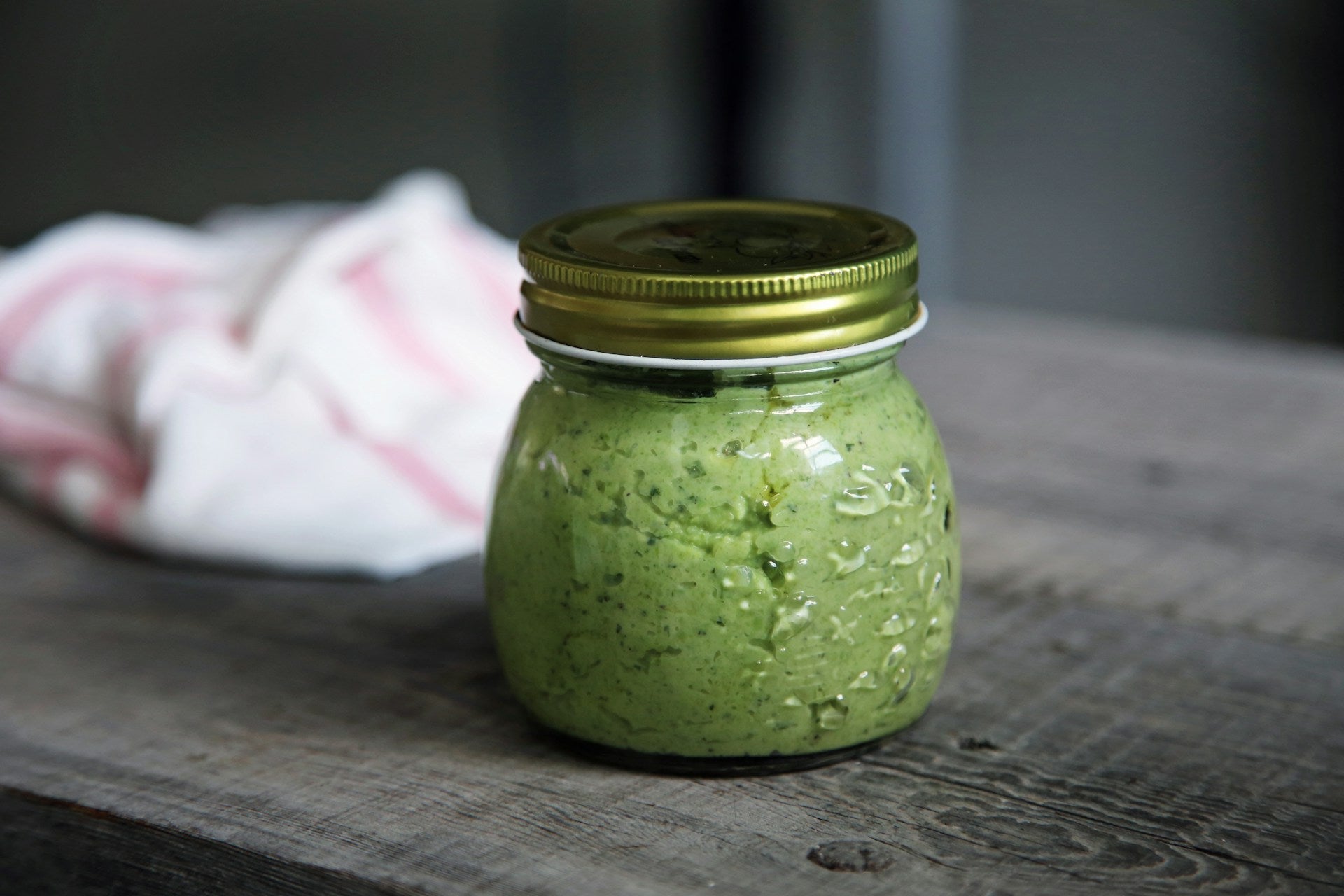
How Long Does Pesto Last In The Fridge?
Understanding Pesto Storage
Importance of Proper Pesto Storage
The longevity and freshness of pesto greatly depend on how it's stored. Proper pesto storage ensures that you maintain its vibrant color, rich flavors, and aromatic qualities for as long as possible. Correct storage also minimizes the risk of bacterial growth and spoilage, ensuring that your pesto remains safe for consumption.
Factors Affecting Pesto Shelf Life
Several factors can influence how long your pesto will last in the fridge:
- Ingredients: Fresh pesto made with perishable items like fresh basil, garlic, and cheese tends to have a shorter shelf life.
- Exposure to air: Pesto oxidizes when exposed to air, leading to color changes and potential spoilage.
- Temperature: Fluctuations in temperature can affect pesto's stability. It's essential to keep it in a consistently cool environment.
- Container type: An airtight container can help extend pesto's fridge life by reducing exposure to air and moisture.
- Presence of preservatives: Store-bought pesto may contain preservatives that extend shelf life, unlike homemade versions.
For additional insights into storing other food items and their shelf life, explore our curated articles on how long various foods last in the fridge, such as how long does fresh fish last in the fridge? and how long does cookie dough last in the fridge?.
Refrigerator Storage Guidelines
Proper storage of pesto in the refrigerator is essential to maintain its freshness and extend its shelf life. By following these guidelines, you help ensure that your pesto remains flavorful and safe to consume.
Storing Pesto in the Fridge
When you place pesto in the fridge, it's crucial to keep it in an airtight container. Exposure to air can lead to oxidation, which deteriorates the quality of the pesto. Once you have transferred the pesto to a suitable container, make sure to cover the surface of the pesto with a thin layer of olive oil. This creates a barrier that protects the pesto from air and prevents it from drying out.
For store-bought pesto, keep it in its original jar if unopened. After opening, transfer the pesto to an airtight container if the original packaging isn't resealable.
Here are some additional steps for storing pesto in the fridge:
- Consume freshly made or store-bought pesto within a few days for the best quality.
- If you've made a large batch, consider portioning the pesto into smaller containers. This prevents the entire batch from being exposed to air each time you use it.
- Label the container with the date of storage to keep track of how long the pesto has been in the fridge.
Recommended Temperature for Pesto
The ideal temperature for storing pesto in the refrigerator is at or below 40°F (4°C). This temperature range slows down the growth of bacteria and helps preserve the pesto's quality.
| Storage Location | Temperature Range |
|---|---|
| Refrigerator | ≤ 40°F (≤ 4°C) |
It is important to ensure that your refrigerator is consistently at this temperature. Frequent fluctuations can negatively impact the storage life of pesto and other perishable foods. For more information on storing other food items at optimal temperatures, you can explore articles such as how long does fresh fish last in the fridge? and how long do mulberries last in the fridge?.
By adhering to these refrigerator storage guidelines, you can enjoy your pesto for as long as possible without compromising on taste or safety. Remember, the key to longevity is minimizing exposure to air and maintaining a cold and stable temperature environment.
Shelf Life of Pesto in the Fridge
When you've whipped up or purchased a batch of this aromatic sauce, knowing its longevity in the fridge is key to enjoying it at its best.
How Long Does Pesto Last in the Fridge?
Typically, homemade pesto can last in the fridge for up to 5-7 days, provided that it's stored properly. Commercially purchased pesto, on the other hand, often contains preservatives that extend its shelf life to approximately 1-2 weeks after opening.
For a detailed look at pesto's lifespan, consider the following table:
| Pesto Type | Unopened Shelf Life | Opened Shelf Life |
|---|---|---|
| Homemade Pesto | - | 5 - 7 days |
| Store-Bought Pesto | See expiration date | 1 - 2 weeks |
Remember, these are general guidelines. Always check the manufacturer's recommendations, as storage conditions and ingredients can affect longevity.
Signs of Pesto Spoilage
To ensure you're enjoying your pesto at its freshest, be vigilant for signs of spoilage:
- Color Change: Fresh pesto is characteristically vibrant green. If it starts to brown, it's an indication that it's beginning to spoil.
- Unpleasant Odor: Any sour or off smells are a clear signal that the pesto has gone bad.
- Visible Mold: The appearance of mold, usually as fuzzy spots, means the pesto is no longer safe to consume.
- Odd Taste: If the flavor is notably different or unpleasant, it's best to dispose of the pesto.
It's crucial to practice safe food handling and to trust your senses. Should you encounter any of these signs, discard the pesto to avoid potential foodborne illness.
For more insights on storing other perishable items, explore our articles on how long various products last in the fridge, like how long does apple juice last in the fridge? or how long do anchovies last in the fridge?. These resources can help you master the art of fridge storage, ensuring you savor your food at its peak quality.
Maximizing Pesto Freshness
To enjoy your pesto at its best and extend its freshness while stored in the fridge, certain practices can make a significant difference. Below are tips and advice on choosing the proper container for refrigeration to help preserve your pesto's vibrant color, rich flavor, and overall quality.
Tips for Extending Pesto Shelf Life
- Airtight Seal: Always store pesto in an airtight container to prevent oxidation and contamination from other foods.
- Minimize Exposure: Limit the time your pesto spends at room temperature; return it to the fridge immediately after use.
- Layer of Oil: Adding a thin layer of olive oil on top of the pesto can create a barrier against air and prevent browning.
- Portioning: Consider dividing pesto into smaller portions before refrigerating. You can use only what you need, keeping the rest untouched and fresh.
- Regular Check: Regularly check your pesto for any signs of spoilage. Discard it if you notice any off-odors or mold.
By following these guidelines, you can help ensure your pesto remains as fresh as possible. For more information on storage times for specific food items, such as how long does sea buckthorn juice last in the fridge?, our site provides detailed insights.
Proper Pesto Container for Refrigeration
Choosing the right container for storing pesto in the refrigerator is crucial. Here are some characteristics of the ideal pesto container:
- Material: Glass or food-grade plastic containers with tight-fitting lids are preferred.
- Size: Select a container that's just the right size for the amount of pesto you have; too much empty space can lead to more air and faster spoilage.
- Shape: A container with a wide opening can make it easier to scoop out pesto without contaminating the rest.
| Container Features | Benefits |
|---|---|
| Airtight Seal | Prevents air exposure and moisture loss |
| Non-reactive Material | Keeps flavors intact |
| Clear Body | Allows you to see the pesto's condition |
Remember, the key to extending the life of your pesto in the fridge is to minimize its exposure to air, light, and fluctuating temperatures. For more tips on preserving specific food items, explore our articles on topics like how long do mulberries last in the fridge? and how long does tuna salad keep in the fridge?.
Prolonging Pesto Lifespan
To extend the enjoyment of your homemade or store-bought pesto, proper storage is key. Freezing pesto is a practical solution for long-term preservation, and understanding how to properly thaw and use frozen pesto ensures that its flavors are retained.
Freezing Pesto for Long-Term Storage
Freezing pesto can significantly extend its shelf life, allowing you to savor its fresh taste for months. To effectively freeze pesto, you should:
- Place the pesto into an airtight container or spoon it into an ice cube tray for individual servings.
- Drizzle a thin layer of olive oil on top of the pesto to create a seal that helps maintain its vibrant green color and prevents oxidation.
- Label the container with the date of freezing to keep track of how long the pesto has been stored.
| Storage Method | Expected Shelf Life |
|---|---|
| Refrigerator | 1-2 weeks |
| Freezer (airtight container) | 4-6 months |
For more details on the best practices for freezing various foods, you may find articles such as how long does coffee last in the fridge? useful.
Thawing and Using Frozen Pesto
Thawing pesto correctly is crucial to preserve its flavor and texture. To thaw frozen pesto:
- Transfer the frozen pesto from the freezer to the refrigerator the night before you plan to use it, allowing it to thaw gently.
- If you're in a hurry, you can thaw pesto by placing the container in a bowl of cold water.
- Once thawed, stir the pesto to recombine any separated oils before using it.
Frozen pesto cubes can be added directly to warm dishes like pasta or soups, where they will melt and disperse the pesto evenly.
Remember, while freezing can help prolong the shelf life of pesto, it is still important to use your senses to check for signs of spoilage before consuming. Any discoloration, off-odors, or mold indicates that the pesto should be discarded.
Utilizing these methods for freezing and thawing pesto ensures that you can enjoy your flavorful condiment well beyond its typical refrigerator shelf life. For insights on storing other perishable items, explore articles such as how long does ahi tuna last in the fridge? or how long do anchovies last in the fridge?.
Get Your Upgrade or New Addition at Fridge.com
Whether you're searching for your perfect fridge, freezer, wine fridge, beer fridge, ice maker, or kegerator, we have what you need.
Shop the world's best brands at Fridge.com.
We also have tons of awesome articles about kitchen stuff and home news. Enhance your home, garage, backyard, patio, and office with the coolest essentials. With every necessary type of residential refrigerator or freezer in our collection, we've got you covered.
Elevate your game and shop now at Fridge.com!