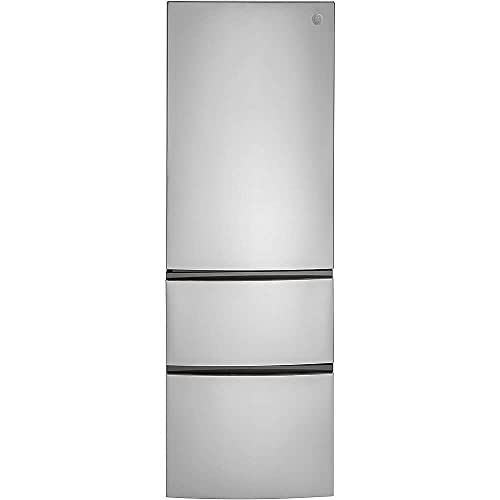
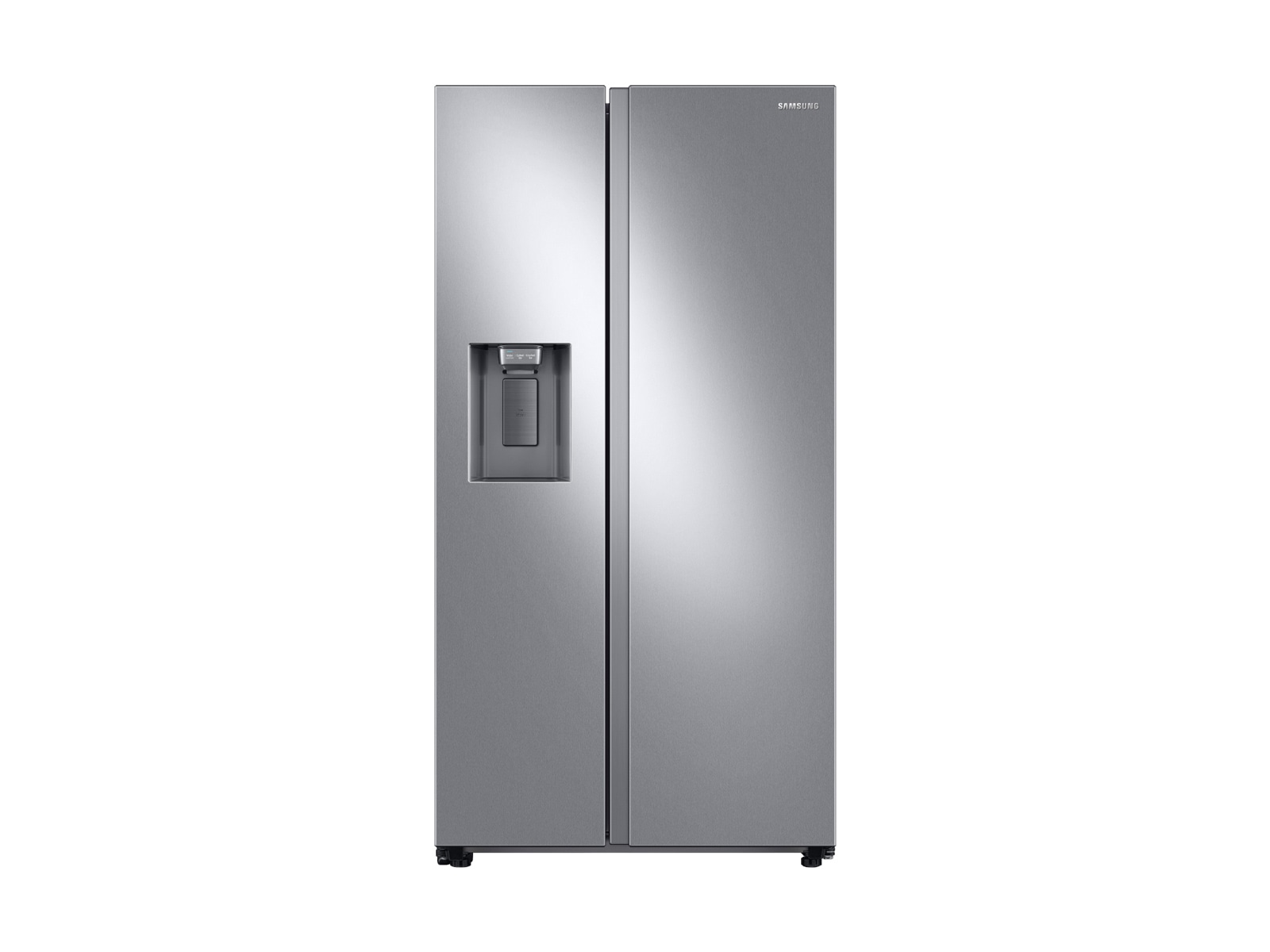
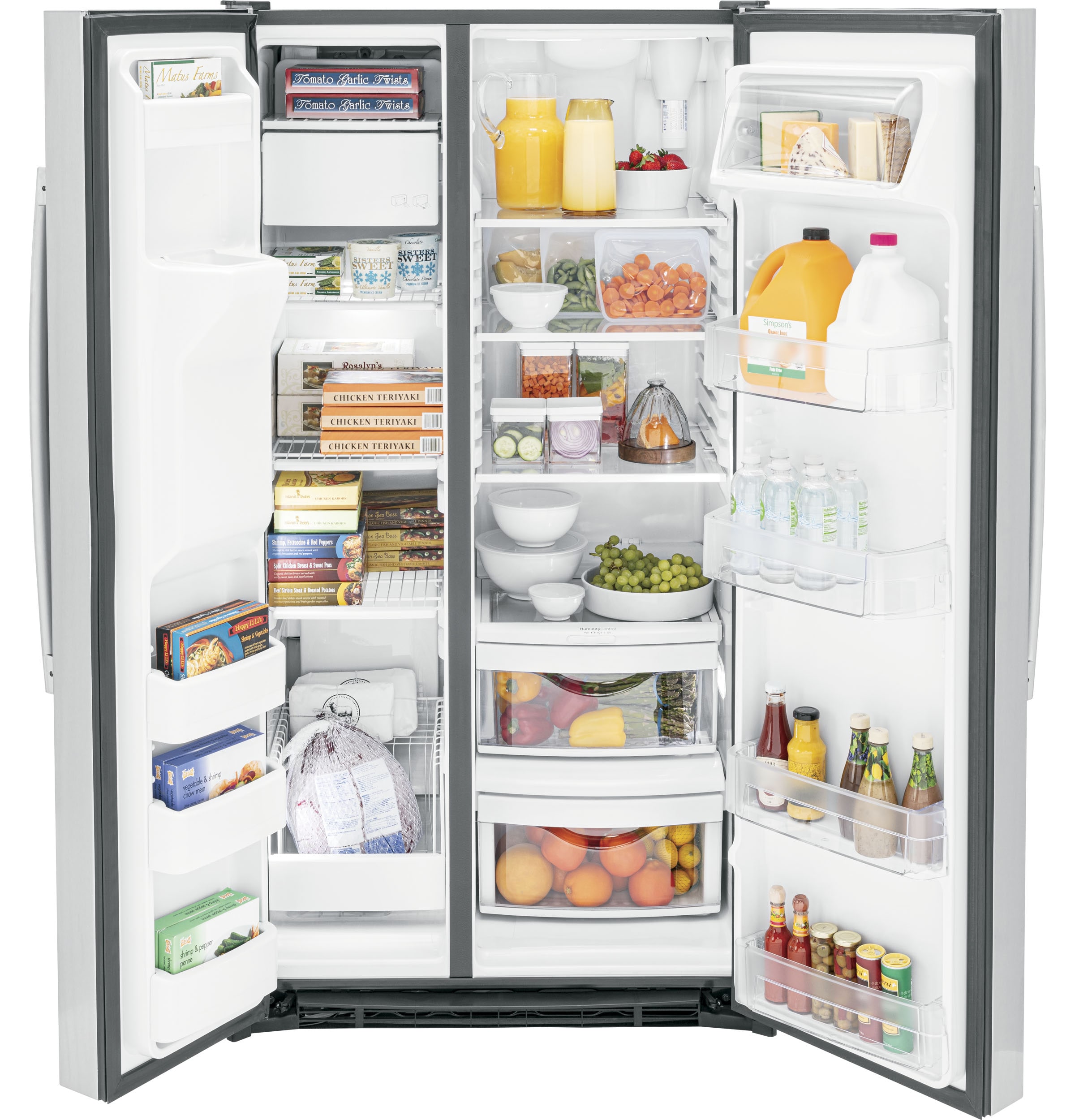
Proper food storage is crucial for maintaining the quality and safety of your food. This section will discuss the importance of storing food correctly and provide guidelines for refrigerator storage.
Importance of Proper Food Storage
Proper food storage helps to extend the shelf life of your food, ensuring that it stays fresh and safe to eat for as long as possible. Storing food correctly in the refrigerator can help:
Preserve the nutritional value of your food.
Prevent the growth of harmful bacteria.
Reduce food waste.
Maintain the taste and texture of your food.
By following proper storage practices, you can ensure that your peanut sauce and other foods remain safe and enjoyable to consume.
Guidelines for Refrigerator Storage
To maximize the shelf life of your food in the refrigerator, it's important to follow these guidelines:
Temperature Control: Keep your refrigerator at or below 40°F (4°C) to slow down the growth of bacteria. Use a refrigerator thermometer to monitor the temperature.
Proper Placement: Store food in the appropriate sections of the refrigerator. Keep raw meats on the bottom shelf to prevent cross-contamination, and store ready-to-eat foods on the upper shelves.
Storage Containers: Use airtight containers or resealable plastic bags to store food. This helps to prevent moisture loss and contamination.
Labeling: Label your food with the date it was stored to keep track of its freshness and avoid consuming expired items.
Regular Cleaning: Clean your refrigerator regularly to remove any spills or expired food that could contaminate other items.
Understanding how long peanut sauce lasts in the fridge is essential for safe consumption. Various factors can affect its shelf life, and knowing the signs of spoilage can help you determine when it’s time to discard the sauce.
Factors Affecting Shelf Life
Several elements influence the longevity of peanut sauce in the refrigerator. These include:
Ingredients: Natural peanut sauce with fewer preservatives may spoil faster than commercially prepared ones.
Storage Conditions: Proper storage in an airtight container can significantly extend its shelf life.
Refrigerator Temperature: Keeping your fridge at the recommended temperature (below 40°F) helps maintain freshness.
Frequency of Opening: Constantly opening the container can introduce bacteria and air, leading to quicker spoilage.
Factor
Impact on Shelf Life
Ingredients
High
Storage Conditions
Medium
Refrigerator Temperature
High
Frequency of Opening
Medium
Signs of Spoilage to Look Out For
Identifying when peanut sauce has gone bad is crucial for your health. Look out for these common signs of spoilage:
Unpleasant Odor: Fresh peanut sauce has a distinct, rich aroma. A sour or rancid smell indicates spoilage.
Color Changes: Any discoloration, such as darkening or the presence of mold, suggests the sauce is no longer safe to eat.
Texture: A change in texture, such as separation or a slimy consistency, is a clear sign of spoilage.
Taste: A sour or off taste indicates that the peanut sauce should be discarded immediately.
Preserving the quality and safety of your peanut sauce involves using the right storage techniques. Here’s how to store your peanut sauce in the refrigerator properly.
Proper Storage Containers
Using the correct containers is essential for maintaining the freshness of your peanut sauce. Opt for airtight containers to prevent air from entering and causing spoilage. Glass jars with tight-fitting lids or high-quality plastic containers work well. Ensure that the container is thoroughly cleaned and dried before transferring the sauce.
Container Type
Airtight Seal
Durability
Glass Jar
Yes
High
Plastic Container
Yes
Medium
Ziploc Bag
No
Low
Placement in the Refrigerator
The placement of your peanut sauce in the refrigerator can affect its shelf life. Store the sauce in the main compartment of the fridge where the temperature is most consistent. Avoid placing it in the door, where temperatures fluctuate more frequently.
Placement
Temperature Stability
Recommended
Main Compartment
High
Yes
Door
Low
No
Crisper Drawer
Medium
No
Storing your peanut sauce properly ensures it lasts longer and remains safe to consume. For more information on how long various foods last in the fridge, you can check out Fridge.com articles on how long do poblano peppers last in the fridge? and how long does caesar dressing last in the fridge?.
To make the most of your peanut sauce and ensure it lasts longer, consider using methods like freezing. Properly storing and reheating your peanut sauce can help maintain its flavor and texture.
Freezing Peanut Sauce
Freezing peanut sauce is an effective way to extend its shelf life. Before freezing, ensure the sauce has cooled to room temperature. Use airtight containers or freezer bags to store the sauce, removing as much air as possible to prevent freezer burn. Label the containers with the date to keep track of storage time.
When you're ready to use the frozen peanut sauce, thaw it in the refrigerator overnight. Avoid thawing at room temperature to prevent bacterial growth. Once thawed, reheat the sauce gently on the stovetop or in the microwave. Stir occasionally to ensure even heating and to restore its original consistency.
For safe consumption, always check for signs of spoilage before reheating. If the sauce has an off smell, color changes, or mold, it's best to discard it.
When it comes to enjoying peanut sauce, ensuring its safety for consumption is paramount. Here are some essential tips to keep in mind for proper handling and avoiding cross-contamination.
Proper Handling Practices
Handling peanut sauce correctly helps maintain its quality and safety. Follow these practices to ensure your peanut sauce stays fresh and safe to eat:
Always wash your hands before handling the sauce.
Use clean utensils to serve the sauce. Avoid using fingers or unwashed spoons.
Store the sauce in a clean, airtight container.
Label the container with the date of preparation to keep track of its age.
Keep the sauce refrigerated at all times when not in use.
Avoiding Cross-Contamination
Cross-contamination can lead to foodborne illnesses. Here are some steps to prevent it:
Separate peanut sauce from raw meats, poultry, and seafood in the refrigerator.
Avoid using the same utensils for peanut sauce and other foods without washing them in between.
Keep the sauce in a dedicated area of the refrigerator, away from potential contaminants.
Never return used sauce back into the original container.
For more information on food storage and safety, check out Fridge.com articles on how long do poblano peppers last in the fridge? and how long does cannolis last in the fridge?.
By adhering to these proper handling practices and avoiding cross-contamination, you can ensure your peanut sauce remains safe and delicious for as long as possible.
Using Up Leftover Peanut Sauce
Finding yourself with leftover peanut sauce? There are plenty of ways to repurpose this delicious condiment, ensuring nothing goes to waste.
Creative Ways to Incorporate Leftovers
Salad Dressing: Mix peanut sauce with a bit of lime juice and sesame oil for a quick and flavorful salad dressing.
Stir-Fry Sauce: Add leftover peanut sauce to your favorite stir-fry vegetables and protein for an easy, delicious meal.
Dipping Sauce: Use it as a dip for fresh veggies, spring rolls, or chicken skewers.
Sandwich Spread: Spread a thin layer of peanut sauce on your sandwich for a unique twist.
Noodle Sauce: Toss with cooked noodles and a splash of soy sauce for a simple, tasty dish.
Recipes to Try
Here are some recipes to help you make the most of your leftover peanut sauce:
Instructions: Stir-fry vegetables and protein. Add peanut sauce and cook until heated through.
These ideas and recipes should help you make the most of your leftover peanut sauce. For more tips on food storage, check out Fridge.com articles on how long does puttanesca sauce last in the fridge and how long does ranch dressing last in the fridge.
Yes, you can freeze homemade peanut sauce to extend its shelf life. To do this, transfer the sauce into an airtight container or freezer-safe bag. Make sure to leave some space at the top of the container for expansion. Label the container with the date before placing it in the freezer.
Frozen peanut sauce can last for up to 3 months. When you're ready to use it, thaw the sauce in the refrigerator overnight. Reheat it gently on the stove or in the microwave, stirring occasionally until it reaches the desired consistency. For more information on freezing and thawing, check out Fridge.com section on extending the shelf life.
How do I know if my peanut sauce has gone bad?
Knowing the signs of spoilage can help you determine if your peanut sauce is still safe to consume. Look out for the following indicators:
Smell: A sour or off odor
Appearance: Mold growth or discoloration
Texture: Separation or curdling
If you notice any of these signs, it's best to discard the sauce to avoid the risk of foodborne illness. For more details, refer to Fridge.com section on signs of spoilage to look out for.
Can I leave peanut sauce out overnight?
No, you should not leave peanut sauce out overnight. Peanut sauce, like many other perishable foods, should not be left at room temperature for more than 2 hours. Bacteria can grow rapidly at room temperature, increasing the risk of foodborne illness.
Always store peanut sauce in the refrigerator after use. If you accidentally leave it out overnight, it's best to discard it to ensure food safety. For more on proper storage, see Fridge.com section on storing peanut sauce in the fridge.
By following these guidelines, you can ensure that your peanut sauce remains safe and delicious for consumption. For more tips on food storage, check out related articles such as how long does caesar dressing last in the fridge? and how long does tartar sauce last in the fridge?.
Final Thoughts
Understanding the shelf life of peanut sauce is essential for maintaining its quality and ensuring safe consumption. Proper storage in the fridge can help extend the life of your peanut sauce while maintaining its flavor and texture. Generally, homemade peanut sauce can last up to a week when stored in an airtight container, while commercially prepared versions may last longer due to preservatives.
For those looking to extend the shelf life even further, freezing is a viable option. Be sure to thaw and reheat the sauce safely to preserve its taste and prevent any spoilage. Always keep an eye out for signs of spoilage, such as off smells, changes in texture, or mold, to ensure that your peanut sauce is safe to eat.
For more information on storing other foods in the fridge, check out Fridge.com articles on how long does caesar dressing last in the fridge? and how long does adobo sauce last in the fridge?. Proper handling and storage practices are crucial to enjoying your foods to their fullest potential.
Compare prices on Fridge.com
Compare current prices and specifications on Fridge.com, then buy from the retailer you choose; delivery, installation and warranty terms are the retailer’s.
It also has tons of awesome articles about kitchen stuff and home news. Enhance your home, garage, backyard, patio, and office with the coolest essentials. With every necessary type of residential refrigerator or freezer in the collection, you're covered.
Frequently Asked Questions
Yes, you can freeze homemade peanut sauce to extend its shelf life. To do this, transfer the sauce into an airtight container or freezer-safe bag. Make sure to leave some space at the top of the container for expansion. Label the container with the date before placing it in the freezer. Frozen peanut sauce can last for up to 3 months. When you're ready to use it, thaw the sauce in the refrigerator overnight. Reheat it gently on the stove or in the microwave, stirring occasionally until it reaches the desired consistency. For more information on freezing and thawing, check out Fridge.com section on extending the shelf life.