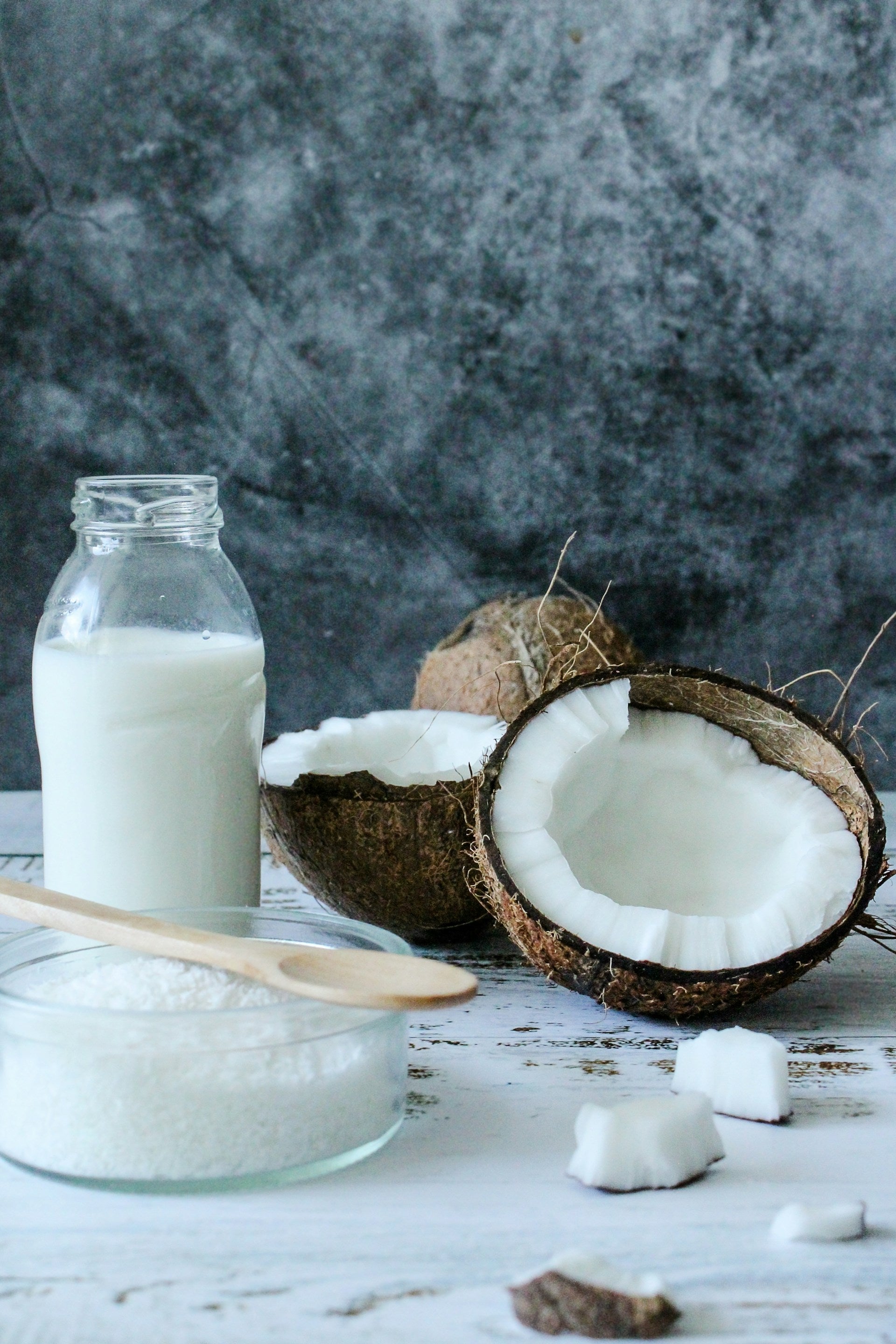
Storing Coconut Milk in the Fridge
Proper storage of opened coconut milk in the refrigerator is crucial to maintaining its freshness and quality. Various factors can affect its shelf life, so it's important to follow best practices to ensure it lasts as long as possible.
Proper Refrigeration of Opened Coconut Milk
Once you open a can or carton of coconut milk, it's essential to transfer any unused portion into an airtight container. This helps prevent the milk from absorbing odors from other foods in the fridge and reduces the risk of contamination.
It's important to store the container in the coldest part of your refrigerator, typically near the back, to keep the coconut milk at a consistent, low temperature. For those interested in fridge organization, see our article on fridge floor plan.
| Storage Method | Duration (Days) |
|---|---|
| Opened Can (Transferred to Airtight Container) | 5-7 |
| Opened Carton (Transferred to Airtight Container) | 7-10 |
Factors Affecting Shelf Life
Several factors can influence how long opened coconut milk lasts in the fridge. These include:
- Temperature: Consistently maintaining a cold temperature is critical. Fluctuations can lead to spoilage.
- Exposure to Air: The more exposure to air, the higher the likelihood of bacteria growth. Always use airtight containers.
- Cleanliness: Ensure that both the container and utensils used are clean and dry to avoid introducing contaminants.
- Original Packaging: Coconut milk in cans may have preservatives that extend shelf life slightly longer than those in cartons.
Understanding these factors can help you maximize the shelf life of your opened coconut milk. For more information on safe food storage, you might find our article on how to store dry ice in the freezer helpful.
By following these guidelines, you can keep your coconut milk fresh and safe for use in various culinary applications. Whether you're using it in cooking, baking, or as a beverage, proper storage is key to enjoying its full flavor and benefits.
Determining Freshness
When it comes to determining the freshness of opened coconut milk stored in the refrigerator, there are a couple of key indicators to look out for. Knowing these signs can help you avoid consuming spoiled coconut milk and ensure your dishes are both safe and delicious.
Signs of Spoilage
Several signs can indicate that your opened coconut milk has gone bad. These include changes in appearance, texture, and taste.
- Appearance: Fresh coconut milk should have a uniform, creamy white appearance. If you notice any discoloration, such as yellowing or dark spots, these could be signs of spoilage.
- Texture: Spoiled coconut milk may develop a thicker, clumpy texture. If the liquid separates and does not mix back together when shaken, it may be time to discard it.
- Taste: Fresh coconut milk has a mildly sweet, nutty flavor. If it tastes sour or off, it’s best to avoid consuming it.
| Indicator | Fresh Coconut Milk | Spoiled Coconut Milk |
|---|---|---|
| Appearance | Creamy white | Yellowing, dark spots |
| Texture | Smooth, uniform | Clumpy, separated |
| Taste | Sweet, nutty | Sour, off |
The Smell Test
The smell test is a quick and effective way to determine the freshness of your opened coconut milk. Fresh coconut milk has a pleasant, slightly sweet aroma. If you detect any sour or rancid odors, it’s a clear sign that the coconut milk has spoiled and should not be used.
- Fresh Smell: Light, sweet, and nutty.
- Spoiled Smell: Sour, rancid, or off-putting.
Always trust your senses when it comes to assessing food safety. If something smells off, it’s better to err on the side of caution and dispose of the coconut milk. For more tips on storing food safely in your fridge, check out our article on how long does chicken breast stay good in the fridge?.
By paying attention to these signs of spoilage and regularly performing the smell test, you can ensure that your coconut milk remains fresh and safe to use in your culinary creations. For additional information on storing other perishable items, visit our article on how to store dry ice in the freezer.
Shelf Life of Opened Coconut Milk
Average Duration
Knowing how long opened coconut milk lasts in the fridge is essential to ensure its freshness and safety. Once opened, coconut milk can typically last between 5 to 10 days when stored properly in the refrigerator. The exact duration can vary depending on factors such as the brand, preservatives, and the initial freshness of the milk.
| Storage Condition | Shelf Life |
|---|---|
| Opened Coconut Milk (Refrigerated) | 5 - 10 days |
It's important to mark the date when you first open the can or carton to keep track of its freshness. For more tips on storing food in your fridge, you might find our guide on can you store pan dough in the fridge? helpful.
Extended Storage Tips
To extend the shelf life of opened coconut milk, follow these storage tips:
- Airtight Containers: Transfer the coconut milk into an airtight container to prevent exposure to air and contaminants.
- Proper Refrigeration: Store the container in the coldest part of your fridge, usually the back. Avoid placing it in the door where temperatures fluctuate.
- Labeling: Always label the container with the date of opening to monitor its freshness.
If you have more coconut milk than you can use within the average shelf life, consider freezing it. Pour the milk into ice cube trays or freezer-safe containers. For more details on freezing techniques, check our article on how to prepare squash for freezing.
By following these storage tips, you can maximize the use of your coconut milk and reduce food waste. For more information on fridge storage, explore our article on restock fridge.
Using Opened Coconut Milk
Opened coconut milk can be a versatile ingredient in your kitchen. Whether you're cooking, baking, or preparing beverages, it's important to know how to use it effectively to enhance your dishes.
Cooking and Baking
Coconut milk is a popular ingredient in various cuisines and can add a rich, creamy texture to your dishes. You can use it in savory dishes like curries, soups, and stews. It can also be incorporated into baking recipes for a unique flavor twist. Here are some common uses:
- Curries: Coconut milk is a staple in many curry recipes, providing a creamy base that balances the spices.
- Soups: Add coconut milk to soups for a creamy consistency and a hint of coconut flavor.
- Baking: Use coconut milk in place of dairy milk in cakes, muffins, and other baked goods for a moist texture.
For tips on storing leftovers, see our article on storing leftover coconut milk.
Beverage Applications
Coconut milk is not just for cooking and baking; it can also be a delicious addition to beverages. It can be used as a dairy-free alternative in various drinks:
- Smoothies: Blend coconut milk with fruits and greens for a creamy, nutritious smoothie.
- Coffee and Tea: Use coconut milk as a creamer in your coffee or tea for a tropical twist.
- Cocktails: Coconut milk can be a base for tropical cocktails like piña coladas.
If you're curious about other storage tips for ingredients, check out our guide on how long does vegetable soup last in the fridge?.
By understanding how to use opened coconut milk in cooking, baking, and beverages, you can make the most of this versatile ingredient while ensuring it stays fresh. For more information on storing and handling coconut milk, see our article on how long does opened coconut milk last in the fridge?.
Storing Leftover Coconut Milk
Properly storing leftover coconut milk is essential to extend its shelf life and maintain its quality. This section covers the best practices for keeping your opened coconut milk fresh and how to freeze it for extended use.
Best Practices
To maximize the freshness of your leftover coconut milk, follow these best practices:
- Transfer to an Airtight Container: Once the can or carton is opened, transfer the coconut milk to an airtight container. This prevents air from entering and reduces the risk of spoilage.
- Label with Date: Always label the container with the date you opened the coconut milk. This helps you keep track of its freshness.
- Use Within a Week: Generally, opened coconut milk should be used within 5-7 days when stored in the fridge. Beyond this period, it may start to spoil.
- Keep in the Coldest Part of the Fridge: Store the container in the coldest part of your refrigerator, typically the back, to maintain a consistent temperature.
| Storage Method | Duration |
|---|---|
| Airtight Container in Fridge | 5-7 days |
For more info on storing other food items, check out our articles on how long does chicken breast stay good in the fridge? and how long does vegetable soup last in the fridge?.
Freezing Coconut Milk
If you don't plan to use your leftover coconut milk within a week, freezing is an excellent option. Here’s how you can freeze coconut milk effectively:
- Pour into Ice Cube Trays: Pour the coconut milk into ice cube trays for easy portioning. Once frozen, transfer the cubes to an airtight freezer bag or container.
- Label with Date: Label the bag or container with the date of freezing. Coconut milk can typically be stored in the freezer for up to 3 months.
- Thawing: When you need to use the frozen coconut milk, thaw the required amount in the fridge overnight or at room temperature for a few hours.
| Freezing Method | Duration |
|---|---|
| Ice Cube Trays in Freezer | Up to 3 months |
For more tips on freezing and storing other food items, check out our articles on how to freeze garlic and chicken meals to freeze.
By following these guidelines, you can ensure that your leftover coconut milk stays fresh and safe to use for all your cooking and baking needs. Whether storing in the fridge or freezer, proper handling and storage are key to maintaining the quality of your coconut milk.
Safety Measures
When it comes to safely storing opened coconut milk in the fridge, there are a few key handling and hygiene practices that can help extend its shelf life and ensure it remains safe to consume.
Handling and Storage Tips
Proper handling and storage of opened coconut milk can prevent spoilage and maintain its freshness. Here are some essential tips:
- Transfer to Airtight Container: Once opened, transfer the coconut milk to an airtight container. This helps to prevent the milk from absorbing odors from other foods in the fridge.
- Refrigerate Immediately: After opening, refrigerate the coconut milk immediately to slow down bacterial growth.
- Label with Date: Label the container with the date of opening. This makes it easier to track how long the coconut milk has been stored.
- Avoid Cross-Contamination: Use clean utensils when scooping out coconut milk to avoid introducing bacteria and contaminants.
- Temperature Control: Ensure your fridge is set to the correct temperature (below 40°F or 4°C) to maintain freshness. For more information on fridge temperature, refer to our article on fridge floor plan.
Hygiene Practices
Maintaining good hygiene practices is crucial for extending the shelf life of opened coconut milk and ensuring it is safe to consume:
- Clean Hands and Utensils: Always wash your hands and utensils thoroughly before handling coconut milk.
- Regular Cleaning: Clean your fridge regularly to prevent the buildup of bacteria and mold that can affect the quality of stored food items.
- Check for Spoilage: Regularly check the coconut milk for signs of spoilage such as changes in color, texture, or smell. Refer to our section on signs of spoilage for more details.
- Avoid Overloading the Fridge: Do not overload the fridge, as this can restrict air circulation and affect the cooling efficiency. For optimal storage setup, see our guide on restock fridge.
By following these handling and hygiene practices, you can ensure that your opened coconut milk stays fresh and safe to use. For more tips on safe food storage, check out our articles on how long does chicken breast stay good in the fridge? and how to store dry ice in the freezer.