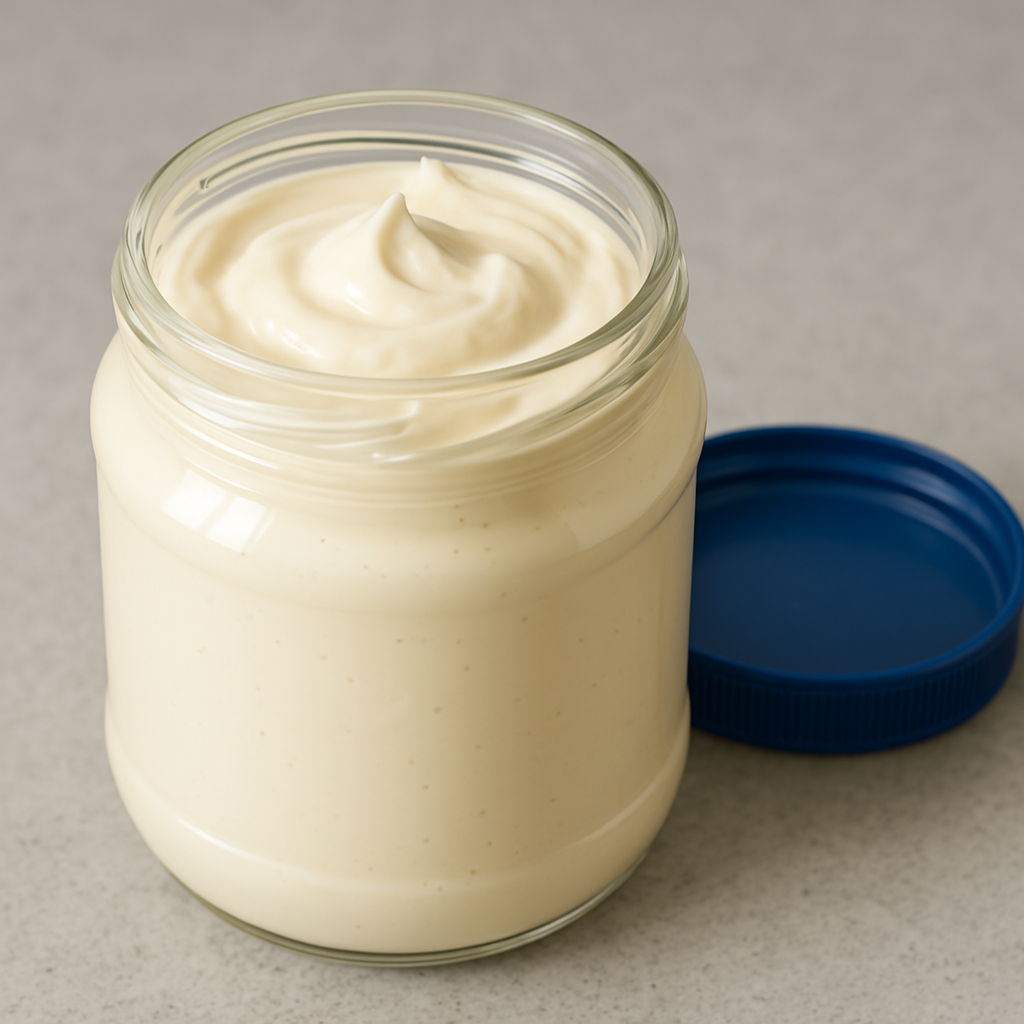
Storing Mayonnaise in the Fridge
Importance of Proper Storage
Proper storage of mayonnaise is essential to maintain its freshness and prevent spoilage. When stored correctly in the refrigerator, mayonnaise can retain its quality and be safe to consume. It's important to keep the mayonnaise container tightly sealed and to store it at a consistent temperature, ideally in the main body of the fridge rather than the door, where temperature fluctuations are more common.
Understanding Expiration Dates
Expiration dates on mayonnaise containers serve as a manufacturer’s best estimate for when the product will start to deteriorate in quality. However, the actual shelf life can be affected by various factors, such as how the mayonnaise is stored after opening. Knowing the difference between "Sell By," "Use By," and "Best By" dates is crucial:
- "Sell By" indicates how long the store should display the product for sale.
- "Use By" is the last date recommended for use of the product while at peak quality.
- "Best By" suggests when the product will begin to diminish in quality but may still be edible.
For a comprehensive understanding of the shelf life of various food items in your refrigerator, including mayonnaise, explore our in-depth articles on topics like how long does coleslaw last in the fridge? and how long does cooked ham last in the fridge?. These resources provide valuable insights on safely extending the freshness of your favorite foods.
Shelf Life of Mayonnaise
When it comes to preserving the freshness of condiments, understanding their shelf life can be particularly helpful. Mayonnaise, a common staple in many refrigerators, has a definite lifespan that varies depending on whether it's unopened or opened.
Unopened Mayonnaise
Unopened mayonnaise can last well beyond the 'best by' date if stored properly in the refrigerator. Typically, it can remain safe to consume for 3-4 months past this date. However, it's crucial to consider the storage conditions to ensure the mayonnaise retains its quality.
| Condition | Shelf Life |
|---|---|
| In pantry | Up to 'best by' date |
| Refrigerated | 3-4 months past 'best by' date |
Opened Mayonnaise
Once opened, mayonnaise should always be kept in the refrigerator. The shelf life of opened mayonnaise is shorter than its unopened counterpart, and it's generally safe to use for up to two months if refrigerated properly. After this period, the quality may start to decline, and there is a higher risk of spoilage.
It's important to note that these guidelines apply to commercially produced mayonnaise. If you're dealing with homemade mayonnaise or a product with fresh ingredients and no preservatives, the shelf life will be significantly shorter, and it's advisable to consume it within a few days.
| Condition | Shelf Life |
|---|---|
| Refrigerated | Up to 2 months |
To ensure the longevity of your mayonnaise, always use clean utensils when scooping it out to prevent contamination. For more insights on keeping your food safe and fresh, explore our articles on how long does coleslaw last in the fridge? and how long does pot roast last in the fridge?. Remember, when in doubt, it's better to be cautious and discard any mayonnaise that shows signs of spoilage.
Factors Affecting Mayonnaise Shelf Life
When it comes to mayonnaise, understanding the elements that influence its shelf life is crucial. Whether you’re a home cook, food enthusiast, or just someone who likes to have mayonnaise on hand, knowing these factors can help ensure that your mayonnaise stays fresh for as long as possible.
Temperature
Temperature plays a pivotal role in the shelf life of mayonnaise. Mayonnaise should be stored in the refrigerator at a consistent temperature of 40°F (4°C) or below. Fluctuations in temperature can lead to mayonnaise spoiling prematurely. If mayonnaise is left out at room temperature for more than two hours, it should be discarded to avoid the risk of foodborne illness.
Here is a table that outlines the recommended storage temperatures for mayonnaise:
| Storage Location | Recommended Temperature |
|---|---|
| Refrigerator | 40°F (4°C) or below |
| Out of Fridge (for use) | Less than 2 hours |
| Out of Fridge (discard) | More than 2 hours |
Contamination
Contamination is another critical factor that affects mayonnaise's shelf life. Every time mayonnaise is exposed to utensils or foods, there’s a potential for contamination. To minimize this risk, always use clean utensils when scooping mayonnaise out of the jar. Do not return unused mayonnaise to the jar, as this can introduce contaminants and accelerate spoilage.
To further understand how cross-contamination can affect food products, consider reading our article on how long does coleslaw last in the fridge?, as coleslaw often contains mayonnaise and is prone to similar spoilage concerns.
By managing these two factors effectively, you can help preserve the quality and safety of your mayonnaise. Always be mindful of storage temperatures and avoid any practices that could lead to contamination. These precautions will not only extend the shelf life of your mayonnaise but also protect the health and well-being of those enjoying it.
Signs of Spoiled Mayonnaise
Identifying when mayonnaise has gone bad is crucial to food safety. Here are indicators that mayonnaise should no longer be consumed.
Visual Changes
Mayonnaise that is fresh should have a consistent color and texture. Signs of spoilage include:
- Discoloration: Any yellowing or browning of the mayonnaise.
- Separation: The ingredients start to separate, and you may notice a layer of oil.
- Mold: The presence of mold, which can be green, black, or white spots, indicates spoilage.
If you observe any of these changes, it is best to discard the mayonnaise. Using spoiled mayonnaise can lead to foodborne illnesses.
Smell and Taste
The scent and flavor of mayonnaise are also indicators of its freshness:
- Smell: Fresh mayonnaise should have a mild, slightly tangy aroma. A sour or rancid smell is a clear sign that it has spoiled.
- Taste: If the mayonnaise passes the visual and smell tests, a small taste can confirm its condition. Any sour or unpleasant taste means that the mayonnaise should not be consumed.
It's important to note that tasting should be the last step after visual and smell checks. If there are any doubts about the mayonnaise's condition, it is safer to dispose of it rather than risk tasting it. For more information on shelf life and storage tips for other food items, you can explore how long various foods last in the fridge, such as how long does coleslaw last in the fridge? or how long does pot roast last in the fridge?
Tips for Prolonging Mayonnaise Freshness
Ensuring your mayonnaise remains fresh and safe to consume involves more than just placing it in the fridge after each use. By following these guidelines, you can extend the shelf life of your mayonnaise and enjoy it to the last dollop.
Proper Sealing
Proper sealing is critical to prevent mayonnaise from absorbing odors of other foods and to keep out moisture and contaminants. Always make sure the lid of the mayonnaise jar is tightly closed before putting it back in the fridge. If the original packaging is damaged or doesn't seal well, consider transferring the mayonnaise to an airtight container. This simple step can make a noticeable difference in maintaining the quality and longevity of your mayonnaise.
Avoiding Cross-Contamination
Cross-contamination can occur when the same utensils used for other foods are dipped into the mayonnaise jar. This can introduce bacteria that may spoil the mayonnaise prematurely. To avoid this, use a clean spoon each time you scoop out mayonnaise, especially if you're using it while preparing meals. If you're making dishes like coleslaw or curry sauce, make sure to use separate utensils for the mayonnaise and other ingredients.
Best Practices for Usage
To ensure your mayonnaise remains fresh for as long as possible, consider the following usage practices:
- Store mayonnaise on a shelf in the middle or back of the fridge where the temperature is most consistent, rather than in the door where the temperature fluctuates.
- Keep track of the "Best By" date and try to use the mayonnaise before this date for the best quality.
- If you need to use large quantities of mayonnaise for recipes like french toast, take out only what you need for immediate use and return the rest to the fridge promptly.
- Consider the frequency of use. If you do not use mayonnaise often, buy smaller jars to reduce the risk of spoilage.
By implementing these tips for proper sealing, avoiding cross-contamination, and adhering to best usage practices, you're not only prolonging the freshness of your mayonnaise but also ensuring it's safe for consumption each time you reach for it. Remember, these practices are not limited to mayonnaise; they're also applicable to other condiments and ingredients in your fridge, such as sriracha, cocktail sauce, and sweet chili sauce.
Storing Mayonnaise in the Freezer
While mayonnaise is commonly stored in the fridge, some might wonder if freezing could further extend its shelf life. Here, we will look at the implications of freezing unopened mayonnaise and the best practices for thawing and using it afterward.
Freezing Unopened Mayonnaise
Freezing unopened mayonnaise is not typically recommended due to the emulsion breaking down, which can affect its texture and consistency. However, if you must freeze it, here are some things to consider:
- Store in the original unopened packaging to minimize exposure to air.
- Place the mayonnaise at the back of the freezer where the temperature is most constant.
- Label the mayonnaise with the date of freezing to keep track of how long it has been stored.
Thawing and Using Frozen Mayonnaise
When you're ready to use the mayonnaise, proper thawing is crucial to maintain its quality as much as possible. Follow these steps:
- Transfer the mayonnaise from the freezer to the refrigerator. Allow it to thaw slowly, usually overnight.
- Once thawed, the mayonnaise's texture may have changed. It may appear separated or less creamy. This is due to the emulsion process being disturbed by freezing.
- Stir the mayonnaise thoroughly after thawing to recombine the ingredients as much as possible.
For best results, consider using thawed mayonnaise in cooked dishes, such as casseroles or sauces, where the texture change will be less noticeable. It’s also a good idea to use it quickly after thawing to ensure the best quality.
Remember, freezing mayonnaise is not the ideal method of preservation. Keeping mayonnaise in the refrigerator is the best way to maintain its flavor and consistency for as long as possible. For more information on how to keep your condiments fresh, you might want to read about how long does romesco sauce last in the fridge? or how long does sriracha last in the fridge?. These articles, along with others on our site, provide valuable insights into proper storage techniques to maximize the shelf life of your favorite fridge staples.
Get Your Upgrade or New Addition at Fridge.com
Whether you're searching for your perfect fridge, freezer, wine fridge, beer fridge, ice maker, or kegerator, we have what you need.
Shop the world's best brands at Fridge.com.
We also have tons of awesome articles about kitchen stuff and home news. Enhance your home, garage, backyard, patio, and office with the coolest essentials. With every necessary type of residential refrigerator or freezer in our collection, we've got you covered.
Elevate your game and shop now at Fridge.com!