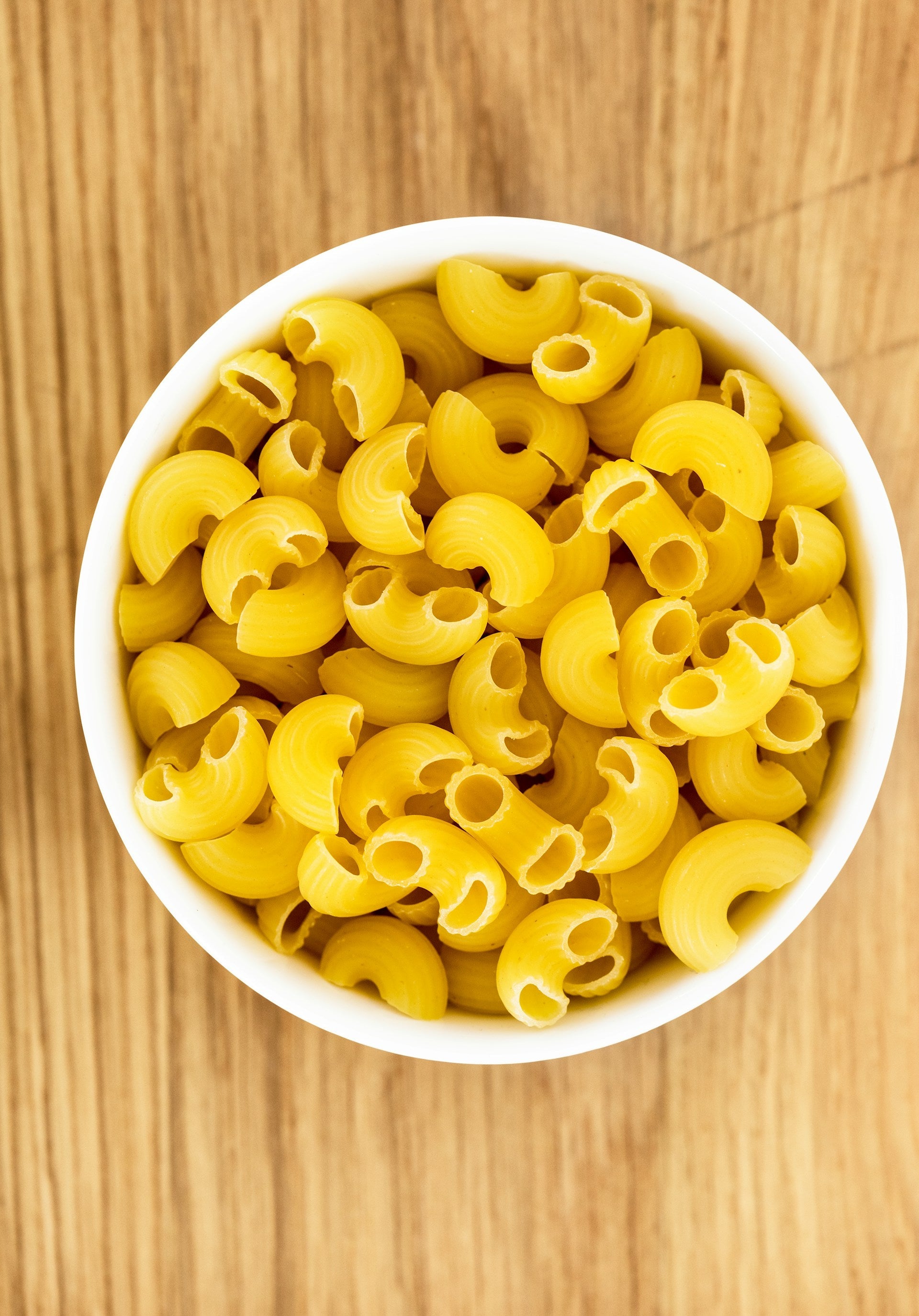
Storing Macaroni Pasta in the Fridge
Maintaining the quality and safety of your macaroni pasta, whether cooked or uncooked, involves proper storage techniques. Here's how you can ensure that your pasta remains delicious and safe to consume over time.
Proper Storage of Cooked Macaroni Pasta
After cooking macaroni pasta, it's crucial to store it correctly to extend its shelf life and maintain its taste. Here are steps for proper storage:
- Allow the pasta to cool down to room temperature before placing it in the fridge. However, avoid leaving it out for longer than two hours to prevent bacterial growth.
- Transfer the cooled pasta to airtight containers or resealable plastic bags. This will help keep out moisture and other contaminants.
- Label the container with the date of storage to keep track of how long the pasta has been in the fridge.
Following these steps can keep your cooked macaroni pasta fresh in the fridge for approximately 3-5 days. For more information on the shelf life of various items in the fridge, you might find these articles useful: how long do mashed potatoes last in the fridge? or how long does french dressing last in the fridge?.
Tips for Storing Uncooked Macaroni Pasta
Uncooked macaroni pasta generally has a much longer shelf life than its cooked counterpart. To make sure your uncooked pasta retains its quality, consider the following tips:
- Keep the pasta in its original packaging until you're ready to use it. Most pasta comes in packaging that is suitable for storage.
- Once opened, transfer any unused pasta to airtight containers or sealable plastic bags to protect it from moisture and pests.
- Store in a cool, dry place, such as a pantry or cupboard, away from any sources of heat or sunlight.
Uncooked macaroni pasta can last for one to two years if stored properly. However, always check the expiration date on the packaging for the best quality. For those interested in the longevity of other types of pasta, consider reading about how long trompetti pasta can be stored in your fridge: how long does trompetti pasta last in the fridge?.
By adhering to these storage guidelines, you can enjoy your macaroni pasta and reduce food waste. Whether you're storing cooked or uncooked pasta, remember that the key to longevity is minimizing exposure to air, moisture, and extreme temperatures.
Shelf Life of Macaroni Pasta in the Fridge
Understanding the shelf life of macaroni pasta, both cooked and uncooked, is essential for maintaining its quality and ensuring food safety. The duration it can last in the refrigerator varies based on its state and the conditions under which it is stored.
How Long Does Cooked Macaroni Pasta Last?
Cooked macaroni pasta can last in the fridge for a certain period before it starts to deteriorate in quality. When stored properly in an airtight container, cooked macaroni pasta usually remains good for consumption for:
| State of Pasta | Shelf Life in Fridge |
|---|---|
| Cooked and plain | 3-5 days |
| Cooked with sauce | 1-2 days |
To maximize its longevity, ensure that the cooked pasta cools down to room temperature before refrigerating it. However, if you've mixed the pasta with sauce, you should refrigerate it within two hours of cooking to prevent bacterial growth. For an in-depth guide on how long do mashed potatoes last in the fridge?, which requires similar storage precautions, you can check out the related article.
How Long Does Uncooked Macaroni Pasta Last?
Uncooked macaroni pasta, due to its dry nature, has a much longer shelf life compared to its cooked counterpart. When kept in a cool, dry place, such as your pantry, it can last for:
| State of Pasta | Shelf Life in Fridge |
|---|---|
| Uncooked and packaged | Up to 2 years |
| Uncooked and opened | 1 year |
However, if you prefer to store your uncooked macaroni pasta in the fridge, which could be the case in particularly warm or humid climates, the shelf life is similar to that of unopened packages. Remember, the key to prolonging its freshness is keeping it away from moisture and heat sources. For comparison on shelf life of other dried pasta, you can read about how long does trompetti pasta last in the fridge?.
By adhering to these guidelines, you can enjoy your macaroni pasta at its best and avoid any food-related hazards. Always pay attention to the storage conditions and use your senses to judge the quality of the pasta before consumption.
Signs of Spoiled Macaroni Pasta
When it comes to macaroni pasta, whether cooked or uncooked, knowing how to identify spoilage is essential for your health and safety. It's important to recognize the signs that indicate your macaroni pasta may no longer be safe to eat.
Identifying Spoilage in Cooked Macaroni Pasta
Cooked macaroni pasta can last in the fridge for a certain period before it starts showing signs of spoilage. You should look for the following indicators that your cooked pasta has gone bad:
- Odor: A sour or off smell is a clear sign that your cooked macaroni pasta has spoiled.
- Appearance: Any visible mold or discoloration, such as green, black, or white spots, should immediately signal that the pasta is no longer safe to consume.
- Texture: If the pasta feels slimy or sticky, it has likely begun to spoil and should not be eaten.
- Taste: Although it's not recommended to taste food that shows any signs of spoilage, a sour or otherwise unpleasant taste can confirm that the pasta has gone bad.
Here's a simple table to help you remember what to look for:
| Sign of Spoilage | Description |
|---|---|
| Odor | Sour or off smell |
| Appearance | Mold or discoloration |
| Texture | Slimy or sticky feel |
| Taste | Sour or unpleasant taste (not recommended to taste) |
If you encounter any of these signs, it's best to discard the pasta to avoid the risk of foodborne illness. For more information on the shelf life of other common fridge items, check out our article on how long do mashed potatoes last in the fridge?
Recognizing Spoilage in Uncooked Macaroni Pasta
Uncooked macaroni pasta typically has a much longer shelf life than its cooked counterpart. However, it can still go bad under certain conditions. Be on the lookout for the following:
- Pests: If you notice any signs of insects or their droppings in the pasta package, it's a clear indication of contamination.
- Odor: While uncooked pasta generally doesn't have a strong scent, any off odors can be a sign of spoilage, especially if it's been exposed to moisture or other contaminants.
- Appearance: Changes in color or signs of mold growth are indicators that your uncooked pasta should be thrown away.
Remember these signs with this table:
| Sign of Spoilage | Description |
|---|---|
| Pests | Insects or droppings in the package |
| Odor | Off odors indicating spoilage |
| Appearance | Changes in color or mold |
Uncooked macaroni pasta is less susceptible to spoilage, but improper storage or exposure to contaminants can still lead to it becoming unsafe to eat. For safe handling practices and how to extend the shelf life of your macaroni pasta, you might want to read about how long does gnocchi pasta last in the fridge?
In both cases, if there's any doubt about the safety of your macaroni pasta, it's better to err on the side of caution and dispose of it. Trusting your senses and following best storage practices will help ensure that you enjoy your pasta dishes safely.
Safe Handling Practices
Ensuring that macaroni pasta remains safe to eat involves more than just keeping it refrigerated. Proper storage and reheating techniques are essential to maintain the quality and safety of your pasta.
Guidelines for Safe Storage
When storing macaroni pasta in the fridge, whether it's cooked or uncooked, certain practices should be followed to prevent contamination and foodborne illnesses:
- Cooked Macaroni Pasta:
- Allow the pasta to cool to room temperature before refrigerating to prevent condensation and bacterial growth.
- Use airtight containers to store the pasta; this keeps out moisture and other contaminants.
- Label the container with the storage date, so you know exactly when it needs to be consumed by.
- Keep the pasta in the coldest part of the fridge, generally at the back, where the temperature is most consistent.
- Uncooked Macaroni Pasta:
- Store in a cool, dry place inside a sealed container to protect it from pests and moisture.
- Ensure your dry storage area is away from any sources of heat or sunlight which can promote deterioration.
By following these storage guidelines, you'll help ensure that your macaroni pasta remains fresh and safe for as long as possible. For other perishable items, you can learn how long they last in your fridge by reading articles such as how long do cooked lentils last in the fridge? or how long does cranberry sauce last in the fridge?.
Tips for Reheating Macaroni Pasta
Reheating macaroni pasta is straightforward, but doing it correctly can make a big difference in taste and safety:
- Reheat only the amount of pasta you plan to eat, instead of reheating the entire portion.
- Use a microwave or stovetop to evenly reheat the pasta. Add a small amount of water or sauce to keep it from drying out.
- Make sure the pasta reaches an internal temperature of 165°F to ensure it is safe to eat.
- Stir the pasta occasionally during reheating to ensure even heat distribution.
- Consume reheated pasta immediately and never reheat it more than once.
For more detailed information on reheating different types of pasta dishes, check out our guide on tips for reheating macaroni pasta.
Remember, proper storage and reheating are crucial for enjoying your macaroni pasta safely. These practices will not only help in maintaining the taste but also ensure that your pasta dishes remain a healthy option for you and your family.
Factors Affecting Shelf Life
Understanding the factors that affect the shelf life of macaroni pasta, both cooked and uncooked, is essential for ensuring its longevity and safety. Temperature and packaging play significant roles in how long your pasta will remain fresh in the fridge.
Impact of Temperature on Macaroni Pasta
The temperature at which macaroni pasta is stored in the fridge can greatly influence its shelf life. Cooked pasta should be refrigerated within two hours of cooking to prevent the growth of harmful bacteria. The ideal temperature for storing cooked macaroni pasta is at or below 40°F (4°C), which is the standard for refrigerators.
| Storage Condition | Recommended Temperature |
|---|---|
| Refrigerator | ≤ 40°F (≤ 4°C) |
| Room Temperature (before refrigeration) | ≤ 2 hours |
For uncooked macaroni pasta, it's important to store it in a cool, dry place where the temperature is consistent. Drastic temperature changes can lead to condensation and moisture, which could spoil the pasta.
Influence of Packaging on Macaroni Pasta's Longevity
Proper packaging is critical in preserving the freshness of macaroni pasta. For cooked pasta, air-tight containers or resealable plastic bags are ideal for preventing exposure to air and moisture, which could lead to spoilage.
| Pasta Type | Packaging Recommendation |
|---|---|
| Cooked Macaroni Pasta | Air-tight containers or resealable plastic bags |
| Uncooked Macaroni Pasta | Original packaging, sealed tightly after opening |
For uncooked pasta, keeping it in its original packaging is usually sufficient. If the original packaging has been opened, transferring the pasta to an air-tight container can help protect it from pests and preserve its quality.
When considering the shelf life of macaroni pasta, remember that these factors are part of a broader understanding of food preservation. For more insights into how long different foods last in the fridge, explore articles such as how long do mashed potatoes last in the fridge? or how long does french dressing last in the fridge?. Being informed about the proper storage conditions for various foods can help you reduce waste and enjoy your meals safely.
Extending the Shelf Life
Extending the shelf life of macaroni pasta, whether cooked or uncooked, can help you maintain the quality of your pasta and ensure that you always have a quick meal option on hand.
Methods to Prolong Macaroni Pasta's Freshness
For cooked macaroni pasta, proper cooling and storage are key to prolonging its freshness. Here are some steps you can take to help extend its shelf life:
- Cooling: Allow your cooked macaroni pasta to cool to room temperature before storing it. Placing hot pasta directly in the fridge can raise the temperature inside your refrigerator and potentially cause other foods to enter the temperature danger zone.
- Storing: Transfer the cooled pasta into airtight containers or resealable plastic bags. Removing as much air as possible before sealing will help prevent the growth of bacteria.
- Refrigerating: Place your sealed pasta in the coolest part of your fridge, typically at the back, away from the door. This helps maintain a consistent temperature, keeping your pasta fresh for longer.
For uncooked macaroni pasta, the key is to protect it from moisture and pests:
- Original Packaging: If unopened, keep the pasta in its original packaging which is designed to protect it from external factors.
- Airtight Containers: Once opened, transfer the pasta to airtight containers to keep out moisture and insects.
- Cool and Dry Place: Store the container in a cool and dry place, such as a pantry or cupboard, away from any heat sources.
Creative Ways to Use Leftover Macaroni Pasta
If you find yourself with leftover macaroni pasta that needs to be used soon, consider these creative dishes:
- Macaroni Salad: Toss chilled macaroni with your choice of dressing, vegetables, and proteins to create a refreshing pasta salad.
- Casserole: Combine macaroni with a cheese sauce, protein, and veggies, top with breadcrumbs, and bake for a hearty meal.
- Stir-fry: Stir-fry macaroni with vegetables, protein, and soy sauce for an Asian-inspired twist on pasta.
- Soup: Add cooked macaroni to your favorite broth-based soup during the last few minutes of cooking for an extra filling dish.
By properly storing and handling your macaroni pasta, you can maximize its shelf life and reduce food waste. For more information on preserving other food items, you can explore our articles on topics such as how long do mashed potatoes last in the fridge? or how long does homemade baby food last in the fridge?. Remember, when in doubt, always check for signs of spoilage before consuming stored foods.
Get Your Upgrade or New Addition at Fridge.com
Whether you're searching for your perfect fridge, freezer, wine fridge, beer fridge, ice maker, or kegerator, we have what you need.
Shop the world's best brands at Fridge.com.
We also have tons of awesome articles about kitchen stuff and home news. Enhance your home, garage, backyard, patio, and office with the coolest essentials. With every necessary type of residential refrigerator or freezer in our collection, we've got you covered.
Elevate your game and shop now at Fridge.com!