How Long Does It Take For Deep Freezer To Get Cold?
Understanding Deep Freezers
What is a Deep Freezer?
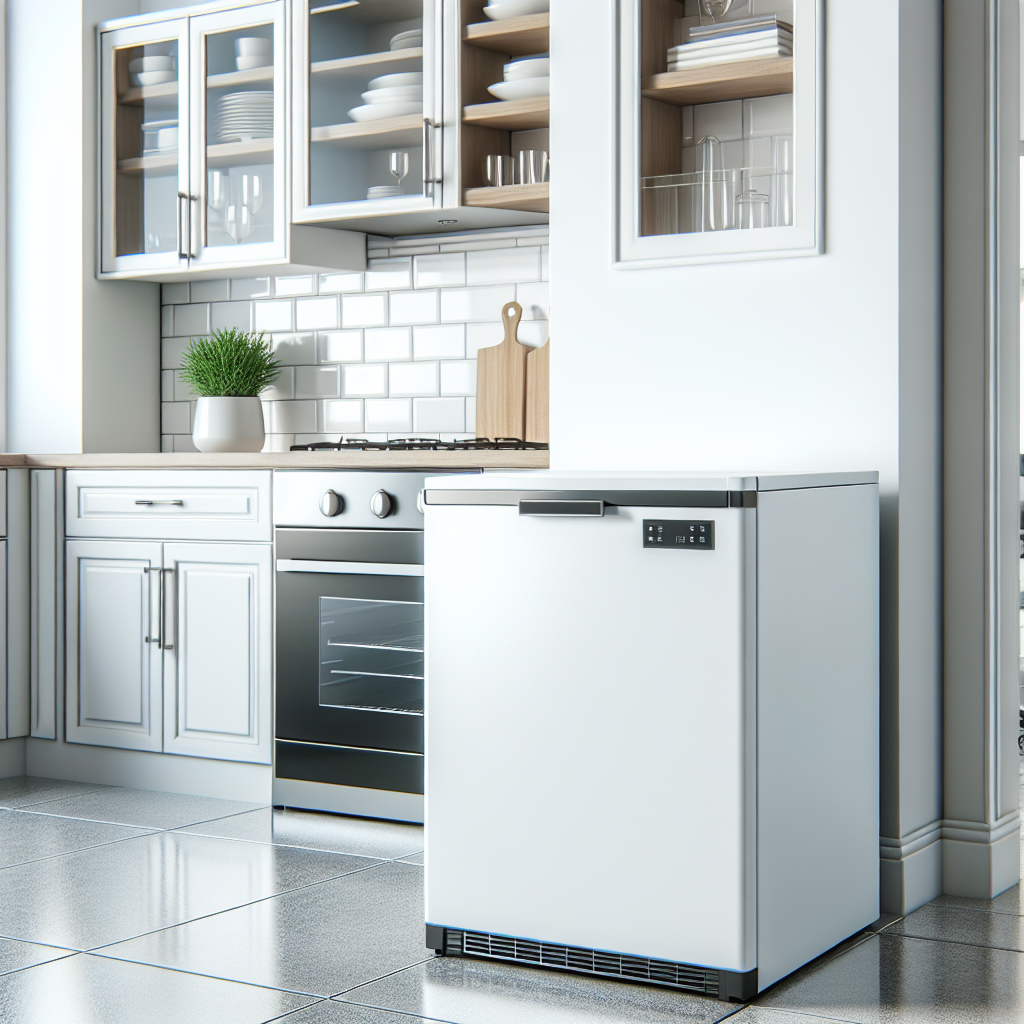
A deep freezer is a large-capacity appliance designed to store frozen foods at extremely low temperatures for extended periods. Unlike standard freezers found in refrigerators, deep freezers offer more space and maintain a consistent temperature, making them ideal for storing bulk items and preserving food quality over time. They come in various sizes and configurations, such as chest freezers and upright freezers, to fit different needs and spaces.
Importance of Proper Cooling
Proper cooling in a deep freezer is crucial for maintaining the quality and safety of stored food. When a deep freezer reaches its optimal temperature, typically around 0°F (-18°C), it effectively slows down the activity of bacteria and enzymes that cause food to spoil. This preservation process ensures that your food remains fresh and safe to eat for an extended period.
Inadequate cooling can lead to uneven freezing, which may result in food spoilage, freezer burn, and loss of nutritional value. Therefore, understanding how long it takes for a deep freezer to get cold and ensuring it reaches and maintains the ideal temperature is essential for optimal performance and food preservation.
For more information on related topics, check out our articles on how long does it take for a new fridge to get cold? and how long does it take for a new fridge to make ice?.
Factors Affecting Cooling Time
When determining how long it takes for a deep freezer to get cold, several factors play a crucial role. These include the size of the deep freezer, ambient temperature, and the initial temperature of the freezer.
Size of the Deep Freezer
The size of your deep freezer significantly impacts its cooling time. Larger freezers have more volume, which means they require more time to cool down compared to smaller models. The larger the freezer, the more energy it needs to reach the optimal freezing temperature.
| Deep Freezer Size | Estimated Cooling Time |
|---|---|
| Small (up to 5 cubic feet) | 4 - 8 hours |
| Medium (5 - 10 cubic feet) | 6 - 12 hours |
| Large (over 10 cubic feet) | 8 - 24 hours |
Ambient Temperature
Ambient temperature is another critical factor. The environment in which the deep freezer operates can affect its efficiency and cooling time. If the freezer is placed in a warm or hot area, it will take longer to cool down. Conversely, a cooler surrounding environment can help the freezer reach its desired temperature more quickly.
| Ambient Temperature | Estimated Cooling Time |
|---|---|
| Below 60°F (15°C) | Faster cooling |
| 60°F - 75°F (15°C - 24°C) | Standard cooling |
| Above 75°F (24°C) | Slower cooling |
Initial Temperature of the Freezer
The initial temperature of the freezer also plays a role in how long it takes to get cold. If the freezer starts from room temperature, it will take longer to cool down compared to a freezer that is already partially cold. Ensuring that the freezer is empty and clean before starting the cooling process can help achieve the desired temperature more efficiently.
| Initial Freezer Temperature | Estimated Cooling Time |
|---|---|
| Room Temperature (68°F / 20°C) | 8 - 24 hours |
| Partially Cold (40°F / 4°C) | 4 - 12 hours |
Understanding these factors can help you better estimate how long it will take for your deep freezer to get cold. For more information on related topics, you might find these articles helpful:
- how long does it take for a mini fridge to defrost?
- how long does it take for a new fridge to get cold?
- how long does it take for ice to freeze in freezer?
Initial Cooling Period
First Few Hours
When you first plug in your deep freezer, the initial cooling period is crucial. During the first few hours, the freezer will work hard to bring the internal temperature down to the desired level. It typically takes around 4 to 6 hours for the deep freezer to start getting cold. However, this can vary based on factors like the size of the deep freezer and the ambient temperature.
| Time Elapsed | Temperature (°F) |
|---|---|
| 1 Hour | 50 |
| 2 Hours | 40 |
| 4 Hours | 30 |
| 6 Hours | 20 |
| 8 Hours | 10 |
| 12 Hours | 0 |
During this period, it's essential to avoid opening the freezer door frequently, as this can let warm air in and disrupt the cooling process.
Monitoring Temperature Changes
Monitoring the temperature changes in your deep freezer is crucial to ensure it reaches the optimal temperature efficiently. You can use a thermometer to track the internal temperature at regular intervals. Place the thermometer in the center of the freezer for accurate readings.
Regular monitoring helps you ensure that the freezer is cooling properly and reaching the desired temperatures. If you notice significant delays or issues, it might be a sign that your unit needs maintenance or there's a problem that requires professional attention. For more information on potential issues, check out our section on troubleshooting slow cooling.
Keeping an eye on the temperature changes helps you understand how long it takes for your deep freezer to get cold and ensures that your food remains safe and well-preserved. If you need tips on maintaining your deep freezer for optimal performance, refer to our section on maintenance for optimal performance.
Average Cooling Time
Typical Timeframe
When you first plug in a deep freezer, the average time it takes to reach the optimal freezing temperature can vary. Generally, a deep freezer will take about 4 to 12 hours to get cold enough to store food safely. However, this can depend on several factors including the model and size of the freezer, as well as external conditions.
| Deep Freezer Size | Average Cooling Time |
|---|---|
| Small (up to 5 cu ft) | 4 - 6 hours |
| Medium (5 - 10 cu ft) | 6 - 8 hours |
| Large (10+ cu ft) | 8 - 12 hours |
Variations Based on Conditions
The cooling time for a deep freezer can fluctuate based on various conditions. Ambient temperature, initial temperature of the freezer, and how often the door is opened can all impact the time it takes for the freezer to get cold.
Ambient Temperature:
- A higher room temperature can slow down the cooling process.
- A cooler room can facilitate faster cooling.
Initial Temperature:
- If the freezer starts off at room temperature, it will take longer to reach the optimal temperature.
- If the freezer is already cold, the cooling process will be quicker.
Door Opening Frequency:
- Repeatedly opening the door can cause the internal temperature to rise, lengthening the cooling time.
- Keeping the door closed will help maintain a consistent temperature.
For more information on related topics, you may also be interested in our articles on how long does it take for refrigerator to get cold? and how long does it take to freeze water in a freezer?. Understanding these factors can help you ensure your deep freezer reaches the optimal temperature efficiently.
Optimal Temperature Reached
Achieving the optimal temperature in your deep freezer is essential for preserving the quality of your food. Below, we discuss how to reach the ideal freezing temperature and ensure your deep freezer functions properly.
Reaching the Ideal Freezing Temperature
The ideal temperature for a deep freezer is 0°F (-18°C). This temperature ensures that your food remains frozen and safe for long-term storage. It typically takes between 6 to 24 hours for a deep freezer to reach this temperature, depending on various factors such as size, ambient temperature, and initial temperature of the freezer.
| Factor | Time to Reach 0°F |
|---|---|
| Small Deep Freezer (5-7 cu ft) | 6-12 hours |
| Medium Deep Freezer (8-14 cu ft) | 12-18 hours |
| Large Deep Freezer (15+ cu ft) | 18-24 hours |
Monitoring the temperature with a reliable freezer thermometer can help you track progress. Make sure to place the thermometer in the center of the freezer for the most accurate reading.
Ensuring Proper Functioning
To ensure your deep freezer maintains the optimal temperature, follow these guidelines:
Placement: Position the freezer in a cool, dry place away from direct sunlight and heat sources. This helps the freezer operate more efficiently.
Loading: Avoid overloading the freezer, as this can obstruct airflow and hinder cooling. Leave space between items for better circulation.
Maintenance: Regularly clean the condenser coils and check the door seal for leaks. A well-maintained freezer operates more effectively and maintains the desired temperature.
For more tips on efficient cooling, visit our article on how long does it take for ice to freeze in freezer.
By following these steps, you can ensure that your deep freezer reaches and maintains the optimal freezing temperature, keeping your food safe and preserved for extended periods. If you encounter any issues, you might want to explore our troubleshooting guide on how long does it take to defrost a upright freezer.
Tips for Efficient Cooling
To ensure your deep freezer cools efficiently and reaches the optimal temperature quickly, consider the following tips regarding placement, loading, and maintenance.
Placement of the Deep Freezer
Proper placement of your deep freezer is crucial for efficient cooling. Here are some guidelines to follow:
- Location: Place the freezer in a cool, well-ventilated area away from direct sunlight and heat sources such as ovens or radiators.
- Space: Ensure there is enough space around the freezer for air circulation. A minimum of 2-3 inches of space on all sides is recommended.
- Surface: Position the freezer on a level surface to ensure even cooling and proper door sealing.
Loading Considerations
How you load your deep freezer can significantly impact its cooling efficiency. Follow these loading tips:
- Initial Loading: When starting a new freezer, avoid overloading it with warm items. Gradually add items to allow the freezer to stabilize its temperature.
- Organization: Arrange items in a way that allows for proper air circulation. Avoid blocking the vents inside the freezer.
- Spacing: Leave some gaps between items to ensure cold air can circulate freely around them.
Maintenance for Optimal Performance
Regular maintenance is essential to keep your deep freezer running efficiently. Here are some maintenance tips:
- Defrosting: Regularly defrost the freezer if it is not frost-free. Excessive frost buildup can hinder cooling efficiency. For more information on defrosting, check our article on how long does it take to defrost a upright freezer?.
- Cleaning: Clean the freezer regularly to remove dust and debris from the coils and vents. This helps maintain proper airflow and cooling performance.
- Seals: Inspect the door seals to ensure they are clean and intact. Damaged seals can lead to air leaks and reduced cooling efficiency.
By following these tips, you can ensure your deep freezer cools efficiently and maintains optimal performance. For more related topics, you can read about how long does it take for a new fridge to get cold? and how long does it take water to freeze in a freezer?.
Troubleshooting Slow Cooling
If your deep freezer is taking longer than expected to get cold, it may be due to a variety of factors. Here are some potential issues and when to seek professional help.
Potential Issues
- Blocked Vents: Ensure that the air vents inside the freezer are not blocked by food items. Proper airflow is essential for efficient cooling.
- Dirty Condenser Coils: Over time, dust and debris can accumulate on the condenser coils, reducing their efficiency. Cleaning the coils can help improve cooling performance.
- Faulty Thermostat: A malfunctioning thermostat may fail to regulate the temperature correctly. Consider checking and, if needed, replacing the thermostat.
- Inadequate Sealing: Check the door seals for any gaps or damages. Poor sealing can lead to air leakage, making it harder for the freezer to maintain the desired temperature.
- Overloading: Overloading your freezer can impede airflow and affect cooling efficiency. Make sure not to cram too many items inside.
| Issue | Potential Solution |
|---|---|
| Blocked Vents | Rearrange items to clear vents |
| Dirty Condenser Coils | Clean the coils |
| Faulty Thermostat | Check/replace thermostat |
| Inadequate Sealing | Inspect and repair seals |
| Overloading | Reduce the number of items inside |
For more tips on maintaining optimal performance, you can refer to our article on maintenance for optimal performance.
When to Seek Professional Help
If the above troubleshooting steps do not resolve the issue, it may be time to seek professional assistance. Here are some scenarios where a professional's expertise is required:
- Persistent Temperature Issues: If your freezer continues to have trouble reaching and maintaining the optimal temperature, even after addressing potential issues, a technician can diagnose and fix the problem.
- Strange Noises: Unusual sounds like clicking, buzzing, or humming may indicate mechanical issues that need professional attention.
- Electrical Problems: If you notice any electrical issues, such as the freezer tripping the circuit breaker or not powering on, it's best to consult an expert.
- Coolant Leaks: If you suspect a refrigerant leak, this is a complex issue that requires professional repair.
For more information on troubleshooting and maintenance, check out our related articles on how long does it take for a new fridge to get cold? and how long does it take for refrigerator to make ice?.
By understanding potential issues and knowing when to seek professional help, you can ensure that your deep freezer operates efficiently and effectively.
Get Your Upgrade or New Addition at Fridge.com
Whether you're searching for your perfect fridge, freezer, wine fridge, beer fridge, ice maker, or kegerator, we have what you need.
Shop the world's best brands at Fridge.com.
We also have tons of awesome articles about kitchen stuff and home news. Enhance your home, garage, backyard, patio, and office with the coolest essentials. With every necessary type of residential refrigerator or freezer in our collection, we've got you covered.
Elevate your game and shop now at Fridge.com!