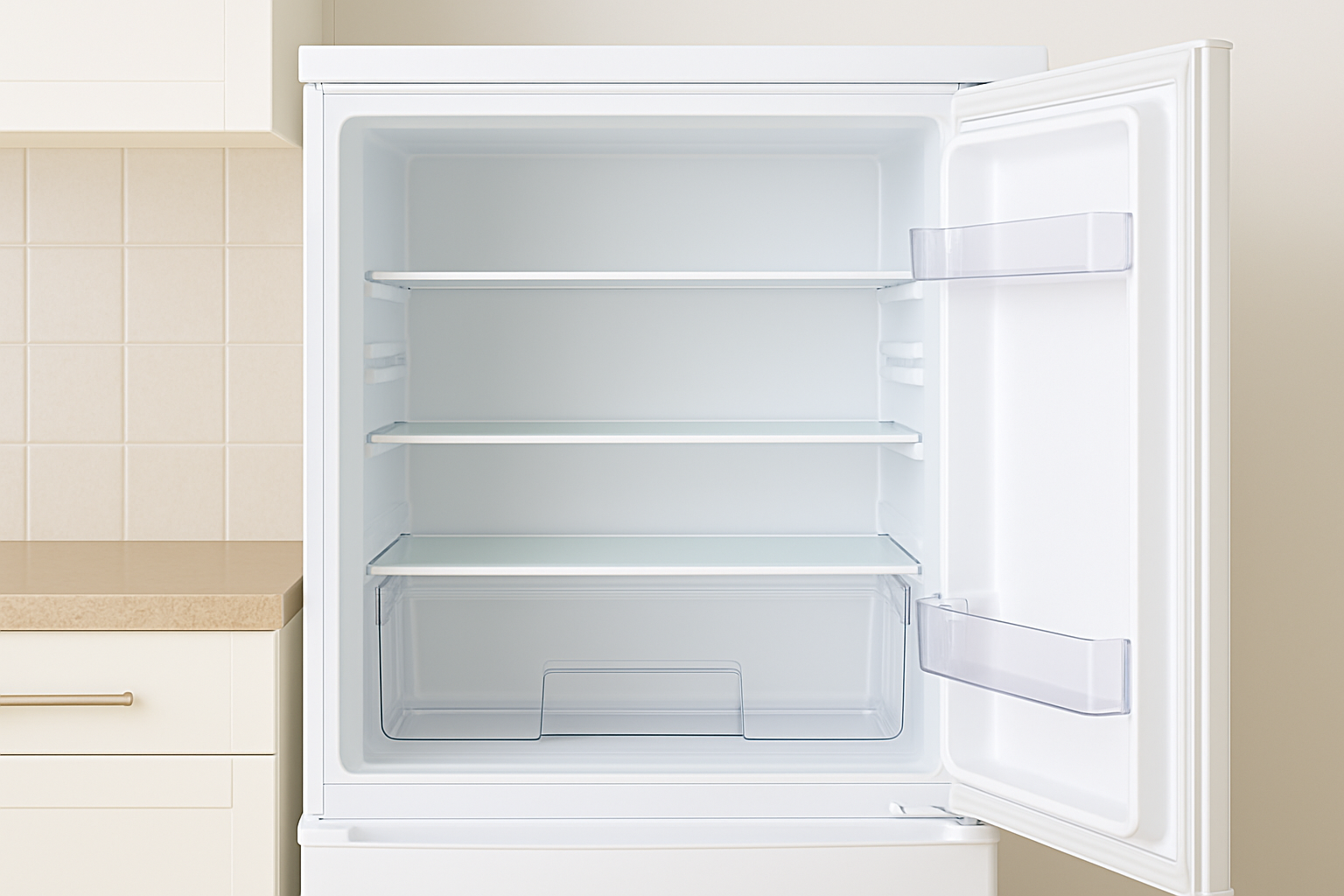
Understanding Refrigerator Cooling Process
How Does a Fridge Maintain Cold Temperatures?
Let's talk about how your fridge keeps your snacks frosty. It all revolves around moving heat out of the fridge to keep things chill inside. The process relies on a special coolant, working its magic through coils in and out of the fridge. Here's how it all goes down:
- Compression: The refrigerant gets squeezed, heating up and raising the pressure.
- Condensation: As it travels through coils, it cools off, dumping the heat into the air outside, and becomes liquid.
- Expansion: This liquid then heads into the evaporator coils inside your fridge and cools by expanding.
- Evaporation: It gulps down the heat from the fridge's interior, dropping the air temp inside.
- Cycle Repeats: The refrigerant turns back to gas and heads back to the start for another ride.
This ongoing loop keeps everything fresh, vital for safe food storage.
Impact of Leaving the Fridge Open
Leave the fridge door open? Oh boy, you're inviting warm air in and making your fridge work overtime. The inside gets warmer, raising the temperature and forcing your fridge to hustle to cool things back down, which means it takes longer to chill your goods again.
How much this matters depends on a few things—how long you relax with the fridge door open and how packed the fridge is. To give you an idea, here’s a quick look at what happens when the door stays ajar:
| How Long Left Open? | Temperature Hike (°F) |
|---|---|
| 5 Minutes | +5°F |
| 10 Minutes | +10°F |
| 30 Minutes | +20°F |
| 1 Hour | +30°F |
Once you finally shut the door, your fridge will be battling to cool off. If you want a sense for how long it might take to get back to the ideal coldness, keep reading for what affects cooling times down below.
Knowing these tricks helps you treat your fridge right and keep your food safe. And if you’ve ever wondered about food safety when the fridge’s been left open, check out our handy guide on safety precautions after fridge left open.
Factors Affecting Cooling Time
Ever left your fridge open and wondered, how long it'll take to chill out? Well, several things play a part in how fast it gets back to business. Knowing the ins and outs can save you some guessing and keep your food fresher.
Initial Temperature Inside the Fridge
Where your fridge starts temperature-wise is a biggie. A fridge that was already chill is gonna cool down quicker than one that's warming up. Here's how long you might be looking at, depending on that kick-off temp:
| Initial Temperature | Estimated Cooling Time (Hours) |
|---|---|
| Below 32°F | 1 - 2 |
| 32°F - 40°F | 2 - 4 |
| 40°F - 50°F | 4 - 6 |
| Above 50°F | 6+ |
Amount of Food and Beverages Inside
What you've got stuffed in your fridge matters, too. A packed fridge holds onto the cold more, thanks to all that food acting like mini ice packs. But, load in a bunch of warm stuff, and it could get a little laggy. Here's a peek at how different amounts of munchies affect cool-down:
| Load Level | Normal Load | Heavy Load |
|---|---|---|
| Empty | Quick recovery | N/A |
| 50% Full | Moderate recovery (2 - 4 hours) | A lot slower (4 - 6 hours) |
| Full | Kind of sluggish (4 - 6 hours) | Turtle speed (6+ hours) |
Fridge Model and Efficiency
Not all fridges are created equal. Depending on the make and how swanky it is, your fridge's efficiency can shave off some chilling time. Those energy-efficient ones with snazzy features like top-notch insulation usually win the cooling race. Plus, old and trusty might mean just that—old and slow.
| Fridge Type | Estimated Recover Time Comparison |
|---|---|
| Energy-Efficient Model | Usually less than 3 hours |
| Standard Model | Around 4 - 6 hours |
| Older Model | 6+ hours |
These little nuggets of knowledge can help you predict what happens when that door gets left ajar. Armed with this, you can keep things running smooth in your kitchen. Want to dive deeper into the cool world of fridges and their power games? Check out more of our tips floating around here.
Estimating the Time for Recovery
If you ever left the fridge open when you shouldn't have, you're probably wondering how fast it's gonna chill back down again. Let’s get to it!
Typical Cooling Time After Being Left Open
How quickly your fridge cools off depends on a few things. Usually, it could take anywhere from half an hour to a few hours for the fridge to get back to being cool. Check out this quick table for what to expect based on common stuff that affects this.
| Factors | Cooling Time Estimate |
|---|---|
| Room Temperature (65°F) | 30 min to 1 hr |
| Room Temperature (75°F) | 1 to 2 hrs |
| Room Temperature (85°F) | 2 to 4 hrs |
| Amount of Food Inside | More food means it takes longer |
| Fridge Efficiency | More efficient means faster chill |
Remember, if you've got your fridge packed to the brim, it's gonna take its sweet time cooling down.
Signs That Your Fridge Has Cooled Down
To know if your fridge is back in the chill zone, keep an eye out for these signs:
Temperature Display: If your fridge got one of those digital displays, it'll let you know when it's back to its happy temperature spot—usually between 32°F and 40°F.
Cool Air: Open that door and see if you can feel some properly frosty air coming out of the vents.
Condensation: Seeing some condensation on the shelves? It means things are getting back to normal.
Food Temperature: Grab a drink or some dairy and see if they feel cool again—good sign that things are headed in the right direction.
Wanna know more about keeping your food safe when this happens? Check out our tips on what to do when the fridge gets left open.
Preventing Food Spoilage
Safety Precautions After Fridge Left Open
When you find your fridge ajar, it's time for quick action to rescue your food from going bad. Here's a game plan for you:
- Shut It: First things first, close that fridge door tight to get it back to chill mode.
- Get a Read: If you've got a thermometer handy, check how warm it's gotten inside. Safe zone is below 40°F (4°C).
- Trash the Risky Stuff: Perishables like milk, meats, and leftovers that have warmed up past 40°F for more than two hours? Toss 'em to keep nasty illnesses at bay.
- Chill What's Safe: Food items still in the safe temp range? Organize 'em back neatly for quick and effective cooling.
Want more scoop on this? Check out our write-up on the total time it takes for your fridge to cool after being left open.
Checking Food Quality Post Incident
Once you’ve closed the fridge and it starts to do its thing again, it’s time to see if your food survived the heat wave. Here’s how:
| Food Type | Should It Stay or Go? | Quick Tips |
|---|---|---|
| Dairy Products | Out if over 2 hrs | Bacteria's playground; better safe than sorry! |
| Meat and Poultry | Toss if over 2 hrs | They're fast to spoil and make trouble. |
| Cooked Foods | Bye-bye if over 2 hrs | High temps let nasty bacteria party. |
| Fruits & Veggies | Mostly okay | Just peek for spoilage signs and go with your gut. |
| Condiments | Still good | Safe unless they’ve got dairy or meat swimming in 'em. |
Keep an eye on texture, color, and smell when giving your food the once-over. If it looks funky or you're just not sure, chuck it—no meal is worth a sick day.
Following these simple steps will help you keep your food stash safe and cut down on waste. Need more nifty fridge tips? Swing by our articles on efficiency tips for your fridge and resetting the fridge filter status like a pro.
Energy Efficiency and Maintenance
Energy Consumption During Recovery
Leave your fridge door open, and it guzzles more power to cool things down again. This drain on your wallet can differ based on the fridge model, the time the door was open, and even the outside temperature. Here's some rough data you might find helpful:
| Scenario | Estimated Energy Use (kWh) |
|---|---|
| Door open 30 minutes | 0.2 - 0.5 |
| Door open 1 hour | 0.5 - 0.7 |
| Door open 2 hours | 0.7 - 1.0 |
| Door open more than 2 hours | 1.0 - 2.0 |
Keeping an eye on this extra juice helps manage those pesky electric bills. Plus, the longer the door stays open, the closer you get to spoiled food – a situation best avoided. For the scoop on how long it takes to chill things down again, see our article on fridge cooldown times.
Tips for Maintaining Fridge Efficiency
Want your fridge running smoothly and bouncing back quickly after an accidental open-door incident? Here's the low-down:
- Close the Door: No brainer, right? Make sure that fridge door’s shut tight to keep things chilly.
- Organize Your Food: A tidy fridge means better air circulation—so pop your go-tos up front where you can snag them easily.
- Check the Temps: Room temperature isn't just about your HVAC—use a thermometer in your fridge too. Aim for 32°F to 40°F.
- Inspect Seals: Worn-out seals let the cool air leak out. Check them regularly, and swap out any dodgy ones.
- Avoid Heat: Don't park the fridge next to your oven or other heat sources—it’ll just make it work harder.
- Routine Maintenance: Dust off those coils at the back or beneath your fridge a couple of times a year to keep it ticking along.
Stick to these suggestions, and you'll have an efficient fridge that keeps your energy costs down and sticks around longer. For more handy tips on fridge care or if you're on the hunt for a new model, check out our piece on the best freezer for your space or browse our garage refrigerator options.