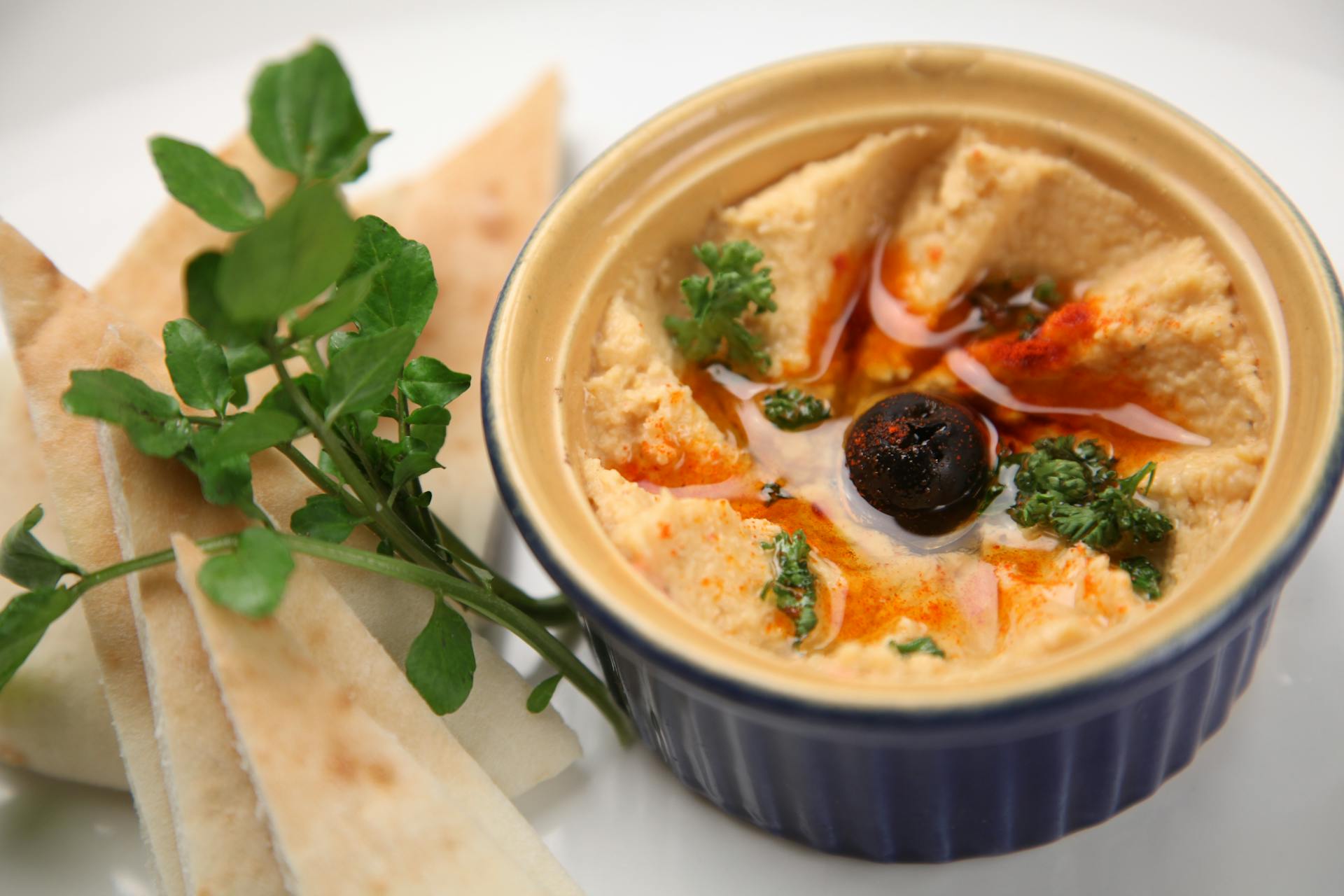
Storing Hummus in the Fridge
When it comes to preserving the freshness and flavor of hummus, storing it properly in the refrigerator is key. This section will cover the importance of proper storage and the factors that affect the shelf life of hummus.
Importance of Proper Storage
Storing your hummus correctly in the fridge is not just about keeping it edible for as long as possible; it's also about maintaining its nutritional quality and taste. Proper storage can prevent the growth of bacteria and other microorganisms that can cause foodborne illnesses. Additionally, it helps to retain the creamy texture and rich flavors that make hummus such a beloved spread.
Factors Affecting Hummus Shelf Life
Several factors influence how long hummus will last in your fridge:
- Packaging: Airtight containers can extend the lifespan of hummus by reducing exposure to air and contaminants.
- Temperature: The refrigerator temperature should be at or below 40°F (4°C) to slow down the growth of bacteria.
- Ingredients: The composition of the hummus, including preservatives, can impact its durability.
- Exposure to Air: Each time hummus is exposed to air, it increases the risk of spoilage.
- Cross-Contamination: Using the same utensil for multiple food items can introduce bacteria to the hummus.
Here's a quick reference for the factors affecting shelf life:
| Factor | Impact on Shelf Life |
|---|---|
| Packaging | Airtight containers extend shelf life |
| Temperature | Below 40°F (4°C) is ideal |
| Ingredients | Preservatives can prolong freshness |
| Exposure to Air | Increases spoilage risk |
| Cross-Contamination | Can introduce bacteria |
To understand the specifics of how long other items last in your fridge, such as how long does cheese sauce last in the fridge? or how long does dragon fruit juice last in the fridge?, you can explore our comprehensive guides for various food products. Each guide provides insights on how to optimize the storage and longevity of your food items.
Shelf Life of Hummus
Understanding the shelf life of hummus is essential for ensuring that you're enjoying this popular spread at its best quality while avoiding food waste. Whether your hummus is store-bought or homemade, the length of time it can be stored in the fridge varies based on whether it's unopened or opened.
Unopened Hummus
Unopened hummus, which is commercially sealed, typically has a longer shelf life due to the preservatives used and the lack of exposure to air and contaminants. Below is a table showing the general shelf life of unopened hummus when stored in the refrigerator:
| Storage Condition | Approximate Shelf Life |
|---|---|
| Refrigerated (Unopened) | 3 to 4 weeks past the 'use by' date |
It's important to always check the 'use by' or 'best before' date on the packaging for the most accurate estimate of how long your unopened hummus will last. Additionally, storing your unopened hummus at a consistent, cold temperature can help maintain its freshness for as long as possible.
Opened Hummus
Once you open your hummus, the shelf life decreases due to exposure to air, which can introduce bacteria and lead to faster spoilage. Here is a table detailing the expected shelf life of opened hummus when stored properly in the refrigerator:
| Storage Condition | Approximate Shelf Life |
|---|---|
| Refrigerated (Opened) | 4 to 6 days |
To maximize the shelf life of your opened hummus, ensure that you seal it tightly after each use. Refrigeration is crucial, and keeping the hummus at a consistent, cold temperature can help preserve its quality. If you're interested in learning more about safely storing other foods, you might find our articles on how long dragon fruit juice or quinoa last in the fridge helpful.
Remember, these are general guidelines, and the actual shelf life of your hummus may vary. Always trust your senses—if the hummus looks or smells off, it's better to err on the side of caution and discard it. Keep an eye out for any signs of spoilage such as mold, an unusual smell, or a change in texture before consuming hummus that has been stored in the refrigerator.
Signs of Spoiled Hummus
When it comes to enjoying hummus, ensuring its freshness is crucial for both your palate and your health. Here's how you can identify spoiled hummus using visual cues and a smell test.
Visual Cues
First, assess the appearance of your hummus. Fresh hummus typically has a smooth, even color and texture. If you notice any mold growth or discoloration, it's a clear sign that the hummus is no longer safe to eat. Mold can appear in various colors, including white, green, or black, and may present as fuzzy spots or patches.
Additionally, any separation of oil or liquid on the surface, while it can happen naturally to some extent, if excessive, can also indicate spoilage, particularly if the hummus has been stored for a while.
Here's a quick reference table to help you identify visual signs of spoilage:
| Sign | Indication |
|---|---|
| Mold Growth | Unsafe to eat |
| Discoloration | Possible spoilage |
| Excessive Oil Separation | Check for other spoilage signs |
Smell Test
The odor of your hummus can also reveal if it's time to discard it. Fresh hummus has a nutty and slightly tangy aroma. If your hummus emits an off-putting, sour, or rancid smell, it's a strong indicator that the hummus has gone bad. Trust your nose—if something smells unpleasant or not as it should, it's better to err on the side of caution.
Remember, these tests are not foolproof, and when in doubt, it's always safer to discard questionable hummus. Consuming spoiled food can lead to foodborne illnesses, so it's best to avoid taking risks.
For those curious about the longevity of other foods in your fridge, you might be interested in reading how long does chicken soup last in fridge? or discovering the shelf life of various fruits and sauces like how long do papayas last in the fridge? and how long does cacciatore sauce last in the fridge?.
Tips for Prolonging Hummus Freshness
Ensuring your hummus remains fresh for as long as possible involves proper storage techniques. Here are some tips to help extend the life of your hummus and maintain its flavor and texture.
Proper Sealing Techniques
When it comes to hummus, air is the enemy. Exposure to air can lead to spoilage and the development of a dry layer on the surface. To prevent this:
- After each use, smooth the surface of the hummus to remove any air pockets.
- Use airtight containers for storage. If the original packaging is not resealable, transfer the hummus to a container with a tight-fitting lid.
- Consider placing a piece of plastic wrap directly on the surface of the hummus before sealing the container to further minimize air exposure.
- If you've made a large batch, divide it into smaller portions. This way, you only open what you'll consume, keeping the rest sealed and fresh.
By following these sealing techniques, you can help prevent the introduction of bacteria and prolong the shelf life of your hummus.
Refrigeration Tips
Temperature control is vital for keeping hummus fresh. Here are some refrigeration tips:
- Store hummus in the coldest part of your refrigerator, typically at the back, away from the door. This area is less affected by temperature changes from opening and closing the fridge.
- Keep the refrigerator temperature at or below 40°F (4°C), as higher temperatures can accelerate spoilage.
- Avoid placing the hummus container next to items with strong odors, as hummus can absorb these smells.
Remember, while these tips can help extend the freshness of your hummus, they do not make it last indefinitely. Regularly check your hummus for signs of spoilage before consumption. For more insights on the shelf life of other items in your fridge, explore our articles on how long various foods stay fresh, such as how long does cheese sauce last in the fridge? or how long do watermelons last in the fridge?.
Storing Homemade Hummus
Proper storage of homemade hummus is essential to maintaining its freshness and preventing spoilage. By following best practices for refrigeration and considering the option to freeze, you can extend the shelf life of your hummus.
Best Practices
When storing homemade hummus in the fridge, it's important to transfer it into an airtight container. This will help prevent the hummus from absorbing odors and flavors from other foods in your refrigerator. Ensure that the surface of the hummus is smooth and even, and consider drizzling a thin layer of olive oil over the top. The oil can act as a barrier to air exposure, which may help keep the hummus fresh longer.
Here are some additional tips for refrigerating homemade hummus:
- Always use clean utensils when serving hummus to avoid introducing bacteria.
- Keep the refrigerator temperature at or below 40°F (4°C) to slow bacterial growth.
- Consume homemade hummus within 4 to 7 days for optimal freshness and safety.
Freezing Hummus
Freezing homemade hummus is a viable option if you have made a large batch and cannot consume it within a week. While the texture may change slightly upon thawing, frozen hummus is still enjoyable and retains most of its flavor.
To freeze hummus effectively, follow these steps:
- Portion the hummus into serving sizes you will likely use at one time.
- Place the portions into freezer-safe bags or containers, leaving some space for expansion.
- Label the containers with the date you are freezing the hummus.
- Thaw the hummus in the refrigerator overnight when ready to use.
Frozen hummus can last in the freezer for up to 4 months. When you're ready to enjoy your hummus again, you may want to stir it well and add a bit of fresh lemon juice or olive oil to revive its flavor and consistency.
For more information on the shelf life of other homemade foods, check out our articles on how long does cheese sauce last in the fridge? and how long does chicken soup last in fridge?. If you're interested in the longevity of various fruits, how long do watermelons last in the fridge? might be a helpful read. And for those who love sushi and other Asian cuisine, how long does sashimi sushi last in the fridge? provides valuable insights.
Reviving Hummus
How to Refresh Hummus
If you find your hummus has thickened or dried out slightly after storing it in the fridge, there are simple ways to bring back its creamy texture. Begin by stirring your hummus thoroughly, as separation may occur over time. If it's still too thick, you can mix in a small amount of water, olive oil, or lemon juice, adding it teaspoon by teaspoon and stirring until you reach the desired consistency. This not only revives the hummus but can also enhance its flavor.
Creative Uses for Leftover Hummus
Leftover hummus is versatile and can be repurposed in a variety of delicious ways. Here are some creative ideas:
- Spread on Sandwiches or Wraps: Use hummus as a flavorful spread to add depth to your sandwiches or wraps.
- Salad Dressing: Thin out hummus with olive oil and vinegar to create a creamy, tangy salad dressing.
- Pasta Sauce: Combine hummus with pasta water to make a creamy sauce for your pasta dishes.
- Baked Potato Topping: Top a baked potato with hummus instead of sour cream for a protein-rich alternative.
- Vegetable Dip: Mix hummus with herbs and spices to create a dip for raw vegetables.
- Soup Thickener: Stir hummus into soups to thicken the broth and add flavor.
For further inspiration on what to do with your food leftovers and how to store them properly, check out our guides on how long does cheese sauce last in the fridge? and how long do watermelons last in the fridge?.
Experimenting with hummus can help you reduce food waste while enjoying new and exciting flavors. Whether it's a simple refresh or an inventive culinary twist, hummus proves to be a versatile staple that you can easily incorporate into your meals.
FAQs About Hummus Storage
When it comes to storing hummus, whether homemade or store-bought, there are common questions that you might have about its preservation and safety. Below are answers to frequently asked questions related to hummus storage.
Can you freeze hummus?
Yes, you can freeze hummus to extend its shelf life. When properly stored in airtight containers or heavy-duty freezer bags, hummus can be frozen for up to four months. To ensure the best quality, leave some space at the top of the container as hummus will expand when frozen. Thaw it in the refrigerator for several hours or overnight before consuming. Keep in mind that the texture might change slightly after freezing. Stirring the hummus after thawing can help to restore its original consistency.
For more guidance on freezing food items and the impact on their quality, you might find our articles on how long do papaws last in the fridge? or how long does cheese sauce last in the fridge? useful.
Is it safe to eat hummus past its expiration date?
The safety of consuming hummus past its expiration date depends on several factors, such as the preservatives used, how the hummus has been stored, and whether it has been opened. As a general rule, you should not consume hummus past its expiration date, especially if it has been opened. Consuming expired hummus can increase the risk of foodborne illness. Always inspect the hummus for signs of spoilage, such as an off smell or appearance, before deciding to eat it. If in doubt, it is safer to discard the hummus.
For more information on food safety and storage, check out our articles on how long does ravioli pasta last in the fridge? or how long does hot sauce last in the fridge?.
Remember, the keyword 'how long does hummus last in fridge?' is a starting point for understanding the storage life of hummus, but always prioritize food safety and quality in your storage practices.
Get Your Upgrade or New Addition at Fridge.com
Whether you're searching for your perfect fridge, freezer, wine fridge, beer fridge, ice maker, or kegerator, we have what you need.
Shop the world's best brands at Fridge.com.
We also have tons of awesome articles about kitchen stuff and home news. Enhance your home, garage, backyard, patio, and office with the coolest essentials. With every necessary type of residential refrigerator or freezer in our collection, we've got you covered.
Elevate your game and shop now at Fridge.com!