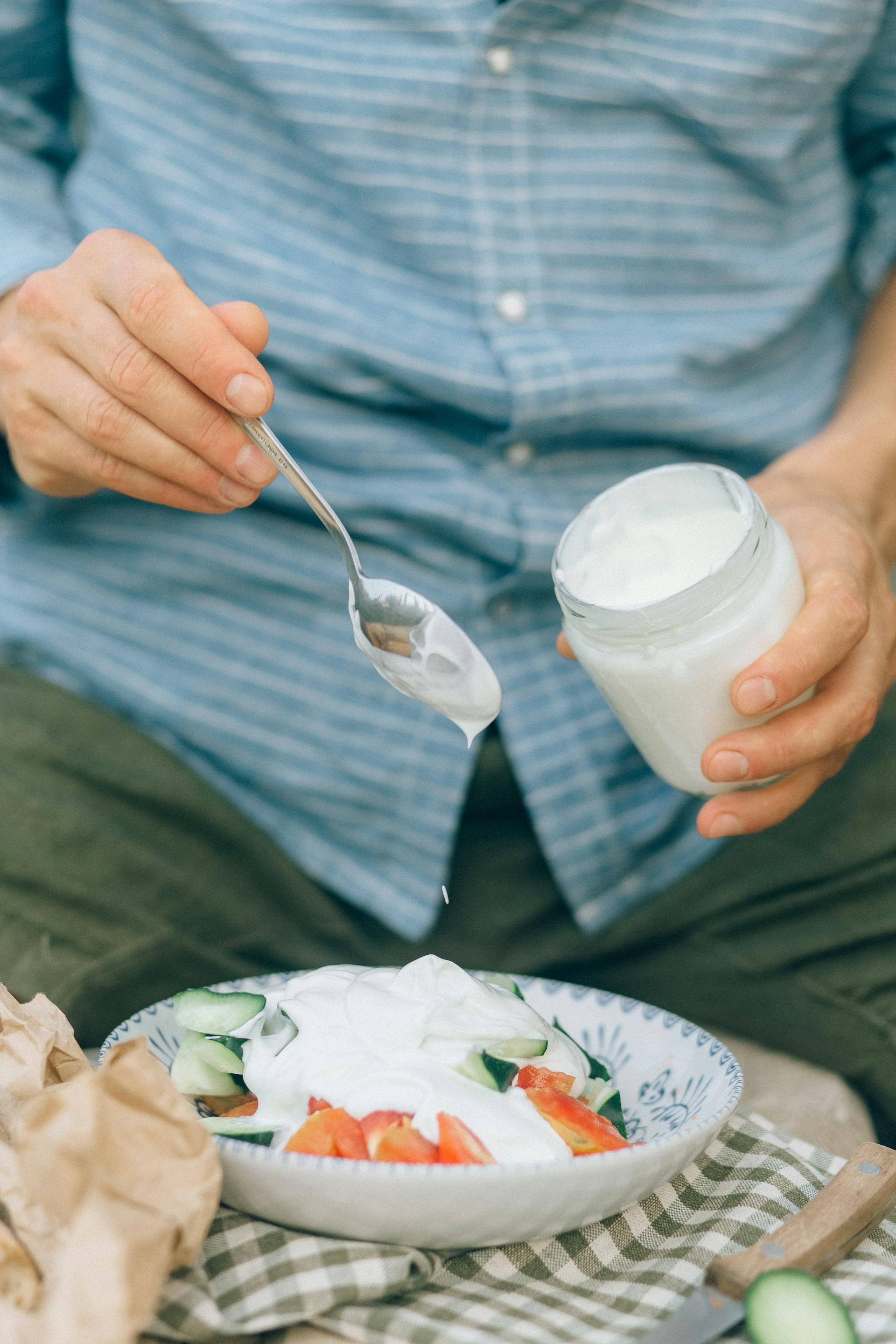
Understanding Shelf Life of Homemade Ranch Dressing
Creating and storing homemade ranch dressing can elevate your meals with a fresh, creamy flavor. Understanding the shelf life of this condiment is crucial to ensure you enjoy it at its best and maintain food safety.
Factors Affecting Shelf Life
The longevity of your homemade ranch dressing in the fridge is influenced by several factors:
- Ingredients Used: Freshness and quality of the ingredients play a significant role. For example, using pasteurized dairy products can extend longevity compared to raw dairy.
- Preparation Environment: A clean, contamination-free environment during the preparation can help prevent the introduction of bacteria which may shorten shelf life.
- pH Level: The acidity in ranch dressing acts as a natural preservative. A lower pH level can help inhibit bacterial growth.
- Temperature Fluctuations: Constant temperature is key. Frequent changes can encourage bacterial growth and spoilage.
Importance of Proper Storage
Storing your homemade ranch dressing correctly is as important as the preparation:
- Airtight Containers: Use containers that seal well to prevent the ingress of air and contaminants.
- Refrigeration: Always store ranch dressing in the fridge. The recommended temperature is below 40°F (4°C) to inhibit bacterial growth.
- Avoid Cross-Contamination: Use clean utensils each time to help extend the shelf life.
- Label and Date: Mark the preparation date on the container to keep track of freshness.
By paying attention to these factors and proper storage methods, you can maximize the enjoyment of your homemade ranch dressing. For additional insights into storing similar items, consider exploring articles on how long does white miso last in the fridge? or how long does sauerkraut last in the refrigerator?, which share comparable storage principles.
Refrigerating Homemade Ranch Dressing
Proper refrigeration is key to preserving the freshness and flavor of homemade ranch dressing. By understanding how to store it and the optimal temperature for preservation, you can extend the life of your dressing, ensuring it remains safe and delicious for consumption.
Storing in the Fridge
When you have whisked together your homemade ranch dressing, it's important to transfer it into an airtight container. This can be a glass jar with a tight-fitting lid or any food-safe storage container with a sealable top. Airtight storage helps to prevent the introduction of bacteria and odors from other foods in the refrigerator.
Once sealed, place your homemade ranch dressing in the main body of the fridge rather than the door, where temperatures can fluctuate more widely. The consistent, cool environment will help maintain the dressing's integrity. Be sure to label the container with the date it was made, so you can keep track of its freshness. If you're interested in making other refrigerated condiments, find out how to make refrigerator pickles?.
Recommended Temperature
The ideal temperature for storing homemade ranch dressing in the refrigerator is at or below 40°F (4°C). This temperature range is critical in slowing down the growth of bacteria and maintaining the quality of your dressing.
| Storage Location | Temperature |
|---|---|
| Fridge | ≤ 40°F (4°C) |
It’s important to note that if the dressing has been left out at room temperature for more than two hours, or one hour if the ambient temperature is above 90°F (32°C), it should be discarded to prevent foodborne illness. Regularly check your fridge's temperature with an appliance thermometer to ensure it's operating at the correct temperature for food safety. For more on refrigeration and safety, explore how long does salad dressing last in the fridge?.
Maintaining the correct temperature and storage conditions will help maximize the shelf-life of your homemade ranch dressing, letting you enjoy it safely over time. Make sure to adhere to these guidelines to keep your homemade concoctions both delicious and safe.
Duration of Freshness
When you've taken the time to create your own ranch dressing from scratch, understanding how long it will maintain its freshness in the refrigerator is key to enjoying it to the last drop.
General Guidelines
Typically, homemade ranch dressing will stay fresh in the refrigerator for about one to two weeks. The precise time frame can vary based on the freshness of the ingredients used and how the dressing is stored. For the most accurate shelf life, consider the expiration dates of the individual components you've used (like dairy products or fresh herbs) and use that as a benchmark.
| Ingredient | Shelf Life |
|---|---|
| Dairy Base (e.g., sour cream, mayonnaise) | 1-2 weeks |
| Fresh Herbs | 5-7 days |
| Lemon Juice or Vinegar | 2-4 weeks |
To maximize freshness, store your homemade ranch in an airtight container and keep it in the coldest part of your refrigerator, typically at the back rather than the door. For more on the best practices for refrigerating food, explore our article on how long does salad dressing last in the fridge?
Signs of Spoilage
It's crucial to recognize the signs that your homemade ranch dressing is past its prime. The key indicators include:
- Odor: If the dressing emits a sour or unpleasant smell, it's a clear signal that it's time to discard it.
- Texture: Any separation or changes in the consistency, like lumpiness or excessive liquid, can indicate spoilage.
- Color: Look out for any discoloration or mold growth, particularly green or black spots.
- Taste: If you're unsure based on the other signs, a small taste can help. However, if the dressing tastes off, it's best to err on the side of caution and throw it away.
Remember, consuming spoiled dressing can lead to foodborne illnesses, so if in doubt, it's safer to discard it. For further information on food safety and spotting spoilage in fermented products, you might be interested in reading about can grape juice ferment in the fridge?
By adhering to these guidelines and keeping an eye out for the signs of spoilage, you can enjoy your homemade ranch dressing with confidence and savor its peak flavor while it lasts.
Extending Shelf Life
Tips for Prolonging Freshness
Prolonging the freshness of your homemade ranch dressing can be achieved by following some practical tips that help maintain its quality and extend its shelf life:
- Airtight Containers: Always store your ranch dressing in an airtight container. This minimizes exposure to air, which can lead to spoilage and flavor loss.
- Cool Temperatures: Keep the dressing in the coldest part of the refrigerator, typically at the back, away from the door, to ensure a stable temperature.
- Minimal Air Exposure: Each time you use the dressing, try to limit the amount of time the container is open to prevent contamination and oxidation.
- Clean Utensils: Use clean utensils when serving or stirring the dressing to avoid introducing bacteria.
- Batch Size: Prepare dressing in smaller batches that you can use within a short period to ensure it remains fresh.
Proper Handling Practices
Proper handling is essential to prevent contamination and extend the shelf life of your homemade ranch dressing:
- Hygiene: Wash your hands thoroughly before preparing or handling the dressing.
- Ingredients: Use fresh ingredients and check the expiration dates before making the dressing.
- Preparation: During preparation, ensure that all utensils, bowls, and surfaces are clean and sanitized.
- Refrigeration: Refrigerate the dressing immediately after preparation to prevent bacterial growth. The recommended temperature for storage is below 40°F (4°C).
- Cross-Contamination: Avoid cross-contamination by keeping the dressing separate from raw foods, especially meats and poultry.
By adhering to these tips and practices, you can help ensure that your homemade ranch dressing remains fresh and enjoyable for as long as possible. For those wondering 'how long does homemade ranch dressing last in the fridge?', a general guideline is up to 1-2 weeks, but always be on the lookout for signs of spoilage. If you're interested in related topics, explore our articles on how long does salad dressing last in the fridge? or can you freeze homemade ranch dressing? for more insightful information.
Freezing Homemade Ranch Dressing
While refrigeration is the common method to store homemade ranch dressing, freezing it can extend its shelf life significantly. However, the process must be handled carefully to maintain the quality and flavor of the dressing.
Freezing Process
To freeze homemade ranch dressing, it's important to use a container that is both freezer-safe and airtight to prevent freezer burn and odor absorption. Leave some space at the top of the container as the dressing may expand when frozen.
Here's a simple step-by-step guide:
- Pour the ranch dressing into a freezer-safe container or a heavy-duty freezer bag.
- If using a container, leave about half an inch of headspace to allow for expansion.
- Seal the container or bag tightly, removing as much air as possible if using a bag.
- Label the container or bag with the current date for future reference.
- Place the dressing in the freezer where it can stay undisturbed until frozen solid.
Keep in mind that freezing may cause ingredients in the ranch dressing to separate due to the presence of dairy. This is normal and can be remedied with thorough stirring after thawing.
For more insights on freezing dairy-based products, you might find our article on can you freeze blue cheese dressing? useful.
Thawing and Reusing
When you're ready to use your frozen ranch dressing, the thawing process is crucial for maintaining its consistency and flavor. Follow these steps:
- Transfer the frozen ranch dressing from the freezer to the refrigerator.
- Allow it to thaw slowly, typically overnight or for at least 12 hours.
- Once thawed, the ingredients may have separated, so stir or whisk the dressing until smooth and well combined.
- If the dressing appears too thick, you can add a small amount of milk or buttermilk to reach the desired consistency.
After thawing, consume the ranch dressing within the same time frame as you would with refrigerated dressing to ensure safety and quality. Should you have concerns about the shelf life of other refrigerated items, consider reading how long does homemade kombucha last in the fridge? or how long does sauerkraut last in the fridge? for comparison.
Remember, while freezing can extend the shelf life, it's always best to enjoy your homemade ranch dressing while it's fresh for the best taste and texture. If you're curious about freezing other types of dressings or condiments, explore our article on can you freeze homemade ranch dressing? for more information.
Safety Considerations
When storing homemade ranch dressing in the refrigerator, safety is a paramount concern. Ensuring the freshness and edibility of your homemade dressing involves following food safety precautions and being aware of potential risks.
Food Safety Precautions
Proper food safety practices begin with cleanliness. Before preparing your homemade ranch dressing, ensure that all utensils, containers, and work surfaces are thoroughly cleaned to prevent contamination. When you're done preparing the dressing, it should be promptly placed in the refrigerator.
The refrigerator should be set to maintain a temperature at or below 40°F (4°C). This temperature range inhibits the growth of harmful bacteria that can cause foodborne illnesses. It's advisable to store the ranch dressing in a sealed container to prevent it from absorbing odors and flavors from other foods in the refrigerator. Also, always use clean utensils when serving the dressing to avoid introducing bacteria into the mixture.
Potential Risks to Watch Out For
Homemade ranch dressing typically contains dairy products such as buttermilk, sour cream, or mayonnaise, all of which can spoil if not stored properly. Spoilage bacteria can grow rapidly if homemade ranch dressing is left at room temperature for too long before refrigeration, or if the refrigerator is not cold enough.
Be vigilant for signs of spoilage, which include:
- An off smell that is sour or rancid
- A change in color, such as yellowing or the presence of mold
- A change in texture, such as becoming lumpy or watery
If you notice any of these signs, it's essential to discard the dressing immediately to prevent foodborne illness. For more on the longevity and preservation of similar food items, explore our articles on how long does salad dressing last in the fridge? and can you freeze homemade ranch dressing?.
Always remember, when in doubt, throw it out. It's better to be safe and discard any food that you suspect might be spoiled rather than risk your health.
Usage and Discard Guidelines
When it comes to enjoying homemade ranch dressing, understanding when it's time to use it or lose it is key for both taste and food safety.
Maximum Storage Time
Your homemade ranch dressing can vary in shelf life depending on the ingredients used and how it's prepared. As a general guideline, it's safe to consume for:
| Freshness Duration | Maximum Storage Time |
|---|---|
| Optimal Freshness | 1 week |
| Acceptable Quality | Up to 2 weeks |
Remember, these figures are not set in stone and you should always use your best judgment when assessing the freshness of your homemade ranch dressing. For more details on shelf life, you might find our article on how long does salad dressing last in the fridge? informative.
When to Discard Homemade Ranch Dressing
It's important to recognize the signs that indicate your ranch dressing is past its prime. Here are a few to watch out for:
- Odor: If the dressing emits an off, tangy smell that doesn't resemble the fresh creamy aroma you're used to, it's time to toss it.
- Appearance: Any signs of mold or an abnormal change in color suggest spoilage.
- Texture: If the consistency is no longer smooth and has become lumpy or separated, it's a signal that the dressing should not be consumed.
- Taste: Should you be uncertain based on the above signs, a small taste test can confirm spoilage. A sour or unusual taste is a clear indicator.
If you observe any of these signs, it's safer to discard the dressing rather than risk foodborne illness. Additionally, if you're ever in doubt about the freshness, it's best to err on the side of caution and dispose of the dressing.
For those curious about preserving dressings for longer periods, freezing is an option, though it may affect the texture and consistency. You can read about freezing similar food items in our article on can you freeze homemade ranch dressing?
Being vigilant about the shelf life and storage of your homemade ranch dressing ensures that you enjoy its flavorful addition to your meals without compromising on taste or safety. Always remember that proper handling and storage are your best defenses against food spoilage.
Get Your Upgrade or New Addition at Fridge.com
Whether you're searching for your perfect fridge, freezer, wine fridge, beer fridge, ice maker, or kegerator, we have what you need.
Shop the world's best brands at Fridge.com.
We also have tons of awesome articles about kitchen stuff and home news. Enhance your home, garage, backyard, patio, and office with the coolest essentials. With every necessary type of residential refrigerator or freezer in our collection, we've got you covered.
Elevate your game and shop now at Fridge.com!