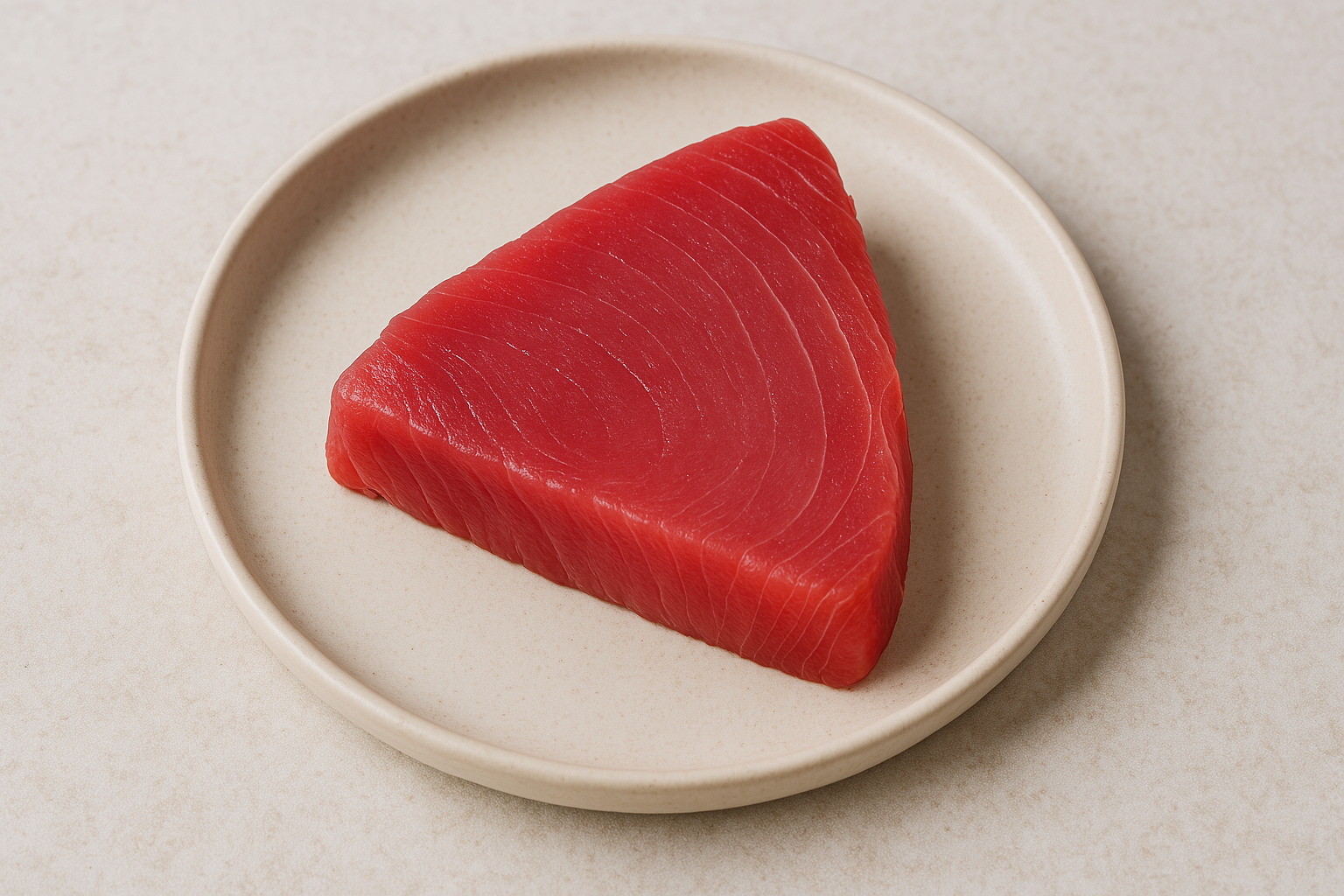
Storing Fresh Tuna in the Fridge
Importance of Proper Storage
Properly storing fresh tuna in the refrigerator is crucial to maintaining its quality and safety. Fresh tuna, like many types of seafood, is highly perishable and can spoil quickly if not handled with care. Ensuring proper storage conditions preserves the texture, flavor, and nutritional value of the tuna while minimizing the risk of foodborne illness.
When you store fresh tuna correctly, you extend its shelf life, giving you more time to enjoy it at its best. The importance of this can't be overstressed; inadequate storage can lead to a rapid decline in quality, potentially ruining the culinary experience and leading to waste.
Factors Affecting Fresh Tuna Shelf Life
Several factors influence how long fresh tuna will last in the fridge, including:
- Temperature: The refrigerator should be set at or below 40°F (4°C), as this temperature range slows bacterial growth and preserves the fish's quality.
- Exposure to Air: Limiting tuna's exposure to air reduces the risk of oxidation and spoilage. Vacuum sealing or tightly wrapping the tuna can help.
- Freshness at Time of Purchase: The shelf life depends on how fresh the tuna was when purchased. Always check for signs of freshness, such as a bright color and firm texture, before buying.
By considering these factors, you can ensure that your fresh tuna stays at an optimal quality for as long as possible. For more information on the longevity of other perishable items in the fridge, explore our articles on how long do african birds eye peppers last in the fridge? and how long does pineapple juice last in the fridge?.
Fresh Tuna Shelf Life
When you bring fresh tuna into your kitchen, understanding how to store it properly ensures that you enjoy its best quality before it spoils. Fresh tuna, like many types of seafood, has a relatively short refrigerator shelf life, which can be influenced by a variety of factors, including its freshness at the time of purchase and how it's stored in your fridge.
Whole Fresh Tuna
Whole fresh tuna can last in the fridge for 1-2 days if it is stored correctly. It's crucial that the fish is kept at a constant, cold temperature. Ideally, the refrigerator should be set below 40°F (4°C) to prevent the growth of bacteria. For the best quality, consume the whole fresh tuna within this time frame.
Fresh Tuna Steaks
Fresh tuna steaks have a similar shelf life to whole fresh tuna. They should be consumed within 1-2 days when stored in the refrigerator. The steaks should be placed in a tightly sealed container or wrapped securely in plastic wrap to prevent any air exposure, which can expedite spoilage.
| Fresh Tuna Type | Shelf Life in the Fridge |
|---|---|
| Whole Fresh Tuna | 1-2 days |
| Fresh Tuna Steaks | 1-2 days |
Fresh Tuna Fillets
Fresh tuna fillets, being more processed and exposed, should ideally be consumed even sooner. They can last in the fridge for up to 2 days. Similar to steaks, they should be stored in a tightly sealed container or wrapped in plastic to prevent exposure to air. If you can't consume the fillets within this time frame, consider freezing them for longer storage.
| Fresh Tuna Type | Shelf Life in the Fridge |
|---|---|
| Fresh Tuna Fillets | 1-2 days |
It's important to note that the key to maximizing the shelf life of fresh tuna in the refrigerator is to store it properly immediately after you get it home. If you're unsure about the freshness of your tuna or when it was caught, always err on the side of caution and consume it sooner rather than later. For more information on the shelf life of other perishables in your fridge, you might be interested in learning how long do African birds eye peppers last in the fridge? or how long does uramaki sushi last in the fridge?, both of which require careful storage considerations similar to fresh tuna.
Signs of Fresh Tuna Spoilage
Recognizing the signs of spoilage is critical when dealing with fresh tuna, as consuming spoiled fish can lead to foodborne illness. Here are some indicators that your fresh tuna may no longer be safe to eat.
Visual Cues
The appearance of fresh tuna is a reliable indicator of its freshness. Fresh tuna should have a vibrant red or pink color. If you observe any dulling of color, browning, or grayish tones, it may indicate that the tuna is past its prime. Also, be on the lookout for any signs of discoloration or milky, slimy residues on the surface of the fish, which are common signs of spoilage.
Smell Test
Fresh tuna has a mild, ocean-like scent. Spoiled tuna, on the other hand, often has a pungent, sour, or ammonia-like odor. If you detect any off-putting or strong fishy smells, it is likely that the tuna is no longer safe for consumption. It's always better to trust your nose; if something smells "off," it's best to err on the side of caution and discard the fish.
Texture Changes
The texture of fresh tuna should be firm to the touch. If the fish feels mushy, sticky, or excessively soft, these are all warning signs that the tuna has begun to spoil. When pressing the flesh with your finger, it should spring back rather than leave an indentation.
By being aware of these spoilage indicators, you can ensure that you consume your fresh tuna when it's at its best and avoid potential health risks. Additionally, understanding how long fresh tuna lasts in the fridge can help you plan your meals accordingly. For more information on the shelf life of various food items and how to store them properly, explore our articles on topics such as how long does tuna salad last in the refrigerator? and how long does spicy tuna roll sushi last in the fridge?.
Extending Fresh Tuna's Shelf Life
Proper Packaging
To extend the shelf life of your fresh tuna in the fridge, proper packaging is paramount. When storing fresh tuna, it is recommended to wrap it tightly to reduce its exposure to air, which can accelerate spoilage. You can use plastic wrap, aluminum foil, or place the tuna in an airtight container. If you have a vacuum sealer, this is an excellent option to remove air and seal the freshness in.
| Storage Method | Expected Shelf Life Extension |
|---|---|
| Plastic Wrap | 1-2 Days |
| Airtight Container | 2-3 Days |
| Vacuum Sealed | 3-5 Days |
Temperature Control
Maintaining the correct temperature in your refrigerator is critical for preserving fresh tuna. The ideal temperature for storing fresh tuna is at or below 32 degrees Fahrenheit (0 degrees Celsius). Any temperature above this can result in a shortened shelf life and increased risk of bacterial growth.
To ensure your fridge is at the correct temperature, use a refrigerator thermometer and adjust the settings as needed. Additionally, store the tuna in the coldest part of the refrigerator, usually at the back of the bottom shelf, away from the door where temperature fluctuations are more common.
Avoiding Cross-Contamination
Cross-contamination can occur when fresh tuna comes into contact with other foods, especially raw meats, that may contain bacteria or other contaminants. To prevent this, store your fresh tuna separately from other food items, particularly those that will not be cooked before consumption.
Use dedicated sections of your refrigerator for different food types and always place fresh tuna on a plate or tray to catch any juices that may leak, preventing them from spreading to other foods.
| Preventative Measure | Benefit |
|---|---|
| Dedicated Storage Area | Reduces Risk of Bacterial Transfer |
| Tray or Plate Underneath | Contains Leaks and Drips |
By following these guidelines on proper packaging, temperature control, and avoiding cross-contamination, you can significantly extend the freshness and shelf life of your tuna in the refrigerator. For more insights on keeping other food items fresh, explore articles on the shelf life of how long does taro last in the fridge? or how long does spicy tuna roll sushi last in the fridge?.
Tips for Handling Fresh Tuna
Proper handling of fresh tuna is crucial for preserving its quality and extending its shelf life. Whether you're preparing a meal or storing leftovers, these tips will ensure that your fish remains as fresh as possible.
Thawing Fresh Tuna
If your tuna is frozen, thawing it correctly is the first step towards a delicious meal. To thaw fresh tuna, transfer it from the freezer to the refrigerator and let it thaw gradually. This process can take several hours, depending on the size and thickness of the fish, so plan ahead.
| Tuna Size | Approximate Thawing Time (Refrigerator) |
|---|---|
| Small Fillets (up to 1 lb) | 12 hours |
| Large Fillets or Steaks (1-3 lbs) | 24 hours |
Avoid thawing tuna at room temperature or using hot water, as these methods can lead to bacterial growth. For a quicker thawing method, you can submerge the tuna in cold water, ensuring that it's in a leak-proof package. Change the water every 30 minutes until the fish is thawed. Learn more about how long does fresh tuna last in the fridge?
Cooking Fresh Tuna
When cooking fresh tuna, it's important to reach the right internal temperature to ensure it's safe to eat while still retaining its moisture and flavor. The ideal cooking temperature for fresh tuna is between 125°F to 130°F, which will yield a medium-rare finish that many tuna enthusiasts prefer.
| Cooking Method | Internal Temperature | Estimated Cooking Time |
|---|---|---|
| Grilling | 125°F - 130°F | 1-2 minutes per side |
| Pan-searing | 125°F - 130°F | 1-2 minutes per side |
| Baking | 145°F (fully cooked) | 10-15 minutes at 400°F |
Always use a meat thermometer to check the internal temperature of your tuna to avoid overcooking.
Storing Leftover Cooked Tuna
Properly storing leftover cooked tuna can help maintain its quality and prevent foodborne illness. Once the tuna has cooled to room temperature, transfer it to an airtight container and refrigerate.
| Storage Method | Shelf Life |
|---|---|
| Refrigerator (40°F or below) | 3-4 days |
For best results, consume leftover cooked tuna within the recommended time frame. If you wish to keep the leftovers for a longer period, you can freeze them in airtight containers or freezer bags.
| Storage Method | Shelf Life |
|---|---|
| Freezer (0°F or below) | 2-3 months |
When you're ready to eat the frozen tuna, thaw it in the refrigerator and reheat it to an internal temperature of 145°F. For more insights on safely storing various foods, explore our articles on how long does pudding last in the fridge? or how long does tuna salad last in the refrigerator?.
Get Your Upgrade or New Addition at Fridge.com
Whether you're searching for your perfect fridge, freezer, wine fridge, beer fridge, ice maker, or kegerator, we have what you need.
Shop the world's best brands at Fridge.com.
We also have tons of awesome articles about kitchen stuff and home news. Enhance your home, garage, backyard, patio, and office with the coolest essentials. With every necessary type of residential refrigerator or freezer in our collection, we've got you covered.
Elevate your game and shop now at Fridge.com!