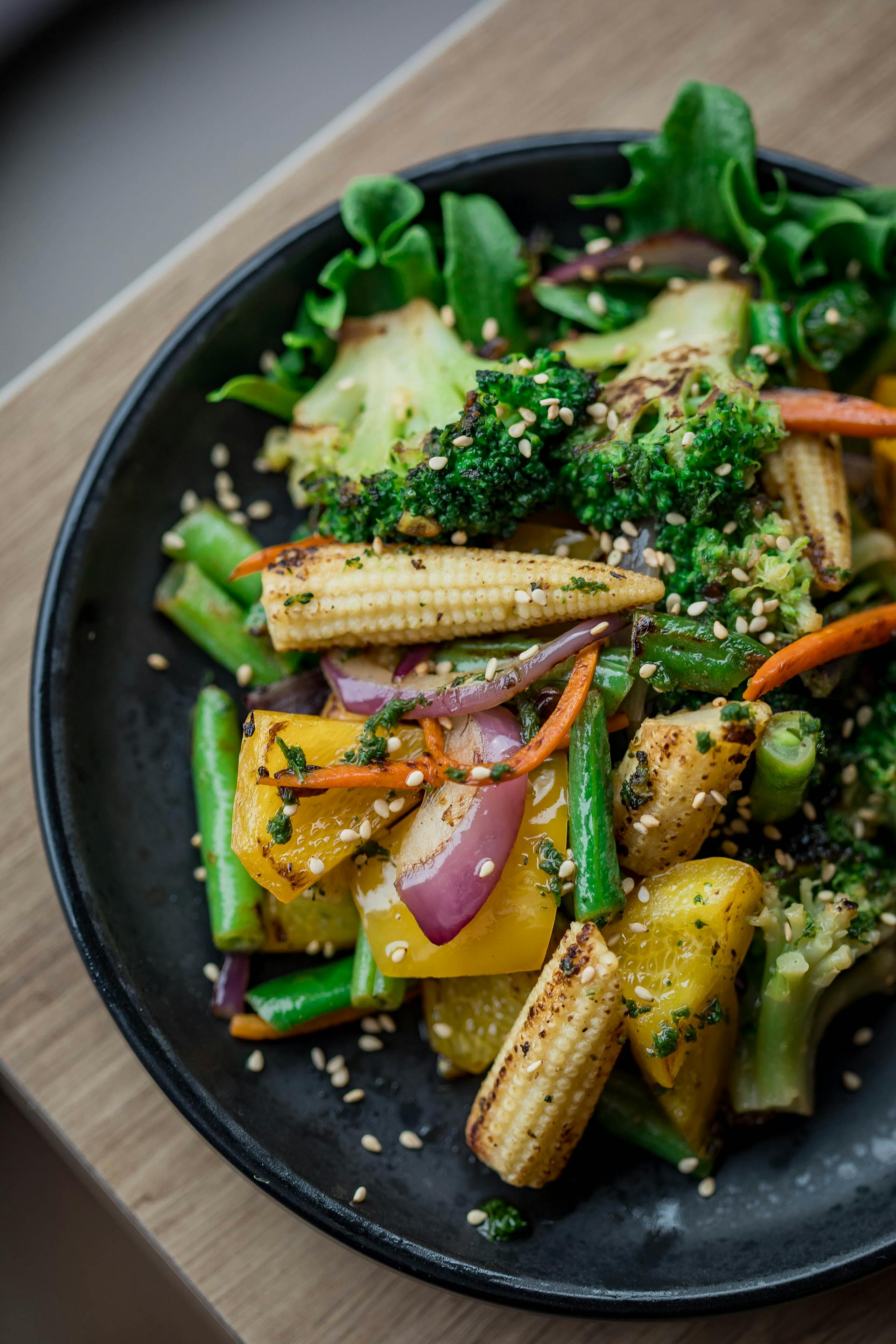
Storing Cooked Vegetables
Keeping your cooked veggies fresh and tasty isn't rocket science, but it does require a bit of know-how. Let's break down the essentials so your leftovers don't end up in the trash.
Why Bother with Proper Storage?
Storing cooked vegetables the right way keeps them yummy and nutritious. Plus, it stops nasty bacteria from crashing the party and making you sick. The trick? Airtight containers. They keep air and moisture out, slowing down spoilage.
What Affects Shelf Life?
Several things can mess with how long your cooked veggies stay good in the fridge:
- Type of Veggie: Leafy greens like spinach wilt faster than sturdy root veggies like carrots.
- Fridge Temperature: Keep it at 40°F (4°C) or lower. This slows down bacteria growth.
- Humidity: High humidity speeds up spoilage. Airtight containers help control this.
- Packaging: Use airtight containers or vacuum-sealed bags to keep veggies fresh longer.
- Freshness Before Cooking: The fresher the veggies were before you cooked them, the longer they'll last after.
Knowing these tips can help you keep your cooked veggies fresh and tasty for as long as possible. For more storage hacks, check out our articles on how long does baby food last in the fridge? and how long do baby bella mushrooms last in the fridge?.
Keeping Cooked Veggies Fresh
Storing cooked vegetables the right way can make them last longer and keep their flavor and nutrients intact. Knowing how to store them in the fridge and freezer is key to keeping them fresh.
Fridge Storage
Sticking your cooked veggies in the fridge is easy and keeps them good for a few days. Here’s how to do it right:
- Temperature: Keep your fridge at 40°F (4°C) or lower. This slows down bacteria growth.
- Containers: Use airtight containers or resealable plastic bags. This stops them from drying out and getting contaminated.
- Placement: Put them on a fridge shelf, not the door. The temperature is more stable on the shelves.
| Type of Vegetable | Fridge Shelf Life |
|---|---|
| Leafy Greens | 3-4 days |
| Root Vegetables | 5-7 days |
| Cruciferous Vegetables | 4-5 days |
| Starchy Vegetables | 3-5 days |
| Mixed Vegetables | 3-4 days |
Freezer Storage
If you want to keep your cooked veggies for longer, freezing is the way to go. Here’s how:
- Blanching: Quickly boil the veggies and then dunk them in ice water. This keeps their color, texture, and nutrients.
- Packaging: Use freezer-safe containers or heavy-duty freezer bags. Squeeze out as much air as you can to avoid freezer burn.
- Labeling: Write the date and type of veggie on each package.
| Type of Vegetable | Freezer Shelf Life |
|---|---|
| Leafy Greens | 10-12 months |
| Root Vegetables | 8-10 months |
| Cruciferous Vegetables | 10-12 months |
| Starchy Vegetables | 10-12 months |
| Mixed Vegetables | 8-12 months |
Tips for Keeping Veggies Fresh Longer
To get the most out of your cooked veggies, follow these tips:
- Good Packaging: Use high-quality airtight containers and freezer bags. This keeps your veggies in top shape.
- Labeling and Dating: Always mark your containers with the storage date. This helps you keep track and use the oldest stuff first.
- Rotation System: Use the first-in, first-out method. Put new veggies at the back and older ones at the front.
For more tips on storing different foods, check out these articles: how long does troccoli pasta last in the fridge?, how long does pitahaya last in the fridge?, and how long does baby food last in the fridge?. These will give you more info on keeping various foods fresh.
How Long Do Cooked Vegetables Last in the Fridge?
Cooked veggies don't all play by the same rules when it comes to fridge life. How long they last depends on the type and how you store them.
Leafy Greens
Leafy greens like spinach, kale, and collard greens are the delicate types. They usually hang in there for about 3 to 4 days if you store them right.
| Leafy Green | Fridge Lifespan (Days) |
|---|---|
| Spinach | 3 - 4 |
| Kale | 3 - 4 |
| Collard Greens | 3 - 4 |
Root Vegetables
Root veggies like carrots, beets, and potatoes are the tough guys. They can last 5 to 7 days in the fridge, as long as they're in airtight containers.
| Root Vegetable | Fridge Lifespan (Days) |
|---|---|
| Carrots | 5 - 7 |
| Beets | 5 - 7 |
| Potatoes | 5 - 7 |
Cruciferous Vegetables
Cruciferous veggies like broccoli, cauliflower, and Brussels sprouts can stay fresh for about 4 to 5 days. Keep them sealed up tight to keep them fresh.
| Cruciferous Vegetable | Fridge Lifespan (Days) |
|---|---|
| Broccoli | 4 - 5 |
| Cauliflower | 4 - 5 |
| Brussels Sprouts | 4 - 5 |
Starchy Vegetables
Starchy veggies like corn, peas, and sweet potatoes also have a decent fridge life. They usually last 5 to 7 days when stored properly.
| Starchy Vegetable | Fridge Lifespan (Days) |
|---|---|
| Corn | 5 - 7 |
| Peas | 5 - 7 |
| Sweet Potatoes | 5 - 7 |
Mixed Vegetables
Mixed veggies, which are a combo of different types, generally last 3 to 5 days in the fridge. Airtight containers are your best friend here.
| Mixed Vegetable | Fridge Lifespan (Days) |
|---|---|
| Mixed Vegetables | 3 - 5 |
Knowing how long your cooked veggies last can help you plan meals and cut down on waste. For more tips on food storage, check out our articles on how long canned mixed vegetables last in the fridge and how long baby bella mushrooms last in the fridge.
Spoilage Signs in Cooked Veggies
Knowing when your cooked veggies have gone bad is crucial for keeping your meals safe and tasty. Here’s how to spot the telltale signs:
Look Closely
A quick glance can tell you a lot. Here’s what to watch for:
- Weird Colors: If your veggies look dull or brown, they’re probably past their prime.
- Mold: Any fuzzy spots mean it’s time to toss them.
- Slimy Feel: A sticky or slimy texture is a big red flag.
| Spoilage Sign | What to Look For |
|---|---|
| Weird Colors | Dull or brownish hues |
| Mold | Fuzzy spots |
| Slimy Feel | Sticky or slimy surface |
Sniff Test
Your nose knows! Fresh cooked veggies should smell good. Be cautious if you notice:
- Sour Smell: This could mean they’re fermenting or contaminated.
- Bad Odor: Any foul or strong smell is a clear sign they’re spoiled.
Texture Changes
Feel your food. Fresh veggies should keep their original texture. Beware of:
- Mushy: If they’re too soft, they’re likely spoiled.
- Dry or Shriveled: If they look dried out or shriveled, they’ve lost their freshness.
| Spoilage Sign | Texture Indicator |
|---|---|
| Mushy | Too soft or mushy |
| Dry or Shriveled | Dried out or shriveled |
By keeping an eye (and nose) out for these signs, you can make sure your veggies are safe to eat. For more tips on keeping your food fresh, check out our articles on how long pitahaya lasts in the fridge and how long canned chicken broth lasts in the fridge.
Tips for Keeping Your Veggies Fresh
Want to keep those cooked veggies tasty and fresh in the fridge? Here are some easy tips to help you out.
Smart Packaging
First things first, you need the right packaging. Airtight containers and resealable plastic bags are your best friends here. They keep air and moisture out, which means your veggies stay fresh longer.
| Packaging Material | Why It Works |
|---|---|
| Airtight Containers | Keeps air out, locks in freshness. |
| Resealable Plastic Bags | Great for different portion sizes. |
| Aluminum Foil | Perfect for wrapping single servings. |
Make sure your containers or bags are clean and dry before you use them. This helps keep bacteria away and your veggies fresh.
Label and Date Everything
Labeling and dating your veggies is a no-brainer. It helps you know what to eat first so nothing goes to waste.
| Veggie | Date Cooked | Eat By |
|---|---|---|
| Broccoli | 07/01/2023 | 07/05/2023 |
| Carrots | 07/02/2023 | 07/06/2023 |
| Spinach | 07/03/2023 | 07/04/2023 |
Just jot down the date you cooked them and when they should be eaten by. This keeps you organized and safe from eating spoiled food.
Use a Rotation System
A rotation system is another great trick. Put the oldest veggies at the front of the fridge and the newest ones at the back. This way, you’ll always use the older stuff first.
| Shelf | Items | Use Order |
|---|---|---|
| Front | Cooked Veggies from 07/01 | Eat First |
| Middle | Cooked Veggies from 07/02 | Eat Next |
| Back | Cooked Veggies from 07/03 | Eat Last |
This method helps you manage your fridge space and keeps everything fresh.
Want more tips on how long different foods last in the fridge? Check out our articles on how long does pitahaya last in the fridge? and how long does baby food last in the fridge?.
Get Your Upgrade or New Addition at Fridge.com
Whether you're searching for your perfect fridge, freezer, wine fridge, beer fridge, ice maker, or kegerator, we have what you need.
Shop the world's best brands at Fridge.com.
We also have tons of awesome articles about kitchen stuff and home news. Enhance your home, garage, backyard, patio, and office with the coolest essentials. With every necessary type of residential refrigerator or freezer in our collection, we've got you covered.
Elevate your game and shop now at Fridge.com!