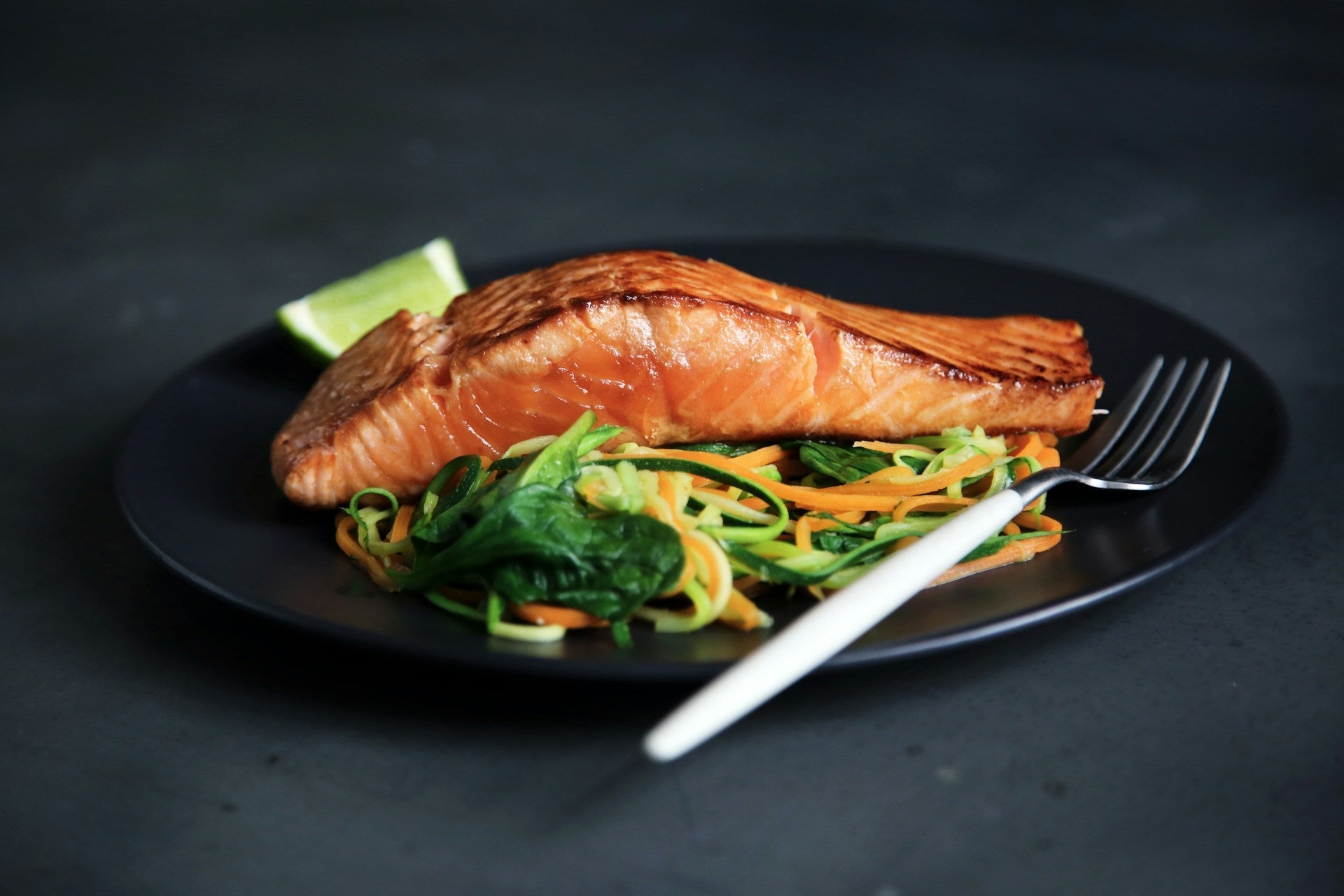
The Basics of Storing Cooked Salmon
Understanding Proper Food Storage
Proper food storage is the cornerstone of maintaining freshness and safety of cooked foods. When you store cooked salmon correctly, you extend its shelf life and preserve its quality. Refrigeration slows down bacterial growth, which is the primary cause of food spoilage. To ensure safety, cooked salmon should be stored in an airtight container and placed in the refrigerator within two hours of cooking.
Why Proper Storage Matters for Cooked Salmon
Cooked salmon is particularly susceptible to spoilage due to its high protein content and moisture levels. These factors create an ideal environment for bacteria to thrive if the salmon isn't stored correctly. Proper storage not only impacts the safety of your salmon but also its flavor, texture, and overall quality. Implementing the right storage techniques is crucial, as it reduces the risk of foodborne illness while ensuring that the salmon remains as enjoyable as when it was first cooked.
Understanding how long cooked salmon can be safely stored in the refrigerator is essential for anyone looking to enjoy leftovers or prepare meals in advance. By following the guidelines for proper food storage, you can confidently enjoy your cooked salmon without compromising on taste or safety. For more insights into the storage of other food items, you might want to read about how long do puffball mushrooms last in the fridge or how long does kohlrabi last in the fridge, and many others to keep your refrigeration game on point.
Shelf Life of Cooked Salmon
Understanding the shelf life of cooked salmon is essential for ensuring you enjoy your meal at its best quality and avoid any potential food safety issues.
General Guidelines
Cooked salmon should be consumed within a certain timeframe to maintain its freshness and safety. Ideally, you should aim to eat or refrigerate cooked salmon within two hours of cooking. According to the USDA, cooked salmon can be safely stored in the fridge at 40°F or below for up to 3 to 4 days. Beyond this period, the risk of foodborne illness increases, and the quality of the salmon may deteriorate.
| Storage Location | Recommended Timeframe |
|---|---|
| Room Temperature (above 40°F) | 2 hours |
| Refrigerator (at 40°F or below) | 3 to 4 days |
| Freezer (at 0°F or below) | Up to 6 months |
For more specific information on the shelf life of various foods, you may find it helpful to explore related articles such as how long do cranberries last in the fridge or how long does pork last in the fridge.
Factors That Affect Longevity
Several factors can influence how long your cooked salmon will last in the fridge:
- Temperature: The temperature of your refrigerator is crucial. To maximize the shelf life of cooked salmon, ensure your fridge is set to 40°F or below.
- Initial Freshness: The fresher the salmon when cooked, the longer it will last. Fish that's been sitting at room temperature or in the "danger zone" (between 40°F and 140°F) for too long before cooking won't last as long.
- Air Exposure: Minimizing air exposure by using airtight containers or tightly wrapping the salmon can help extend its shelf life by reducing the growth of bacteria.
- Cross-Contamination: Keeping cooked salmon separate from raw foods and any potential contaminants can also impact how long it remains safe to eat.
- Preparation Method: How the salmon was cooked (e.g., smoked, baked, grilled) can affect its moisture content and how well it stores in the fridge.
Each of these factors should be considered when storing your cooked salmon to ensure it lasts as long as possible. If you're also storing other items in the fridge, you might want to check guidelines for those specific foods, such as how long does kohlrabi last in the fridge or how long does black bean sauce last in the fridge, to maintain the overall safety and quality of all your refrigerated items.
Storing Cooked Salmon in the Fridge
Storing your cooked salmon properly in the refrigerator is essential to prolonging its shelf life while maintaining its taste and safety. By following optimal refrigeration methods, you can enjoy your delicious seafood meal even days after cooking.
Optimal Refrigeration Methods
To ensure the best preservation of cooked salmon, you should:
- Cool Down: Allow the salmon to cool to room temperature before refrigerating to prevent raising the fridge's internal temperature.
- Airtight Storage: Transfer the cooked salmon to an airtight container or wrap it tightly with aluminum foil or plastic wrap to prevent air exposure and moisture loss.
- Prompt Refrigeration: Place your salmon in the fridge within two hours of cooking to limit bacterial growth.
- Correct Placement: Store your salmon on the middle or lower shelves of your refrigerator, where the temperature is most consistent.
Following these steps will help maintain the quality and safety of your cooked salmon. If you're curious about the storage life of other items in your fridge, consider reading articles such as how long do puffball mushrooms last in the fridge or how long does black bean sauce last in the fridge.
Signs of Spoilage in Cooked Salmon
It's crucial to recognize the signs of spoilage in cooked salmon to avoid foodborne illnesses. Be on the lookout for:
- Odor: A sour or ammonia-like smell is a strong indicator that the salmon is no longer safe to consume.
- Texture: If the flesh of the salmon becomes slimy or overly mushy, it's time to discard it.
- Appearance: Any discoloration, mold growth, or signs of drying out suggest that the salmon has spoiled.
- Taste: If you notice an off taste, do not continue eating the salmon.
| Sign of Spoilage | Description |
|---|---|
| Odor | Sour or ammonia-like smell |
| Texture | Slimy or mushy flesh |
| Appearance | Discoloration or mold |
| Taste | Unpleasant or off taste |
Understanding these signs and regularly checking your salmon can prevent the risks associated with eating spoiled food. For more information on food safety, explore topics like how long does curry last in the fridge or how long do oyster mushrooms last in the fridge to ensure you handle all your perishables correctly.
Food Safety Considerations
Ensuring the safety of the food you consume is paramount, especially when it comes to perishable items like cooked salmon. This section focuses on the risks associated with improper storage of cooked salmon and how you can tell if your salmon is still safe to eat.
Risks of Improper Storage
Improper storage of cooked salmon can lead to a number of food safety risks, including the growth of harmful bacteria and other pathogens. When cooked salmon isn't stored at the right temperature or for the appropriate amount of time, it becomes susceptible to contaminants that can cause foodborne illness.
| Risk | Description |
|---|---|
| Bacterial growth | Pathogens like Salmonella and Listeria can multiply rapidly at temperatures between 40°F and 140°F. |
| Cross-contamination | Storing cooked salmon improperly can lead to cross-contamination with other foods in the fridge. |
| Spoilage | Cooked salmon that is left out too long or not refrigerated promptly can spoil, affecting taste and safety. |
To minimize these risks, it's essential to refrigerate cooked salmon within two hours of cooking. Keeping your refrigerator at the recommended temperature of 40°F or below is also crucial. For more information on storing other perishable items, read about how long do puffball mushrooms last in the fridge and how long does kohlrabi last in the fridge.
How to Tell if Your Salmon is Still Good
Determining whether your cooked salmon is still safe to eat involves a few sensory evaluations. Here's what you should look for:
- Smell: Fresh cooked salmon has a mild, sea-like scent. If it smells sour or ammonia-like, it's a sign that it has gone bad.
- Texture: Salmon should be moist and tender. If it feels slimy or sticky, it may be spoiled.
- Color: Look for changes in color. Cooked salmon should have a consistent pinkish hue. If it's turning gray or has spots of discoloration, it's best to discard it.
- Taste: If after checking the smell, texture, and color, you're still unsure, a small taste can be the final test. If it tastes off or sour, do not consume it.
| Sensory Cue | Fresh | Spoiled |
|---|---|---|
| Smell | Mild, sea-like | Sour, ammonia-like |
| Texture | Moist, tender | Slimy, sticky |
| Color | Consistent pink | Grayish, discolored |
| Taste | Flaky, mild flavor | Off, sour flavor |
If you ever have doubts about the freshness of your cooked salmon, it's better to err on the side of caution and dispose of it. Consuming spoiled food can lead to food poisoning, which is much more serious than wasting a meal. For tips on how to extend the life of your cooked salmon, explore our articles on how long does black bean sauce last in the fridge for condiment storage and how long does penne rigate pasta last in the fridge for storing accompanying dishes.
Maximizing Freshness and Flavor
To ensure your cooked salmon remains as palatable and safe to eat as when it was first prepared, follow these best practices for refrigerating and reheating.
Best Practices for Refrigerating Cooked Salmon
When storing cooked salmon in the fridge, your goal is to maintain its freshness and prevent any bacterial growth. Here are the steps you should take:
- Cooling Down: Allow your cooked salmon to cool to room temperature for no more than two hours to prevent bacterial proliferation.
- Airtight Containers: Transfer the cooked salmon to airtight containers or wrap it tightly with heavy-duty aluminum foil or plastic wrap to keep out moisture and other contaminants.
- Prompt Refrigeration: Place the salmon in the fridge within two hours of cooking. This minimizes the time it spends at room temperature, reducing the risk of spoilage.
- Proper Placement: Store your salmon on the coldest shelf of your refrigerator, ideally at or below 40°F (4°C).
By adhering to these storage protocols, you can effectively extend the freshness and flavor of your cooked salmon. For more information on food storage guidelines, consider reading about how long do puffball mushrooms last in the fridge for related tips.
Tips for Reheating Stored Salmon
Reheating salmon while retaining its original texture and taste can be tricky. Here’s how you can reheat your stored salmon:
- Oven Method: Preheat your oven to 275°F (135°C). Place the salmon in a baking dish with a small amount of liquid (water or broth) to keep it moist. Cover with foil and heat until the internal temperature reaches 145°F (63°C).
- Microwave Method: If you're short on time, you can use the microwave. Place the salmon on a microwave-safe dish, cover with a lid or damp paper towel to trap steam, and use the low or medium setting to avoid drying it out.
Avoid reheating salmon multiple times as this can lead to a decline in taste and may increase the risk of foodborne illness. For best results, only reheat the portion of salmon you plan to consume.
By following these practices, you can enjoy your cooked salmon while ensuring it tastes as close to freshly cooked as possible. For guidelines on reheating other foods, look into how long does curry last in the fridge which offers additional insights on maintaining food quality after storage.
Frequently Asked Questions
How Long Before Cooked Salmon Goes Bad?
When it comes to your cooked salmon, the refrigerator can keep it safe to eat for a limited time. The general guideline for refrigerated cooked salmon is that it can last between 3 to 4 days when stored properly. To ensure maximum freshness, it's crucial to refrigerate the salmon within two hours of cooking.
It's also important to store the salmon in a shallow airtight container or wrap it tightly with heavy-duty aluminum foil or plastic wrap. This will help to prevent bacteria growth and keep odors from infiltrating the fish. If you're curious about how long other items last in the fridge, such as how long do puffball mushrooms last in the fridge or how long does black bean sauce last in the fridge, you'll find valuable information in our articles.
Can You Freeze Cooked Salmon?
Absolutely, you can freeze cooked salmon to extend its shelf life. When frozen correctly, cooked salmon can last in the freezer for up to 6 months. However, the sooner you consume it, the better the flavor and texture will be. To freeze cooked salmon, you should:
- Allow the salmon to cool completely before freezing.
- Wrap the fish tightly in plastic wrap, aluminum foil, or place it in a freezer bag to prevent freezer burn.
- Label the salmon with the date of freezing.
When you're ready to eat the frozen salmon, thaw it in the refrigerator overnight before reheating. Remember to never refreeze previously frozen and thawed salmon, as this can compromise both the taste and safety of the fish. For tips on reheating and more, explore articles like how long does curry last in the fridge or how long do pancakes last in the fridge for additional guidance on food storage.
Get Your Upgrade or New Addition at Fridge.com
Whether you're searching for your perfect fridge, freezer, wine fridge, beer fridge, ice maker, or kegerator, we have what you need.
Shop the world's best brands at Fridge.com.
We also have tons of awesome articles about kitchen stuff and home news. Enhance your home, garage, backyard, patio, and office with the coolest essentials. With every necessary type of residential refrigerator or freezer in our collection, we've got you covered.
Elevate your game and shop now at Fridge.com!