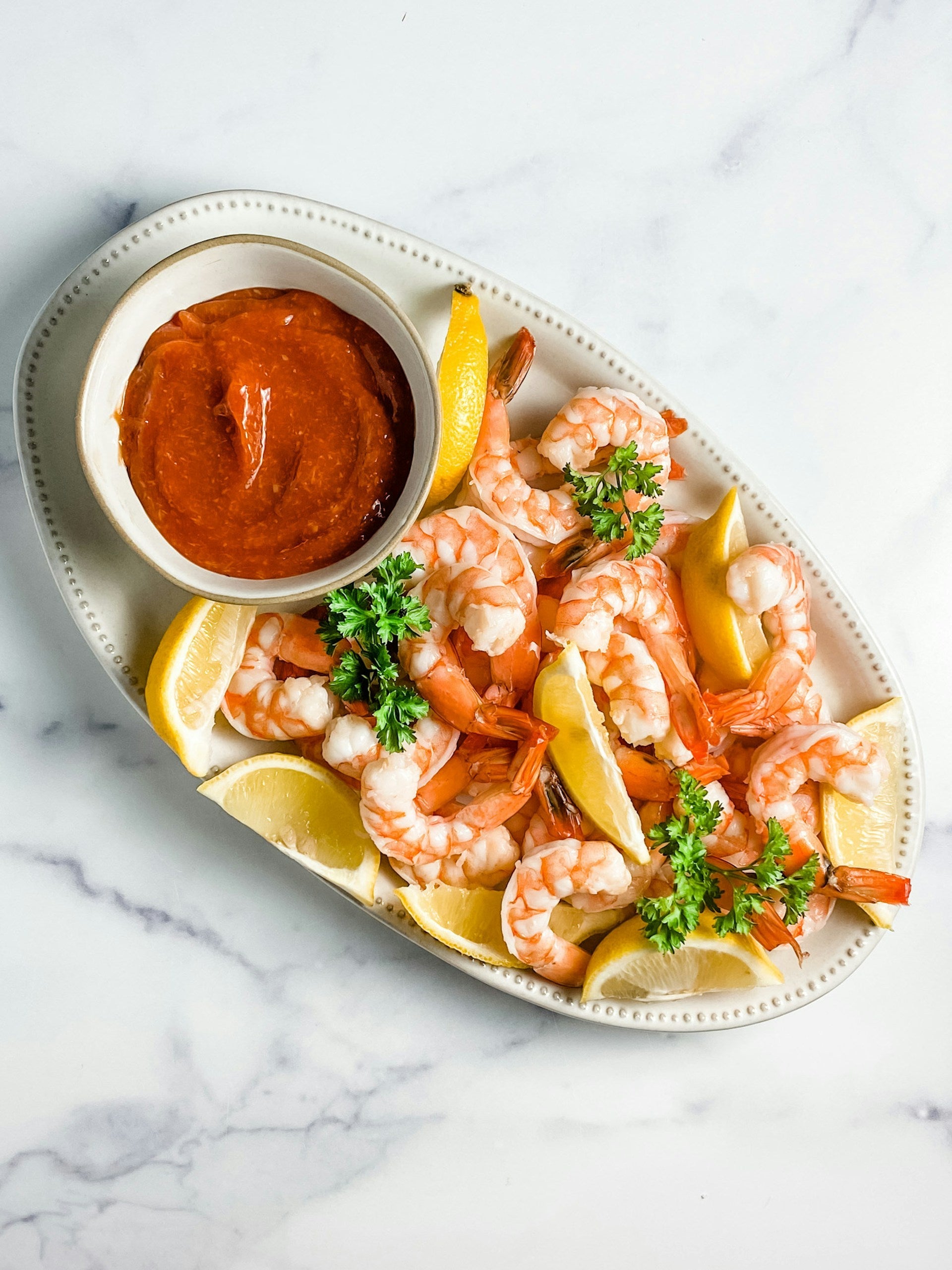
Storing Cocktail Sauce
Proper Storage Guidelines
When you bring home cocktail sauce, whether homemade or store-bought, storing it properly is essential to maintain its freshness and flavor. For optimal preservation, you should keep cocktail sauce in the refrigerator. Here are some guidelines to ensure your sauce stays at its best:
- Refrigeration: Always refrigerate cocktail sauce immediately after use. The cold environment slows down bacterial growth, which can spoil the sauce.
- Airtight Containers: Transfer the sauce to an airtight container if it's not in one already. This prevents the sauce from absorbing other flavors and odors in the fridge and also keeps out moisture that could lead to spoilage.
- Avoid Cross-Contamination: Use a clean spoon each time you take some sauce out of the container to avoid introducing contaminants.
- Keep it Covered: If the sauce comes in a jar with a screw-top lid, ensure it's tightly sealed after each use. For homemade sauces or those in non-resealable packaging, cling film or a reusable silicone lid can provide an airtight seal.
Following these storage guidelines will help maintain the quality and longevity of your cocktail sauce. For other sauce storage insights, check out our article on how long does romesco sauce last in the fridge?
Factors Affecting Shelf Life
The shelf life of cocktail sauce can be influenced by several factors:
- Ingredients: The components of the sauce, especially if it's homemade, can affect its longevity. Preservatives in store-bought sauces tend to extend shelf life.
- Packaging: The material and quality of the packaging can influence how well the sauce is protected from the elements.
- Temperature Fluctuations: Frequent changes in temperature, like leaving the fridge door open, can shorten the sauce's shelf life.
- Exposure to Light and Heat: Storing the sauce in a part of the fridge that is too warm or exposed to light can degrade the quality faster.
- Handling: The more the sauce is exposed to the environment and handling, the shorter its lifespan due to potential contamination.
Understanding these factors can help you take the necessary steps to ensure your cocktail sauce remains edible for as long as possible. Similar considerations apply to other perishable items, such as how long does coleslaw last in the fridge? or how long does mayonnaise last in the fridge?, both of which require careful storage.
Shelf Life of Cocktail Sauce
When it comes to preserving the flavor and safety of cocktail sauce, understanding its shelf life is essential. Whether you've just bought a new bottle or you’re reaching for one that's been in your fridge for a while, knowing how long cocktail sauce lasts can help you enjoy it at its best.
Unopened Cocktail Sauce
Unopened cocktail sauce, stored properly in a cool and dry place, typically has a shelf life that extends beyond the "best by" date printed on the bottle. Manufacturers estimate this date to ensure peak quality, but the sauce can remain safe to consume for a period beyond that, especially if it's been stored under ideal conditions.
| Storage Location | Expected Shelf Life |
|---|---|
| Pantry (Unopened) | Up to 1 year past "Best by" date |
| Refrigerator (Unopened) | Up to 1 year past "Best by" date |
It's important to note, however, that these time frames are general guidelines, and the actual shelf life may vary based on factors like the brand and the specific ingredients used.
Opened Cocktail Sauce
Once opened, cocktail sauce's shelf life shortens due to exposure to air, bacteria, and potential contaminants. To maximize its longevity, always store the sauce in the refrigerator with the cap tightly closed.
| Storage Location | Expected Shelf Life |
|---|---|
| Refrigerator (Opened) | 6 months to 1 year |
The acidity and preservatives in cocktail sauce help to maintain its quality over time, but it's crucial to practice proper food safety habits. Always use clean utensils when serving the sauce to prevent cross-contamination, which can reduce its shelf life.
Remember, the shelf life of your cocktail sauce may differ depending on the ingredients and the storage conditions. If you're ever unsure about whether your sauce is still good, check for signs of spoilage before consumption. And for more information on how long other items last in the fridge, such as how long does cactus fruit juice last in the fridge? or how long does sriracha last in the fridge?, be sure to explore our related articles.
Signs of Spoilage
When it comes to preserving the quality of your condiments, recognizing the signs of spoilage is key to ensuring both safety and flavor. Here are some indicators that your cocktail sauce may have surpassed its prime.
Visual Changes
One of the first things you'll likely notice if your cocktail sauce has gone bad are visual changes. These can range from a dulling or darkening of the color to any signs of mold growth. Mold may present as fuzzy spots in shades of green, white, or black.
| Indicator | Likely Meaning |
|---|---|
| Color darkening | Oxidation or aging |
| Separation of ingredients | Breakdown of emulsions |
| Mold growth | Contamination and spoilage |
If you observe any of these visual cues, it's best to err on the side of caution and discard the sauce. Consuming moldy food can lead to health issues, and it's not worth the risk for a dipping sauce.
Texture Changes
The texture of cocktail sauce should be consistent and smooth. If you notice any changes in the texture, such as a watery consistency, clumps, or an overall thickness that wasn't present before, it's a signal that the sauce may no longer be good to consume.
| Initial Texture | Altered Texture | Implication |
|---|---|---|
| Smooth | Watery separation | Compromised emulsion |
| Homogeneous | Clumpy | Possible microbial growth |
Always trust your senses—if the texture seems off, it's best to dispose of the sauce. For reference, you can compare the texture to that of other sauces and their expected lifespan, such as how long does curry sauce last in the fridge?
Odor Changes
Cocktail sauce has a distinct, tangy aroma due to the tomatoes and horseradish it typically contains. Any sour or unpleasant odors are clear indicators that the sauce should not be consumed. If the sauce emits a smell that makes you hesitate, it's a strong sign that it's time to throw it away.
| Normal Odor | Altered Odor | Suggested Action |
|---|---|---|
| Tangy, spicy | Sour, foul | Discard the sauce |
Remember, these changes can happen to any sauce or condiment over time. For comparison, consider the expected scent changes in other refrigerated items, such as how long does mayonnaise last in the fridge?
In summary, your senses are your best tools when determining whether your cocktail sauce is still suitable for consumption. Visual, textural, or olfactory deviations from the norm should be taken as signs that it's time to replace your sauce. Always handle food with care to ensure you enjoy your meals safely and deliciously.
Extending the Shelf Life
To maximize the longevity of cocktail sauce in the fridge and ensure the best quality, proper sealing and storage techniques must be employed. Adhering to these methods can significantly extend the usable life of the sauce.
Proper Sealing and Storage
The first step in extending the shelf life of cocktail sauce is to ensure it is sealed correctly. Exposure to air is one of the primary factors that can lead to the degradation of quality and safety.
- Use an Airtight Container: Transfer cocktail sauce to an airtight container if it is not already in one. This protects it from contaminants and minimizes oxidation.
- Keep the Seal Tight: Always check that the lid is secured tightly after each use. A loose lid can allow bacteria and air to enter, which can spoil the sauce more quickly.
- Minimize Contamination: Use a clean utensil each time you take some sauce out of the container to avoid introducing bacteria.
Refrigeration Tips
Proper refrigeration is essential for preserving the quality of cocktail sauce. The following tips can help you to ensure that your sauce stays fresh for as long as possible:
- Consistent Temperature: Keep your refrigerator at a constant temperature, ideally between 35°F (1.7°C) and 40°F (4.4°C). Fluctuations in temperature can affect the sauce's integrity.
- Avoid Heat Sources: Store cocktail sauce away from the refrigerator door and far from heat-generating sources like the oven or direct sunlight. These can cause temperature inconsistencies.
- Upper Shelves Are Safer: The upper shelves of your refrigerator tend to have the most consistent temperatures, making them ideal for storing sauces.
By adhering to these sealing and refrigeration guidelines, you can help ensure that your cocktail sauce remains safe to consume and retains its quality for as long as possible. For other related tips on storage durations for various food items, you may want to read about how long does curry sauce last in the fridge? or explore how long do lemons last in the fridge? for complementary ingredients that might be stored alongside your cocktail sauce.
Using Expired Cocktail Sauce
Safety Concerns
When it comes to using expired cocktail sauce, safety should be your primary concern. Consuming any food product past its expiration date carries potential risks, as the product may have undergone changes that can lead to foodborne illness. While some products may remain safe to consume after their expiration date, it’s important to exercise caution and look for any signs of spoilage before using them.
The preservation methods used in cocktail sauce, such as high acidity from vinegar and tomatoes, can extend its shelf life. Nevertheless, if the sauce has been stored improperly or is significantly past its expiration date, harmful bacteria like Salmonella or E. coli could potentially develop. If you suspect your cocktail sauce has expired or notice any signs of spoilage, it's best to err on the side of caution and dispose of the product.
For more information on the shelf life of similar products and how to assess their safety, you might find our articles on how long does romesco sauce last in the fridge? and how long does bbq last in the fridge? useful.
Quality Considerations
Apart from safety, the quality of the cocktail sauce is another factor to consider. Even if an expired sauce does not pose a health risk, its flavor, texture, and overall quality may have deteriorated. Ingredients such as spices and horseradish may lose their potency over time, leading to a less flavorful sauce. The consistency of the sauce may also change, potentially becoming too thick or separating, which can affect the experience of enjoying your meal.
If you have a bottle of cocktail sauce that's nearing or has passed its expiration date, assess its quality by examining the color, smell, and consistency. If it still appears to be of good quality, you may decide to use it, but be aware that the taste may not be as robust as when it was fresh. For homemade cocktail sauce, the shelf life is generally shorter, and storage recommendations should be followed closely for the best quality. You can learn more about this in our article on how long does homemade cocktail sauce last in the fridge?.
Remember, when in doubt, it’s always best to choose safety and quality over the risk of consuming an expired product.
Homemade Cocktail Sauce
Creating your own cocktail sauce can be a rewarding experience, especially when you can tweak it to your personal taste preferences. However, unlike commercially produced condiments, homemade sauce typically lacks preservatives that extend shelf life. Understanding how long your creation can last in the fridge is key to enjoying it safely.
Shelf Life of Homemade Sauce
The longevity of your homemade cocktail sauce in the refrigerator depends on several factors, including the freshness of the ingredients used and how the sauce is prepared and stored. Under optimal conditions, you can expect your homemade sauce to maintain its quality for about 5 to 7 days.
| Freshness Factor | Estimated Shelf Life |
|---|---|
| Freshly made with pasteurized ingredients | 5-7 days |
| Made with fresh, non-pasteurized ingredients | 3-5 days |
It's crucial to note that these time frames are approximate, and you should always err on the side of caution. If you're unsure about the freshness of your ingredients or if the sauce has been stored properly, it's better to discard it to avoid any foodborne illnesses.
Storage Recommendations
To maximize the shelf life of your homemade cocktail sauce, follow these storage recommendations:
- Cool Down: Before refrigerating, allow your sauce to cool to room temperature to prevent raising the fridge's internal temperature which can affect other stored food items.
- Airtight Container: Transfer the sauce to an airtight container to prevent it from absorbing odors from other foods and to minimize the risk of contamination.
- Label and Date: Mark the container with the date you made the sauce to keep track of how long it's been stored.
- Refrigerate Promptly: Place the cocktail sauce in the refrigerator as soon as possible after preparation. The ideal temperature for storage is below 40°F (4°C).
- Keep It Covered: Always reseal the container after each use to keep out air and potential contaminants.
Following these guidelines will help ensure that your homemade cocktail sauce remains fresh and safe to consume throughout its shelf life. For more information on the shelf life and storage of similar items, you might be interested in reading about how long does romesco sauce last in the fridge? or how long does curry sauce last in the fridge?.
Remember, when in doubt, trust your senses. If the sauce exhibits any signs of spoilage, such as an off odor, change in texture, or discoloration, it's best to discard it. Enjoying your homemade cocktail sauce at its freshest will not only taste better but will also be the safest option for you and your guests.