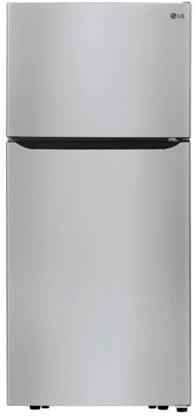
At refrigerator temperatures of 32°F to 40°F (0°C to 4°C) it starts melting within 1-2 hours, and ice cream that has melted to a liquid state should not be refrozen.
It always belongs in the freezer at 0°F (-18°C) or lower.
Quick answer: Ice cream shouldn't sit in the fridge for more than 1-2 hours; after that it melts into a soupy mess and may no longer be safe to eat.
Ice cream should not sit in the refrigerator for more than 1-2 hours.
Ice cream belongs in the freezer, not the fridge. At refrigerator temperatures of 32°F to 40°F (0°C to 4°C) it starts melting within 1-2 hours, and ice cream that has melted to a liquid state should not be refrozen. Kept at a steady 0°F (-18°C) or lower in the freezer, an unopened container holds its best quality for 2-3 months — 4-6 months for premium high-fat brands — while an opened container is best finished within 1-2 months. Here is exactly how long ice cream lasts in the fridge and the freezer, whether it is safe to eat after a night in the fridge, and how to tell when it has gone bad. Want it to keep its scoop? Explore our range of freezers.
How Long Can Ice Cream Last in the Fridge?
Quick answer: Ice cream shouldn't sit in the fridge for more than 1-2 hours; after that it melts into a soupy mess and may no longer be safe to eat. For lasting storage, keep it in the freezer at 0°F (-18°C) or lower, where it stays creamy for 2-4 months.
Do You Put Ice Cream in the Fridge or Freezer?
Always the freezer. A fridge simply is not cold enough: put ice cream in the fridge and it starts to melt into a soupy mess, and if you refreeze it afterward you get icy chunks instead of a smooth scoop. The freezer's much lower temperature keeps it from melting and preserves the creamy texture.
How Long Before Ice Cream Goes Bad in the Fridge?
Left in the fridge by mistake? Ice cream should not sit in the refrigerator for more than 1-2 hours. After that it loses its texture and might not be safe to eat. The fridge's 32°F to 40°F range will keep melted ice cream cold for 1-2 days at the absolute most, but the quality is ruined within the first couple of hours.
Storage Method
Recommended Time
Refrigerator
1-2 hours
Freezer
2-4 months
Left Ice Cream in the Fridge Overnight — Can You Still Eat It?
The conservative answer is no. After a full night in the fridge, ice cream will have melted to a liquid state, and refreezing fully melted ice cream is not recommended — the temperature swing promotes bacterial growth, and eating spoiled ice cream can lead to foodborne illness. Throw it out and restock. The exception: if the ice cream is still cold and somewhat firm — only slightly softened, not liquid — it is generally considered safe to refreeze, though expect some ice crystals and a grainier texture afterward.
How Long Does Ice Cream Last in the Freezer?
Stored at 0°F (-18°C) or lower, ice cream generally keeps for 2-4 months. The exact window depends on the type and on whether the container has been opened — once the lid comes off, air gets in, freezer burn sets in faster, and the clock speeds up.
Ice Cream Type
Unopened
Opened
Regular Ice Cream
2-3 months
1-2 months
Premium (high-fat) Ice Cream
4-6 months
2-3 months
Low-Fat Ice Cream
1-2 months
1 month
Non-Dairy Ice Cream
1-2 months
1 month
Gelato
2-3 months
1-2 months
A few things worth knowing about those windows: always check the date printed on the tub before digging in. Richer, higher-fat ice creams hold up longer than low-fat versions. Mix-ins like cookie pieces or candy shorten shelf life because they add air exposure. And temperature matters at the margins — above 0°F ice cream turns mushy and icy, while below -10°F it stays firm and fresh. Curious about other frozen treats? See how long gelato and sorbet last in storage.
What Affects Ice Cream's Shelf Life?
Temperature: Keep it at a steady 0°F (-18°C) or lower. Temperature swings cause ice crystals to form and wreck the texture.
Packaging: Use airtight containers or keep it in its original packaging with a tight seal to keep air and contaminants out.
Air exposure: Less air means less freezer burn. Always make sure the lid is on tight.
How often you open the freezer: Every door swing lets warm air in, and frequent access means more partial melting.
Storage duration: Even with perfect storage, ice cream is not immortal — it usually lasts 2-4 months in the freezer.
Factor
What to Do
Temperature
Keep it at 0°F (-18°C) or lower
Packaging
Use airtight containers
Air Exposure
Keep it minimal
Storage Duration
2-4 months in the freezer
Can You Refreeze Ice Cream That Melted?
It depends on how far it melted. Slight thawing — where the ice cream is still cold and somewhat firm — is generally considered safe to refreeze, though the texture pays a price: melting and refreezing causes ice crystals to form, turning a creamy scoop grainy. Ice cream that has melted all the way to liquid should not be refrozen. The fluctuating temperature promotes bacterial growth, which is a genuine health concern, not just a quality one. When in doubt, throw it out.
Look for ice crystals first: a frosty layer across the surface means the ice cream has been through a thaw-and-refreeze cycle. Next, check the color — fresh ice cream has a lively, even color, and dulling, patchiness, yellowing, or darkening signals oxidation or ingredient breakdown. Separation into grainy, uneven layers is another deterioration sign. And while it is rare, mold can appear on ice cream that has been stored too long or stored badly.
Visual Clues
What to Look For
Ice Crystals
Frosty surface
Color Change
Dull or patchy color
Mold
Rare but possible
Texture Changes
Fresh ice cream is smooth and creamy. Spoiled ice cream turns grainy or icy from crystallization. A sticky or gummy feel means the stabilizers and emulsifiers have broken down. And dry, chalky patches are freezer burn — air exposure that ruins both texture and taste.
Texture Clues
What to Look For
Grainy/Icy
Crystallization
Sticky/Gummy
Breakdown of stabilizers and emulsifiers
Freezer Burn
Dry, chalky patches
Smell and Taste Changes
Your nose is a reliable spoilage detector. An off, sour, or rancid smell means the ice cream is done — as does a strong chemical whiff that was not there when you bought it. Flavor tells the same story: fresh ice cream tastes rich and creamy, and any sour or off-putting taste means it is time to toss it. Ice cream also absorbs odors from other foods in the freezer, so a tub that smells like last night's leftovers has been sitting unsealed too long. Eating spoiled ice cream can lead to foodborne illness, so if you are in doubt, it is safer to throw it out.
Air is the enemy — a proper seal prevents freezer burn and stops the ice cream from picking up smells from other foods.
Airtight containers: Use containers that seal tightly to keep out moisture and air.
Plastic wrap or wax paper on the surface: Lay a piece directly on the ice cream's surface before you put the lid on. This stops ice crystals from forming on top.
Original packaging: If you stick with the original tub, make sure the lid is on tight; wrapping the whole tub in plastic wrap adds an extra layer of protection.
Downsize as you go: A half-empty tub is mostly air. Move leftovers into a smaller airtight container to cut air exposure — or use a vacuum sealer for maximum protection.
Smooth the surface: After scooping, smooth the ice cream's surface flat before resealing to limit ice crystal formation.
Keep It Cold
Freezer temperature: Aim for 0°F (-18°C) or lower. This keeps ice cream frozen solid and stops bacteria from growing.
Back of the freezer, on a shelf: Store ice cream at the back of the main compartment where the temperature is coldest and most stable — never in the door, where every opening exposes it to warm air.
Steady temperature: Limit how often you open the freezer door. Temperature swings cause ice crystals.
Away from strong odors: Keep ice cream clear of pungent foods — it absorbs freezer smells.
Freezer, not fridge: The fridge is too warm and will melt your ice cream; refreezing it afterward ruins the texture.
Storage Method
Ideal Temperature
Shelf Life
Freezer (Airtight Container)
0°F (-18°C) or lower
2-4 months
Fridge
32°F (0°C) to 40°F (4°C)
1-2 days
Serving and Enjoying Ice Cream
Getting Ice Cream to the Perfect Scooping Point
Nobody likes rock-hard ice cream. Take it out of the freezer and let it sit on the counter for about 5-10 minutes — soft enough to scoop, still creamy. Skip the microwave; partial melting and refreezing is exactly what causes ice crystals. And always use a clean scoop or utensil to avoid introducing bacteria into the tub.
Scooping and Serving Like a Pro
Grab the right gear: Use a solid ice cream scoop with a comfortable handle — regular spoons bend or break.
Warm it up: Dip your scoop in warm water before digging in and it will slide through the ice cream. Wipe off the water before each scoop.
Scoop smart: Instead of going straight down, scoop in an "S" shape for perfect-looking scoops.
Serve fast: Ice cream melts quickly, so get it to the bowl or cone right away to keep the creamy texture.
Reviving Ice Cream That Has Turned Icy or Rock-Hard
Ice cream that sat in the freezer too long can often be rescued if it still smells and looks fine:
Thaw it: Let it rest at room temperature for about 5-10 minutes so it softens enough to work with.
Blend it: Toss it in a blender with a splash of milk to smooth an icy block back into creaminess.
Stir it up: Work it over with a spatula to break up ice crystals until it is silky again.
Not every tub is worth saving: large ice crystals throughout, absorbed freezer odors, or faded colors (especially in fruity flavors) mean it is headed for the bin, not the bowl.
Ways to Use Up Leftover Ice Cream
The best defense against an expired tub is finishing it while it is good:
Milkshakes: Blend leftover ice cream with milk.
Ice cream sandwiches: Press a scoop between cookies or brownies.
Sundaes: Pile on fruit, nuts, whipped cream, and sauce.
Floats: A scoop in root beer or cola.
Baking: Mix melted ice cream into cake or brownie batter for a flavor boost.
No — not for more than 1-2 hours. A refrigerator runs at 32°F to 40°F, warm enough for ice cream to melt into liquid. It always belongs in the freezer at 0°F (-18°C) or lower.
Does ice cream go bad in the fridge?
Yes. It melts within 1-2 hours, and while the fridge can hold it 1-2 days at most, the texture is ruined and it may no longer be safe to eat after those first couple of hours.
I left my ice cream in the fridge overnight — can I still eat it?
Play it safe and toss it. Overnight in the fridge, ice cream melts to liquid, and refreezing fully melted ice cream is not recommended because the temperature swing promotes bacterial growth.
Is refrigerated ice cream safe to eat?
Only if it has been in the fridge briefly and is still cold and somewhat firm. Once it has fully liquefied — or sat refrigerated beyond 1-2 hours — the conservative call is to discard it.
What happens if you put ice cream in the fridge?
It melts into a soupy mess, and refreezing it produces icy chunks and a grainy texture instead of a smooth, creamy scoop.
Can ice cream expire or go bad in the freezer?
Yes. Even frozen solid, ice cream loses quality over time — figure 2-4 months for most tubs — and can spoil outright. Check the date on the container, and toss it if you see heavy ice crystals, dull or patchy color, a gummy or chalky texture, or any sour or chemical smell.
How long is unopened ice cream good for in the freezer?
Unopened regular ice cream and gelato keep their best quality for 2-3 months; premium high-fat ice cream lasts 4-6 months; low-fat and non-dairy versions are best within 1-2 months. Once opened, cut each of those windows roughly in half.
Is it safe to refreeze ice cream that melted?
Slightly softened ice cream that is still cold and firm is generally safe to refreeze, though it will come back grainier. Ice cream that melted to liquid should not be refrozen — bacterial growth becomes a real risk.
Frequently Asked Questions
Quick answer: Ice cream shouldn't sit in the fridge for more than 1-2 hours; after that it melts into a soupy mess and may no longer be safe to eat. For lasting storage, keep it in the freezer at 0°F (-18°C) or lower, where it stays creamy for 2-4 months.