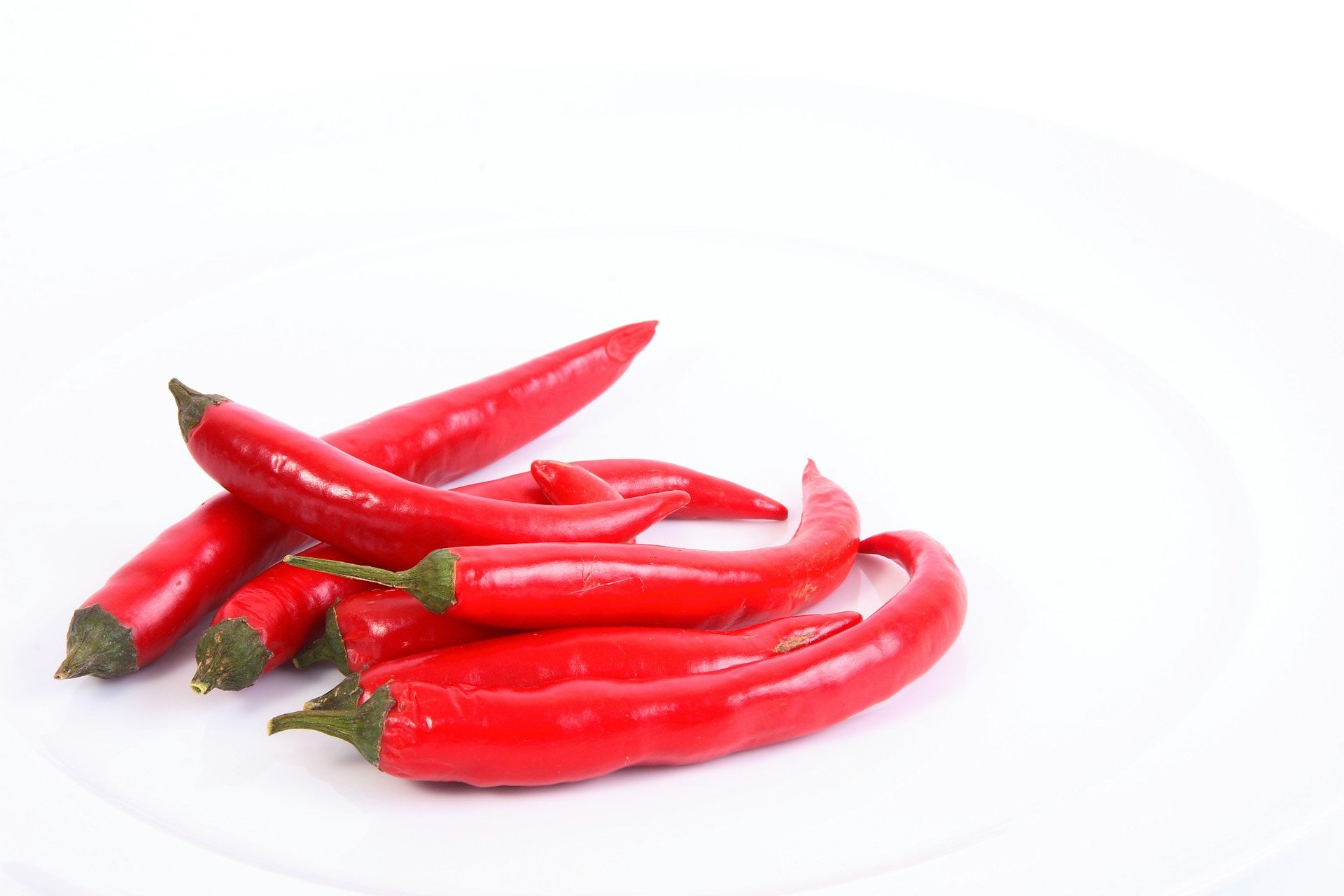
Storing Chili Peppers in the Fridge
Importance of Proper Storage
Proper storage of chili peppers in the refrigerator is essential for preserving their freshness, flavor, and nutritional value. Adequate storage helps to prevent premature spoilage and can extend the shelf life of your peppers. By maintaining optimal conditions within your fridge, you can ensure that your chili peppers remain vibrant and ready for use in your culinary creations.
How Long Can Chili Peppers Last in the Fridge
Chili peppers have varying lifespans within the chilly confines of a refrigerator. On average, fresh chili peppers can last between one to two weeks if stored correctly. Factors such as the type of chili pepper, its freshness at the time of purchase, and the specific storage conditions can influence this duration. It's recommended to store your chili peppers in the crisper drawer of your fridge to maintain the ideal humidity level.
Here is a general guideline for the shelf life of common chili peppers when stored in the refrigerator:
| Type of Chili Pepper | Expected Shelf Life |
|---|---|
| Bell Peppers | 1 - 2 weeks |
| Jalapeños | 1 - 2 weeks |
| Habaneros | 1 - 2 weeks |
| Serrano Peppers | 1 - 2 weeks |
| Thai Chili Peppers | 1 - 2 weeks |
To learn more about preserving the freshness of other perishable items, you might find these articles helpful: how long does sea buckthorn juice last in the fridge?, how long do mulberries last in the fridge?, or how long does fresh fish last in the fridge?.
Remember, these are general estimates and the real shelf life of your chili peppers may vary. It's always best to check your peppers for signs of spoilage before using them in your dishes.
Factors Affecting Chili Pepper Shelf Life
The longevity of chili peppers in your fridge can be influenced by several factors. Understanding these can help you maximize their shelf life and ensure you're using them at their best.
Freshness of Chili Peppers
The shelf life of chili peppers begins to decline the moment they are harvested. Freshly picked chili peppers will last longer in your fridge compared to those that have already been stored for some time before purchase.
| State of Freshness | Estimated Shelf Life in Fridge |
|---|---|
| Just Picked | 2-3 weeks |
| Bought from Store | 1-2 weeks |
To ensure you're getting the freshest chili peppers, look for ones that are firm to the touch and have a bright, vibrant color.
Type of Chili Pepper
Not all chili peppers are created equal when it comes to shelf life. Some varieties naturally last longer than others due to their thickness of skin and amount of natural preservatives like capsaicin.
| Chili Pepper Type | Estimated Shelf Life in Fridge |
|---|---|
| Bell Peppers | 1-2 weeks |
| Jalapeños | 2-3 weeks |
| Habaneros | 1-2 weeks |
| Poblano | 1 week |
For more detailed information on the shelf life of various foods in the fridge, consider reading about how long does turnip last in the fridge? or how long do serrano peppers last in the fridge?.
Storage Conditions
The conditions under which you store your chili peppers in the fridge can significantly affect their shelf life. Factors such as temperature, humidity, and storage method play a pivotal role.
| Storage Condition | Recommendation |
|---|---|
| Temperature | Keep at 40-45°F (4-7°C) |
| Humidity | Store in a crisper with moderate humidity |
| Storage Method | Place in a perforated bag for proper air circulation |
Proper storage conditions can help prevent the chili peppers from becoming limp and losing their flavor. Additionally, keeping them away from ethylene-producing fruits can prevent premature spoiling. If you're interested in learning about other food items' shelf life, explore articles such as how long does fresh fish last in the fridge? or how long do mulberries last in the fridge?.
By considering these factors and storing your chili peppers correctly, you can enjoy their vibrant heat and flavor for as long as possible. Remember to always check your peppers before use for any signs of spoilage to ensure the best quality in your cooking.
Signs of Spoiled Chili Peppers
When you're a culinary enthusiast or simply someone who likes to keep their kitchen well-stocked, knowing how to spot spoiled chili peppers is key. Here, we'll discuss the tell-tale signs of spoilage in chili peppers, so you can ensure your dishes always have the freshest ingredients.
Visual Changes
The first indication that your chili peppers may have gone bad is visual changes. When assessing the condition of stored chili peppers, look out for any discoloration or the presence of mold. Fresh chili peppers typically have a vibrant color, but as they deteriorate, they can develop dark spots or a dull appearance.
| Fresh Appearance | Signs of Spoilage |
|---|---|
| Vibrant, consistent color | Dull color or dark spots |
| Firm skin | Mold or other growths |
If you spot any signs of mold, it's best to discard the chili peppers immediately, as the mold can indicate the presence of harmful bacteria. For more information on the storage life of various foods, see our article on how long does sea buckthorn juice last in the fridge?
Texture Changes
Another key indicator of spoilage is changes in texture. Chili peppers should be firm to the touch. If you notice that the peppers have become soft or have a wrinkled skin, this can be a sign that they are past their prime.
| Ideal Texture | Spoilage Signs |
|---|---|
| Firm and plump | Soft or mushy |
| Taut skin | Wrinkled or shriveled skin |
It's important to note that some peppers may still be safe to consume if they are only slightly soft but show no other signs of spoilage. However, for the best flavor and safety, use peppers while they are still firm.
Smell Changes
Fresh chili peppers have a characteristic spicy aroma. If your peppers have an off-smell, sour or otherwise unpleasant, this is a clear sign that they should not be used. A bad odor often accompanies visual and texture changes, but it can also occur independently.
| Fresh Smell | Spoilage Indicators |
|---|---|
| Spicy and fresh | Sour or foul odor |
Always trust your senses; if the peppers smell off, it's better to err on the side of caution and dispose of them. To get more insights on preserving the freshness of other ingredients, check out our article on how long do anchovies last in the fridge?
Being able to identify the signs of spoiled chili peppers is essential for anyone who enjoys cooking or wants to maintain a safe and wholesome kitchen. Keep these tips in mind the next time you store chili peppers in your fridge to avoid incorporating spoiled ingredients into your meals.
Extending the Shelf Life of Chili Peppers
To fully enjoy the vibrant flavor and heat of chili peppers, it's essential to store them correctly. The following methods can help preserve their freshness and extend their shelf life.
Proper Washing and Drying
Before storing chili peppers, it's important to wash them thoroughly to remove any dirt and potential bacteria. However, moisture is a major culprit in the spoiling process. After washing, ensure you dry the peppers completely with a clean towel or let them air-dry. Any residual moisture can accelerate decay, so the peppers should be completely dry before refrigeration.
Using Air-Tight Containers
Storing chili peppers in air-tight containers helps to keep out moisture and other contaminants that could spoil the peppers. Place the dry chili peppers in a plastic bag or container with a tight seal to ensure freshness. It's also beneficial to keep them away from foods with strong odors, as chili peppers can absorb these odors, which may alter their flavor.
| Storage Method | Expected Shelf Life |
|---|---|
| Airtight Container | 1-2 weeks |
Freezing Chili Peppers
For long-term storage, freezing chili peppers is a viable option. Freezing not only retains the flavor but also preserves the peppers' spicy heat. To freeze chili peppers, slice them to the desired size or leave them whole, then place them on a baking sheet in the freezer until solid. Once frozen, transfer the peppers to a freezer-safe bag or container. This method prevents them from sticking together, allowing you to use only the amount needed for your recipes.
| Storage Method | Expected Shelf Life |
|---|---|
| Freezer (whole or sliced) | Up to 6 months |
By following these steps for proper washing, drying, and using air-tight containers, along with the option of freezing, you can significantly extend the shelf life of your chili peppers. For more information on how to keep your food fresh, explore our articles on topics such as how long does fresh fish last in the fridge? and how long do cooked potatoes last in the fridge?. Remember, the key to enjoying chili peppers at their best is to keep them as fresh as possible for as long as possible.
Using Chili Peppers After Refrigeration
After storing chili peppers in the fridge, it's crucial to assess their quality before using them in your culinary creations. Here's how you can ensure that your refrigerated chili peppers are still fresh and how to best utilize them in recipes.
Checking for Freshness
Before you cook with chili peppers that have been refrigerated, you need to check their freshness. Fresh chili peppers are firm to the touch and have a vibrant color. If you notice any soft spots, discoloration, or signs of mold, it's best to discard them. Also, give them a quick sniff - fresh chili peppers should have a characteristic spicy aroma, not a sour or off smell.
Recipes to Use Refrigerated Chili Peppers
Chili peppers that have been properly refrigerated can be a great addition to a variety of dishes. From enhancing the flavors in soups and stews to spicing up a batch of homemade salsa, the options are limitless. Here are a few recipe ideas to consider:
- Spicy chili: Incorporate diced chili peppers for an extra kick.
- Salsa: Combine refrigerated chili peppers with tomatoes, onions, and cilantro.
- Stir-fry: Add sliced chili peppers for heat and a pop of color.
- Marinades: Use minced chili peppers to create a spicy marinade for meats or vegetables.
Best Practices for Cooking with Refrigerated Chili Peppers
When cooking with chili peppers from the fridge, there are a few best practices to follow:
- Wear gloves: To protect your skin from the capsaicin, which can cause irritation.
- Remove seeds and membranes: If you prefer less heat, remove these parts as they contain the most capsaicin.
- Start with less: You can always add more chili peppers to a dish, but you can't take them out once they're in.
- Cook them thoroughly: Cooking chili peppers can help reduce their heat slightly and release their flavors into the dish.
For more guidance on preparing and cooking with chili peppers, consider exploring articles such as how long do tien tsin peppers last in the fridge? and how long do serrano peppers last in the fridge?, which offer insights into the shelf life and culinary uses of various chili pepper varieties.
Get Your Upgrade or New Addition at Fridge.com
Whether you're searching for your perfect fridge, freezer, wine fridge, beer fridge, ice maker, or kegerator, we have what you need.
Shop the world's best brands at Fridge.com.
We also have tons of awesome articles about kitchen stuff and home news. Enhance your home, garage, backyard, patio, and office with the coolest essentials. With every necessary type of residential refrigerator or freezer in our collection, we've got you covered.
Elevate your game and shop now at Fridge.com!