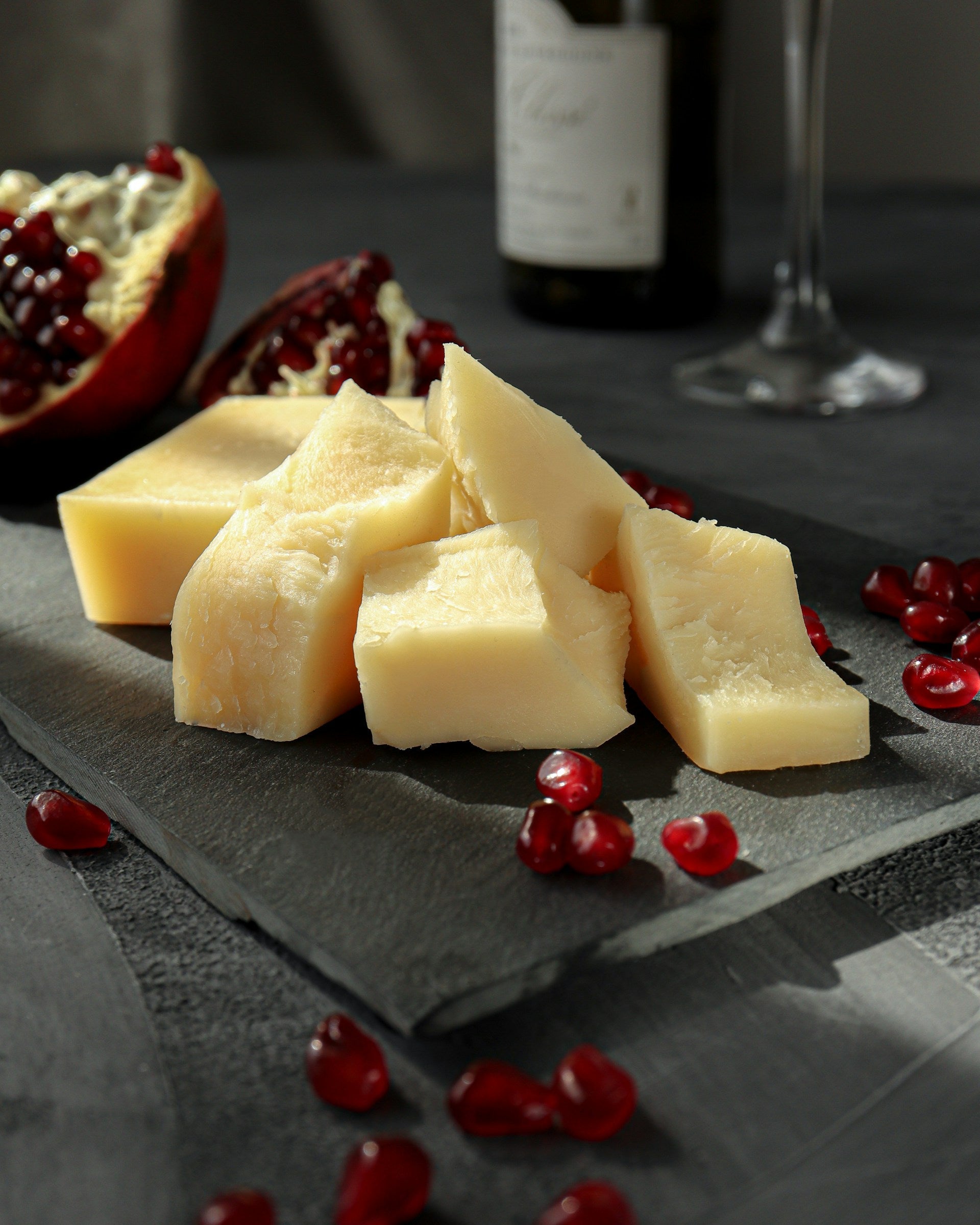
How Long Does Cheese Last In The Freezer?
Freezing Cheese: What You Need to Know
Freezing cheese is a convenient way to extend its shelf life and reduce food wastage. Understanding the benefits and types of cheese suitable for freezing can help you make the most of this preservation method.
Benefits of Freezing Cheese
Freezing cheese offers several advantages:
- Extended Shelf Life: Freezing helps to preserve cheese for a longer duration, making it a practical option for those who buy cheese in bulk.
- Convenience: Having frozen cheese on hand means you can always have a supply ready for cooking or snacking.
- Cost-Effective: Freezing allows you to take advantage of sales and bulk purchases without worrying about spoilage.
Types of Cheese Suitable for Freezing
Not all cheeses freeze equally well. The texture and quality can be affected by the freezing process. Here are some types of cheese that are generally suitable for freezing:
| Type of Cheese | Suitability for Freezing |
|---|---|
| Hard Cheeses (e.g., Cheddar, Swiss) | Excellent |
| Semi-Hard Cheeses (e.g., Gouda, Edam) | Good |
| Shredded Cheeses | Very Good |
| Processed Cheeses | Good |
| Soft Cheeses (e.g., Brie, Camembert) | Fair |
| Cream Cheeses | Not Recommended |
Hard and semi-hard cheeses tend to freeze well because they have lower moisture content. Shredded and processed cheeses also freeze effectively and can be used directly from the freezer for cooking. Soft cheeses, such as Brie and Camembert, may undergo texture changes and are best used in cooked dishes after freezing.
For more information on how long different foods last in the freezer, check out our articles on how long does butter last in the freezer? and how long does mozzarella last in freezer?.
Freezing cheese correctly involves proper packaging and understanding the freezing process, which will be covered in the following sections.
How Long Can You Freeze Cheese?
Freezing cheese can be an effective way to extend its shelf life while preserving its flavor and texture. However, it’s essential to follow general guidelines and consider various factors that can affect the freezer shelf life of cheese.
General Guidelines for Freezing Cheese
When it comes to freezing cheese, the duration it can last in the freezer depends on the type of cheese and how well it is packaged. Here are some general guidelines:
| Cheese Type | Freezer Shelf Life |
|---|---|
| Hard Cheese | 6-8 months |
| Semi-Hard Cheese | 6-8 months |
| Soft Cheese | 2-3 months |
| Processed Cheese | 6 months |
Hard and semi-hard cheeses, such as cheddar and Swiss, tend to freeze well and can last up to 6-8 months. Soft cheeses, like brie and camembert, have a shorter freezer shelf life of about 2-3 months. Processed cheese can be frozen for around 6 months.
Factors Affecting Cheese's Freezer Shelf Life
Several factors can influence how long cheese lasts in the freezer:
- Type of Cheese: Hard and semi-hard cheeses generally last longer in the freezer compared to soft cheeses due to their lower moisture content.
- Packaging: Proper packaging is crucial to prevent freezer burn and maintain the quality of the cheese. Ensure that the cheese is tightly wrapped in plastic wrap, aluminum foil, or placed in an airtight container.
- Freezer Temperature: Maintaining a consistent freezer temperature of 0°F (-18°C) is important for preserving the cheese.
- Storage Duration: The longer the cheese is stored in the freezer, the more its texture and flavor may be affected. For optimal quality, adhere to the recommended storage times.
For more information on how to properly package cheese for freezing, visit our section on the freezing process for cheese.
By following these guidelines and considering the influencing factors, you can maximize the shelf life of cheese in the freezer. For those wondering about the shelf life of other foods, check out our articles on how long does bread stay good in freezer and how long does butter last in the freezer.
Freezing Process for Cheese
Freezing cheese can be an effective way to extend its shelf life. However, it requires proper packaging and careful steps to ensure the cheese maintains its quality. Below are the details on how to package and freeze cheese correctly.
Proper Packaging for Freezing Cheese
The way you package cheese before freezing is crucial. Proper packaging helps to prevent freezer burn and maintain the cheese's texture and flavor.
- Wrap Cheese Tightly: Use plastic wrap or aluminum foil to wrap the cheese tightly. Ensure there is no air between the cheese and the wrapping material.
- Use Airtight Containers: Place the wrapped cheese in an airtight container or a resealable freezer bag. This adds an extra layer of protection against air and moisture.
- Label and Date: Always label the container or freezer bag with the type of cheese and the freezing date. This helps you keep track of the cheese's storage time.
Steps to Freeze Cheese Correctly
Freezing cheese correctly involves a few steps to ensure it retains its best possible quality.
- Cut into Portions: Cut the cheese into portions suitable for future use. This makes it easier to thaw only what you need.
- Wrap and Seal: Follow the proper packaging instructions above to wrap and seal the cheese portions.
- Flash Freeze (Optional): For shredded cheese or smaller pieces, consider flash freezing. Spread the cheese pieces on a baking sheet and freeze for a couple of hours. Once frozen, transfer them to an airtight container or freezer bag.
- Store Properly: Place the packaged cheese in the coldest part of your freezer, usually the back or bottom.
| Type of Cheese | Suggested Freezing Time |
|---|---|
| Hard Cheeses (e.g., Cheddar, Parmesan) | Up to 6 months |
| Semi-Hard Cheeses (e.g., Gouda, Swiss) | Up to 4 months |
| Soft Cheeses (e.g., Brie, Camembert) | Up to 2 months |
For more information on how long other food items last in the freezer, check out our articles on how long does mozzarella last in freezer? and how long does butter last in the freezer?.
By following these guidelines, you can effectively freeze cheese and enjoy it for an extended period. For safety precautions and to identify signs of spoilage, refer to the section on monitoring cheese quality.
Thawing and Using Frozen Cheese
Thawing Frozen Cheese Safely
Thawing cheese properly is crucial to maintain its texture and flavor. The best method to thaw frozen cheese is to transfer it from the freezer to the refrigerator. This gradual thawing process helps preserve the integrity of the cheese. Here's a simple guide:
- Remove the cheese from the freezer.
- Place it in the refrigerator.
- Allow it to thaw for 24 to 48 hours, depending on the size and type of cheese.
Thawing Cheese Safely
| Cheese Type | Thawing Time in Refrigerator |
|---|---|
| Soft Cheese | 24 hours |
| Semi-Hard Cheese | 36 hours |
| Hard Cheese | 48 hours |
Avoid thawing cheese at room temperature or using a microwave, as these methods can cause the cheese to become rubbery or lose its flavor.
Ways to Use Thawed Cheese
Once your cheese is thawed, you can use it in various culinary applications. While the texture may be slightly altered, thawed cheese works well in cooked dishes. Here are some ways to use it:
- Melting: Thawed cheese is perfect for melting in dishes like grilled cheese sandwiches, casseroles, and quesadillas.
- Baking: Use it in baked recipes such as lasagna, pizza, and cheesy breads.
- Sauces: Incorporate thawed cheese into creamy sauces and dips.
- Soups: Add it to soups for a rich, cheesy flavor.
- Toppings: Sprinkle it over salads, tacos, or baked potatoes.
For more tips on using frozen and thawed foods, you might find our articles on how long does chicken last in the fridge and how long does butter keep in the freezer helpful. Remember, proper thawing and usage methods ensure you enjoy the best quality and taste from your frozen cheese.
Monitoring Cheese Quality
Signs of Cheese Spoilage
When keeping cheese in the freezer, it's essential to monitor its quality to ensure it remains safe to eat. There are several signs indicating that cheese has spoiled:
- Discoloration: If you notice any unusual colors, such as brown, green, or blue, it may indicate mold growth.
- Odor: A sour or off smell is a clear sign of spoilage. Fresh cheese should have a pleasant, milky aroma.
- Texture: If the cheese feels slimy or excessively dry, it may no longer be good to consume.
- Taste: An off or bitter taste can indicate that the cheese has gone bad.
Safety Precautions When Freezing and Thawing Cheese
To ensure the safety and quality of your frozen cheese, follow these precautions:
- Proper Packaging: Use airtight containers or heavy-duty freezer bags to prevent freezer burn and contamination. Ensure that all air is removed before sealing.
- Labeling: Always label the packaging with the type of cheese and the date it was frozen. This helps you keep track of its shelf life.
- Freezing Temperature: Keep your freezer at 0°F (-18°C) or below to maintain the quality of the cheese.
- Thawing: Thaw cheese in the refrigerator rather than at room temperature to minimize bacterial growth. Place the cheese in its packaging on a plate to catch any moisture.
- Avoid Refreezing: Do not refreeze cheese after it has been thawed, as this can further degrade its quality and safety.
By following these guidelines, you can enjoy your cheese for longer periods while maintaining its quality and safety. For more information on how to handle different foods in the freezer, check out our articles on how long does butter last in the freezer? and how long does bread stay good in freezer?.
Get Your Upgrade or New Addition at Fridge.com
Whether you're searching for your perfect fridge, freezer, wine fridge, beer fridge, ice maker, or kegerator, we have what you need.
Shop the world's best brands at Fridge.com.
We also have tons of awesome articles about kitchen stuff and home news. Enhance your home, garage, backyard, patio, and office with the coolest essentials. With every necessary type of residential refrigerator or freezer in our collection, we've got you covered.
Elevate your game and shop now at Fridge.com!