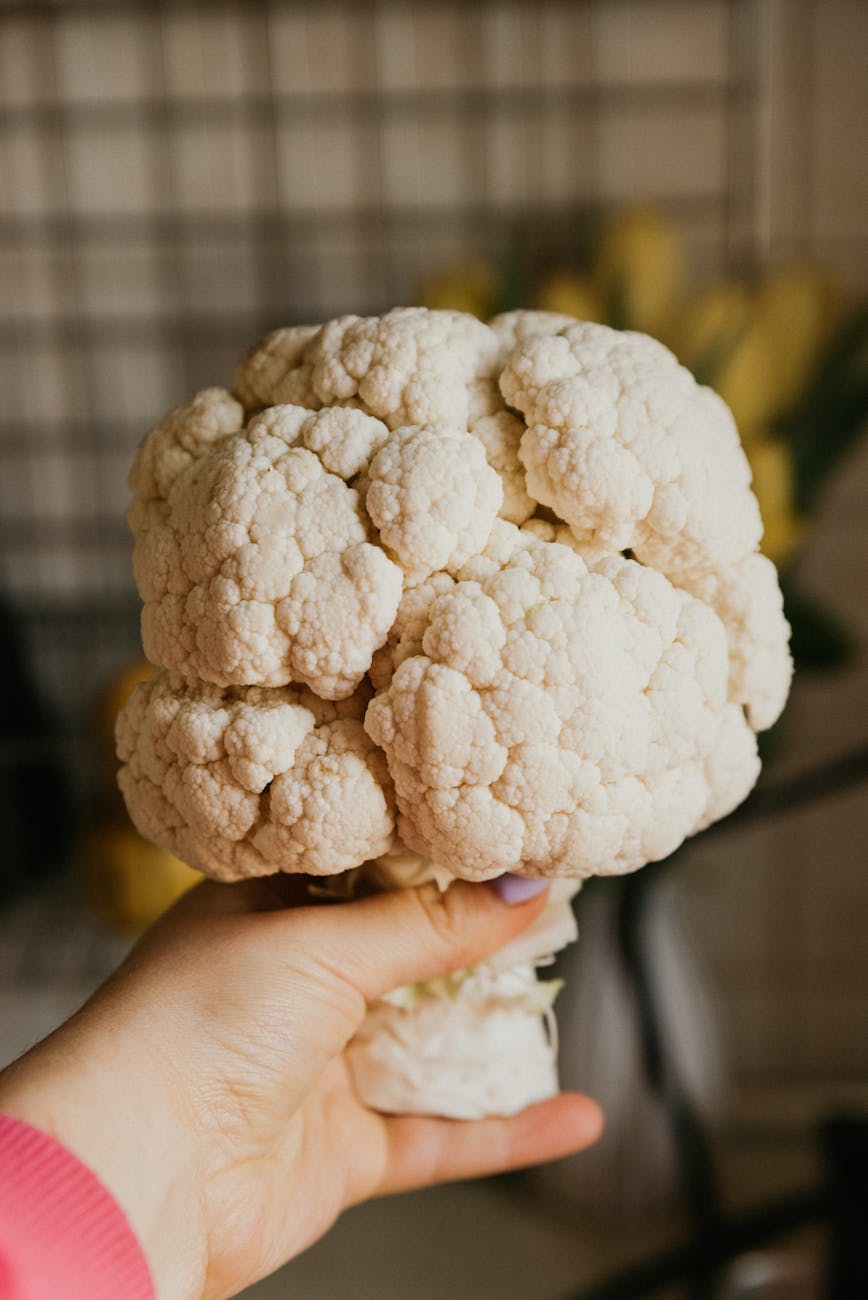
Storing Cauliflower: A Guide
Introduction to Storing Cauliflower
When you bring home a fresh head of cauliflower, you're holding a bundle of culinary potential. Whether you're planning to roast it for a savory side dish, mash it as a low-carb alternative to potatoes, or transform it into a creamy soup, proper storage is key to maintaining its freshness and nutrition. Understanding how to store cauliflower can extend its shelf life and ensure that you have the best quality ingredient for your meals.
Importance of Proper Storage
The importance of proper storage cannot be overstated, especially for fresh produce like cauliflower. Cauliflower is not only a versatile vegetable but also a nutritious one, packed with vitamins, fiber, and antioxidants. To reap the full health benefits and enjoy its natural flavor and texture, you must store it correctly.
Proper storage can significantly impact how long cauliflower lasts in your fridge, affecting its taste, texture, and safety for consumption. It also helps in reducing food waste, saving money, and maintaining a sustainable kitchen practice. Whether you own a standard refrigerator or have invested in specialty storage like a skin care fridge or under counter freezers, the principles of storing cauliflower effectively remain the same.
For individuals who live in various types of dwellings, from apartments to mobile homes or even those with a car fridge for road trips, the question 'how long does cauliflower last in the fridge?' is pertinent. By storing cauliflower properly, you not only ensure your vegetable stays fresh but also manage the efficiency of your fridge, which is essential considering how much electricity fridges use.
Stay tuned for actionable tips on how to store whole and cut cauliflower, signs of spoilage to watch out for, and how to extend its shelf life. Whether you have a compact fridge freezer or a luxurious French door fridge, mastering the art of cauliflower storage is easy and beneficial.
Fresh Cauliflower in the Fridge
When you bring fresh cauliflower home, whether you're a foodie, a chef, or simply someone who loves their fridge stocked with fresh produce, it's important to know how to keep it crisp and fresh for as long as possible. The refrigerator is the best place to store fresh cauliflower, but the duration it remains fresh can vary depending on whether it is whole or cut.
How Long Can You Keep Whole Cauliflower?
Whole cauliflower tends to last longer in the fridge because it has not been exposed to the elements as much as cut cauliflower. When stored properly, whole cauliflower can stay fresh for about 1 to 3 weeks in the refrigerator. Be sure to check out our article on what temp should a fridge be? to ensure you're storing your vegetables at the optimal temperature.
| Storage Method | Expected Freshness Duration |
|---|---|
| Whole Cauliflower in the Fridge | 1 - 3 weeks |
How Long Can You Keep Cut Cauliflower?
Once cauliflower is cut, it tends to spoil more quickly due to increased exposure to air and moisture. Cut cauliflower can be stored in the refrigerator for about 2 to 7 days if kept in an airtight container or a tightly sealed plastic bag. For additional tips on keeping your cauliflower fresh for longer, have a look at our related article on how long does asparagus last in the fridge?, as similar principles apply.
| Storage Method | Expected Freshness Duration |
|---|---|
| Cut Cauliflower in the Fridge | 2 - 7 days |
Remember, these are estimated time frames, and the actual shelf life may vary based on the condition of the cauliflower when purchased and the specific temperature and humidity conditions of your fridge. Always check your cauliflower for signs of spoilage before use, and consider using it in delicious freezer meals if you won't be able to consume it fresh in time.
Signs of Spoilage
Identifying Spoiled Cauliflower
The freshness of your cauliflower is paramount for both taste and health. To determine if your cauliflower has spoiled, look for these signs:
- Color Changes: Fresh cauliflower should have a consistent white or cream color. If you notice brown, black, or yellow spots, these are signs of decay.
- Texture: A fresh cauliflower head should feel firm to the touch. If it feels soft or has a slimy texture, it's an indication that it has started to spoil.
- Odor: Cauliflower should have a mild, slightly sweet smell. An off-putting or strong odor is a clear sign that the cauliflower is no longer good.
- Mold: Any visible mold growth on the cauliflower means it should be discarded immediately.
By staying vigilant and checking for these signs, you can ensure that you're using cauliflower at its peak quality.
When to Discard Cauliflower
Once you've identified that your cauliflower shows signs of spoilage, it's important to discard it to prevent foodborne illness. Here's when you should throw away your cauliflower:
- Presence of Mold: Mold can produce harmful toxins that aren't always killed during the cooking process. If you see mold, discard the entire cauliflower.
- Prolonged Storage: Even without visible signs of spoilage, if your cauliflower has been stored in the fridge for an extended period (beyond 2-3 weeks for whole heads or 4-7 days for cut florets), it's best to err on the side of caution and discard it.
- Foul Smell or Taste: Trust your senses. If the cauliflower smells off or tastes unpleasant, it's best to throw it out.
| Sign of Spoilage | Action |
|---|---|
| Color changes (brown/black/yellow spots) | Discard affected parts or entire head if widespread |
| Soft or slimy texture | Discard the entire head |
| Off-putting or strong odor | Discard the entire head |
| Visible mold | Discard the entire head |
| Stored beyond recommended time | Discard the entire head |
For more information on keeping your food fresh and understanding the workings of your fridge, read our articles on what causes freezer burn? and do fridges use a lot of electricity?. If you're in the market for a new fridge or freezer to store your vegetables and more, explore options like under counter freezers and small fridge freezer to find the perfect fit for your needs.
Storing Cauliflower Properly
Proper storage of cauliflower can significantly impact its shelf life and freshness. Whether you're storing a whole head of cauliflower or it's already cut into florets, there are specific steps you can follow to ensure it remains as fresh as possible for as long as possible.
Tips for Storing Whole Cauliflower
When you bring a whole cauliflower home, here are the steps you should take to store it correctly in the fridge:
- Do Not Wash: Keep the cauliflower dry; moisture can promote mold growth. Wash it only when you're ready to use it.
- Leave the Leaves: The leaves can protect the cauliflower head and keep it fresh. If possible, leave them on until you're ready to cook.
- Wrap It Up: Wrap the cauliflower head in a loose plastic bag or a perforated bag to allow for air circulation. You can also use a beeswax wrap as an eco-friendly option.
- Refrigerator Placement: Place the wrapped cauliflower in the crisper drawer of your fridge. This compartment is designed to maintain an ideal environment for vegetables.
- Check Regularly: Keep an eye on your cauliflower for any signs of spoilage, and use it within the optimal time frame.
For more information on the best practices for refrigerator storage, including the ideal temperature and humidity settings, you can visit our articles on what temp should a fridge be? and what should a refrigerator temperature be?.
Tips for Storing Cut Cauliflower
Once cauliflower is cut, it becomes more susceptible to spoilage. Here's how to store cut cauliflower:
- Wash and Dry: Rinse the cut florets in cold water, and ensure they're completely dry before storing to prevent mold.
- Airtight Container: Store the florets in an airtight container or resealable plastic bags to keep out moisture and other contaminants.
- Paper Towel Trick: Place a paper towel in the container or bag to absorb any excess moisture that may accumulate.
- Consume Quickly: Cut cauliflower won't last as long as a whole head, so plan to use it within a few days.
If you're looking for more innovative ways to keep your food fresh, explore our articles on freezer meals, under counter freezers, or if you're on the move, consider using a car fridge.
By following these tips, you'll ensure that your cauliflower stays fresh for as long as possible, reducing food waste and preserving the delicious flavor and nutrients of this versatile vegetable. Whether you're storing it in a counter depth refrigerator or a small fridge freezer, proper storage is the key to maintaining the quality of your cauliflower.
Extending Cauliflower's Shelf Life
To ensure you get the most out of your cauliflower before it spoils, there are several strategies you can implement to extend its freshness. Keeping cauliflower crisp and fresh not only maintains its nutritional value but also its taste and versatility in your cooking.
Ways to Extend Cauliflower's Freshness
Ensuring your cauliflower remains fresh for as long as possible requires a few key steps:
- Keep it Cold: Store your cauliflower in the refrigerator as soon as you get it home. The cold environment slows down the decomposition process.
- Stay Dry: Moisture is the enemy of freshness when it comes to cauliflower. Make sure it's completely dry before storing it to prevent mold growth.
- Proper Airflow: Use perforated plastic bags or a container that allows for some airflow. This prevents ethylene gas, which can accelerate spoilage, from building up around the vegetable.
- Minimal Handling: The more you handle cauliflower, the quicker it will spoil. Try to touch it as little as possible and only cut it right before you plan to use it.
By following these steps, you can help your cauliflower stay fresh for a longer period. For more information on keeping your produce fresh, check out our articles on what causes freezer burn? and what temp should a fridge be?.
Freezing Cauliflower
Freezing is an excellent way to preserve cauliflower for an extended period. To freeze cauliflower, follow these steps:
- Clean and Cut: Wash the cauliflower thoroughly and cut it into uniform pieces.
- Blanch: Blanch the florets in boiling water for about three minutes, then immediately transfer them to an ice bath. This process helps to preserve the texture and flavor.
- Dry: Ensure the cauliflower pieces are completely dry to prevent ice crystals from forming.
- Pre-freeze: Lay the cauliflower pieces on a baking sheet in a single layer and freeze them until they are firm to the touch.
- Packaging: Transfer the pre-frozen florets into airtight containers or freezer bags, label them with the date, and place them back in the freezer.
| Step | Description |
|---|---|
| Clean and Cut | Prepare cauliflower into uniform pieces. |
| Blanch | Boil for 3 minutes, then ice bath. |
| Dry | Dry thoroughly. |
| Pre-freeze | Freeze on a baking sheet until firm. |
| Packaging | Use airtight containers or bags; label with the date. |
Frozen cauliflower can last for up to 8 months when stored properly. Whenever you need cauliflower for a recipe, you can take out just the amount you need, and it will be just as good as fresh. For more insights on freezing foods, take a look at our comprehensive guides on freezer meals 101 and how long can mince stay in the freezer?.
By applying these methods, you can enjoy your cauliflower for much longer than if it were simply stored in the fridge without any preparation. Whether you choose to keep it in the refrigerator or opt to freeze it, these tips will help you minimize waste and maximize your enjoyment of this versatile vegetable.
Delicious Cauliflower Recipes
Transform your leftover cauliflower into culinary delights with these recipe ideas. Whether you're looking to create an appetizing side dish or a main course, these suggestions will help you make the most out of your cauliflower before it's time to bid farewell.
Utilizing Leftover Cauliflower
Leftover cauliflower need not go to waste. Here are some creative ways to repurpose it:
- Cauliflower Rice: Grate your leftover cauliflower to create a low-carb, rice-like base that can be seasoned and paired with a variety of dishes.
- Cauliflower Mash: Boil and mash the cauliflower with some butter, cream, and seasoning for a comforting side dish that mimics mashed potatoes.
- Cauliflower Buffalo Bites: Coat the leftover florets in your favorite buffalo sauce and bake until crispy for a spicy and satisfying snack.
Creative Ways to Cook Cauliflower
If you're looking for something new to try, consider these innovative cauliflower recipes:
- Roasted Cauliflower Steaks: Slice your cauliflower into thick steaks, season with herbs and spices, and roast in the oven for a hearty and healthy alternative to meat.
- Cauliflower Alfredo Sauce: Blend steamed cauliflower with garlic, cheese, and milk to create a creamy and delicious pasta sauce.
- Cauliflower Tacos: Replace traditional taco fillings with spiced, roasted cauliflower for a vegetarian twist on taco night.
Cauliflower is incredibly versatile and lends itself to a wide range of flavors and cooking techniques. These recipes aim to inspire you to view leftover cauliflower as an opportunity for experimentation and enjoyment in the kitchen.
For those looking to preserve their cauliflower for an extended period, remember that freezing cauliflower is a viable option. And as you continue to explore culinary uses for your fridge contents, consider the impact of appliance efficiency and maintenance on your food's longevity by reading our guides on what temp should a fridge be? and how long does cooked pork last in the fridge?
Get Your Upgrade or New Addition at Fridge.com
Whether you're searching for your perfect fridge, freezer, wine fridge, beer fridge, ice maker, or kegerator, we have what you need.
Shop the world's best brands at Fridge.com.
We also have tons of awesome articles about kitchen stuff and home news. Enhance your home, garage, backyard, patio, and office with the coolest essentials. With every necessary type of residential refrigerator or freezer in our collection, we've got you covered.
Elevate your game and shop now at Fridge.com!