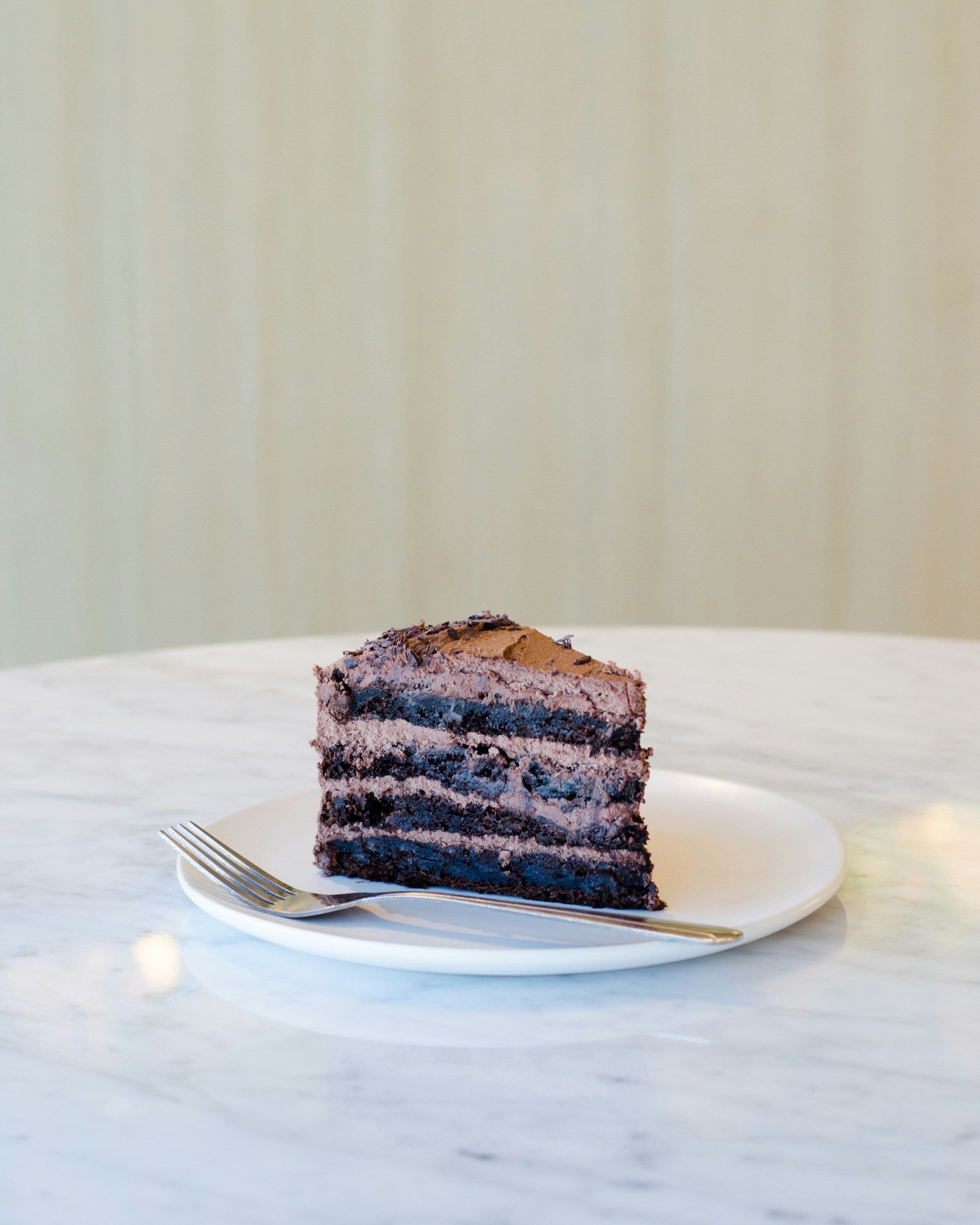
Storing Cake in the Fridge
Importance of Proper Cake Storage
Proper storage of cake in the fridge is essential to maintain its freshness and flavor. When you refrigerate your cake correctly, you can extend its shelf life, preserve its moist texture, and prevent the growth of bacteria. Refrigeration is especially important in warmer climates or during the summer months when room temperature can adversely affect the cake's quality.
Factors Affecting Cake Shelf Life
Several factors influence how long your cake will last in the fridge. These include:
- Ingredients: Cakes made with fresh fruit, cream, or custard fillings tend to have a shorter shelf life due to their moisture content.
- Frosting type: Buttercream and fondant can act as a barrier to moisture and may extend the shelf life compared to whipped cream frostings.
- Exposure to air: Cakes that are not properly sealed or covered can dry out or absorb odors from the fridge.
- Humidity: High humidity levels within the fridge can affect the texture and structure of the cake.
- Initial freshness: Cakes that are refrigerated soon after baking will last longer than those left out for an extended period.
By understanding these factors, you can take the necessary steps to ensure your cake remains as delicious as the day it was baked. For more insight into preserving different types of food, explore our articles on how various items fare in the fridge, such as how long do lanzones last in the fridge or how long does buffalo sauce last in the fridge.
How Long Does Cake Last in the Fridge?
Storing your cake in the refrigerator can significantly extend its freshness and edibility, but the shelf life can vary greatly depending on whether it's frosted or unfrosted.
Unfrosted Cake
Unfrosted cakes tend to dry out less quickly than their frosted counterparts because they lack the added moisture from icing. When stored properly in the fridge, an unfrosted cake can last for about 5 to 7 days. It's essential to store it in an airtight container or wrap it tightly in plastic wrap to prevent it from absorbing any odors or flavors from other foods stored in the fridge.
Here's a quick reference for the shelf life of different types of unfrosted cakes:
| Cake Type | Shelf Life in Fridge |
|---|---|
| Sponge Cake | 5-7 days |
| Pound Cake | 5-7 days |
| Angel Food Cake | 5-7 days |
| Fruit Cake | 14 days |
For more on preserving specific food items in the fridge, such as how long do lanzones last in the fridge or how long does watermelon juice last in the fridge, you can explore our comprehensive guides.
Frosted Cake
Frosted cakes generally have a shorter lifespan in the fridge due to the moisture from the frosting which can make the cake soggy over time. Buttercream or fondant-covered cakes can last in the fridge for up to 4 to 5 days. If the frosting is made with cream cheese or whipped cream, it's best to consume the cake within 2 to 3 days.
Below is a table indicating how long you can expect a frosted cake to last in the fridge:
| Frosting Type | Shelf Life in Fridge |
|---|---|
| Buttercream | 4-5 days |
| Fondant | 4-5 days |
| Cream Cheese | 2-3 days |
| Whipped Cream | 2-3 days |
Remember, these are general guidelines, and the actual shelf life can vary based on factors such as the ingredients used and how the cake is stored. Make sure to check out our tips on properly packaging your cake to maximize freshness.
For other fridge storage durations, such as how long is chicken broth good for in the fridge or how long does guava juice last in the fridge, visit our dedicated articles for more information.
Tips for Extending Cake Shelf Life
To ensure your delightful confection remains fresh and enjoyable, it's essential to understand the best practices for prolonging its shelf life. The following tips will guide you in properly packaging your cake and reheating it when ready to indulge again.
Properly Packaging Your Cake
Proper packaging is key to maintaining the quality and extending the shelf life of your cake. Here are steps you can follow:
- Allow the cake to cool completely before refrigerating. Placing a warm cake in the fridge can lead to condensation, which might make it soggy.
- If your cake is unfrosted, wrap it tightly in plastic wrap or aluminum foil. This helps to prevent air exposure and moisture loss.
- For frosted cakes, it's best to refrigerate the cake uncovered for about 15 minutes to harden the icing. Then, cover it loosely with plastic wrap or place it in an airtight container.
- If you've sliced the cake, press a piece of plastic wrap directly onto the cut sides to prevent dryness.
By following these steps, you can help your cake retain its moisture and flavor while stored in the fridge.
Reheating Stored Cake
Reheating cake can help restore some of its original texture and warmth, making it more enjoyable to eat after refrigeration. Here's how you can gently reheat your refrigerated cake:
- Preheat your oven to a low temperature, around 250°F (120°C).
- Place the cake slices on a baking sheet and cover them with aluminum foil to prevent them from drying out.
- Warm the cake in the oven for about 10 minutes or until it reaches the desired temperature. Be cautious not to overheat as it can dry out the cake.
- For a moist texture, you can also add a small amount of water to the baking sheet to create steam within the oven.
Remember, reheating is optional, and some cakes may be just as enjoyable served cold from the fridge. If you're looking for more information on storing other foods, check out our guides on how long do acerola cherries last in the fridge or how long does zucchini last in the fridge for additional insights into proper food preservation.
Signs Your Cake Has Gone Bad
Even when stored properly in the fridge, cake has a limited shelf life and can go bad. Recognizing the telltale signs of spoilage will help you avoid potential food waste or, worse, foodborne illness. Here are the visual and olfactory cues you should look for.
Visual Changes
Visual cues are often the first indication that your cake is no longer fresh. Be on the lookout for:
- Mold: Any signs of fuzzy blue, green, white, or black spots indicate that mold has begun to grow on your cake. Mold can appear on the icing, within the cake layers, or on exposed cut surfaces.
- Discoloration: If the icing or the cake itself has changed color, it's a sign of degradation. This can happen due to oxidation or moisture loss.
- Drying out: If the edges or the surface of the cake appear dry, hard, or crusty, the cake has likely lost its moisture and is past its prime.
Smell and Texture Changes
The scent and feel of your cake are also critical indicators of freshness:
- Off-putting smell: A cake that has gone bad may have a sour or unpleasant odor. If it doesn't smell like the rich, sweet confection you remember, it's probably time to discard it.
- Unusual texture: A fresh cake should be soft and moist. If your cake feels overly sticky, slimy, or conversely, has become tough and chewy, these are signs that the cake's quality has deteriorated.
If you notice any of these signs, it's best to err on the side of caution and throw the cake away. Consuming spoiled food can lead to food poisoning, which is far less pleasant than baking a new cake.
For further guidance on food preservation and how long other items last in the fridge, explore our articles on how long does enchilada sauce last in the fridge and how long does buffalo sauce last in the fridge, or check out our comprehensive guides for storing fruits like how long do lanzones last in the fridge and how long do lychees last in the fridge.
Freezing Cake for Longer Storage
When you're looking to preserve your cake beyond the typical fridge lifespan, freezing emerges as an excellent option. Freezing not only extends the shelf life but also retains the cake’s moisture and flavor when done correctly.
Steps for Freezing Cake
Freezing cake is straightforward if you follow these steps:
- Cool the Cake Completely: Before freezing, ensure your cake is completely cooled to room temperature. Any residual warmth can lead to condensation and ice crystals forming, which will affect the texture once thawed.
- Wrap in Plastic: Wrap the cake layers or slices in plastic wrap, ensuring all sides are covered and sealed to prevent freezer burn.
- Wrap with Foil for Extra Protection: After wrapping with plastic, encase the cake in aluminum foil for an additional barrier against the cold air.
- Place in an Airtight Container: For further protection, place the wrapped cake in an airtight container. This step helps to safeguard against the absorption of any odors from the freezer.
- Label and Date: Use a piece of tape to label the container with the type of cake and the freezing date. This will help you keep track of how long the cake has been stored.
By following these steps, you can extend the enjoyment of your cake considerably.
Thawing Frozen Cake
When it comes time to thaw your cake, patience is key to maintaining its quality.
- Thaw in the Refrigerator: Transfer the cake from the freezer to the fridge and allow it to thaw slowly, usually overnight. This gradual process helps to preserve the cake's moisture.
- Remove Plastic and Foil: Once thawed, remove the plastic and foil before bringing the cake to room temperature. This prevents any condensation from making the cake soggy.
- Serve at Room Temperature: Allow the cake to sit at room temperature for a few hours before serving to ensure the best flavor and texture.
By utilizing these freezing and thawing methods, you can delight in your cake long after its initial baking. For other food storage guidelines, explore articles like how long does enchilada sauce last in the fridge or how long do lanzones last in the fridge to keep all your edibles fresh and tasty.
Get Your Upgrade or New Addition at Fridge.com
Whether you're searching for your perfect fridge, freezer, wine fridge, beer fridge, ice maker, or kegerator, we have what you need.
Shop the world's best brands at Fridge.com.
We also have tons of awesome articles about kitchen stuff and home news. Enhance your home, garage, backyard, patio, and office with the coolest essentials. With every necessary type of residential refrigerator or freezer in our collection, we've got you covered.
Elevate your game and shop now at Fridge.com!