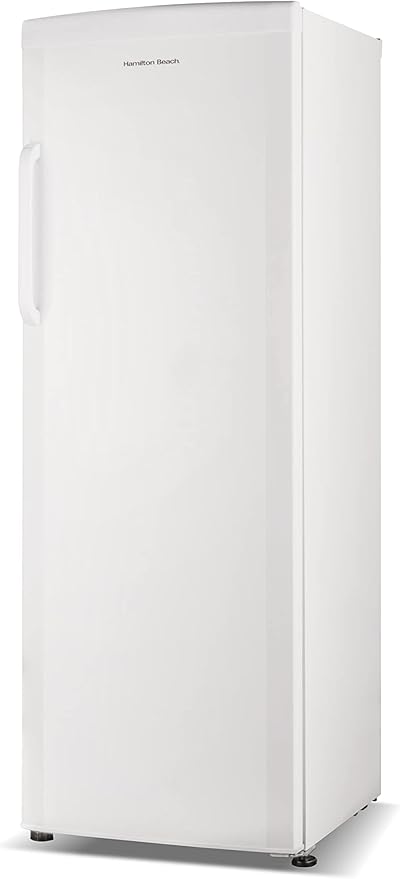
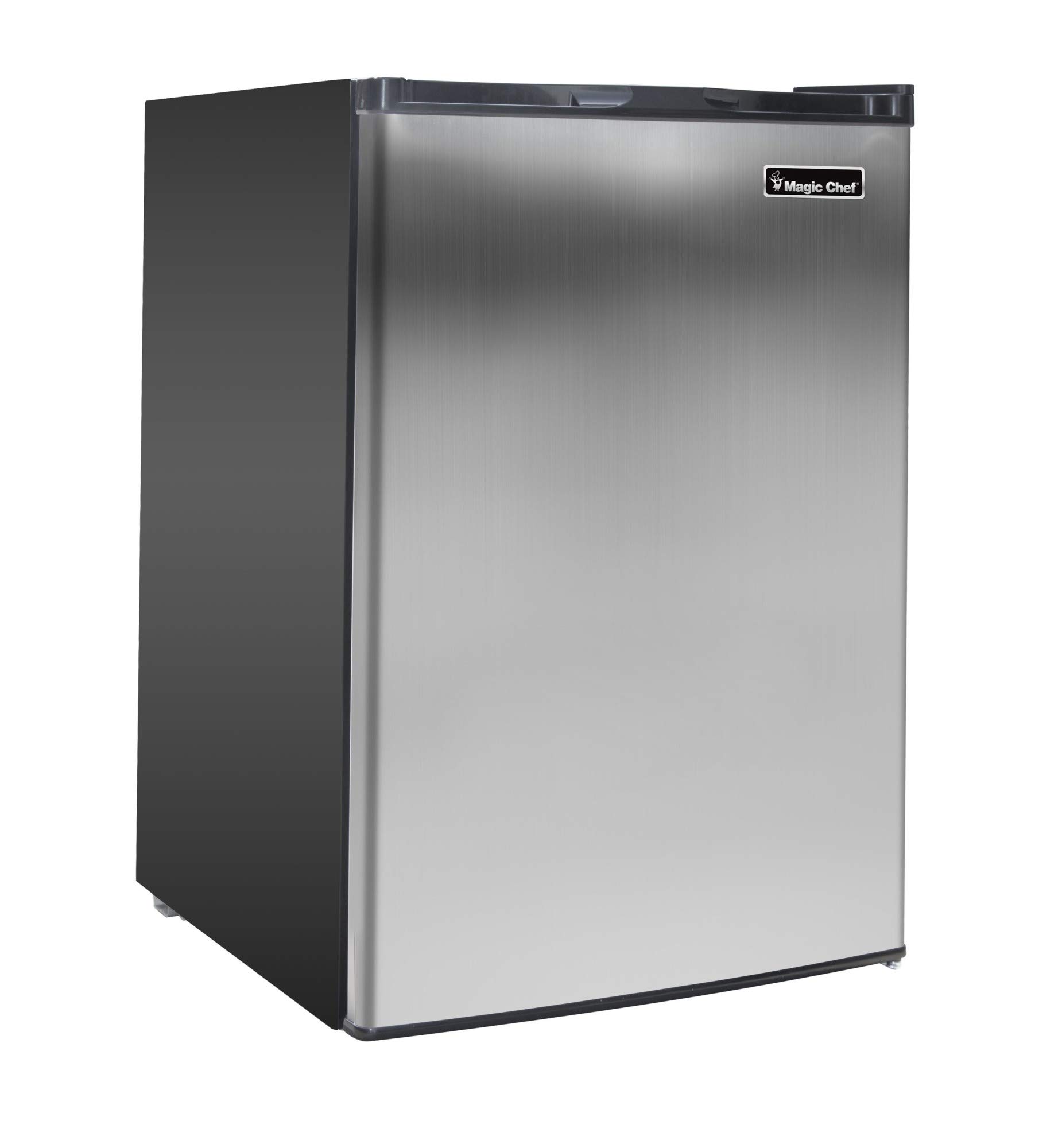
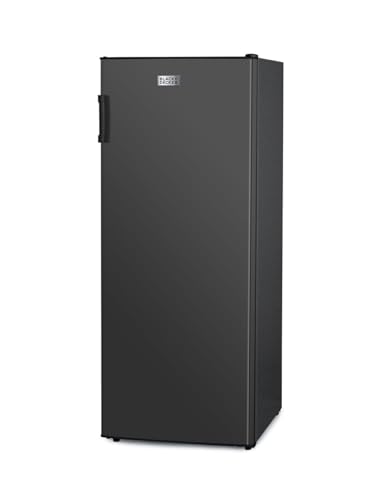
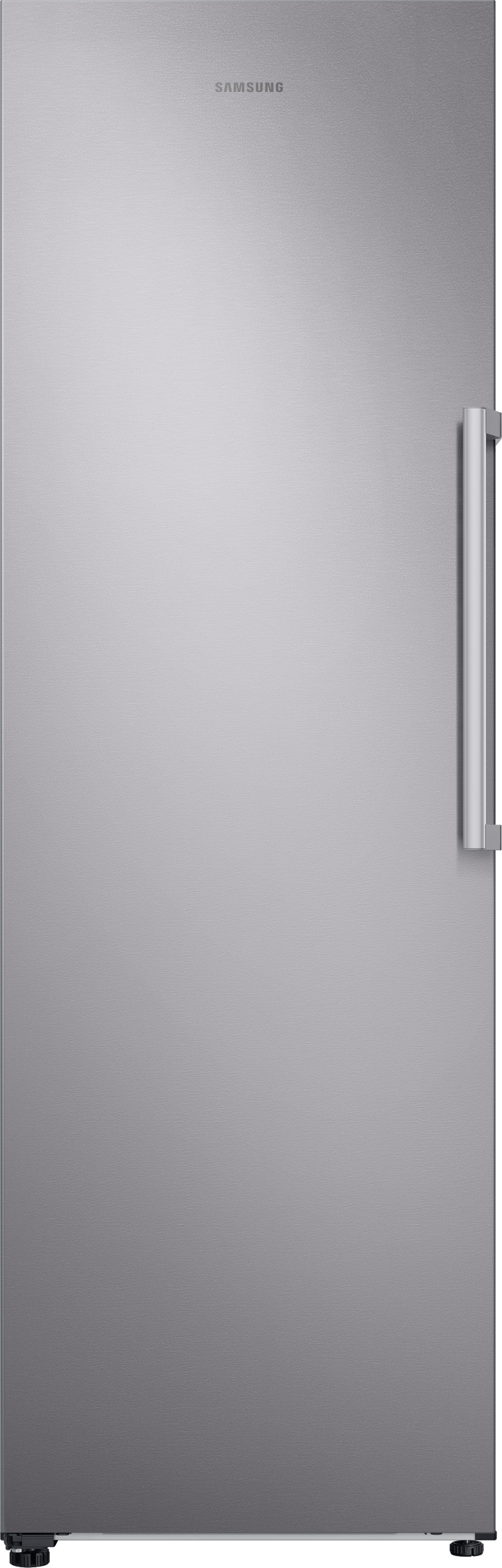
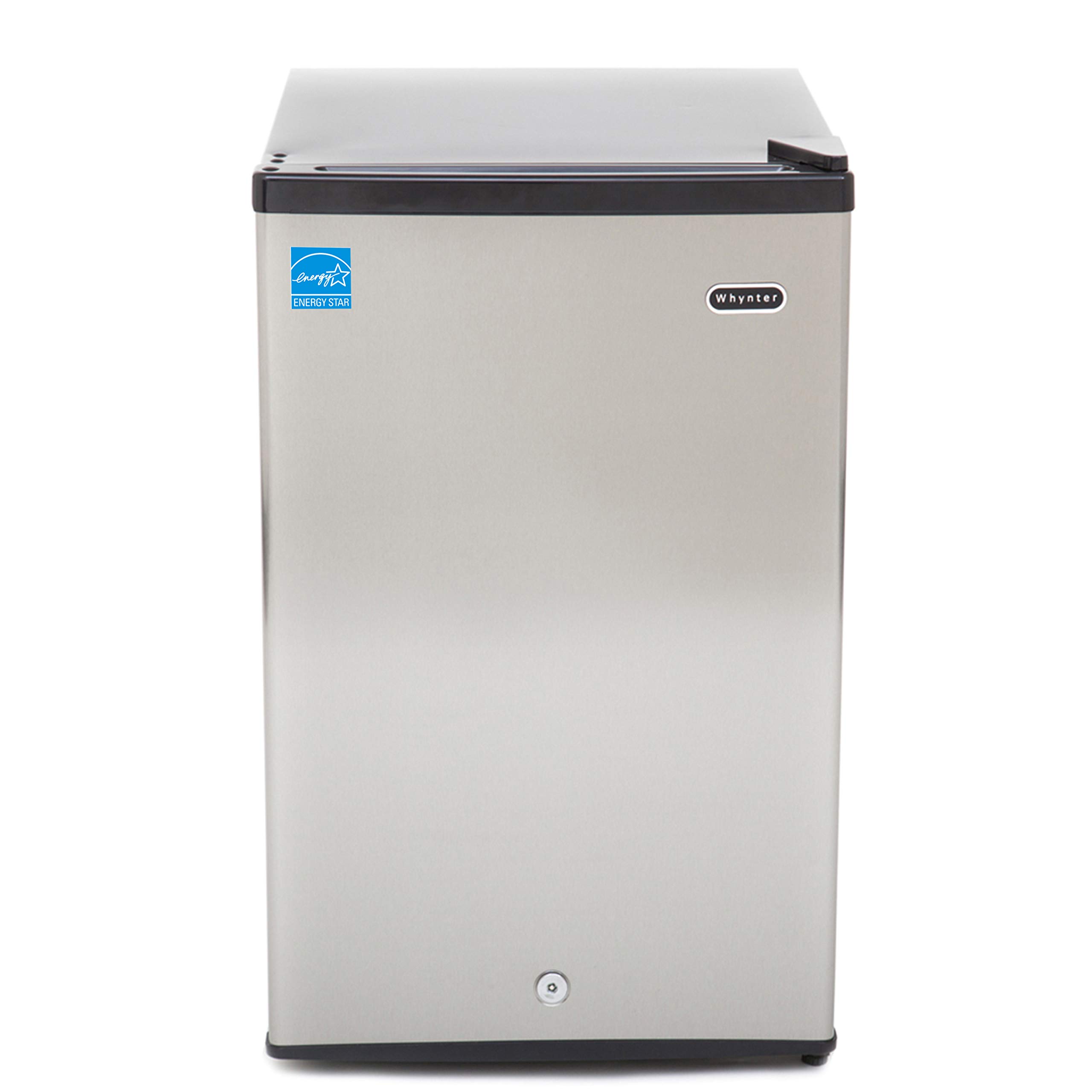
Breast milk lasts 6 to 12 months in a deep freezer held at 0°F (-18°C) or below, about 3 to 6 months in a standard freezer with its own separate door, and roughly 2 weeks in the small freezer compartment inside a refrigerator. For the best quality, aim to use frozen breast milk within 6 months. Stored in the fridge at or below 40°F (4°C), freshly expressed milk keeps for up to 4 days, and left at room temperature it stays safe for about 4 hours. Once frozen milk is thawed, use it within 24 hours if refrigerated or within 2 hours at room temperature, and never refreeze it. The chart and sections below break down every storage location, temperature, and thawing method in detail.
How Long Is Breast Milk Good For? Quick Storage Chart
Use this at-a-glance chart to see how many days (or months) breast milk can be stored in each location. Freshly expressed milk lasts longer than milk that has already been frozen and thawed, so the two are listed separately.
Storage Location
Freshly Expressed Milk
Thawed (Previously Frozen) Milk
Room temperature (up to 77°F / 25°C)
Up to 4 hours
Up to 2 hours
Warm room (above 77°F / 25°C)
Up to 2 hours
Use immediately
Refrigerator (40°F / 4°C or below)
Up to 4 days
Up to 24 hours
Freezer compartment inside a fridge (single door)
About 2 weeks
Do not refreeze
Freezer with a separate door
3 to 6 months
Do not refreeze
Chest or upright deep freezer (0°F / -18°C)
6 to 12 months
Do not refreeze
These are conservative, safety-first windows. Always store milk in clean, food-grade breast milk storage bags or BPA-free containers, label each one with the date it was expressed, and use the oldest milk first. When in doubt about a container, throw it out.
Breast Milk at Room Temperature (Out of the Fridge)
Freshly expressed breast milk is safe at room temperature (up to 77°F / 25°C) for about 4 hours. In a warmer room above 77°F (25°C), that window shrinks to 2 hours. After that, bacteria can multiply to unsafe levels, which is roughly how long it takes for breast milk to begin to spoil when left out.
Keep the container covered and away from direct sunlight, stovetops, radiators, and heater vents.
If you know you won't use the milk within a few hours, refrigerate or freeze it right away rather than leaving it on the counter.
Milk that has already been thawed from frozen is more fragile: use it within 2 hours at room temperature.
Once your baby has started drinking from a bottle, use that milk within 2 hours and discard whatever is left, because saliva introduces bacteria.
Breast Milk in the Refrigerator
Freshly expressed breast milk keeps in the refrigerator for up to 4 days when it is stored at or below 40°F (4°C). Many parents aim to use or freeze it within 3 days to keep quality at its peak. Store milk toward the back of the fridge, where the temperature is coldest and most stable, and never in the door, where warm air causes the temperature to swing every time it opens.
Condition
Shelf Life in the Fridge
Freshly expressed breast milk
Up to 4 days
Thawed breast milk (previously frozen)
Up to 24 hours
Warmed but untouched breast milk
Up to 4 hours
Ideal Fridge Temperature for Breast Milk
The ideal refrigerator temperature for storing breast milk is at or below 40°F (4°C), and the sweet spot is a steady 32°F to 39°F (0°C to 4°C). Keep a thermometer in the fridge so you can confirm the actual temperature rather than trusting the dial. A mini-fridge or compact refrigerator preserves breast milk for the same length of time as a full-size unit, as long as it holds at or below 40°F (4°C). For appliances that hold a rock-steady temperature, browse Fridge.com guides to frost-free fridge freezers and the right freezer temperature.
Thawed Breast Milk in the Fridge
Once frozen breast milk has fully thawed, it can stay in the refrigerator for up to 24 hours. The clock starts the moment the milk is completely thawed, not when you first take it out of the freezer. Thawed milk should never be refrozen.
Warmed and Reheated Breast Milk
You can gently warm refrigerated or thawed breast milk to body temperature, but you should not reheat it repeatedly. Warmed milk left at room temperature should be used within 2 hours. If it was warmed but never offered to the baby, you may return it to the fridge and use it within 4 hours. Once the baby has started feeding, use the milk within 2 hours and discard any leftovers.
Freezing Breast Milk
Freezing is the best way to build a long-term supply for returning to work, travel, or caregiver feedings. Held at a consistent 0°F (-18°C) or lower, breast milk keeps its nutrients and antibodies for months.
How Long Breast Milk Lasts in the Freezer
How many months breast milk can be stored in the freezer depends on the type of freezer and how stable its temperature is:
Freezer Type
Shelf Life
Freezer compartment inside a refrigerator (single door)
About 2 weeks
Freezer section with a separate door
3 to 6 months
Stand-alone chest or upright deep freezer at 0°F (-18°C) or below
6 to 12 months
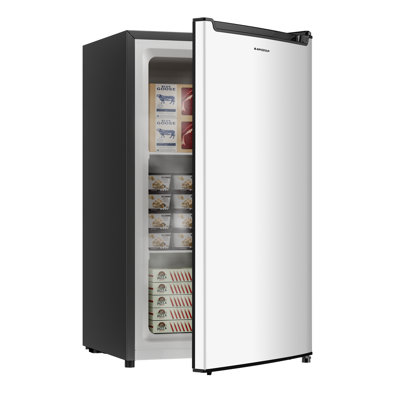
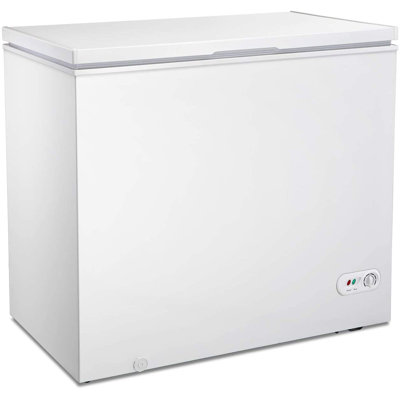
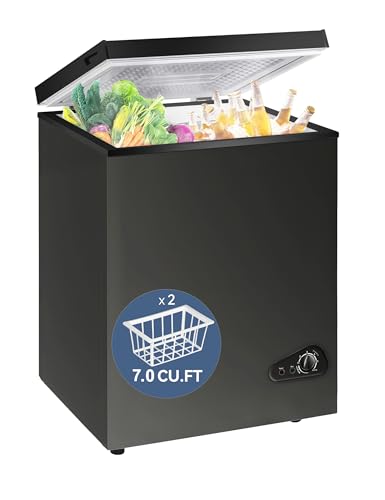
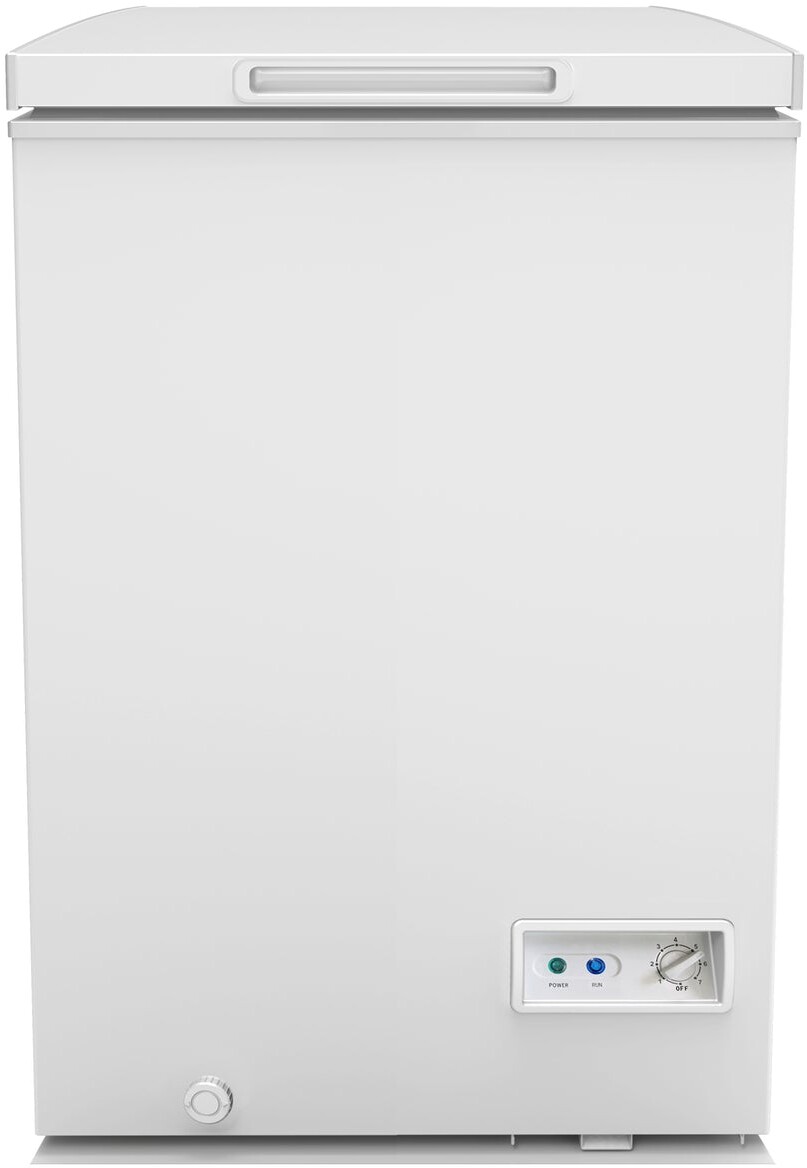
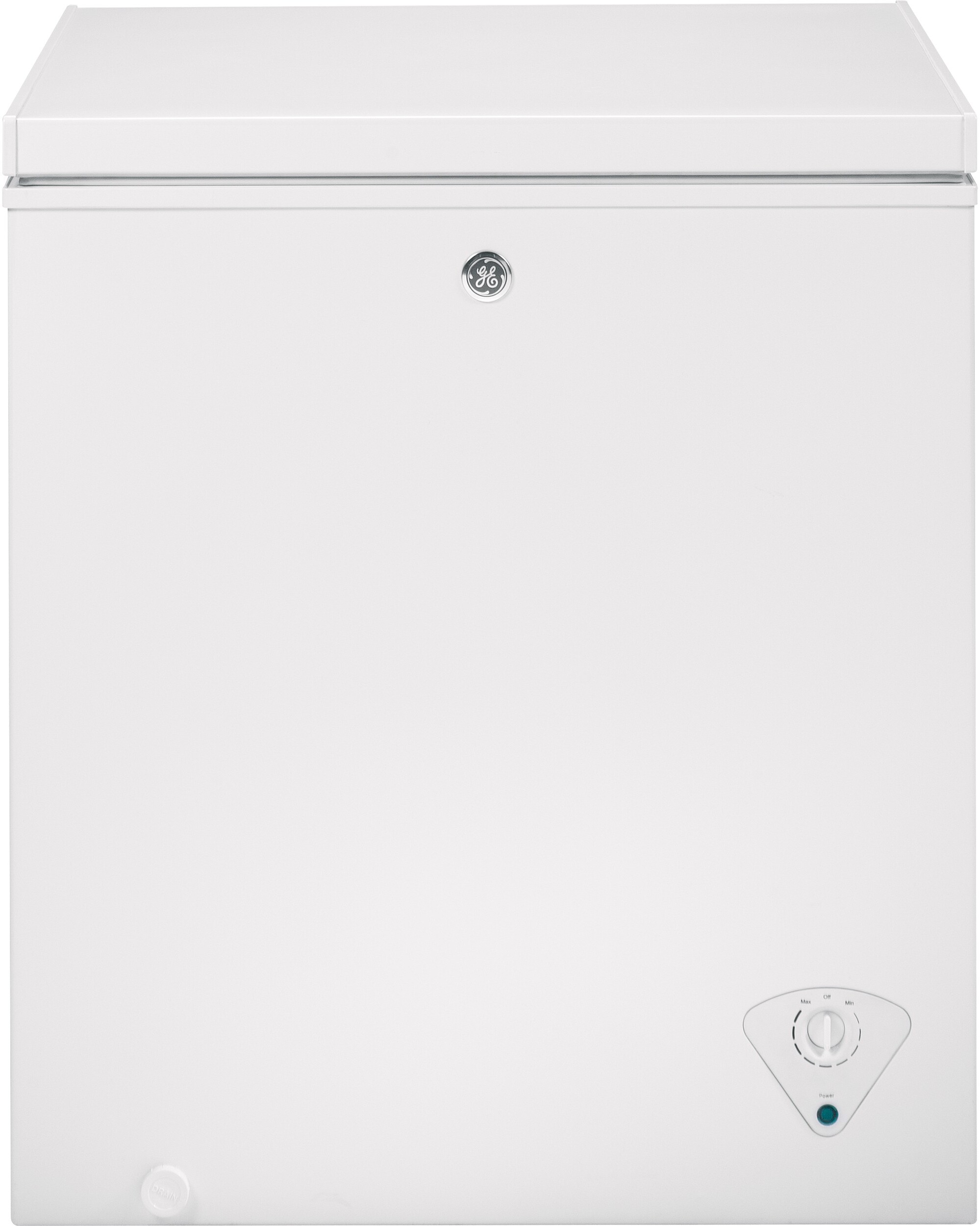
Six months is the target for best quality; up to 12 months is still acceptable when your freezer holds a steady 0°F (-18°C). A chest freezer 7 cu ft or another top-rated best freezer holds temperature far more consistently than the compartment inside a fridge, which is why it stores milk many times longer.
How to Freeze Breast Milk Properly
Wash and sterilize. Wash your hands and make sure storage containers and pump parts are clean before expressing or transferring milk.
Use the right containers. Choose breast milk storage bags or BPA-free containers made for freezing human milk, and leave about an inch of headspace at the top because milk expands as it freezes.
Freeze in small portions. Store 2 to 4 ounces per container to avoid waste and speed up thawing, since you should never refreeze what a baby doesn't finish.
Chill before freezing. Cool freshly pumped milk in the fridge first, and cool any fresh milk before adding it to already-chilled milk from the same day. Never add warm fresh milk directly to frozen milk.
Label every container with the date expressed, and use the oldest milk first.
Place it at the back of the freezer where the temperature is most constant, not in the door.
Factors That Affect Freezer Shelf Life
Temperature stability: Frequent door openings and temperature swings shorten shelf life. A dedicated drawer freezer or deep freezer stays more consistent than a standard kitchen freezer.
Container quality: Airtight, freezer-safe bags or containers protect nutrients and prevent freezer burn and contamination.
Fill volume: Leave room for expansion so containers don't crack or lids pop off.
Placement: Store toward the back, away from the door.
Thaw frozen breast milk gently to protect its nutrients and antibodies. Never thaw or heat breast milk in the microwave or in boiling water, which create scalding hot spots and destroy protective components.
Thawing Method
Time Needed
Use Within
Refrigerator (overnight)
12 to 24 hours
24 hours
Cold water bath (change water every 30 min)
1 to 2 hours
24 hours
Warm water bath
15 to 30 minutes
2 hours
Warm running water
5 to 10 minutes
2 hours
The refrigerator method is the safest; plan ahead, since it can take around 12 hours to thaw overnight. For quicker results, place the sealed container in a bowl of cold or warm water. If you also need to defrost the freezer itself, see Fridge.com guide on how to defrost a fridge freezer without turning it off.
Using Thawed Breast Milk
Warm gently to body temperature in a bowl of warm water or a bottle warmer.
Swirl, don't shake. Thawed milk often separates, with the fat rising to the top; swirl gently to blend it without creating air bubbles.
Inspect before feeding. Do not use milk that smells sour or looks off.
Do not refreeze thawed milk, and use it within 24 hours in the fridge or 2 hours at room temperature.
Checking the quality of stored milk before feeding is essential. Watch for these signs of spoilage:
Odor: Freshly thawed milk can smell slightly sweet or soapy, which is normal and caused by the enzyme lipase. A sour or rancid smell means the milk has spoiled.
Color: A drastic change, such as a yellowish-brown shade very different from its usual appearance, is a warning sign.
Consistency: Some separation is normal, but if the fat won't blend back in with a gentle swirl, or the milk stays lumpy or chunky after thawing, discard it.
Taste: A sour or foul taste confirms spoilage.
To test thawed milk, swirl and sniff it, inspect it for discoloration or separation that won't mix back in, and, if you're comfortable, take a tiny sip. When you're ever in doubt, it's safer to discard the milk. The same freshness-first mindset applies to other perishables, such as how long chicken salad lasts in the fridge.
Date every container with a waterproof label or masking tape, noting the amount of milk.
First in, first out. Arrange your stash so the oldest milk gets used first.
Keep a storage log so you know how much milk you have and how long it has been stored.
Section it off. In a large freezer, dedicate one area or drawer to breast milk so it doesn't get lost among other frozen goods.
Store small portions of 2 to 4 ounces to minimize waste, since you should never refreeze thawed milk.
Don't overfill; leave headspace for expansion.
Prevent contamination by washing hands and sanitizing all storage and pumping equipment.
Freeze promptly. The longer milk sits at room temperature before freezing, the higher the risk of bacterial growth.
Storing and Transporting Breast Milk On the Go
You don't always have a fridge or freezer nearby. These options keep milk safe when you're pumping at work, traveling, or camping:
Insulated cooler with ice packs: Keeps expressed milk safe for about 24 hours. This is ideal for transporting milk home from work or on the road. A camping fridge is a sturdier option for longer trips.
Pumping at work: Refrigerate milk in a shared or personal fridge, or use a cooler with ice packs, keeping it at or below 40°F (4°C). Label containers clearly with your name and the date, and store them in a sealed container toward the back if you share the fridge.
Refrigeration: Freshly expressed milk keeps in the coldest part of the fridge for up to 4 days if you'll use it soon.
Milk banks: If you have an oversupply, consider donating to an accredited milk bank to help babies in need.
Reusable silicone storage bags: A lower-waste option that works for both refrigeration and freezing.
No. Once breast milk has fully thawed, it should never be refrozen. Refrigerate it and use it within 24 hours, or discard it.
How long does frozen breast milk last after it's thawed?
Thawed breast milk lasts up to 24 hours in the refrigerator or up to 2 hours at room temperature. The clock starts when the milk is completely thawed, not when you take it out of the freezer.
Can I mix freshly pumped milk with milk already in the fridge?
Yes, but cool the fresh milk in the refrigerator first before combining it with already-chilled milk from the same day. Label the combined container with the date and time of the older milk. Never add warm, freshly pumped milk directly to frozen milk.
How long can breast milk stay out of the fridge?
Freshly expressed breast milk is safe at room temperature (up to 77°F / 25°C) for about 4 hours, or up to 2 hours in a warm room above 77°F. Thawed milk left out should be used within 2 hours.
Does breast milk last as long in a mini-fridge?
Yes. In a mini-fridge or compact refrigerator, breast milk lasts the same as in a full-size fridge (up to 4 days for fresh milk, up to 24 hours for thawed) as long as the temperature stays at or below 40°F (4°C).
Can I reheat breast milk, and how long does warmed milk last?
You can warm breast milk once, gently, to body temperature. Use warmed milk within 2 hours at room temperature. If it was warmed but never offered to the baby, you may refrigerate it and use it within 4 hours. Once the baby has started drinking, use it within 2 hours and discard the rest. Avoid reheating milk more than once.
Why does my thawed breast milk smell soapy?
A slightly sweet or soapy smell after thawing is normal and caused by the natural enzyme lipase breaking down fats. The milk is still safe. A sour or rancid smell, however, means it has spoiled and should be discarded.
Is it okay to store breast milk in the fridge or freezer door?
No. The door is the warmest spot and its temperature fluctuates every time the appliance opens. Store breast milk toward the back of the fridge or freezer, where the temperature is coldest and most stable.
Understanding these windows for every location, from the counter to the deep freeze, keeps your supply safe and nutritious. For more on the shelf life of other frozen foods, explore how long ice cream lasts in the freezer and how long bread lasts in the freezer.
Compare prices on Fridge.com
Compare current prices and specifications on Fridge.com, then buy from the retailer you choose; delivery, installation and warranty terms are the retailer’s.
It also has tons of awesome articles about kitchen stuff and home news. Enhance your home, garage, backyard, patio, and office with the coolest essentials. With every necessary type of residential refrigerator or freezer in the collection, you're covered.
Frequently Asked Questions
Fridge.com | Blog. Breast milk lasts 6 to 12 months in a deep freezer held at 0°F (-18°C) or below, about 3 to 6 months in a standard freezer with its own separate door, and roughly 2 weeks in the small freezer compartment inside a refrigerator. For the best quality, aim to use frozen breast milk within 6 months. Stored in the fridge at or below 40°F (4°C), freshly expressed milk keeps for up to 4 days, and left at room temperature it stays safe for about 4 hours. Once frozen milk is thawed, use it within 24 hours if refrigerated or within 2 hours at room temperature, and never refreeze it. The chart and sections below break down every storage location, temperature, and thawing method in detail.