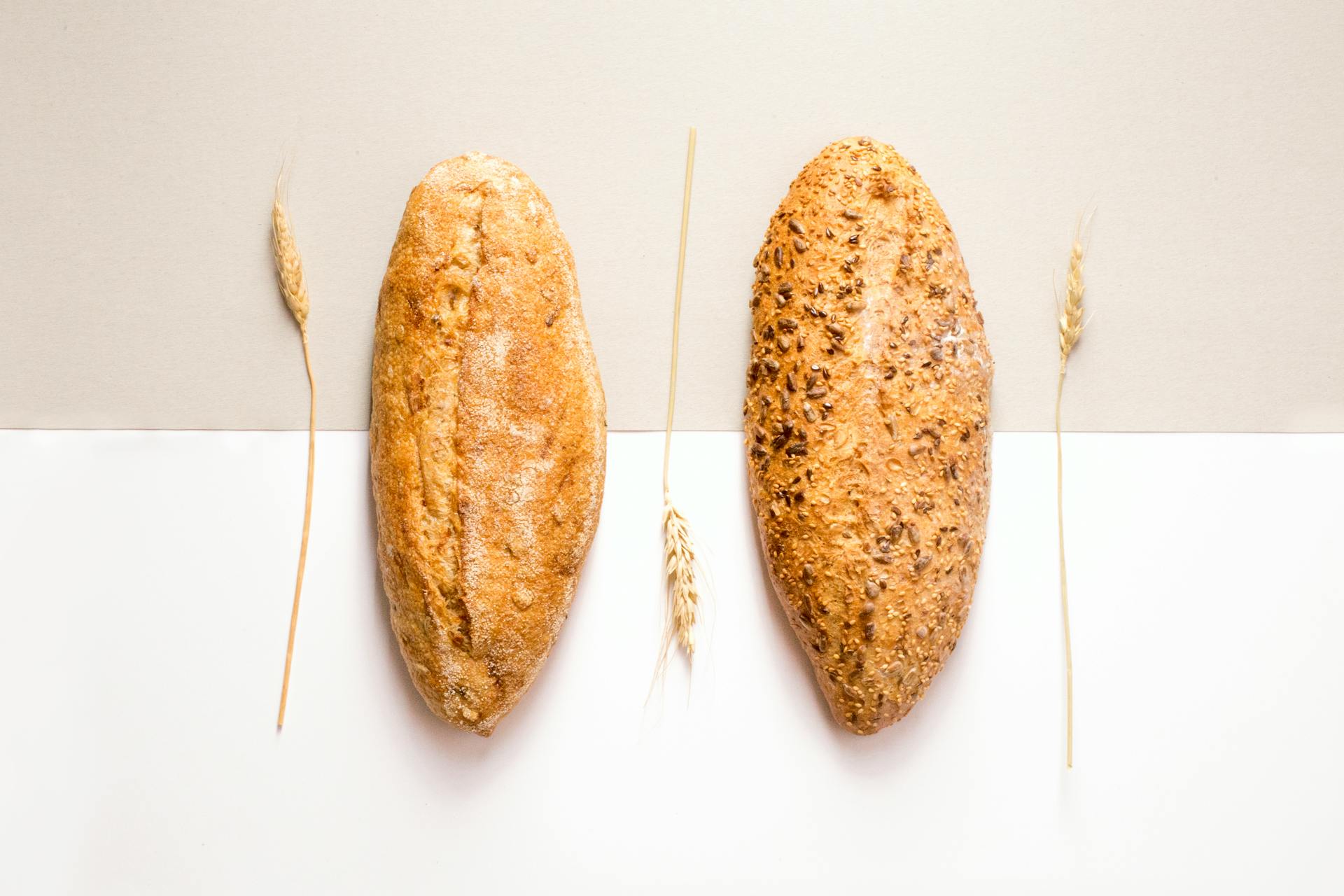
Storing Bread in the Freezer
Freezing bread is a practical way to extend its shelf life and maintain freshness. Whether you're a household planner or a culinary enthusiast, understanding the proper techniques for freezing bread can save you both time and resources.
Importance of Freezing Bread
You may find yourself with more bread than you can consume before it goes stale or molds. Freezing bread halts the aging process, keeping it fresh for future consumption. This method is particularly useful for those who buy in bulk, bake their own bread, or want to enjoy seasonal or artisanal breads over an extended period. Freezing is a cost-effective strategy that also reduces food waste.
Proper Storage Techniques
To ensure your bread retains its quality while frozen, proper storage techniques are critical. The goal is to protect the bread from freezer burn and prevent the absorption of odors from other foods stored in the freezer. Here are some steps to follow:
-
Cool the Bread: Before freezing, ensure your bread is completely cool to prevent condensation, which could lead to ice crystals and sogginess.
-
Slice (if desired): If you prefer, slice your bread before freezing. This allows you to thaw only the amount you need, rather than the entire loaf.
-
Wrap Tightly: Use cling film, aluminum foil, or a freezer-safe bag to wrap your bread tightly, eliminating as much air as possible.
-
Double Wrap: For added protection, consider placing the bread in a second layer of wrapping or a resealable freezer bag.
-
Label and Date: Use a permanent marker to label the bread with the type and date of freezing. This helps in managing your freezer inventory and using older items first.
-
Freeze Promptly: Place the wrapped bread in the freezer as soon as possible to maintain optimal freshness.
For more information on organizing your freezer and selecting the right appliances for your needs, explore articles on fridge and freezer dynamics, such as mini fridge stand and chest freezer 7 cu ft options. Learn about the optimal freezer temperature and find out how cold do freezers get? to ensure your bread remains in excellent condition. If you're interested in the history and technology behind these appliances, satisfy your curiosity with articles on who invented the freezer? and how do freezers work?.
Factors Affecting Bread's Shelf Life
When you stow away your loaf in the freezer, several factors influence how long it will maintain its quality. Understanding these elements can help you maximize shelf life and enjoy your bread at its best.
Type of Bread
The variety of bread you freeze plays a significant role in its longevity. Different bread types have varying moisture contents and structural integrity, which can affect how well they withstand the cold environment of a freezer.
| Bread Type | Expected Shelf Life in Freezer |
|---|---|
| White bread | 3-6 months |
| Whole wheat bread | 2-4 months |
| Sourdough | 4-6 months |
| Rye bread | 2-4 months |
| Gluten-free bread | 2-3 months |
For additional information on how various types of bread fare when frozen, you can look up our article on how long does bread last in the freezer? Keep in mind that bread with higher oil content, like brioche, may last slightly longer than drier varieties.
Packaging Method
The way you package your bread before freezing is another critical factor. Proper packaging ensures minimal exposure to air and prevents freezer burn, which can degrade the quality of your bread.
- Wrap tightly: Use cling film or aluminum foil to wrap your bread snugly. This minimizes air exposure that can lead to staleness and ice crystal formation.
- Airtight containers: If you prefer, you can use airtight containers or heavy-duty freezer bags to store your bread. These containers should be sealed tightly to keep out moisture and air.
- Double wrapping: For extended storage, consider double wrapping your bread—first with foil or plastic wrap, then with a freezer bag.
| Packaging Method | Effectiveness |
|---|---|
| Cling film | Good |
| Aluminum foil | Better |
| Freezer bags | Best |
| Airtight containers | Best |
For more detailed guidance on storing various food items in your freezer, check out our articles on freezer temperature and fridge freezers frost free.
By paying close attention to the type of bread you're freezing and the method you use to package it, you can greatly extend its shelf life while maintaining its taste and texture. Remember that once you decide to thaw your bread, it's best to consume it promptly to enjoy its freshness.
Freezing Bread Correctly
Properly freezing bread can extend its shelf life significantly, allowing you to enjoy it at a later date without compromise in quality. Here's how you can freeze bread the right way to maintain its freshness and flavor.
Preparing Bread for Freezing
Before tucking your bread away in the freezer, you should prepare it to ensure it retains its texture and taste when thawed.
- Cool Down: If you've baked the bread yourself, make sure it cools completely before freezing. Warm bread can produce condensation, leading to ice crystals and sogginess.
- Slice It (Optional): Consider slicing your bread before freezing so you can easily take out just what you need without having to defrost the entire loaf.
- Wrap Tightly: Use cling film, aluminum foil, or freezer-safe wrap to seal your bread tightly. This step is crucial to avoid air exposure, which can lead to freezer burn.
Suitable Containers for Freezing
The right container not only protects your bread from freezer burn but also ensures it doesn't absorb odors from other foods. Here are some options for storing your bread in the freezer:
- Freezer Bags: These are an excellent choice for freezing bread, as they're designed to withstand low temperatures and protect against moisture. Squeeze out as much air as possible before sealing.
- Airtight Containers: If you have enough space, airtight containers can provide sturdy protection for your bread and prevent it from getting crushed.
- Aluminum Foil: Wrapping bread in aluminum foil can protect it against freezer burn, especially if you're planning on storing it for a longer period.
Remember, no matter which container you choose, it's vital to ensure it's sealed properly to prevent air from entering. Label your containers with the date of freezing using a marker to keep track of how long the bread has been stored. For more insights into freezer temperature and its impact on stored food, check out our dedicated guide.
By following these steps, your bread will be well-prepared for freezing, and you'll be able to enjoy it as if it were fresh whenever you're ready. For more information on the longevity of bread when frozen and how to tell if it's gone bad, continue reading about how long does bread last in the freezer?
How Long Does Bread Last in the Freezer?
Freezing bread is a great way to extend its shelf life and enjoy your favorite loaves longer. But even in the freezer, bread doesn't last indefinitely. Here's what you need to know about the longevity of different types of bread when frozen and how to spot when bread has gone past its prime.
Shelf Life of Different Types of Bread
The shelf life of bread in the freezer can vary depending on the type. Here is a general guideline for various bread types:
| Bread Type | Approximate Shelf Life in Freezer |
|---|---|
| White Bread | 6 months |
| Whole Wheat Bread | 6 months |
| Sourdough | 4 - 6 months |
| Rye Bread | 4 - 6 months |
| Gluten-Free Bread | 2 - 3 months |
| Bagels | 6 months |
| Buns and Rolls | 3 months |
For more information on preserving different food items in your freezer, you might want to explore articles on how long does ice cream last in the freezer? or how long is breast milk good for in the freezer?.
Signs of Bread Going Bad
Even when frozen, bread can go bad. Here are some signs to look out for:
- Ice Crystals and Freezer Burn: Small ice crystals are normal, but a heavy buildup indicates that the bread may have been in the freezer too long or not stored properly.
- Discoloration: Any unusual changes in color, especially white or grayish spots, may signify freezer burn or mold.
- Off Smell: If the bread has an off-smell once thawed, it's best to discard it.
- Tough Texture: If the bread feels tough or chewy after thawing, it might not be enjoyable to eat.
- Mold: Although less common in frozen bread, if any signs of mold are present after thawing, the bread should not be consumed.
Understanding freezer temperature and how do freezers work? can help you ensure that your bread is stored at the right conditions to maximize its shelf life. Remember to always wrap your bread properly before freezing and to consume it within the recommended time frame to enjoy the best quality.
Thawing and Enjoying Frozen Bread
After storing your bread in the freezer, knowing the proper techniques to thaw and reheat it ensures that you can enjoy it as if it were fresh. Here's how you can defrost and revitalize your frozen bread.
Thawing Methods
Thawing frozen bread is a straightforward process, but doing it correctly is key to maintaining its quality. You have several options:
- Room Temperature: Simply remove the bread from the freezer and leave it on the countertop for a few hours. It's best to keep it wrapped during this process to avoid condensation making the bread soggy.
- Refrigerator Thawing: Transfer the bread from the freezer to the refrigerator the night before you plan to use it. This slow thaw will keep the bread's texture intact.
- Microwave Thawing: For a quick thaw, use your microwave's defrost setting. Keep the bread in short intervals to prevent overheating and drying out.
It's important to reference the freezer temperature to understand how it impacts the thawing time. For those curious about the science behind freezing and thawing, the article how do freezers work? offers a detailed explanation.
Reheating Techniques
Once your bread is thawed, you might want to warm it up to recreate that fresh-baked feel. Here are some effective reheating techniques:
- Oven: Preheat your oven to 350°F (175°C) and heat the bread for about 10 minutes. If the bread is sliced, wrap it in foil to prevent the edges from hardening or burning.
- Toaster: For individual slices, a toaster provides a quick and easy way to warm and crisp up your bread.
- Skillet: A skillet on medium heat can reheat your bread nicely. Cover it with a lid to trap steam and keep the bread moist.
For those interested in alternative methods or living in compact spaces, you might find solutions like the mini fridge and freezer or counter top freezers useful for your food storage needs.
Remember, the key to enjoying your frozen bread is to practice patience during the thawing process and to reheat it gently. This way, you can savor your bread as if it were freshly baked. For more tips on bread storage and handling, check out our guide on how long does bread last in the freezer?.
Tips for Freezing Bread
Freezing bread can be a smart way to extend its shelf life and ensure you always have a supply on hand. To maintain the quality and taste of your bread, here are some tips to help you freeze bread effectively.
Avoiding Freezer Burn
Freezer burn occurs when air comes into contact with the surface of your food, causing dehydration and oxidation that can affect taste and texture. To avoid freezer burn when freezing bread:
- Wrap the bread tightly in plastic wrap or aluminum foil. Ensure there are no gaps or loose ends where air can enter.
- If using plastic bags, squeeze out as much air as possible before sealing.
- For long-term storage, consider wrapping the bread in a layer of plastic wrap and then placing it into a heavy-duty freezer bag.
- Use a vacuum sealer if available, as this removes air from the packaging and provides an airtight seal.
Labeling and Dating Frozen Bread
Keeping track of how long your bread has been in the freezer will help ensure you use it while it's still at its best quality. Here's how you can effectively label and date your frozen bread:
- Use a permanent marker to write the date of freezing on the bag or wrap.
- Include the type of bread if you're freezing multiple varieties.
- Consider using freezer labels, which are designed to stick in cold temperatures and come off easily without leaving residue.
By following these tips, you can enjoy the convenience of frozen bread without compromising on quality. Whether you're storing sourdough, whole wheat, or white bread, proper freezing techniques will help preserve its freshness and flavor. Explore more about freezing and food storage by checking out articles like how long does chicken salad last in the fridge? and how long is breast milk good for in the freezer?. For those interested in refrigerator options to pair with their freezer needs, you might find our guides on french door fridges and drawer freezer informative.
Get Your Upgrade or New Addition at Fridge.com
Whether you're searching for your perfect fridge, freezer, wine fridge, beer fridge, ice maker, or kegerator, we have what you need.
Shop the world's best brands at Fridge.com.
We also have tons of awesome articles about kitchen stuff and home news. Enhance your home, garage, backyard, patio, and office with the coolest essentials. With every necessary type of residential refrigerator or freezer in our collection, we've got you covered.
Elevate your game and shop now at Fridge.com!